
heart healthy foods Key Takeaways
Adding the right heart-healthy foods to your daily meals is one of the most effective ways to support your cardiovascular system.
- Learn which best foods for heart health offer the most protection against inflammation and plaque buildup.
- Discover easy serving tips that help you incorporate these foods to improve heart health without overhauling your entire diet.
- Understand how a consistent heart healthy diet can lower blood pressure, reduce cholesterol, and improve overall heart function.
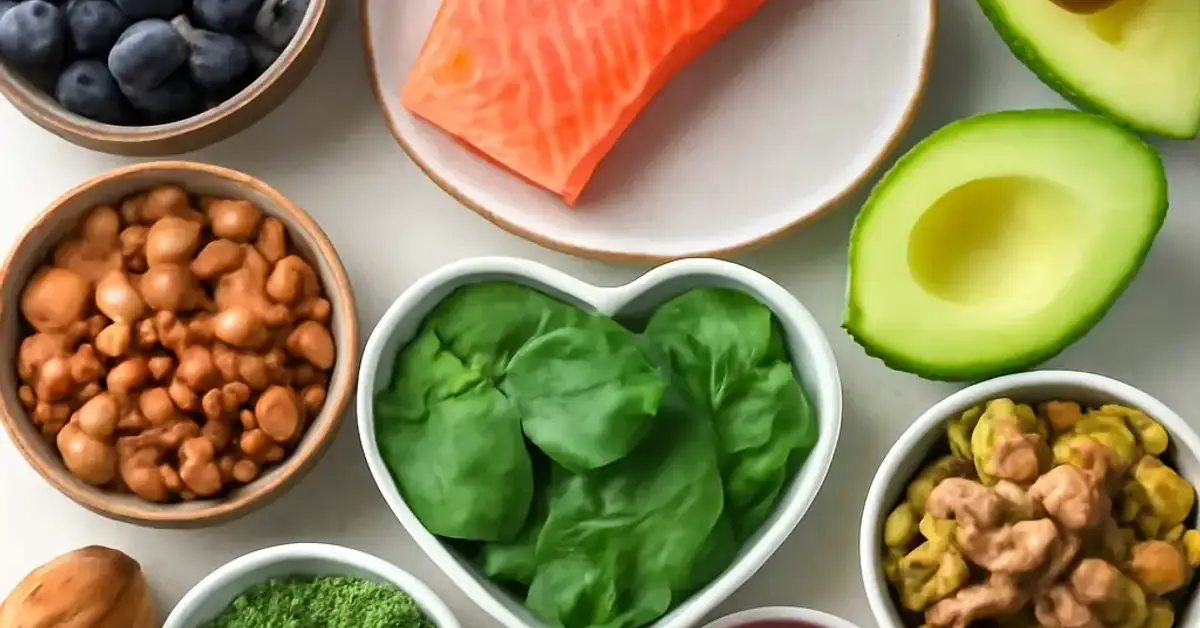
What Makes a Food Heart-Healthy?
Before we dive into the list, it helps to know what qualifies a food as a true heart-healthy foods powerhouse. The best options are rich in fiber, healthy fats, antioxidants, and essential minerals like potassium and magnesium. They help lower LDL cholesterol, reduce inflammation, and support healthy blood pressure levels. For a related guide, see 7 Heart-Healthy Snacks to Boost Weight Loss and Heart Function.
Research from the American Heart Association consistently points to a dietary pattern built around whole, minimally processed ingredients. When you prioritize these best foods for heart health, you naturally crowd out processed items high in sodium, added sugars, and unhealthy trans fats.
The 15 Best Heart-Healthy Foods You Should Eat Regularly
These selections combine strong nutritional profiles with practical availability. Each entry includes a brief intro, the primary health benefit, a serving tip, and supporting evidence.
1. Oats
Oats are a top source of beta-glucan, a soluble fiber that actively lowers LDL cholesterol. A study in the American Journal of Clinical Nutrition found daily oat consumption significantly reduced total cholesterol.
Health benefit: Lowers LDL cholesterol and improves blood sugar control.
Serving tip: Start your morning with a bowl of rolled oats topped with berries and a sprinkle of cinnamon.
2. Salmon and Other Fatty Fish
Salmon, mackerel, sardines, and tuna are rich in omega-3 fatty acids, which reduce inflammation and lower triglycerides. The American Heart Association recommends eating two servings of fatty fish per week.
Health benefit: Reduces blood pressure and lowers risk of arrhythmia.
Serving tip: Grill a salmon fillet with lemon and dill for a quick, heart-smart dinner.
3. Berries
Blueberries, strawberries, raspberries, and blackberries are packed with anthocyanins, antioxidants that protect blood vessels from oxidative stress. A large cohort study in Circulation linked regular berry consumption to a lower risk of heart attack.
Health benefit: Improves endothelial function and reduces blood pressure.
Serving tip: Add a handful of frozen berries to your morning smoothie or yogurt.
4. Avocados
Avocados provide monounsaturated fats, which help raise HDL (good) cholesterol. They also supply potassium, a mineral crucial for blood pressure regulation.
Health benefit: Supports healthy lipid profiles and lowers blood pressure.
Serving tip: Spread half an avocado on whole-grain toast for a satisfying breakfast or snack.
5. Leafy Green Vegetables
Spinach, kale, Swiss chard, and collard greens are loaded with nitrates, which relax blood vessels and improve circulation. They are also rich in vitamin K, which protects artery walls.
Health benefit: Reduces arterial stiffness and lowers blood pressure.
Serving tip: Sauté a handful of spinach with garlic and olive oil as a side dish for dinner.
6. Walnuts
Walnuts are one of the few plant sources of alpha-linolenic acid (ALA), an omega-3 that supports heart health. A study in the Journal of the American College of Cardiology found walnut consumption improved cholesterol profiles.
Health benefit: Lowers total cholesterol and reduces inflammation.
Serving tip: Sprinkle a handful of raw walnuts over oatmeal or a salad.
7. Beans and Legumes
Beans, lentils, chickpeas, and peas are high in soluble fiber and plant protein, both linked to lower heart disease risk. They also provide folate, which helps regulate homocysteine levels. For a related guide, see 7-Day Heart-Healthy Diet Plan for Lowering Cholesterol Naturally.
Health benefit: Reduces LDL cholesterol and improves blood sugar control.
Serving tip: Add canned or cooked lentils to soups or stews for extra bulk and nutrition.
8. Dark Chocolate (70% Cacao or Higher)
Dark chocolate contains flavanols that boost nitric oxide production, relaxing blood vessels. Moderate consumption is associated with lower blood pressure and reduced arterial stiffness.
Health benefit: Improves blood flow and reduces systolic blood pressure.
Serving tip: Enjoy one or two squares of high-quality dark chocolate as an occasional treat.
9. Tomatoes
Tomatoes are rich in lycopene, an antioxidant that protects the heart by reducing inflammation and preventing LDL oxidation. A meta-analysis in Critical Reviews in Food Science and Nutrition linked lycopene intake to a lower risk of stroke.
Health benefit: Lowers oxidative stress and reduces stroke risk.
Serving tip: Add sliced tomatoes to sandwiches or roast them with olive oil and herbs.
10. Almonds
Almonds provide healthy fats, magnesium, and vitamin E, all of which support heart health. Evidence from the PREDIMED trial shows that regular nut consumption reduces cardiovascular disease risk.
Health benefit: Lowers LDL cholesterol and provides antioxidant protection.
Serving tip: Keep a bag of raw almonds in your desk for a heart-friendly snack.
11. Flaxseeds
Flaxseeds are another rich source of ALA omega-3s and lignin compounds that help lower cholesterol. Ground flaxseeds are easier to digest than whole seeds.
Health benefit: Reduces total and LDL cholesterol and improves arterial elasticity.
Serving tip: Stir a tablespoon of ground flaxseed into oatmeal, smoothies, or yogurt.
12. Green Tea
Green tea is packed with catechins, antioxidants that improve blood vessel function and lower LDL cholesterol. Large observational studies link habitual green tea consumption to a lower risk of cardiovascular events.
Health benefit: Improves endothelial function and reduces plaque buildup.
Serving tip: Brew a cup of unsweetened green tea in the afternoon as a refreshing replacement for sugary drinks.
13. Whole Grains (Quinoa, Brown Rice, Barley)
Whole grains deliver fiber, B vitamins, and minerals that work together to lower cholesterol and blood pressure. A review in The BMJ found that each serving of whole grains reduces cardiovascular risk by 20 percent.
Health benefit: Reduces total and LDL cholesterol and supports weight management.
Serving tip: Swap white rice for quinoa or barley in your grain bowls and side dishes.
14. Olive Oil
Extra virgin olive oil is a cornerstone of the Mediterranean diet, rich in monounsaturated fats and polyphenols that protect the heart. A study in Circulation showed that olive oil consumption reduces the risk of both heart attack and stroke.
Health benefit: Lowers inflammation and improves cholesterol levels.
Serving tip: Use olive oil as your primary cooking oil and drizzle it over salads and roasted vegetables.
15. Pomegranates
Pomegranates are loaded with punicalagins and anthocyanins, potent antioxidants that support nitric oxide production and reduce arterial plaque. Small human studies suggest that pomegranate juice can slow the progression of atherosclerosis.
Health benefit: Improves blood flow and reduces oxidative damage to blood vessels.
Serving tip: Add pomegranate arils to salads, yogurt, or enjoy a glass of unsweetened pomegranate juice.
| Food | Key Nutrient | Primary Heart Benefit |
|---|---|---|
| Oats | Beta-glucan fiber | Lowers LDL cholesterol |
| Salmon | Omega-3 fatty acids | Reduces triglycerides and blood pressure |
| Berries | Anthocyanins | Improves endothelial function |
| Avocados | Monounsaturated fats, potassium | Supports healthy cholesterol and blood pressure |
| Leafy greens | Dietary nitrates | Reduces arterial stiffness |
| Walnuts | ALA omega-3s | Lowers total cholesterol |
| Beans and legumes | Soluble fiber, folate | Improves LDL and blood sugar |
| Dark chocolate | Flavanols | Boosts blood flow |
| Tomatoes | Lycopene | Reduces stroke risk |
| Almonds | Vitamin E, magnesium | Lowers LDL and provides antioxidants |
| Flaxseeds | Lignans, ALA | Reduces total cholesterol |
| Green tea | Catechins | Improves vessel function |
| Whole grains | Fiber, B vitamins | Reduces overall cardiovascular risk |
| Olive oil | Polyphenols | Lowers inflammation and improves cholesterol |
| Pomegranates | Punicalagins | Slows plaque formation |
How to Build a Heart Healthy Diet Around These Foods
Simply adding these heart-healthy foods to your plate is a great start, but consistency matters most. The Mediterranean diet, which emphasizes many of the items listed above, is one of the most well-studied dietary patterns for cardiovascular longevity.
Focus on including at least one serving of a fruit or vegetable at every meal, replacing refined grains with whole grains, and choosing lean proteins like fish or legumes several times a week. A heart healthy diet doesn’t have to be restrictive. It simply prioritizes nutrient density over calorie density.
Common Mistakes When Adding Heart-Healthy Foods
Even well-intentioned changes can backfire if you are not careful. Here are three pitfalls to avoid:
Overloading on portion sizes. Nuts, avocado, and dark chocolate are calorie-dense. While they are healthy, moderation is still key. Stick to a quarter cup of nuts or one ounce of dark chocolate per serving.
Choosing processed versions. Canned beans with added salt, sweetened yogurt, or pre-made oatmeals with sugar can sabotage your efforts. Always check labels and opt for the simplest ingredient lists.
Ignoring the big picture. No single food can compensate for a diet high in processed meat, sugary drinks, and refined carbs. Use these foods to improve heart health as part of a broader pattern of healthy eating.
Useful Resources
The following links provide additional evidence and meal planning ideas:
American Heart Association Diet and Lifestyle Recommendations
Harvard Health – 10 Steps to Build a Heart Healthy Plate
Frequently Asked Questions About heart healthy foods
What is the single best food for heart health?
While no single food works magic, fatty fish like salmon is often considered the top choice due to its high omega-3 content, which reduces inflammation and supports heart rhythm.
How many servings of fruits and vegetables should I eat for heart health?
The American Heart Association recommends at least 4 to 5 servings of fruits and vegetables daily, though eating more provides additional cardiovascular protection.
Can I still eat red meat on a heart healthy diet ?
Yes, but limit it. Choose lean cuts and keep portions small (3 to 4 ounces per serving). Prioritize plant proteins and fish for most meals.
Are frozen fruits and vegetables as heart-healthy as fresh?
Yes, frozen produce is typically picked at peak ripeness and flash-frozen, preserving nutrients. Just avoid varieties with added sauces or sugars.
Is it better to eat whole fruit or drink fruit juice?
Whole fruit is always the better choice because it provides fiber and fewer concentrated sugars. Juice lacks fiber and can spike blood sugar quickly.
How much dark chocolate can I eat per day?
One ounce (about 28 grams) of dark chocolate with at least 70% cacao is a reasonable daily portion that provides flavanol benefits without excess calories.
Do I need to take omega-3 supplements if I eat fish?
If you eat two servings of fatty fish per week, you likely get enough omega-3s from food. Supplements are best reserved for those who rarely eat fish, though consult your doctor first.
What is the healthiest cooking oil for heart health?
Extra virgin olive oil is widely considered the healthiest option due to its monounsaturated fats and high polyphenol content.
Are eggs bad for your heart?
For most people, moderate egg consumption (up to one per day) does not increase heart disease risk. The cholesterol in eggs has less impact on blood cholesterol than saturated and trans fats.
Can a vegetarian diet be heart-healthy?
Absolutely. A well-planned vegetarian diet that includes beans, lentils, nuts, seeds, whole grains, and plenty of vegetables provides excellent cardiovascular protection.
How does sodium affect the heart?
Excess sodium raises blood pressure by causing the body to retain fluid, which increases the workload on the heart. Limiting sodium to under 2,300 mg per day is recommended.
Are low-fat dairy products better for the heart?
Current evidence suggests that full-fat dairy in moderate amounts is not harmful for most people, but low-fat versions can help with overall calorie and saturated fat control.
Can nuts really lower cholesterol?
Yes, clinical trials show that eating a handful of nuts daily, especially walnuts and almonds, can reduce LDL cholesterol by 5 to 10 percent.
Is coconut oil good for heart health?
Coconut oil is high in saturated fat, and current research does not support it as a heart-healthy choice. Olive oil and avocado oil are better options.
How long does it take to see improvements after changing my diet?
Lipid and blood pressure improvements can be observed within 2 to 4 weeks after consistently adopting a heart-healthy eating pattern.
What is the role of fiber in heart health?
Soluble fiber binds to cholesterol in the digestive tract and helps remove it from the body. It also improves blood sugar control and promotes a healthy weight.
Should I avoid all saturated fat?
No. Replacing saturated fat with unsaturated fat is beneficial, but small amounts from whole foods like dairy or lean meat are acceptable within an overall balanced diet.
Can heart-healthy foods reverse existing heart disease?
A nutrient-dense diet can slow or partially reverse the progression of atherosclerosis in some cases, especially when combined with exercise, weight control, and medication as prescribed.
Is coffee good or bad for the heart?
Moderate coffee consumption (3 to 4 cups per day) is associated with a lower risk of heart disease and stroke, likely due to its antioxidant compounds.
What is the easiest change I can make today?
Swap a sugary snack for a piece of fruit or a handful of raw almonds. Small daily swaps build habits that last.