
Hormones and anxiety are closely connected, as fluctuations in key hormones like cortisol, thyroid hormones, estrogen, and progesterone can significantly influence anxiety symptoms. According to the National Institute of Mental Health (NIMH), hormonal imbalances can affect brain chemistry and increase the risk of anxiety disorders. Conditions such as thyroid dysfunction, menstrual cycle changes, and chronic stress can disrupt hormonal balance and trigger panic symptoms, restlessness, and mood instability. Understanding the link between hormonal imbalance and anxiety helps guide effective treatment, including lifestyle changes, therapy, and medical care.
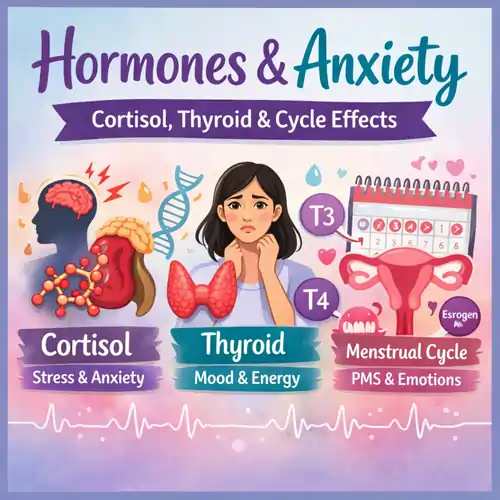
Introduction to Hormones and Anxiety
The relationship between hormones and anxiety is complex and often overlooked. Hormones act as chemical messengers that regulate vital processes in the body, including mood, stress response, and emotional stability.
When hormone levels become imbalanced, they can directly impact brain function and lead to anxiety symptoms such as irritability, nervousness, and panic attacks. The World Health Organization (WHO) highlights how biological factors, including hormones, contribute to mental health conditions.
Understanding how cortisol, thyroid hormones, and the menstrual cycle influence anxiety can help individuals recognize patterns and seek appropriate support.
How Hormones Affect Anxiety
Hormones regulate the body’s stress response system, mood, and emotional balance. When these systems are disrupted, anxiety disorders may develop.pubmed.ncbi.nlm.nih+1
Key hormonal mechanisms include interaction with neurotransmitters, regulation of the stress response through the hypothalamic–pituitary–adrenal (HPA) axis, influence on sleep cycles, and impact on energy levels. The National Institutes of Health (NIH) explains how hormonal signaling and the stress response affect mental health.
Cortisol and Anxiety
What is Cortisol?
Cortisol is known as the primary stress hormone and plays a critical role in the body’s fight‑or‑flight response.
How Cortisol Affects Anxiety
- Elevated cortisol levels increase alertness.
- Chronic stress leads to cortisol imbalance.
- Persistently high cortisol can trigger or worsen anxiety symptoms.frontiersin+1
The CDC provides guidance on how prolonged stress affects the body and offers practical strategies for coping with stress and regulating cortisol.
Symptoms of High Cortisol
- Rapid heartbeat
- Sleep disturbances
- Irritability
- Fatigue
Thyroid Hormones and Anxiety
Thyroid Function and Mental Health
The thyroid gland regulates metabolism through thyroid hormones (T3 and T4), which influence energy, temperature, and brain function.
Hyperthyroidism and Anxiety
Excess thyroid hormones can cause:
- Restlessness
- Palpitations
- Nervousness
Hypothyroidism and Anxiety
Low thyroid levels may lead to:
- Fatigue
- Depression
- Cognitive slowing
The [American Thyroid Association] and NIH‑hosted reviews describe how both hyperthyroidism and hypothyroidism are associated with mood changes and anxiety symptoms.
Menstrual Cycle and Anxiety
Hormonal fluctuations during the menstrual cycle significantly affect emotional health.
Phases of the menstrual cycle include:
- Follicular phase
- Ovulation
- Luteal phase
Estrogen fluctuations can affect mood and emotional sensitivity, while progesterone changes can influence anxiety and irritability. Some individuals experience severe anxiety symptoms during the luteal phase, particularly in premenstrual syndrome (PMS) and premenstrual dysphoric disorder (PMDD).
Hormonal Imbalance and Anxiety Symptoms
Common symptoms of hormonal anxiety include:
- Mood swings
- Panic attacks
- Sleep disturbances
- Fatigue
- Irritability
These symptoms often overlap with other anxiety disorders, so medical evaluation is important to identify underlying hormonal causes.
Other Hormones Linked to Anxiety
- Adrenaline (epinephrine): Triggers the immediate fight‑or‑flight response and can cause jitteriness and racing heart.nmoer.
- Insulin: Blood‑sugar fluctuations can affect mood, concentration, and anxiety levels.
- Melatonin: A sleep hormone that influences circadian rhythm; disrupted melatonin patterns can worsen both sleep and anxiety.
Medical Conditions Linked to Hormonal Anxiety
Certain conditions can cause both hormonal imbalance and anxiety, including:
- Thyroid disorders
- Polycystic ovary syndrome (PCOS)
- Adrenal disorders
Because many endocrine conditions affect both physical and emotional health, guidelines recommend ruling out relevant medical causes when new anxiety symptoms appear alongside fatigue, weight changes, or menstrual irregularities.
Lifestyle Factors That Influence Hormones and Anxiety
Daily habits affect both hormones and mental health.
Key factors include:
- Sleep quality
- Diet and blood‑sugar stability
- Caffeine intake
- Physical activity
The CDC emphasizes healthy routines—regular sleep, movement, social connection, and relaxation techniques—as core strategies for managing stress and its hormonal effects.
Causes of Hormonal Anxiety
- Chronic stress – prolonged activation of the stress response can keep cortisol elevated and destabilize other hormones.
- Hormonal fluctuations – menstrual cycles, pregnancy, postpartum changes, and menopause can all shift hormone levels and influence anxiety.
- Medical conditions – endocrine disorders such as thyroid disease, PCOS, or adrenal dysfunction can alter hormone production and trigger anxiety symptoms.
Diagnosis of Hormonal Anxiety
Diagnosis typically involves:
- Detailed medical history, including timing of symptoms (for example, around the menstrual cycle or during major stress).
- Hormone testing when indicated, such as thyroid panels or cortisol measurements.
- Psychological evaluation to assess anxiety severity, triggers, and co‑occurring mental health conditions.
Treatment for Hormonal Anxiety
- Medical treatment
- Hormone therapy or thyroid medication when an endocrine disorder is identified.medlineplus
- Management of underlying medical conditions in collaboration with primary‑care and specialist providers.
- Therapy
- Cognitive behavioral therapy (CBT) to address anxious thoughts, avoidance, and coping skills.
- Stress‑management interventions tailored to hormonal patterns, such as cycle‑related anxiety.
- Lifestyle changes
- Balanced diet to support blood‑sugar and hormone regulation.
- Regular exercise to reduce stress hormones and improve mood.
- Good sleep hygiene to support circadian and hormonal stability.
- Stress‑reduction techniques
- Mindfulness and meditation
- Breathing exercises and progressive muscle relaxation
- Scheduling breaks and recovery time to reduce chronic stress
Managing Hormonal Anxiety Naturally
Helpful strategies for managing hormonal anxiety include:
- Regular physical activity
- Reducing caffeine and alcohol intake
- Maintaining a consistent sleep schedule
- Prioritizing balanced nutrition and hydration
These approaches support overall hormone balance and can complement medical or psychological treatment.
When to Seek Help
Seek professional help if symptoms:
- Persist over time
- Worsen despite lifestyle changes
- Interfere with work, relationships, or daily functioning
A qualified healthcare professional can determine whether symptoms are primarily hormonal, psychological, or both, and recommend appropriate treatment based on current evidence‑based guidelines.
Living with Hormonal Anxiety
Managing hormonal anxiety requires awareness and consistency. Tracking symptoms, noting patterns related to stress or hormonal changes, and maintaining healthy routines can improve emotional stability. With the right combination of medical care, therapy, and self‑care, many people experience significant relief and better quality of life.
Written by: Eden Grace Ramos, RN
Medical Disclaimer
This article is for informational and educational purposes only and does not replace professional medical advice. Hormonal anxiety and anxiety disorders require proper diagnosis and treatment by qualified healthcare professionals. Always consult a licensed physician or mental health specialist. Content is informed by resources from the World Health Organization (WHO), the Centers for Disease Control and Prevention (CDC), the National Institutes of Health (NIH), and the National Institute of Mental Health (NIMH).