
Most Common Causes of Seizures Key Takeaways
Genetic epilepsy is one of the most common causes of seizures overall, particularly in children and young adults.
- The most common causes of seizures include genetic epilepsy, structural brain abnormalities, CNS infections, metabolic derangements, and traumatic brain injury.
- Clinicians classify seizures as provoked (acute symptomatic) or unprovoked; this distinction dictates long-term treatment and prognosis.
- A systematic diagnostic evaluation—including history, EEG, neuroimaging, and labs—is critical for identifying the underlying etiology after a first seizure.
What Clinicians Should Know About the Most Common Causes of Seizures
Every year, millions of patients present with a first seizure. The emergency physician, neurologist, or general practitioner must rapidly answer a fundamental question: why did this happen? The answer determines whether the patient needs antiseizure medication, treatment for an underlying condition, or simply observation. This article presents a clinically oriented overview of the nine most frequent etiologies, integrating seizure pathophysiology basics with practical clinical seizure assessment strategies.
Understanding Brain Electrical Activity Disorders
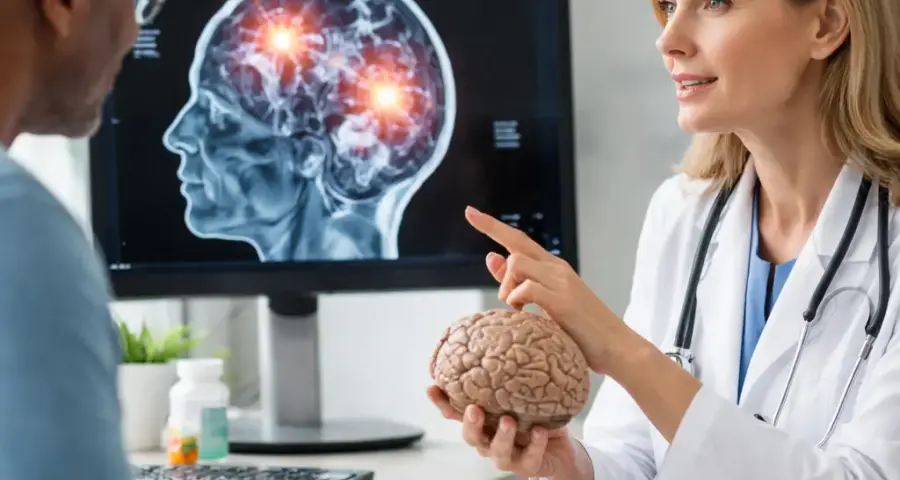
Before diving into specific causes, it is helpful to review how seizures develop. Normal brain function depends on a precise balance of excitatory and inhibitory neurotransmission. When that balance tips—due to genetic mutations, metabolic stress, or structural damage—groups of neurons may fire synchronously and excessively. This abnormal discharge propagates through neural networks, producing the clinical manifestations of a seizure. Neurophysiology of seizures basics teaches us that the seizure threshold is lowered by factors such as fever, electrolyte disturbances, or sleep deprivation. Understanding these mechanisms helps clinicians predict which patients are at risk and which triggers may be reversible.
1. Genetic (Idiopathic) Epilepsy
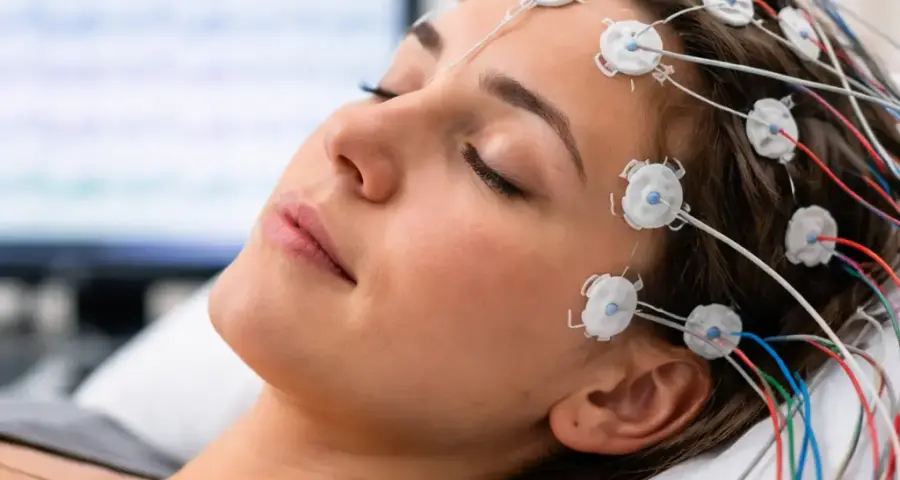
Genetic epilepsy is one of the most common causes of seizures overall, particularly in children and young adults. This category includes conditions where a known or presumed genetic mutation leads to recurrent, unprovoked seizures without an obvious structural brain abnormality. Examples include juvenile myoclonic epilepsy, childhood absence epilepsy, and Dravet syndrome (often due to SCN1A mutations). These are classic unprovoked seizure conditions—the seizures occur spontaneously and require long-term antiseizure medication. Diagnosis relies on a detailed family history, characteristic EEG patterns (such as 3-Hz spike-wave discharges in absence epilepsy), and genetic testing when indicated.

Clinical Relevance in Epilepsy Risk Factors
Clinicians should ask about febrile seizures in childhood, a family history of epilepsy, and developmental milestones. Epilepsy risk factors include a first-degree relative with epilepsy and certain neurodevelopmental disorders. Recognizing a genetic epilepsy early helps avoid unnecessary neuroimaging and guides appropriate medication selection (e.g., valproate or ethosuximide for absence seizures, avoiding carbamazepine in certain generalized epilepsies).
2. Structural Brain Abnormalities
Structural lesions—tumors, cortical malformations, hippocampal sclerosis, or vascular malformations—are frequent neurological causes of seizures. These lesions create an irritable focus of brain tissue that can generate spontaneous electrical discharges. For example, a slow-growing glioma may present with a first seizure in an otherwise healthy adult. Hippocampal sclerosis is the most common pathology found in patients with temporal lobe epilepsy. These are typically brain disorders causing seizures that require both seizure management and treatment of the underlying lesion. Brain electrical activity disorders resulting from structural lesions often produce focal (partial) seizures that can secondarily generalize. MRI with epilepsy protocol (thin-slice coronal sequences) is the gold-standard imaging study. For a related guide, see Neurological Conditions: Symptoms, Signs, and Treatment.
Traumatic Brain Injury Seizures
Traumatic brain injury seizures are a specific subtype of structural epilepsy. Post-traumatic seizures can occur immediately (within 24 hours), early (within 7 days), or late (after 7 days). Penetrating injuries, intracranial hemorrhage, skull fractures, and prolonged loss of consciousness increase risk. Late post-traumatic seizures are considered unprovoked and often require chronic antiseizure therapy. Provoked seizure causes in this setting include the acute metabolic and inflammatory response to injury, while the development of a gliotic scar can later become a chronic epileptic focus.
3. CNS Infections and Seizures
Central nervous system infections are a major cause worldwide, especially in immunocompromised patients and in regions with endemic infections. CNS infections and seizures include bacterial meningitis (Streptococcus pneumoniae, Neisseria meningitidis), viral encephalitis (herpes simplex virus, Japanese encephalitis), tuberculosis, neurocysticercosis, and cerebral malaria. These are classic acute symptomatic seizures—the seizure is provoked by the infectious process itself, whether through direct neuronal invasion, inflammation, fever, or electrolyte disturbances. Fever trauma infection seizure causes often overlap; for instance, a child with febrile status epilepticus may have underlying viral meningitis. Lumbar puncture and CSF analysis are crucial. Treatment involves antimicrobial therapy plus antiseizure drugs, typically only until the infection resolves unless chronic epilepsy develops.
4. Metabolic Seizure Triggers
Metabolic seizure triggers encompass a wide range of reversible disturbances that lower the seizure threshold. Common examples include hyponatremia, hypocalcemia, hypomagnesemia, hypoglycemia, hyperglycemia, uremia, and hepatic encephalopathy. These are classic provoked seizure causes—correct the metabolic derangement, and the seizures stop. In the emergency department, a patient with hyponatremia due to thiazide diuretics may present with a first generalized seizure. Metabolic imbalance seizure symptoms can mimic primary epilepsy, but the history (recent illness, medication changes, diet) and rapid laboratory testing (basic metabolic panel, calcium, magnesium, glucose) provide the diagnosis. Seizure diagnosis for medical students often emphasizes that “treat the underlying cause first” in these scenarios. For a related guide, see 15 Most Common Neurological Disorders You Will See in Practice.
5. Cerebrovascular Disease and Stroke
Stroke is one of the most common causes of seizures in older adults. Ischemic or hemorrhagic stroke can trigger acute symptomatic seizures (within 7 days) and also increase the long-term risk of post-stroke epilepsy. The pathophysiology involves excitotoxicity, impaired ion homeostasis, and gliosis around the infarct core. Cortical strokes, large hemorrhages, and strokes involving the temporal lobe carry the highest risk. Seizure triggers in adults and children differ—in adults, stroke and neurodegeneration dominate; in children, genetic and metabolic causes are more frequent. Clinicians evaluating an older patient with a first seizure should always consider cerebrovascular disease and perform appropriate imaging.
6. Febrile Seizures
Febrile seizures are the most common causes of seizures in children between 6 months and 5 years old. They are provoked by fever (usually >38°C) from an extracranial infection, such as otitis media, roseola, or urinary tract infection. Simple febrile seizures are generalized, last <15 minutes, and do not recur within 24 hours. Complex febrile seizures are focal, prolonged, or multiple. Epilepsy vs seizure differences are critical here: a simple febrile seizure does not constitute epilepsy. However, children with complex febrile seizures or underlying neurological abnormalities have a higher risk of developing epilepsy later. Management focuses on treating the fever and source of infection, not chronic antiseizure medication. Parental education is essential.
7. Withdrawal Syndromes and Toxic Ingestion
Alcohol withdrawal is a classic provoked seizure cause. Seizures typically occur 6–48 hours after the last drink and are usually generalized tonic-clonic. Benzodiazepine withdrawal can also trigger seizures. Conversely, acute intoxication with cocaine, amphetamines, or certain antidepressants (bupropion, tricyclics) lowers the seizure threshold. Seizure management clinical practice in these patients focuses on supportive care, benzodiazepines for withdrawal, and avoiding unnecessary long-term anti-epileptic drugs. The history is paramount—clinicians must ask about alcohol, recreational drugs, and prescribed medications.
8. Eclampsia and Pregnancy-Related Seizures
Eclampsia is a hypertensive disorder of pregnancy that can cause generalized tonic-clonic seizures. It is a medical emergency requiring magnesium sulfate, blood pressure control, and prompt delivery. Other pregnancy-related causes include cerebral venous sinus thrombosis, reversible cerebral vasoconstriction syndrome, and preexisting epilepsy. Seizure triggers in adults and children must be interpreted differently in a pregnant patient. Neurological seizure assessment guide for women of childbearing age includes a pregnancy test and blood pressure measurement as standard components.
9. Neurodegenerative Disorders and Dementia
Alzheimer disease, frontotemporal dementia, and other neurodegenerative conditions are increasingly recognized as neuro disorders causing seizures. Alzheimer patients have a 6–10 fold higher risk of developing unprovoked seizures compared to age-matched controls. Seizures in dementia are often subclinical (non-convulsive) and may present as confusion, agitation, or staring spells. EEG may be helpful, though it can be technically challenging. Seizure disorders overview for the geriatric population must include dementia as a potential etiology, along with stroke and metabolic causes.
Diagnostic Evaluation: How Are Seizure Causes Diagnosed?
The diagnostic workup begins with a careful history: what did the seizure look like? Was there a preceding aura? How long did it last? Was the patient confused afterward? Seizure warning signs and symptoms such as an odd smell, deja vu, or epigastric rising sensation point to focal onset. Witness accounts are invaluable. How are seizure causes diagnosed systematically? The seizure diagnostic evaluation includes:
- Detailed history and physical (including neurological exam)
- Laboratory tests: basic metabolic panel, calcium, magnesium, glucose, liver function, toxicology screen, pregnancy test
- Electroencephalography (EEG), ideally including sleep-deprived or prolonged recording
- Neuroimaging: MRI brain with epilepsy protocol is preferred over CT unless trauma or hemorrhage is suspected
- Lumbar puncture if CNS infection or inflammatory condition is considered
First seizure clinical evaluation guidelines from the American Academy of Neurology emphasize that adults with a first unprovoked seizure should have EEG and neuroimaging. Children may be managed similarly, with special attention to febrile seizures and genetic syndromes.
Comparison of Seizure Causes
| Cause | Provoked or Unprovoked | Key Diagnostic Clue | Typical Treatment |
|---|---|---|---|
| Genetic epilepsy | Unprovoked | Family history, characteristic EEG | Long-term AED |
| Structural brain lesion | Often unprovoked | MRI abnormality | Surgery +/ AED |
| CNS infection | Provoked (acute) | Fever, CSF pleocytosis | Antimicrobials +/ AED |
| Metabolic derangement | Provoked | Abnormal labs | Correct the imbalance |
| Stroke | Provoked or unprovoked | Acute neurological deficit, MRI | Treat stroke +/ AED |
| Febrile seizure | Provoked (fever) | Age, fever, infection source | Treat fever, no chronic AED |
| Withdrawal/toxic | Provoked | History, toxicology screen | Supportive care, benzodiazepines |
| Eclampsia | Provoked (pregnancy) | Hypertension, proteinuria | Magnesium, delivery |
| Neurodegenerative | Unprovoked | Cognitive decline, age | AED, treat dementia |
Provoked vs Unprovoked Seizures: Why It Matters
One of the first decisions a clinician must make is whether the seizure is provoked or unprovoked. What is the difference between provoked and unprovoked seizures? A provoked (or acute symptomatic) seizure occurs in close temporal relationship to an acute insult—infection, metabolic disturbance, stroke, trauma, or drug withdrawal. An unprovoked seizure occurs without such an acute trigger and often indicates an underlying epilepsy syndrome. Provoked seizure causes are generally reversible, and antiseizure medication may be tapered after the acute event. Unprovoked seizure conditions carry a higher recurrence risk and frequently require long-term treatment.
Useful Resources
For clinicians seeking a deeper dive into seizure pathophysiology and management, the following resources are recommended:
- Epilepsy Foundation Professional Education – Practical guides on seizure classification and treatment algorithms.
- International League Against Epilepsy (ILAE) Guidelines – Evidence-based recommendations for diagnosis and management of epilepsies.
Frequently Asked Questions About Most Common Causes of Seizures
What are the most common causes of seizures ?
The most common causes of seizures include genetic epilepsy, structural brain abnormalities (tumors, malformations), CNS infections, metabolic imbalances, stroke, febrile seizures, withdrawal syndromes, eclampsia, and neurodegenerative disorders.
How do seizures develop in the brain?
Seizures develop when a group of neurons in the brain fires abnormally and synchronously due to a disruption in the balance of excitatory and inhibitory neurotransmission. This can be triggered by genetic, structural, metabolic, or infectious factors that lower the seizure threshold.
What conditions can trigger seizures?
Common triggers include fever, infections, electrolyte disturbances, hypoglycemia, alcohol or drug withdrawal, sleep deprivation, stress, flashing lights (photosensitive epilepsy), and certain medications.
What is the difference between provoked and unprovoked seizures?
A provoked seizure is caused by an acute, reversible insult such as infection, trauma, or metabolic disturbance. An unprovoked seizure occurs without an acute trigger and suggests an underlying epilepsy disorder. This distinction guides treatment and prognosis.
How are seizure causes diagnosed?
Diagnosis involves a thorough history, physical exam, laboratory tests, EEG, and neuroimaging (preferably MRI). Lumbar puncture may be indicated if infection is suspected. The goal is to identify the underlying etiology and classify the seizure as provoked or unprovoked.
What are warning signs before a seizure occurs?
Many patients experience a prodrome or aura hours to minutes before a seizure. Warning signs can include a strange feeling, deja vu, olfactory hallucinations, visual disturbances, nausea, or a sense of impending doom. These are particularly common in focal epilepsies.
Can infections or trauma cause seizures?
Yes. CNS infections such as meningitis, encephalitis, and neurocysticercosis are major causes. Traumatic brain injury, especially penetrating injuries or those with intracranial hemorrhage, can cause both acute symptomatic and chronic post-traumatic seizures.
What metabolic problems lead to seizures?
Hyponatremia, hypocalcemia, hypomagnesemia, hypoglycemia, hyperglycemia, uremia, and hepatic encephalopathy are common metabolic triggers. These are typically reversible with correction of the underlying disorder.
How do clinicians evaluate first time seizures?
The evaluation includes a detailed history (from the patient and witnesses), neurological exam, basic labs, EEG, and neuroimaging. Guidelines recommend MRI as the preferred imaging modality. The goal is to identify the cause and assess recurrence risk.
What neurological disorders are linked to seizures?
Stroke, brain tumors, Alzheimer disease, multiple sclerosis, cortical dysplasia, and genetic syndromes (such as tuberous sclerosis) are neurological disorders commonly associated with seizures. Seizures can occur at any stage of these diseases.
What is the seizure pathophysiology basics ?
Seizure pathophysiology involves an imbalance between excitatory (glutamate) and inhibitory (GABA) neurotransmission, leading to synchronized neuronal firing. Ion channel dysfunction, altered synaptic transmission, and changes in neuronal membrane properties all contribute.
What are epilepsy risk factors ?
Family history of epilepsy, previous febrile seizures, head trauma, CNS infections, stroke, brain tumors, and certain genetic mutations increase the risk of developing epilepsy. Age is also a factor—some epilepsies are more common in children or the elderly.
What is the difference between epilepsy and a seizure?
A seizure is a single event characterized by abnormal brain electrical activity. Epilepsy is a chronic condition defined by recurrent, unprovoked seizures. A person can have a seizure without having epilepsy (e.g., a provoked seizure).
What causes epilepsy in children?
Common causes in children include genetic syndromes, febrile seizures, perinatal hypoxia, cortical malformations, and metabolic disorders. Childhood absence epilepsy and juvenile myoclonic epilepsy are typical genetic epilepsies.
What causes seizures in adults?
In adults, stroke, brain tumors, traumatic brain injury, alcohol withdrawal, CNS infections, and neurodegenerative diseases are common causes. Genetic epilepsies can also persist from childhood or present de novo.
Can stress cause a seizure?
Stress is a well-known trigger for seizures in people with epilepsy. It does not directly cause epilepsy, but it can lower the seizure threshold, making a seizure more likely in a predisposed individual.
How long does a seizure last?
Most seizures last 30 seconds to 2 minutes. A seizure lasting longer than 5 minutes is defined as status epilepticus, a medical emergency requiring immediate intervention.
What should I do if someone has a seizure?
Stay calm, protect the person from injury (remove nearby objects), time the seizure, and place them on their side (recovery position) if possible. Do not put anything in their mouth. Call emergency services if it lasts more than 5 minutes or if it is their first seizure.
Can sleep deprivation cause seizures?
Yes, sleep deprivation is a common trigger for seizures, especially in people with epilepsy. It lowers the seizure threshold. This is why sleep-deprived EEGs are sometimes used to provoke abnormalities for diagnostic purposes.
Are all seizures convulsive?
No. Seizures can be non-convulsive, such as absence seizures (brief staring spells) or focal impaired awareness seizures (altered consciousness without convulsions). These are often missed or mistaken for daydreaming or confusion.