
Common Ear Problems in Children Key Takeaways
The Eustachian tube in a child is shorter, narrower, and more horizontal than in an adult.
- Prompt identification of common ear problems in children like otitis media and swimmer’s ear can prevent complications such as hearing loss and speech delays.
- Many ear issues respond well to simple at-home measures, but persistent pain, fever, or discharge always warrant a healthcare visit.
- Preventive habits including proper drying after swimming, avoiding smoke exposure, and timely vaccinations reduce the risk of recurrent infections.
Understanding the Scope of Common Ear Problems in Children
Few things unsettle a parent more than seeing their child in pain from an earache. The common ear problems in children range from mild wax buildup to serious infections that can impact hearing and speech if left untreated. Because young children have shorter, more horizontal Eustachian tubes, they are anatomically predisposed to fluid accumulation and infection. This makes pediatric ear infection one of the most frequent diagnoses in primary care. Knowing the landscape of these conditions helps you respond calmly and effectively. For a related guide, see ENT Conditions: Common Ear, Nose, and Throat Disorders.
Why Children Are More Vulnerable to Ear Issues
The Eustachian tube in a child is shorter, narrower, and more horizontal than in an adult. This anatomy makes it easier for bacteria and viruses to travel from the nose and throat into the middle ear. Additionally, a child’s immune system is still developing, making them more susceptible to infections that trigger ear pain in kids. Daycare attendance, bottle feeding while lying down, and exposure to secondhand smoke further increase risk.
How Ear Problems Affect Development
Beyond immediate discomfort, chronic ear problems can interfere with hearing, which is critical for language acquisition. Even temporary hearing loss from fluid in ear children can cause difficulties in school, social interaction, and speech clarity. That is why early intervention is not just about pain relief — it is about safeguarding developmental milestones. Pediatric hearing health should be a priority for every family.
1. Acute Otitis Media (Middle Ear Infection)
Otitis media kids experience is the classic ear infection that brings a crying child to the pediatrician. It occurs when fluid becomes trapped in the middle ear and becomes infected, often following a cold.
Symptoms and Signs
Typical ear infection symptoms children include sudden ear pain, fussiness, trouble sleeping, tugging at the ear, fever (often 100.4°F or higher), and temporary hearing muffling. Infants may show irritability, vomiting, or diarrhea. The pain often worsens when lying down due to increased fluid pressure.
What to Do
For mild cases, pediatricians often recommend pain relief with acetaminophen or ibuprofen and a “wait-and-see” approach for 48–72 hours. If symptoms worsen or the child is under six months old, antibiotics such as amoxicillin are prescribed. Always complete the full course of child ear infection treatment to prevent recurrence. Warm compresses applied to the outer ear can also soothe discomfort.
2. Otitis Media with Effusion (Fluid in the Middle Ear)
Fluid in ear children sometimes persists even after an infection has cleared. Otitis media with effusion (OME) means non-infected fluid remains behind the eardrum, often without pain.
Symptoms and Concerns
The main issue is conductive hearing loss, which may be subtle. Your child might turn up the TV, not respond to soft sounds, or seem inattentive. While many cases resolve within three months, persistent fluid lasting longer can affect speech and learning. Speech delay hearing loss is a real risk when OME goes unrecognized.
What to Do
Monitor your child’s hearing and language milestones. If fluid remains beyond three months or hearing loss exceeds 20 decibels, an ENT for children may recommend tympanostomy tubes (ear tubes) to drain the fluid and equalize pressure. Regular follow-up with a hearing test ensures any issues are caught early.
3. Otitis Externa (Swimmer’s Ear)
Swimmer’s ear child cases spike during summer months. This infection affects the outer ear canal and is usually caused by water remaining in the ear after swimming, creating a moist environment for bacteria.
Symptoms to Watch For
Pain when touching or wiggling the outer ear is the hallmark sign. Other symptoms include itching, redness, drainage of clear or yellow fluid, and a feeling of fullness. Unlike a middle ear infection, a child with swimmer’s ear may not have a fever.
What to Do
Prescription ear drops containing antibiotics and a steroid are the standard child ear infection treatment. Keep the ear dry during treatment — use a shower cap or a cotton ball coated with petroleum jelly when bathing. Over-the-counter ear drops for prevention after swimming can help children prone to recurrence. Avoid inserting cotton swabs, as they can worsen the infection.
4. Earwax Blockage
Earwax blockage kids often face when parents try to clean ears too aggressively. Cerumen is natural and protective, but it can accumulate and harden.
Symptoms and Impact
Signs include a feeling of fullness, ringing in the ear, decreased hearing, and sometimes dizziness or cough. When wax presses against the eardrum, it can cause hearing loss in children that is temporary but concerning.
What to Do
Do not use cotton swabs or ear candles. Instead, use over-the-counter cerumenolytic drops (carbamide peroxide) to soften wax, followed by gentle irrigation with warm water using a bulb syringe. If the blockage persists or your child has ear tubes or a perforated eardrum, see a pediatric ENT conditions specialist for safe removal.
5. Eustachian Tube Dysfunction
Even without an active infection, common ear problems in children include Eustachian tube dysfunction (ETD). This condition occurs when the tube fails to open properly, causing pressure imbalance and fluid buildup.
Symptoms and Causes
Children often describe popping, clicking, or a feeling of fullness. They may hear their own breathing or voice more loudly (autophony). Allergies, enlarged adenoids, and frequent colds are common triggers.
What to Do
Encourage swallowing, yawning, or chewing gum (for older children) to help open the tube. Treat underlying allergies with antihistamines or nasal steroid sprays. In persistent cases, an ENT for children may evaluate for adenoidectomy or ear tube placement.
6. Perforated Eardrum
A hole or tear in the eardrum can result from a severe ear infection, rapid pressure changes (barotrauma), or insertion of an object into the ear.
Symptoms and Healing
Sudden sharp ear pain that then stops, sometimes accompanied by blood-tinged or pus-filled drainage, is a classic sign. Hearing loss is usually mild and temporary. Most perforations heal spontaneously within a few weeks.
What to Do
Keep the ear dry to prevent infection. Avoid blowing the nose too hard. If healing does not occur within two months or the hole is large, a pediatric ENT conditions specialist may recommend a patch or surgical repair (tympanoplasty).
7. Recurrent Ear Infections
Some children seem to get infection after infection. Recurrent ear infections — defined as three or more episodes in six months — can strain families and raise concerns about antibiotic overuse and long-term hearing.
Why Some Children Are Prone
Anatomy (small Eustachian tubes), immune immaturity, allergies, enlarged adenoids, and group childcare all contribute. Pediatric ear infection recurrence is also linked to exposure to smoke and lack of breastfeeding.
What to Do
Preventive strategies include pneumococcal and flu vaccines, exclusive breastfeeding for the first six months, avoiding smoke exposure, and limiting pacifier use after six months. For frequent recurrences, an ENT for children may suggest ear tubes to reduce infection frequency and preserve pediatric hearing health.
8. Cholesteatoma
Though less common, cholesteatoma is a serious condition where skin cells accumulate in the middle ear, forming a cyst that can erode bone and damage hearing.
Symptoms and Risks
Persistent foul-smelling ear drainage, hearing loss, ear fullness, and sometimes dizziness are red flags. Hearing loss in children from cholesteatoma can be permanent if not treated promptly.
What to Do
Cholesteatoma requires surgical removal by a pediatric ENT conditions specialist. The procedure is done under general anesthesia, and follow-up imaging (CT scan) may be needed to ensure complete removal. Early detection is critical to avoid complications such as facial nerve paralysis or meningitis.
9. Foreign Body in the Ear
Young children often insert small objects — beads, food, toy pieces — into their ears. This is more of a medical curiosity than an infection, but it can lead to ear pain in kids and secondary infection if not removed.
Symptoms and What to Do
You may notice discharge, pain, or hearing loss. Do not try to remove the object with tweezers or cotton swabs, as you might push it deeper. A healthcare provider can safely extract it using suction or irrigation. If the object is a button battery, seek emergency care immediately due to the risk of tissue damage.
10. Barotrauma (Pressure-Related Injury)
Airplane travel, scuba diving (rare in young children), or even fast elevator rides can cause ear barotrauma when pressure changes are not equalized.
Symptoms and Prevention
Pain, muffled hearing, and a feeling of fullness during descent or ascent. Prevention during flights includes offering a bottle or pacifier to infants, chewing gum to older children, and using filtered earplugs designed for air travel. Decongestants given 30 minutes before landing can also help children prone to ear infection symptoms children-like pain from pressure.
What to Do
Most cases resolve within hours. If pain persists more than a day or accompanies discharge, see a healthcare provider to rule out eardrum rupture.
How to Recognize Warning Signs That Require Medical Attention
While many common ear problems in children resolve with simple home care, certain symptoms demand a professional evaluation. Seek medical help if your child experiences persistent ear pain lasting beyond 48 hours, a fever over 102.2°F, drainage of pus or blood from the ear, sudden or worsening hearing loss, or extreme irritability and inconsolability. Infants under six months with any ear symptom should be seen promptly because their immune systems are still developing. For a related guide, see 10 Common Causes of Hearing Loss: Essential Guide for Healthcare Professionals.
If your child has recurrent infections or shows signs of speech delay hearing loss — such as not responding to their name by 12 months or limited vocabulary by 18 months — a referral to ENT for children is appropriate for a comprehensive evaluation.
Diagnostic Tools Used by Healthcare Professionals
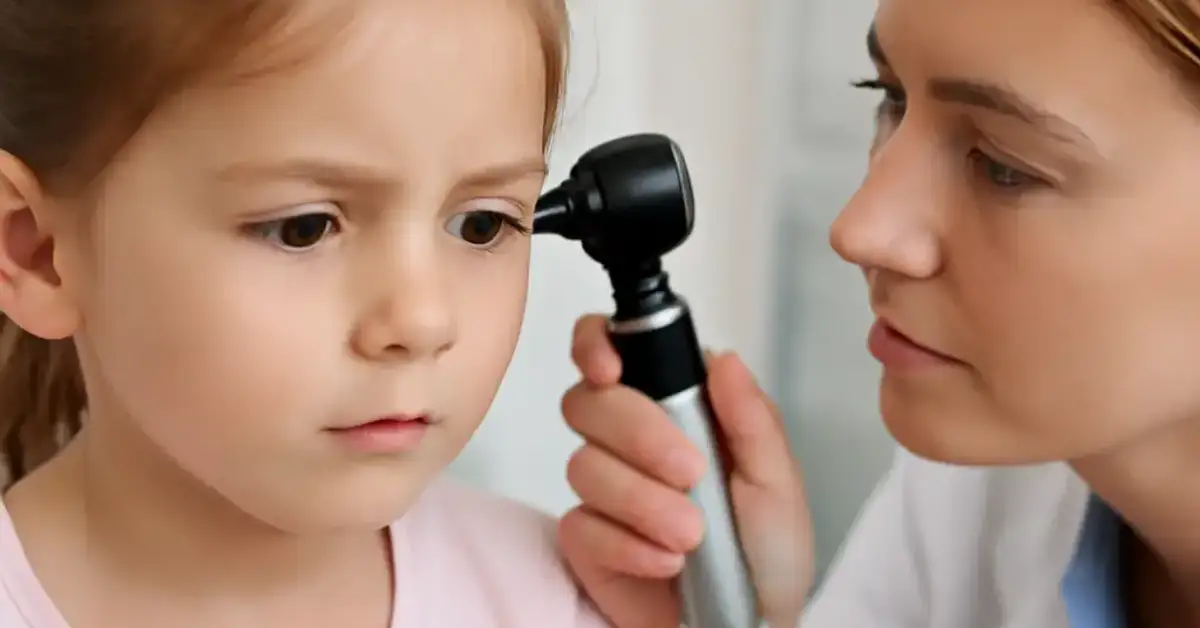
Doctors use several methods to diagnose common ear problems in children. An otoscope provides a magnified view of the eardrum, revealing redness, bulging, retraction, or fluid behind the drum. Pneumatic otoscopy adds a puff of air to check eardrum mobility. Tympanometry measures middle ear pressure and compliance. For suspected hearing loss in children, audiometry or otoacoustic emissions (OAE) testing is performed. These tools help differentiate between infection, fluid, and structural issues.
Prevention Strategies for Better Pediatric Hearing Health
Ear infection prevention kids can benefit from starts with everyday habits. Keep your child’s ears clean by wiping the outer ear with a washcloth — never insert anything into the ear canal. After swimming or bathing, tilt the head to let water drain. Dry the outer ear gently. Avoid exposing children to cigarette smoke, which damages the lining of the Eustachian tube. Stay up-to-date with the pneumococcal conjugate vaccine (PCV13) and annual flu shot. Breastfeeding for the first six months provides antibodies that reduce infection risk. If your child attends daycare, choose a smaller group setting when possible to limit germ exposure.
Useful Resources
For more detailed information on pediatric ear health, the American Academy of Pediatrics provides clinical guidelines on otitis media diagnosis and management. The American Speech-Language-Hearing Association also offers excellent resources on hearing screening and speech development milestones.
- HealthyChildren.org – American Academy of Pediatrics
- American Speech-Language-Hearing Association – Hearing and Balance
Frequently Asked Questions About Common Ear Problems in Children
What are the most common ear problems in children ?
The ten most common include acute otitis media, otitis media with effusion, swimmer’s ear, earwax blockage, Eustachian tube dysfunction, perforated eardrum, recurrent infections, cholesteatoma, foreign body in the ear, and barotrauma.
How do you know if a child has an ear infection?
Look for ear tugging, fussiness, difficulty sleeping, fever, and temporary hearing loss. Older children may complain of ear pain. A healthcare provider can confirm with an otoscope exam.
What causes frequent ear infections in kids?
Anatomy of the Eustachian tube, exposure to smoke, daycare attendance, allergies, and enlarged adenoids are main contributors. Pneumococcal and flu vaccines help reduce risk.
How is otitis media treated in children?
Treatment depends on severity. Mild cases may be managed with pain relievers and observation. Antibiotics are prescribed for moderate to severe infections, especially in children under six months.
When should parents worry about ear pain in children?
Worry if pain persists beyond 48 hours, fever is over 102.2°F, there is drainage of pus or blood, or if the child is under six months old. Any sign of hearing loss also warrants a call to the doctor.
Can ear problems affect a child’s speech development?
Yes. Persistent fluid in the middle ear or recurrent infections can cause temporary hearing loss, which may delay speech and language milestones. Early treatment helps prevent this.
What are signs of hearing loss in children ?
Not responding to name, turning up the TV, speaking loudly, inattentiveness, and delayed speech are common signs. Regular hearing screenings are recommended for at-risk children.
How does fluid in the ear affect kids?
Fluid behind the eardrum causes conductive hearing loss, which can make sounds seem muffled. This can impact learning, balance, and speech development if it lasts more than three months.
What is the difference between outer and middle ear infections in children?
Outer ear infections (otitis externa) affect the ear canal and hurt when the ear is touched. Middle ear infections (otitis media) affect the space behind the eardrum and often cause fever and hearing loss.
Can earwax cause hearing problems in kids?
Yes, impacted earwax can block the ear canal, causing temporary hearing loss, ringing, or a feeling of fullness. Professional removal restores hearing.
When should a child see an ENT specialist?
Referral is appropriate for recurrent infections (three or more in six months), persistent fluid lasting three months, suspected cholesteatoma, or structural concerns like a perforated eardrum not healing.
How do you prevent ear infections in children?
Breastfeed, vaccinate on schedule, avoid smoke exposure, practice good hand hygiene, limit pacifier use after six months, and dry ears thoroughly after swimming.
What are complications of untreated ear problems?
Untreated infections can lead to permanent hearing loss, speech delays, cholesteatoma, mastoiditis, and in rare cases, meningitis or brain abscess.
How do doctors diagnose ear conditions in children?
Physicians use an otoscope to inspect the eardrum, pneumatic otoscopy to check mobility, tympanometry for pressure, and hearing tests for functional assessment.
What home care is safe for kids with ear pain?
Safe home care includes acetaminophen or ibuprofen (age-appropriate dosing), a warm compress on the outer ear, and keeping the child upright to reduce pressure. Never place drops in the ear unless prescribed.
Is swimmer’s ear contagious?
No, swimmer’s ear is not contagious. It develops from water trapped in the ear canal, not from person-to-person contact.
Can teething cause ear infections?
Teething does not cause infections, but the discomfort can be confused with ear pain. Drooling and chewing on objects are common in both teething and early ear infections, so a medical exam is needed to differentiate.
Are ear tubes safe for children?
Yes, ear tube placement is a common and safe outpatient procedure that reduces infection frequency and improves hearing. Most tubes fall out on their own within 6–18 months.
What is the role of adenoids in ear infections?
Enlarged adenoids can block the Eustachian tube opening, leading to fluid buildup and infection. Adenoidectomy is sometimes recommended for recurrent cases.
How long do ear infections last in children?
With appropriate treatment, acute symptoms usually improve within 48–72 hours. Fluid may persist for weeks or months even after infection resolves. Follow-up is important to confirm clearance.