
Everyday Habits That Can Damage Your Hearing Key Takeaways
Repeated exposure to loud sounds and poor ear care practices gradually harm the delicate structures of the inner ear, leading to noise-induced hearing loss and other auditory problems.
- Everyday Habits That Can Damage Your Hearing include loud headphone use, frequent loud noise exposure , and improper ear cleaning.
- Lifestyle choices such as smoking, poor cardiovascular health, and certain medications can worsen hearing damage habits over time.
- Early prevention — including hearing protection habits and regular ear health tips — can help preserve long-term auditory health .
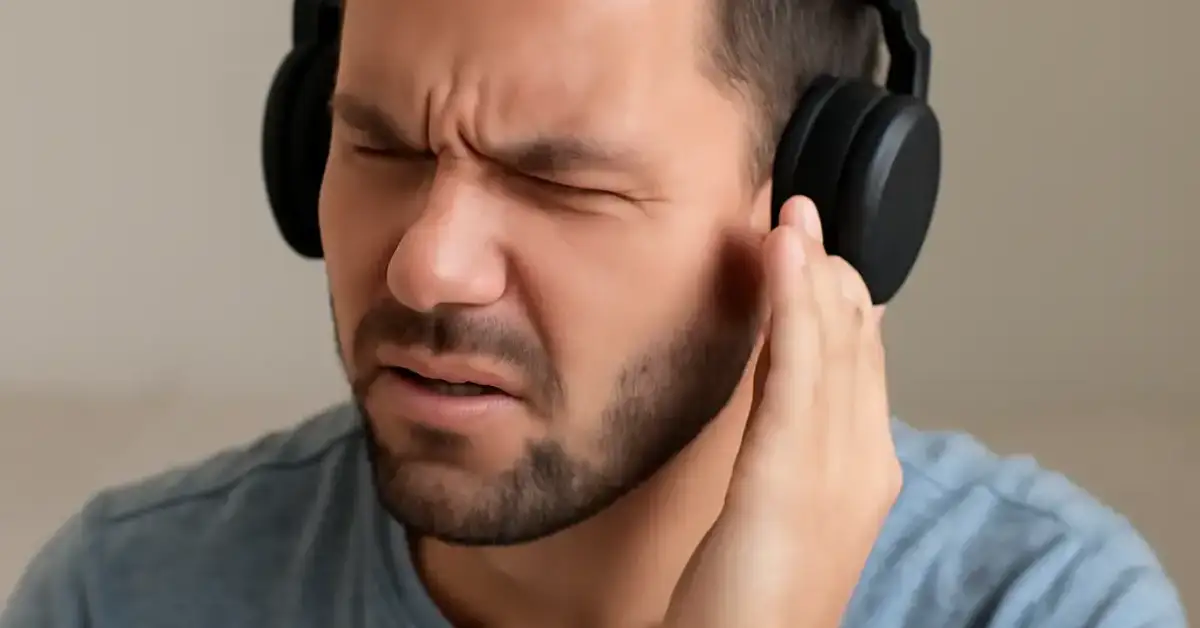
What You Should Know About Everyday Habits That Can Damage Your Hearing
Your hearing is a gift that works around the clock, but many daily routines slowly chip away at its function. Understanding the mechanisms behind noise induced hearing loss and other hearing damage habits is the first step to protecting yourself. The inner ear contains tiny hair cells that convert sound waves into electrical signals for the brain. These cells do not regenerate, so once they are damaged, hearing loss is permanent. Below, we break down the 11 most common habits that put your ears at risk. For a related guide, see 10 Common Causes of Hearing Loss: Essential Guide for Healthcare Professionals.
1. Listening to Music at High Volume Through Headphones or Earbuds
Using personal audio devices is one of the most widespread headphone hearing damage risks, especially among teenagers and young adults. When the volume exceeds 85 decibels (dB), the risk of damage rises sharply. Many devices can reach 100–110 dB, which can cause permanent hearing loss in just 15 minutes.
Mechanism of Damage
High volume levels overwork the hair cells in the cochlea, leading to cell fatigue and eventual death. This is a classic example of noise induced hearing loss from prolonged listening sessions.
Tips for Safer Listening
- Follow the 60/60 rule: listen at no more than 60% volume for a maximum of 60 minutes per day.
- Use over-ear headphones instead of earbuds for better sound isolation and lower volume needs.
- Take regular breaks to give your ears a rest.
2. Frequent Exposure to Loud Environments Without Protection
Whether it’s traffic noise, construction sites, or live concerts, loud noise exposure accumulates over a lifetime. Noise safety guidelines recommend keeping exposure below 85 dB for an 8-hour workday, but many environments exceed that.
At-Risk Settings
- Concerts and nightclubs (100–120 dB)
- Construction zones (90–110 dB)
- Motor racing events (120+ dB)
Use hearing protection habits such as foam earplugs or noise-canceling earmuffs in these settings.
3. Improper Ear Cleaning with Cotton Swabs
Inserting cotton swabs too deeply can cause ear cleaning damage to the ear canal or even perforate the eardrum. Many people use swabs to remove earwax, but this often pushes wax deeper, worsening the problem.
The ear is self-cleaning. Wax naturally migrates outward. If you experience blockage, consult an ENT hearing health professional instead of using swabs.
4. Smoking and Exposure to Secondhand Smoke
Smoking restricts blood flow to the inner ear, depriving the hair cells of oxygen and nutrients. This is a key contributor to lifestyle hearing loss. Smokers have a 70% higher risk of hearing loss compared to non-smokers.
Quitting smoking improves auditory health and reduces tinnitus risk factors.
5. Poor Cardiovascular Health and Uncontrolled Hypertension
Your ears depend on a healthy blood supply. High blood pressure and cardiovascular disease can damage the fine blood vessels in the inner ear, accelerating long term hearing damage.
Regular exercise, a balanced diet, and monitoring blood pressure are essential hearing prevention tips.
6. Using Earbuds for Long Durations Without Breaks
Even at moderate volumes, earbud usage safety is a concern because earbuds sit directly in the ear canal, increasing sound intensity. Extended use can cause irritation, infections, and cumulative headphone hearing damage.
Choose noise-canceling models so you do not need to raise the volume in noisy surroundings.
7. Attending Loud Events Without Earplugs
Concerts, sports games, and movie theaters can expose you to loud noise exposure levels above 100 dB. A single event can cause temporary threshold shifts — ringing ears that may become permanent if repeated.
Keep high-fidelity earplugs in your bag for hearing protection habits on the go.
8. Occupational Noise Without Hearing Protection
Workplace noise is a leading cause of noise induced hearing loss worldwide. Industries like manufacturing, construction, and agriculture often exceed safe limits.
Employers must provide hearing protection and follow noise safety guidelines. Workers should wear earplugs or earmuffs consistently.
9. Regularly Exposing Yourself to Loud Music in Cars or at Home
Blasting music during your commute or while doing chores is another of those hearing damage habits that sneaks up on you. In a car, the enclosed space increases the effect of loud sounds on the ears.
Keep the car stereo volume below 30% and limit the time at higher levels.
10. Ignoring Early Warning Signs Like Tinnitus or Muffled Hearing
Many people dismiss ringing ears or a feeling of fullness after a loud event. These are early signs of tinnitus risk factors and potential hearing damage. Ignoring them allows the damage to accumulate.
See an ENT hearing health specialist if you experience persistent tinnitus or sudden hearing changes.
11. Taking Ototoxic Medications Without Monitoring
Certain antibiotics, chemotherapy drugs, and high-dose aspirin can damage the inner ear, contributing to lifestyle hearing loss. These are called ototoxic medications.
Always ask your doctor about hearing side effects and request hearing tests if you are on long-term medication.
Preventive Strategies for Long-Term Auditory Health
You can significantly reduce your risk by adopting simple hearing protection habits:
- Wear earplugs in loud environments.
- Keep device volumes at 60% or less.
- Take 5-minute listening breaks every hour.
- Never insert anything into your ear canal.
- Quit smoking and manage blood pressure.
- Schedule regular hearing checkups with an ENT hearing health specialist.
Useful Resources
For more details on noise safety guidelines and ear health tips, visit the National Institute on Deafness and Other Communication Disorders at Noise-Induced Hearing Loss. Also check the World Health Organization’s Deafness and Hearing Loss Fact Sheet.
Frequently Asked Questions About Everyday Habits That Can Damage Your Hearing
What everyday habits can damage your hearing?
Everyday habits that damage hearing include listening to loud music through headphones, using cotton swabs in the ears, attending loud events without protection, smoking, and ignoring early signs like tinnitus.
How do lifestyle choices affect hearing loss?
Lifestyle choices such as smoking, poor diet, lack of exercise, and chronic stress can reduce blood flow to the inner ear, increasing the risk of lifestyle hearing loss. For a related guide, see Immune System: Daily Habits to Boost Health.
Can headphones cause permanent hearing damage?
Yes, prolonged use of headphones at high volumes can cause permanent headphone hearing damage by destroying inner ear hair cells that do not regenerate.
How does loud music affect ear health?
Loud music, especially at levels above 85 dB, strains and eventually kills hair cells in the cochlea, leading to noise induced hearing loss and tinnitus.
What habits increase risk of tinnitus?
Habits that increase tinnitus risk factors include frequent loud noise exposure, smoking, high caffeine intake, and ototoxic medication use.
Can ear cleaning habits harm hearing?
Yes, improper ear cleaning damage from cotton swabs, bobby pins, or other objects can lacerate the ear canal or perforate the eardrum.
How does exposure to noise at work affect hearing?
Occupational loud noise exposure above 85 dB over months or years causes gradual noise induced hearing loss, often without immediate symptoms.
What common behaviors lead to hearing loss over time?
Behaviors such as listening to earbuds at high volume, skipping ear protection at concerts, smoking, and ignoring early tinnitus are hearing damage habits that accumulate over time.
How does volume level impact ear damage risk?
Volume level directly affects risk: each 3 dB increase doubles the sound energy. Listening at 100 dB for just 15 minutes can cause damage, while 85 dB is safe for up to 8 hours.
Can frequent use of earbuds cause hearing problems?
Frequent earbud usage safety is a concern because earbuds deliver sound directly into the canal, raising intensity and increasing the potential for headphone hearing damage.
How does smoking or alcohol affect hearing health?
Smoking constricts blood vessels that nourish the inner ear; alcohol can affect the auditory brain pathways. Both are contributors to lifestyle hearing loss.
What preventive habits protect hearing?
Hearing prevention tips include wearing earplugs in noise, following the 60/60 rule with headphones, avoiding cotton swabs, and getting regular hearing checks.
How long does noise exposure take to damage ears?
Damage can start within minutes at extreme levels (above 110 dB) or accumulate over years of daily loud noise exposure at moderate levels.
What are early signs of hearing damage from daily habits?
Early signs include tinnitus, a feeling of fullness in the ears, difficulty understanding speech in noise, and needing higher volumes than before.
How can you reduce risk of hearing loss in daily life?
You can reduce risk by adopting hearing protection habits, managing volume, quitting smoking, keeping ears dry, and seeing an ENT hearing health professional annually.
Is hearing loss from earbuds reversible?
Hearing loss caused by headphone hearing damage is usually permanent because hair cells do not regrow. Early detection may prevent further loss.
Do musicians have a higher risk of hearing damage?
Yes, musicians face daily loud noise exposure at practice and performances. Custom earplugs and sound monitoring are essential for auditory health.
Can stress cause hearing loss?
Chronic stress may worsen tinnitus risk factors and contribute to inner ear blood flow issues, potentially accelerating long term hearing damage.
How can parents protect children’s hearing?
Parents should limit headphone time, enforce volume limits, use child-safe earplugs at events, and teach ear health tips early to prevent hearing damage habits.
Are ear candling or home wax removal safe?
Ear candling is not proven safe and can cause burns or ear cleaning damage. Always consult an ENT hearing health professional for wax removal.