best fruits for a heart healthy diet Key Takeaways
Adding the right fruits to your daily meals is one of the most effective ways to support heart function and reduce cardiovascular risk.
- The best fruits for a heart-healthy diet include berries, citrus, apples, pomegranates, bananas, avocados, and grapes — each offering unique vascular benefits.
- Regular consumption of these fruits can reduce LDL oxidation, improve endothelial function, and provide natural blood pressure support without side effects.
- Pairing these fruits with a balanced diet rich in whole grains, lean proteins, and healthy fats maximizes cardiovascular wellness outcomes.
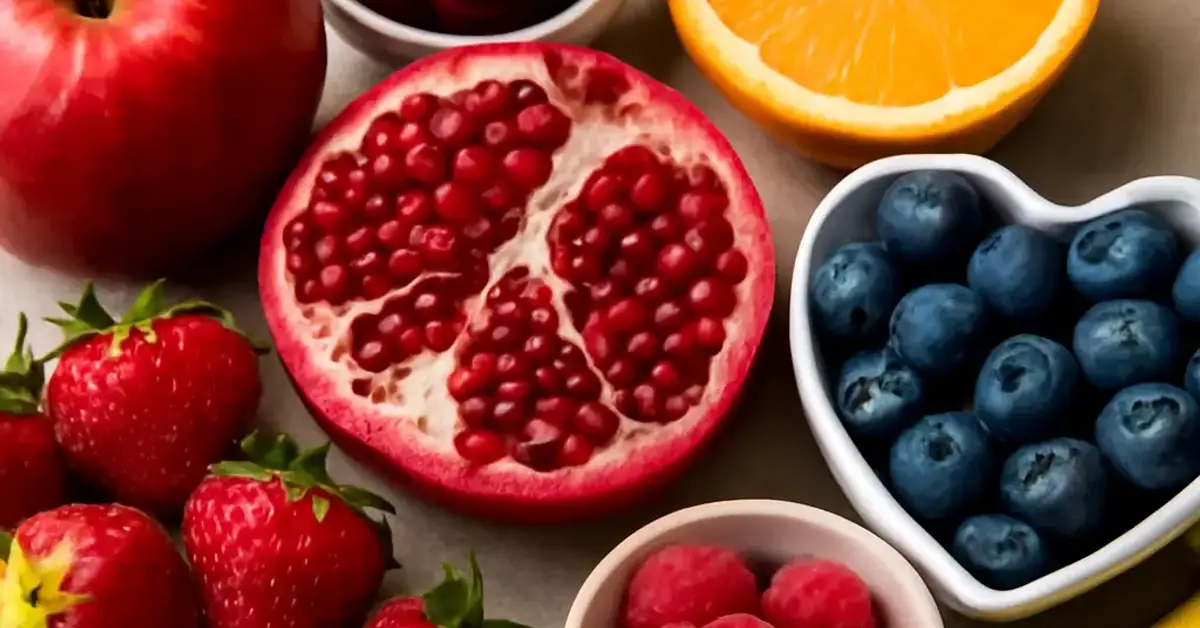
What Makes Certain Fruits the Best Fruits for a Heart-Healthy Diet
Not all fruits are created equal when it comes to heart health. The most effective options share specific nutritional characteristics that directly impact cardiovascular function. Understanding these traits helps you make smarter choices at the grocery store.
Key Nutritional Traits of Heart-Protective Fruits
Fruits that support cardiovascular wellness typically score high in three areas: potassium content, soluble fiber, and polyphenol antioxidants. Potassium helps counterbalance sodium and relax blood vessel walls, reducing blood pressure. Soluble fiber binds to cholesterol in the digestive tract and helps remove it from the body. Polyphenols — especially flavonoids and anthocyanins — reduce inflammation and prevent LDL cholesterol from oxidizing, a key step in plaque formation.
Many heart-healthy fruits also contain vitamin C, which supports collagen production for strong arteries, and folate, which helps lower homocysteine levels — an amino acid linked to heart disease risk. When selecting produce, opt for deeply colored fruits, as the pigments often signal high antioxidant density.
7 Proven Best Fruits for Cardiovascular Wellness
Here are the top seven choices backed by research for their ability to improve heart function, reduce blood pressure, and lower disease risk. Each entry includes the specific health benefit and practical ways to add them to your diet. For a related guide, see How to Lower Cardiovascular Risk: Diet, Exercise, and Prevention.
1. Blueberries and Other Berries
Berries are among the most concentrated sources of anthocyanins, the pigments that give them their deep blue, red, and purple colors. A 2019 meta-analysis in the Journal of the American Heart Association found that regular berry consumption lowered LDL cholesterol and improved blood vessel function. Eating just one cup of blueberries per week was associated with a 20% lower risk of cardiovascular events in observational studies.
Add a handful to oatmeal, yogurt, or a morning smoothie. Frozen berries retain nearly all their antioxidants, making them a convenient year-round option.
2. Oranges and Citrus Fruits
Citrus fruits provide high doses of vitamin C and hesperidin, a flavonoid that improves blood flow and reduces inflammation. A study in Diabetes Care reported that people who ate one grapefruit or orange daily had lower systolic blood pressure than those who did not. The pectin fiber in citrus also helps lower cholesterol levels.
Enjoy a whole orange as a snack, or squeeze fresh lemon or lime into water and salads. Avoid sugary citrus juices that lack fiber and often contain added sweeteners.
3. Apples
An apple a day truly supports heart health, thanks to its high soluble fiber content (especially pectin) and quercetin, a flavonoid with anti-inflammatory and antioxidant properties. Research from Nutrients found that apple consumption was linked to a 22% reduced risk of stroke. The skin contains most of the fiber and antioxidants, so eat the whole fruit.
Slice an apple and pair it with almond butter for a balanced snack, or chop it into salads for crunch and sweetness.
4. Pomegranates
Pomegranate juice and seeds are rich in punicalagins, unique antioxidants that protect blood vessels from oxidative damage. A randomized trial in Atherosclerosis showed that drinking 8 ounces of pomegranate juice daily for one year reduced carotid artery plaque thickness by 30%. The fruit also improves blood flow and reduces systolic blood pressure.
Scatter seeds over salads, yogurt, or oatmeal. Choose whole pomegranates over bottled juice to avoid added sugars and preserve fiber.
5. Bananas
Bananas are famous for their potassium content — one medium banana provides about 9% of the daily recommended intake. Potassium helps regulate blood pressure by relaxing blood vessel walls and excreting excess sodium. A 2021 study in European Heart Journal found that increasing potassium intake reduced stroke risk by 13% among women with high blood pressure.
Eat a banana before or after exercise to replenish electrolytes, or slice it over whole-grain cereal for a heart-healthy breakfast.
6. Avocados
Avocados are technically a fruit and provide monounsaturated fats, which help lower LDL cholesterol while raising HDL. They also contain potassium, magnesium, and fiber — a combination that supports healthy blood pressure and blood sugar control. A 2022 study in Journal of the American Heart Association linked avocado consumption to a 16% lower risk of cardiovascular disease. For a related guide, see 7-Day Heart-Healthy Diet Plan for Lowering Cholesterol Naturally.
Spread avocado on toast, add it to salads, or blend it into smoothies for a creamy texture. One-quarter of an avocado is a reasonable serving size.
7. Grapes
Red and purple grapes contain resveratrol and quercetin, compounds that reduce inflammation and prevent blood clots. A study in Circulation found that resveratrol supplementation improved endothelial function and lowered blood pressure in overweight adults. Grapes also provide fiber and vitamin K for vascular health.
Enjoy a cup of fresh grapes as a snack, or freeze them for a refreshing treat. Avoid grape juice concentrates that spike blood sugar without the fiber.
Comparison of Key Heart-Protective Nutrients
The table below compares the nutrient profiles of each featured fruit, helping you see at a glance how they support fruits for heart health.
| Fruit | Potassium (mg per serving) | Fiber (g per serving) | Key Antioxidant | Primary Heart Benefit |
|---|---|---|---|---|
| Blueberries (1 cup) | 114 | 3.6 | Anthocyanins | Lowers LDL, improves vessel function |
| Orange (1 medium) | 237 | 3.1 | Hesperidin | Reduces blood pressure |
| Apple (1 medium) | 195 | 4.4 | Quercetin | Reduces stroke risk |
| Pomegranate (1/2 cup seeds) | 205 | 3.5 | Punicalagins | Reduces plaque buildup |
| Banana (1 medium) | 422 | 3.1 | Potassium | Regulates blood pressure |
| Avocado (1/2 fruit) | 485 | 6.7 | Lutein | Lowers LDL, raises HDL |
| Red grapes (1 cup) | 288 | 1.4 | Resveratrol | Prevents blood clots |
How to Include These Heart-Healthy Diet Fruits in Your Daily Routine
Adding one or two servings of these fruits each day is enough to see meaningful improvements. Start by swapping a less nutritious snack for a piece of fruit. Aim for variety — rotate berries, citrus, and pomegranates throughout the week to maximize the range of antioxidants and nutrients.
Simple Daily Plan
Breakfast: oatmeal topped with blueberries and sliced banana. Lunch: spinach salad with orange segments and avocado. Snack: apple slices with a handful of almonds. Dinner: grilled chicken with a side of roasted grapes or pomegranate seeds over roasted vegetables.
For those managing blood sugar, pair fruit with a protein or fat source — such as cheese, nuts, or yogurt — to slow digestion and prevent glucose spikes. Always choose whole fruits over juices or dried versions that concentrate sugar and remove fiber.
Who Should Be Cautious
While these heart-healthy fruits are safe for most people, individuals on beta-blockers or blood thinners should consult their doctor before significantly increasing intake of potassium-rich fruits (bananas, avocados) or vitamin K-rich grapes. People with diabetes need to monitor portions, particularly of bananas and grapes, which have a higher glycemic impact.
Always introduce new foods gradually and pay attention to your body’s response. No single food works in isolation — the best fruits for cardiovascular wellness are part of an overall healthy eating pattern that includes vegetables, whole grains, lean proteins, and healthy fats.
Useful Resources
For further reading on fruit and cardiovascular health, these sources provide research-backed information:
- American Heart Association – Fruits and Vegetables and Heart Health
- National Institutes of Health – Dietary Flavonoids and Cardiovascular Disease Prevention
Frequently Asked Questions About best fruits for a heart healthy diet
What is the single best fruit for heart health?
While no single fruit is a cure-all, blueberries consistently show the strongest evidence for reducing LDL oxidation and improving blood vessel function. Their high anthocyanin content makes them a top choice.
Can I eat fruit if I have high cholesterol?
Yes. Fruits like apples, berries, and citrus contain soluble fiber that helps lower LDL cholesterol. Avocados also provide healthy fats that improve the cholesterol ratio.
How many servings of fruit should I eat daily for heart health?
The American Heart Association recommends 2 cups of fruit per day for most adults. Focus on variety and whole fruits rather than juices.
Are dried fruits good for heart health?
Dried fruits like raisins and dried apricots retain fiber and some antioxidants, but they are calorie-dense and often contain added sugar. A small handful (1/4 cup) is fine, but fresh fruit is preferred.
Is fruit juice a good substitute for whole fruit?
No. Fruit juice lacks fiber and causes rapid blood sugar spikes. Even 100% juice should be limited to 4–6 ounces per day. Whole fruit is far better for cardiovascular wellness.
Which fruits should I avoid for heart health?
No whole fruit is harmful in moderation. However, fruits canned in heavy syrup, candied fruits, or fruit desserts with added sugars should be limited. Always choose fresh, frozen, or water-packed options.
Can fruit lower blood pressure naturally?
Yes. Bananas, oranges, and avocados are rich in potassium, which helps lower blood pressure by counteracting sodium and relaxing blood vessels. Berries also improve nitric oxide production.
Does fruit help prevent stroke?
Yes. A diet rich in fruits — especially apples, pears, and citrus — has been linked to a lower risk of stroke. The fiber, potassium, and antioxidants all contribute to vascular protection.
What fruit has the most potassium?
Avocados and bananas are the top sources. Half an avocado provides about 485 mg of potassium, while one medium banana provides 422 mg. Dates and cantaloupe are also good options.
Can fruit replace blood pressure medication?
No. While fruit can support blood pressure management, it should not replace prescribed medication. Always consult your doctor before making dietary changes if you are on blood pressure medication.
Are frozen berries as healthy as fresh?
Yes. Frozen berries are picked at peak ripeness and flash-frozen, which preserves their antioxidant content. In some cases, frozen berries contain higher levels of certain nutrients than fresh ones shipped long distances.
How does fiber in fruit help the heart?
Soluble fiber binds to cholesterol in the digestive tract and helps remove it from the body. It also slows glucose absorption, which improves insulin sensitivity and reduces inflammation.
What fruit is best for people with diabetes who want heart protection?
Berries are the best choice because they have a low glycemic load and high antioxidant content. Pears, apples, and citrus are also good options. Pair fruit with protein or fat to blunt blood sugar spikes.
Can I eat too much fruit?
Yes, though it’s difficult for most people. Eating excessive fruit (more than 4–5 cups per day) can lead to high sugar intake and digestive discomfort. Stick to 2 cups per day for optimal heart health.
Does fruit help reduce inflammation in arteries?
Yes. Fruits rich in antioxidants, especially berries, pomegranates, and citrus, reduce levels of inflammatory markers like C-reactive protein (CRP). This protection helps prevent plaque buildup.
What is the best time of day to eat fruit for heart health?
Any time of day is beneficial. Eating fruit with breakfast provides fiber to start the day, while an afternoon snack of fruit can prevent cravings for less healthy options. Consistency matters more than timing.
Are organic fruits better for heart health?
Organic fruits may have lower pesticide residues, but the heart benefits come from the nutrients themselves. Both conventional and organic fruits provide fiber, potassium, and antioxidants. Choose organic if your budget allows, but any fruit is better than none.
Can fruit help with weight management for heart health?
Yes. Fruits are low in calorie density and high in fiber and water, which promote satiety and reduce overall calorie intake. Replacing processed snacks with fruit supports weight loss and heart health simultaneously.
What fruit should I eat before bed for heart health?
A small banana or a handful of cherries can support sleep quality due to their natural melatonin content while providing potassium. Avoid large servings right before bed to prevent digestive issues.
Does fruit interact with blood thinners like warfarin?
Grapefruit can interfere with the metabolism of many statins and blood thinners, so consult your doctor. Grapes and cranberries also contain vitamin K, which may affect warfarin. Maintain consistent intake and monitor INR levels.