
Signs of Enlarged Adenoids in Children Key Takeaways
Adenoids are soft tissue pads located at the back of the nasal cavity, right above the roof of the mouth.
- Signs of enlarged adenoids in children often include persistent mouth breathing, snoring, and a nasal-sounding voice.
- Untreated adenoid hypertrophy can lead to recurrent ear infections, sleep apnea, and even changes in facial growth.
- Early pediatric adenoid hypertrophy symptoms are manageable, but severe cases may require an ENT evaluation and possible adenoid removal surgery .
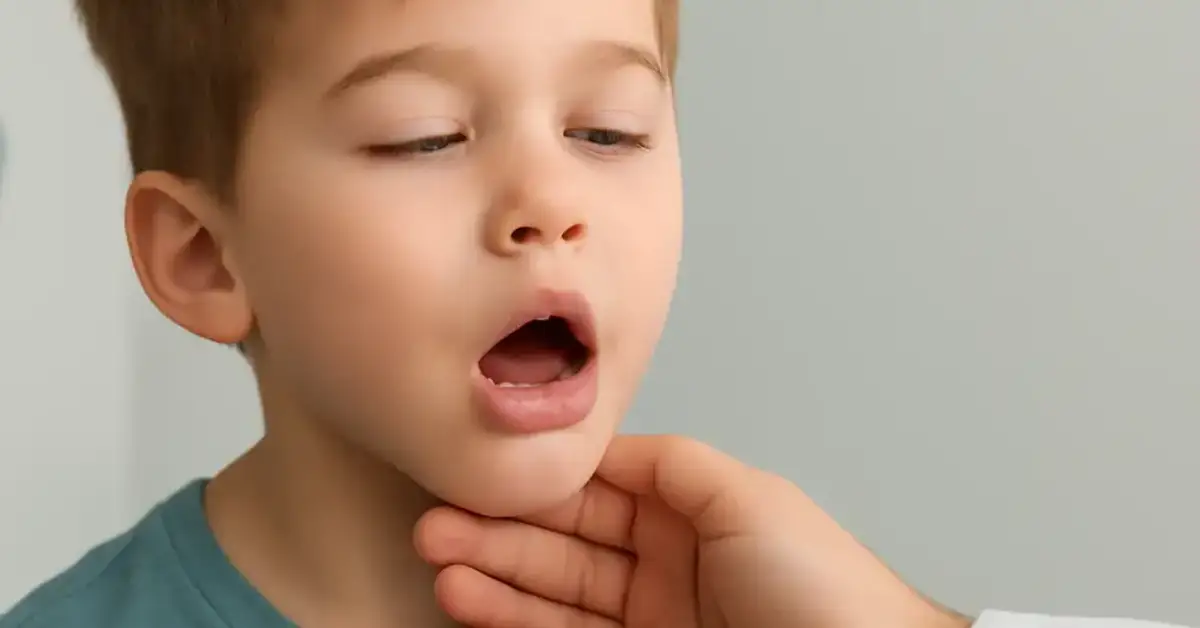
Understanding Enlarged Adenoids and Why the Signs Matter
Adenoids are soft tissue pads located at the back of the nasal cavity, right above the roof of the mouth. They are part of the immune system, helping trap germs that enter through the nose. Unlike tonsils, adenoids are not visible without special instruments. They typically shrink as a child gets older, but in many children, they become enlarged—often due to infections or allergies. When this happens, the signs of enlarged adenoids in children become noticeable and can disrupt daily life, from breathing to sleeping and even hearing. For a related guide, see 10 Common ENT Problems in Children Explained.
If you are a parent, guardian, or caregiver, catching these symptoms early is the key to avoiding more serious health issues. Let us break down each warning sign so you know exactly what to look for.
1. Chronic Nasal Obstruction in Kids: The Most Common Sign
The first and most frequent symptom of enlarged adenoids is chronic nasal obstruction in kids. Because the adenoids sit right behind the nasal passages, swelling blocks the airway. Your child may constantly sound congested, even when they do not have a cold. This nasal blockage symptoms children experience often leads to mouth breathing and a perpetually stuffy nose.
Why It Happens
When adenoids swell, they physically obstruct the airflow through the nose. This makes it hard for a child to breathe in through their nostrils, especially during sleep. The nasal obstruction children feel is often worse at night or after lying down.
What You Can Do
If you notice your child breathing through their mouth or complaining of a blocked nose for weeks without a runny nose, consider scheduling an early ENT diagnosis children should receive. A pediatrician or ENT can look at the adenoids with a small scope to confirm the issue.
2. Mouth Breathing in Children: More Than a Bad Habit
Mouth breathing in children is often dismissed as a habit, but when it is caused by adenoid enlargement, it is a medical concern. A mouth breathing child who consistently keeps their lips parted—especially during sleep—may be struggling to get enough air through their nose.
Impact on Health
Chronic mouth breathing dries out the throat and gums, increasing the risk of cavities and sore throats. Over time, it can also change the way a child’s face develops, leading to a longer face, a receding chin, and an open bite. This is one of the facial development changes adenoids can cause if left untreated.
Actionable Insight
Encourage your child to close their mouth while awake, but if they cannot do so during sleep, it is time to look deeper. Pediatric adenoid issues like this one respond well to early intervention.
3. Snoring and Sleep Apnea in Kids: A Loud Warning
While occasional snoring is normal, snoring and sleep apnea in kids should never be ignored. Loud, consistent snoring—sometimes with pauses in breathing—is one of the most telling signs of enlarged adenoids in children. This is a classic symptom of sleep apnea children experience when the airway is blocked during sleep.
Recognizing Sleep Apnea
Beyond snoring, look for gasping, choking, or restless sleep. Your child might toss and turn, sweat heavily at night, or wet the bed. Daytime symptoms include extreme fatigue, irritability, and difficulty concentrating at school. Breathing problems sleep children face can severely affect their growth and learning.
When to Act
If you suspect sleep apnea, consult an ENT immediately. Adenoid surgery indications often include moderate to severe sleep apnea that does not improve with other treatments. Kids snoring adenoids rarely shrink on their own by this stage.
4. Recurrent Ear Infections and Adenoid Enlargement
There is a strong link between recurrent ear infections adenoids cause. The adenoids sit near the openings of the eustachian tubes, which drain fluid from the middle ear. When adenoids swell, they block these tubes, trapping fluid and creating a breeding ground for infection.
Signs to Watch
Your child may have frequent earaches, tugging at the ears, trouble hearing, or fluid draining from the ear. Ear infections adenoids trigger can become a cycle: one infection clears, and another starts soon after.
Treatment Options
Chronic ear infections often lead to hearing loss adenoids can cause, which in turn affects speech and learning. An ENT may recommend adenoid removal surgery alongside ear tube placement to break the cycle.
5. Speech Changes and Nasal Voice in Children
Speech changes due to adenoids are surprisingly common. Because the adenoids block the nasal passage, the voice sounds blocked or stuffed up. This produces a nasal voice in children that lacks resonance. Parents often describe it as sounding like the child is always holding their nose.
How It Affects Communication
Children with enlarged adenoids may also have trouble pronouncing certain sounds, especially nasal consonants like “m,” “n,” and “ng.” Speech problems adenoids cause can sometimes be mistaken for a developmental delay. Teachers and daycare providers may notice the child sounds different from peers.
What Helps
A speech-language pathologist can assess the issue, but the root cause—pediatric adenoid hypertrophy symptoms affecting the voice—needs to be addressed by an ENT. Once the adenoids are treated, speech often improves rapidly.
6. Persistent Runny Nose and Chronic Congestion
A persistent runny nose kids have despite no clear allergy or cold trigger can point to adenoid trouble. The runny discharge is often clear or whitish and may be worse in the morning. This chronic congestion children experience is different from seasonal allergies because it lasts all year and does not respond well to antihistamines.
Differentiating from Allergies
If your child has sinus issues children typically get only during pollen season, the culprit is likely allergies. But if the congestion is constant and accompanied by snoring or mouth breathing, swollen adenoids signs are more probable.
Home Care and Next Steps
Saline rinses and humidifiers can provide temporary relief, but for lasting improvement, you need an ENT diagnosis adenoids confirmed. A simple X-ray or nasal endoscopy can reveal the size of the adenoids.
7. Hearing Issues from Adenoid Enlargement
Hearing issues from adenoid enlargement develop slowly, so parents may not notice right away. Blocked eustachian tubes not only cause infections but also lead to fluid buildup in the middle ear without infection. This fluid dampens sound waves, reducing hearing.
Signs of Hearing Loss
Your child might turn up the TV volume, not respond when called, or seem inattentive at school. Teachers may report behavioral problems that are actually hearing-related. Hearing loss adenoids cause is usually temporary if caught early, but prolonged fluid can damage the eardrum.
The Audiologist’s Role
A hearing test performed by an audiologist can measure the impact. If enlarged adenoids are the root cause, treating them often restores normal hearing within weeks.
8. Swallowing Difficulties and Tonsil and Adenoid Enlargement
Swallowing difficulties children with large adenoids experience are often dismissed as picky eating. But the adenoids sit so far back in the throat that when they are very large, they can make swallowing uncomfortable. This is especially true when tonsil and adenoid enlargement occurs together. For a related guide, see 8 Warning Signs of Serious Throat Conditions.
What It Looks Like
Your child may gag on solid foods, prefer soft foods, or complain of a lump in the throat. They might also drool more than expected for their age. These pediatric ENT symptoms should not be brushed off.
When to Seek Help
If swallowing problems affect your child’s weight or nutrition, an ENT evaluation is necessary. Adenoid surgery indications include difficulty swallowing due to physical blockage.
9. Sleep Disturbances in Children: More Than Night Terrors
Sleep disturbances in children caused by enlarged adenoids go beyond snoring. Children may experience restless sleep, frequent awakenings, night sweats, and bedwetting. The body is working hard to breathe, so it never enters deep, restorative sleep.
Daytime Consequences
Poor sleep leads to behavioral issues, hyperactivity, and difficulty focusing. Many children are misdiagnosed with ADHD when the real problem is sleep disturbance kids face because of obstructed breathing. Child snoring causes should always be investigated before attributing behavior problems to attention disorders.
What You Can Do
Keep a sleep diary for two weeks noting snoring, pauses, and restlessness. Share it with your pediatrician or an ENT adenoids kids specialist. They can determine if the adenoids are the culprit.
10. Chronic Cough and Postnasal Drip
A chronic cough postnasal drip produces is a wet, phlegmy cough that seems to never go away. As enlarged adenoids block nasal drainage, mucus drips down the back of the throat, triggering a cough reflex—especially at night or when lying down.
Is It Asthma or Adenoids?
Asthma coughs are usually dry or wheezy, while postnasal drip kids experience sounds more congested. If cough medicines and asthma inhalers do not help, consider pediatric airway obstruction signs from adenoids.
Management
Keeping the head elevated during sleep and using a cool-mist humidifier can offer some relief. But for a permanent solution, treating the underlying adenoid hypertrophy symptoms is necessary.
11. Facial Development Changes: The Long-Term Risk
One of the most concerning signs of enlarged adenoids in children is a subtle change in facial structure over time. Chronic mouth breathing forces the jaw and tongue into abnormal positions, leading to what some doctors call “adenoid face.” This includes a long, narrow face, a receded chin, a high-arched palate, and a gummy smile.
Why It Happens
When a child breathes through the mouth for months or years, the facial muscles and bones adapt to the new resting posture. This facial development changes adenoids cause are largely preventable with early treatment.
Prevention
Orthodontic issues and sleep-disordered breathing are closely linked. By addressing enlarged adenoids children have before age 7, you can often avoid years of braces and facial surgery later.
When to See an ENT: Bringing It All Together
If your child shows two or more of these signs of enlarged adenoids in children, it is time to see a pediatric otolaryngology evaluation specialist. Early diagnosis can prevent complications like permanent hearing loss, speech delays, and facial deformities. An ENT may recommend a simple X-ray, nasal endoscopy, or sleep study to confirm the diagnosis. Treatment ranges from nasal steroid sprays to adenoid removal surgery for severe cases.
Remember, you know your child best. Trust your instincts. If something feels off—whether it is the snoring, the constant runny nose, or the way they sound when they talk—bring it up with your healthcare provider.
Useful Resources
For more detailed information on pediatric adenoid hypertrophy symptoms and treatment, visit the American Academy of Otolaryngology’s patient guide: Adenoids and Adenoidectomy – ENT Health.
To learn about the link between enlarged adenoids and sleep apnea in children, see this resource from the American Academy of Sleep Medicine: Sleep Apnea in Children – Sleep Education.
Frequently Asked Questions About Signs of Enlarged Adenoids in Children
What are the signs of enlarged adenoids in children ?
The most common signs of enlarged adenoids in children include chronic nasal obstruction, mouth breathing, snoring, sleep apnea, recurrent ear infections, a nasal voice, persistent runny nose, hearing issues, swallowing difficulties, sleep disturbances, chronic cough from postnasal drip, and potential facial development changes. For a related guide, see 12 ENT Symptoms Parents Should Watch For.
How do I know if my child has adenoid problems?
If your child consistently breathes through their mouth, snores loudly, has frequent ear infections, or speaks with a blocked-sounding voice, they may have adenoid problems. An ENT can confirm with a nasal endoscopy or X-ray.
What causes enlarged adenoids in kids?
Enlarged adenoids are usually caused by repeated infections (colds, sinus infections) or allergies. The immune response causes the tissue to swell. Some children are naturally born with larger adenoids.
Can adenoids affect sleep in children?
Yes, enlarged adenoids are a leading cause of sleep disturbance kids experience. They block the airway, leading to snoring, gasping, and obstructive sleep apnea, which prevents deep restorative sleep.
Why does my child breathe through their mouth?
Mouth breathing happens when the nasal passages are blocked. Chronic nasal obstruction in kids from enlarged adenoids is a common reason. Allergies or a deviated septum can also cause it, but adenoids should be checked first.
Do enlarged adenoids cause hearing problems?
Yes, hearing issues from adenoid enlargement occur when swollen adenoids block the eustachian tubes, causing fluid to build up in the middle ear. This dampens sound and can lead to temporary hearing loss.
When do adenoids need to be removed?
Adenoid surgery indications include severe sleep apnea, recurrent ear infections that do not respond to antibiotics, chronic sinus infections, hearing loss, and significant breathing difficulties. An ENT will assess the size and symptoms before recommending surgery.
How are adenoid problems diagnosed in children?
An ENT diagnosis adenoids typically involves a physical exam, a small flexible scope passed through the nose (nasal endoscopy), or an X-ray of the nasopharynx. A sleep study may be ordered if sleep apnea is suspected.
Can adenoids cause frequent ear infections?
Absolutely. Recurrent ear infections adenoids are linked because swollen adenoids block the eustachian tubes, trapping fluid and bacteria in the middle ear. This creates a perfect environment for infections.
What is the treatment for enlarged adenoids in kids?
Mild cases may be treated with nasal steroid sprays to shrink the tissue. For moderate to severe cases, especially those affecting breathing or causing infections, adenoid removal surgery (adenoidectomy) is the most effective treatment.
Is adenoid removal surgery safe for children?
Yes, adenoidectomy is a common and safe outpatient procedure performed under general anesthesia. Most children go home the same day and recover within a week. Complications are rare.
Can enlarged adenoids shrink on their own?
Yes, adenoids naturally shrink as children get older, usually by age 7 to 12. However, if they are causing significant symptoms like sleep apnea or hearing loss, waiting is not recommended. Treatment should be based on symptom severity.
What happens if enlarged adenoids are not treated?
Untreated enlarged adenoids children can lead to chronic ear infections with hearing loss, speech delays, behavioral problems from poor sleep, and permanent changes in facial bone growth known as “adenoid facies.”
Can allergies cause enlarged adenoids?
Yes, chronic allergies can cause the adenoids to swell as part of the immune response. Managing allergies with antihistamines or allergy shots may reduce adenoid size in some children.
How long does recovery from adenoid surgery take?
Most children recover fully within 7 to 10 days. They may have a sore throat, nasal congestion, or ear pain for a few days. Soft foods and plenty of fluids help during recovery.
Will removing adenoids affect my child’s immune system?
The adenoids are part of the immune system, but they become less important after age 3. Removing them does not weaken the immune system because other tissues (like tonsils and lymph nodes) take over. Most children get sick less often after surgery because they stop having chronic infections.
Can enlarged adenoids cause bedwetting?
Yes, there is a known link. Sleep disturbances in children caused by obstructed breathing can affect the hormones that control nighttime bladder function. Treating the adenoids often resolves bedwetting.
Are enlarged adenoids hereditary?
There is some genetic tendency. If parents had large adenoids or needed them removed as children, their children are more likely to have similar issues. Frequent infections and allergies also play a role.
Can a child have enlarged adenoids without snoring?
Yes, some children have enlarged adenoids that cause ear infections or a nasal voice without noticeable snoring. Child ENT warning signs are not limited to noise at night; daytime symptoms like mouth breathing and congestion are equally important.
What should I do if I suspect my child has enlarged adenoids?
Start by documenting symptoms for two weeks—note snoring, breathing patterns, ear complaints, and any speech changes. Then visit your pediatrician, who may refer you to a pediatric otolaryngology evaluation specialist for a definitive diagnosis.