
Common ENT Problems in Children Key Takeaways
Ear, nose, and throat (ENT) issues are among the most frequent reasons parents seek medical care for their children.
- Common ENT problems in children include ear infections, tonsillitis, sinusitis, and sleep-disordered breathing—often linked to the developing immune system in children ENT .
- Many conditions like otitis media and adenoid hypertrophy kids are treatable with ENT treatment for children ranging from watchful waiting to surgery.
- Early pediatric ENT diagnosis and awareness of developmental impact ENT issues can improve long-term outcomes for child respiratory health and learning.
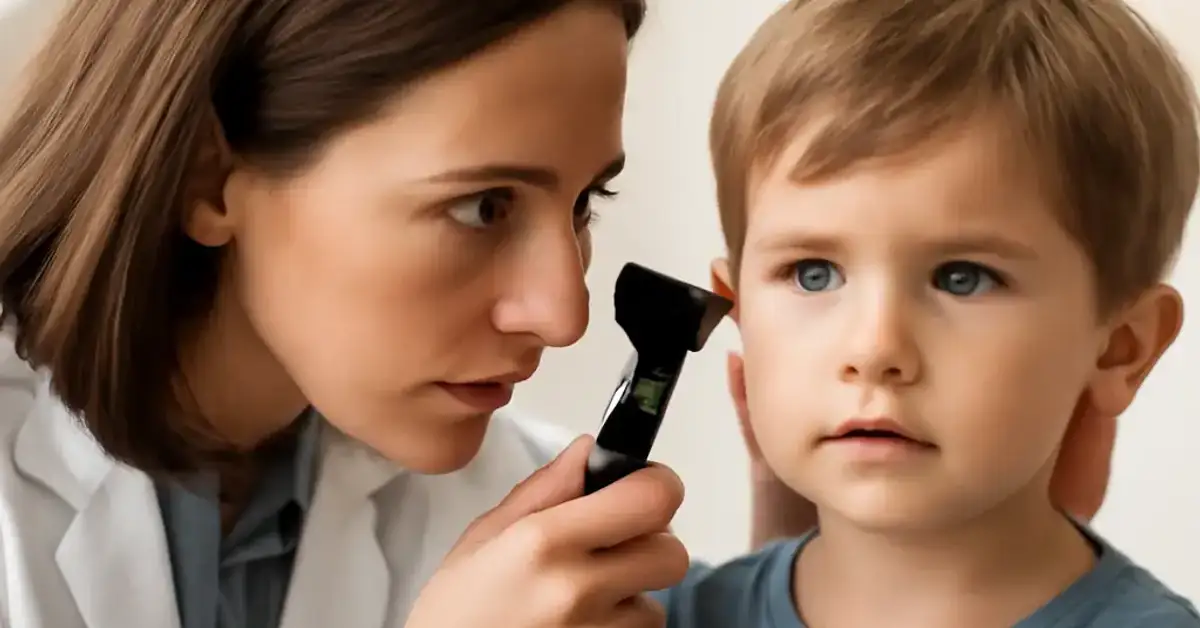
What Parents Should Know About Common ENT Problems in Children
Children are not just small adults. Their ear nose throat disorders in kids behave differently because their immune systems are still maturing, and their anatomical structures—like the eustachian tubes and tonsils—are proportionally smaller and more prone to blockage. By the age of five, most children will have experienced at least one episode of a pediatric ENT condition. Recognizing symptoms early and understanding when to seek ENT specialist children care can make a significant difference in your child’s comfort and development.
Below, we break down the ten most frequent common ENT problems in children with clear explanations of symptoms, causes, and modern treatment approaches. Each condition is linked to the broader picture of pediatric healthcare ENT conditions and how they interact with your child’s overall health.
1. Middle Ear Infection (Otitis Media)
Middle ear infection otitis media is the most common reason for pediatrician visits worldwide. It occurs when the eustachian tube—the passage connecting the middle ear to the throat—becomes blocked, trapping fluid and allowing bacteria or viruses to multiply.
Symptoms
Young children may tug at their ears, cry more than usual, have trouble sleeping, or develop a fever. Older kids often complain of ear pain and muffled hearing. If you notice these signs, especially after a cold, suspect otitis media.
Causes
Childhood ear infections are often triggered by viral upper respiratory infections. Bottle-feeding while lying down, exposure to secondhand smoke, and attending daycare are known risk factors. The immune system in children ENT is still learning to fight off pathogens, making repeated infections common. For a related guide, see 10 Causes of Persistent Sore Throat You Should Know.
Treatment
Many cases resolve without antibiotics (watchful waiting). When persistent, doctors may prescribe amoxicillin. For chronic ear infections, a pediatric ENT specialist may recommend ear tube surgery to drain fluid and equalize pressure.
2. Tonsillitis in Children
Tonsillitis children experience involves inflammation of the tonsils—the two oval-shaped pads at the back of the throat. It is a classic pediatric throat infection that can be viral or bacterial in origin.
Symptoms
Sore throat, difficulty swallowing, red and swollen tonsils (sometimes with white patches), fever, and bad breath. When caused by group A streptococcus (strep throat), it may also cause stomach pain and a sandpaper-like rash.
Causes
Close contact with infected individuals in schools or playgrounds spreads the viruses or bacteria responsible. Children with recurrent throat infections may have underlying tonsil enlargement kids issues.
Treatment
Viral tonsillitis resolves with rest, fluids, and pain relievers. Bacterial cases require a full course of antibiotics. For children with frequent episodes (seven or more in one year), a tonsillectomy may be considered as part of ENT treatment for children.
3. Adenoid Hypertrophy in Kids
Adenoid hypertrophy kids refers to the enlargement of the adenoid tissue located behind the nose. Unlike tonsils, adenoids are not visible without special instruments, but their impact on breathing and hearing is significant.
Symptoms
Chronic mouth breathing, noisy breathing during the day, snoring at night, nasal-sounding voice, and recurrent ear infections. When the adenoid blocks the eustachian tube, it can lead to middle ear infection otitis media.
Causes
Repeated infections cause the adenoid to swell and sometimes stay enlarged. Allergies and environmental irritants also contribute to nasal obstruction in children.
Treatment
Nasal steroid sprays and antihistamines may shrink the tissue. If symptoms persist, an adenoidectomy (surgical removal) is often performed alongside ear tube placement or tonsillectomy.
4. Pediatric Sinus Infections (Sinusitis)
Pediatric sinus infections occur when the sinuses—air-filled cavities around the nose—become inflamed and filled with fluid. This is a major pediatric respiratory infections category.
Symptoms
Nasal congestion lasting more than ten days, thick yellow-green nasal discharge, facial pain or headache (in older children), cough that worsens at night, and low-grade fever. Child sinus issues often mimic a stubborn cold.
Causes
Viral colds, allergies, and structural issues like a deviated septum or nasal obstruction in children can block sinus drainage. The immune system in children ENT may overreact or underperform, leading to secondary bacterial infection.
Treatment
Saline rinses, humidifiers, and nasal corticosteroid sprays provide relief. Bacterial sinusitis may require antibiotics for 10–14 days. For chronic ENT problems kids, an ENT may recommend imaging to evaluate the sinuses.
5. Hearing Loss in Children
Hearing loss in children can be temporary or permanent, and it may go unnoticed until language delays appear. It is a serious pediatric ENT condition that affects social and academic development.
Symptoms
Not startling at loud sounds, not turning toward voices by 6 months, delayed speech, poor school performance, or frequently asking for repetition. Child hearing problems may also manifest as inattentiveness.
Causes
Conductive hearing loss often stems from chronic ear infections or fluid behind the eardrum. Sensorineural loss may be genetic, due to infections (like meningitis), or from noise exposure.
Treatment
Treating the underlying infection, draining middle ear fluid, or using hearing aids or cochlear implants. Early pediatric ENT diagnosis through newborn screening and regular hearing checks is critical.
6. Recurrent Throat Infections
While occasional sore throats are normal, recurrent throat infections can disrupt school attendance and daily life. These are often linked to pediatric tonsil problems or a weakened immune response.
Symptoms
Frequent episodes of sore throat, fever, swollen lymph nodes, and difficulty swallowing—occurring several times a year.
Causes
Close contact with infected peers, viral co-infections, and anatomical factors like enlarged tonsils that trap bacteria. Some children have an immune system in children ENT that overreacts to common pathogens.
Treatment
Each episode is treated symptomatically or with antibiotics if bacterial. For children meeting surgical criteria, tonsillectomy reduces infection frequency dramatically.
7. Sleep Apnea in Children
Sleep apnea in children is a breathing disorder where a child’s airway repeatedly collapses during sleep. It is far more than simple snoring and can impact growth, learning, and behavior.
Symptoms
Loud snoring, gasping or choking sounds, restless sleep, bedwetting, daytime sleepiness, and attention problems at school. Parents may notice childhood snoring causes like mouth breathing or pauses in breathing.
Causes
Enlarged tonsils and adenoids are the leading cause in children. Obesity, neuromuscular disorders, and craniofacial abnormalities also contribute to pediatric airway issues.
Treatment
First-line treatment is surgical removal of tonsils and adenoids (adenotonsillectomy). For persistent cases, CPAP therapy or weight management may be recommended.
8. Nasal Obstruction in Children
Nasal obstruction in children refers to blockage of nasal airflow, making breathing difficult. It is a hallmark of several pediatric ENT disorders and can be acute or chronic.
Symptoms
Constant mouth breathing, difficulty feeding (in infants), snoring, nasal congestion that does not clear, and a nasal-sounding voice.
Causes
Enlarged adenoids, allergic rhinitis (childhood allergy ENT issues), deviated septum, or foreign objects lodged in the nose. Infants can have congenital choanal atresia.
Treatment
Addressing the underlying cause: allergy medications, adenoidectomy, or removal of a foreign body. Saline nasal irrigation helps with temporary relief.
9. Pediatric ENT Disorders Related to Allergies
Childhood allergy ENT issues often manifest as a combination of rhinitis, sinusitis, and even ear congestion. Allergies can mimic or worsen other common ENT problems in children.
Symptoms
Sneezing, itchy and watery eyes, clear nasal discharge, post-nasal drip, and dark circles under the eyes (allergic shiners). These symptoms often appear seasonally or with specific triggers.
Causes
Pollens, dust mites, pet dander, mold, and certain foods. The immune system in children ENT mistakes these harmless substances as threats, triggering inflammation.
Treatment
Antihistamines, nasal steroid sprays, and avoidance of triggers. Allergy immunotherapy (shots or oral drops) can provide long-term relief in severe cases.
10. Pediatric Respiratory Infections (Croup, Bronchiolitis)
Pediatric respiratory infections such as croup and bronchiolitis often involve the upper airway and overlap with ENT symptoms. These conditions are common in children under three years old. For a related guide, see 10 Proven Causes of Chronic Cough Linked to ENT Problems You Should Know.
Symptoms
Barking cough (croup), wheezing, rapid breathing, fever, and nasal congestion. Pediatric airway issues can make these infections more severe than in older children.
Causes
Viruses like parainfluenza (croup) and RSV (bronchiolitis). Inflammation narrows the airway, leading to the characteristic cough and breathing difficulty.
Treatment
Cool-mist humidifier, steroid medications (for croup), and supportive care. Severe cases may require hospital observation, oxygen, or nebulized epinephrine.
How Pediatric ENT Conditions Are Diagnosed
Pediatric ENT diagnosis begins with a thorough history and physical exam. The specialist will examine the ears (otoscopy), nose (nasal endoscopy), and throat. Hearing tests (audiometry), tympanometry (pressure testing of the ear), and imaging (X-ray or CT scan) help identify structural issues like adenoid hypertrophy kids or sinus infection kids.
For sleep apnea in children, a polysomnogram (sleep study) may be ordered. Diagnosis is a collaborative process between parents, pediatricians, and ENT specialist children care providers.
Prevention Tips and When to See a Specialist
Not all common ENT problems in children can be prevented, but you can reduce their frequency and severity:
- Practice good hand hygiene to limit pediatric respiratory infections.
- Keep your child away from secondhand smoke, which irritates the pediatric airway issues.
- Manage allergies with antihistamines or nasal sprays to prevent childhood allergy ENT issues.
- Ensure your child is up-to-date on vaccines, including the pneumococcal and flu vaccines.
- Encourage a balanced diet and adequate sleep to support the immune system in children ENT.
When should you see a specialist? If your child has:
- Four or more ear infections in a year
- Persistent snoring with breathing pauses
- Chronic ear infections that do not resolve with treatment
- Speech delays or concerns about child hearing problems
- Frequent recurrent throat infections affecting school attendance
Useful Resources
For more information on pediatric ENT conditions and ENT treatment for children, explore these trusted resources:
- American Academy of Otolaryngology – Pediatric ENT Page – Comprehensive patient guides on pediatric ear, nose, and throat disorders.
- Mayo Clinic – Pediatric ENT Overview – Expert-reviewed symptoms, causes, and treatment options for children.
Frequently Asked Questions About Common ENT Problems in Children
What are the most common ENT problems in children ?
The most frequent issues include middle ear infection otitis media, tonsillitis in children, adenoid hypertrophy kids, nasal obstruction, sinusitis, and sleep apnea. These common ENT problems in children account for millions of pediatric visits each year. For a related guide, see 10 Signs It’s Time to See an ENT for Sinus Problems: Essential Warning Signs.
Why do kids get frequent ear, nose, and throat infections?
Children have shorter, more horizontal eustachian tubes and a less mature immune system in children ENT, making it easier for germs to reach the middle ear and sinuses. Close contact in daycare and school also spreads infections quickly.
How is tonsillitis treated in children?
Treatment depends on cause. Viral tonsillitis is managed with rest, fluids, and pain relief. Bacterial tonsillitis (strep) requires antibiotics. For recurrent throat infections (seven or more a year), a tonsillectomy may be recommended.
What causes ear infections in kids?
Most childhood ear infections follow a viral cold that inflames the eustachian tube, trapping fluid. Bacteria then grow in the fluid. Risk factors include bottle-feeding while lying down and smoke exposure.
When should a child see an ENT specialist?
If your child has persistent ear infections despite treatment, chronic snoring with breathing pauses, suspected hearing loss, or frequent sore throats that disrupt daily life, an ENT specialist children care evaluation is warranted.
How do adenoids affect breathing in children?
Enlarged adenoids block the nasal passages, forcing mouth breathing and causing a nasal voice. They can also obstruct the eustachian tubes, leading to middle ear infection otitis media and hearing issues.
What are symptoms of sinus infections in kids?
Look for nasal congestion lasting over ten days, thick yellow-green discharge, facial pressure, nighttime cough, and low fever. Pediatric sinus infections often require antibiotics if bacterial.
How do you know if a child has hearing problems?
Infants may not startle to loud sounds. Toddlers may have delayed speech. Older children may seem inattentive or ask for repetition. Formal hearing tests by an audiologist can confirm hearing loss in children.
What are signs of chronic tonsil or adenoid issues?
Chronic mouth breathing, loud snoring, frequent sore throats, bad breath, ear infections, and nasal obstruction in children that does not improve are classic signs of pediatric tonsil problems or enlarged adenoids.
How are pediatric ENT conditions diagnosed?
The specialist performs a physical exam, including otoscopy and nasal endoscopy. Tests like audiometry, tympanometry, X-rays, and sleep studies help confirm pediatric ENT diagnosis.
What treatments are available for child ENT problems?
ENT treatment for children ranges from medication (antibiotics, steroids, antihistamines) to surgical procedures like ear tube insertion, tonsillectomy, or adenoidectomy. The choice depends on the condition and severity.
Why do children snore and is it serious?
Snoring often results from nasal obstruction in children due to large tonsils or adenoids. While occasional snoring is common, habitual snoring with pauses (apnea) indicates sleep apnea in children and requires evaluation.
How can ENT problems affect child development?
Chronic ear infections can delay speech and language. Sleep apnea impairs cognitive function and growth. Frequent infections cause school absences and social difficulties. Understanding developmental impact ENT issues is vital for early intervention.
What are common throat infections in children?
Viral pharyngitis, strep throat, and tonsillitis are common. Pediatric throat infection symptoms include soreness, fever, and swollen glands. Strep throat requires antibiotic treatment to avoid complications like rheumatic fever.
How do you prevent ENT infections in kids?
Promote handwashing, avoid smoke exposure, keep allergies under control, ensure vaccinations are current, and breastfeed infants when possible. A strong immune system in children ENT is the best defense.
Are chronic ENT problems kids outgrow them?
Many children outgrow recurrent ear infections and tonsillitis as the eustachian tubes and immune system mature. However, some chronic ENT problems kids like severe allergies or anatomical issues may persist and require ongoing management.
What is the role of allergy testing in pediatric ENT?
Allergy testing helps identify triggers for childhood allergy ENT issues such as rhinitis, sinusitis, and fluid in the ears. Avoiding allergens or starting immunotherapy can reduce symptom burden and medication use.
Can ear infections cause permanent hearing loss?
Most chronic ear infections cause temporary conductive hearing loss. However, repeated infections can damage the eardrum or ossicles, leading to permanent hearing loss in children. Prompt treatment protects hearing.
Does my child need a tonsillectomy for snoring?
If snoring is due to enlarged tonsils and adenoids causing sleep apnea in children, removal is often the first-line treatment. A sleep study helps confirm the severity, and the surgery is highly effective.
What should I expect at a pediatric ENT visit?
The ENT specialist children care provider will ask about symptoms, examine ears, nose, and throat, review any hearing tests, and discuss treatment options. The visit is typically family-friendly and tailored to put children at ease.