
Ways to Prevent Common Ear Infections in Kids Key Takeaways
Ear infections are one of the most common reasons parents visit the pediatrician, but many cases can be avoided with the right habits.
- Ways to prevent common ear infections in kids include proper feeding positions, breastfeeding, and vaccination to strengthen immunity and Eustachian tube function.
- Reducing exposure to secondhand smoke, managing allergies, and practicing good hand hygiene can dramatically lower infection risk, especially in daycare settings.
- Early awareness of nasal congestion and fluid buildup allows parents to act before an infection takes hold, supporting long-term ear health.
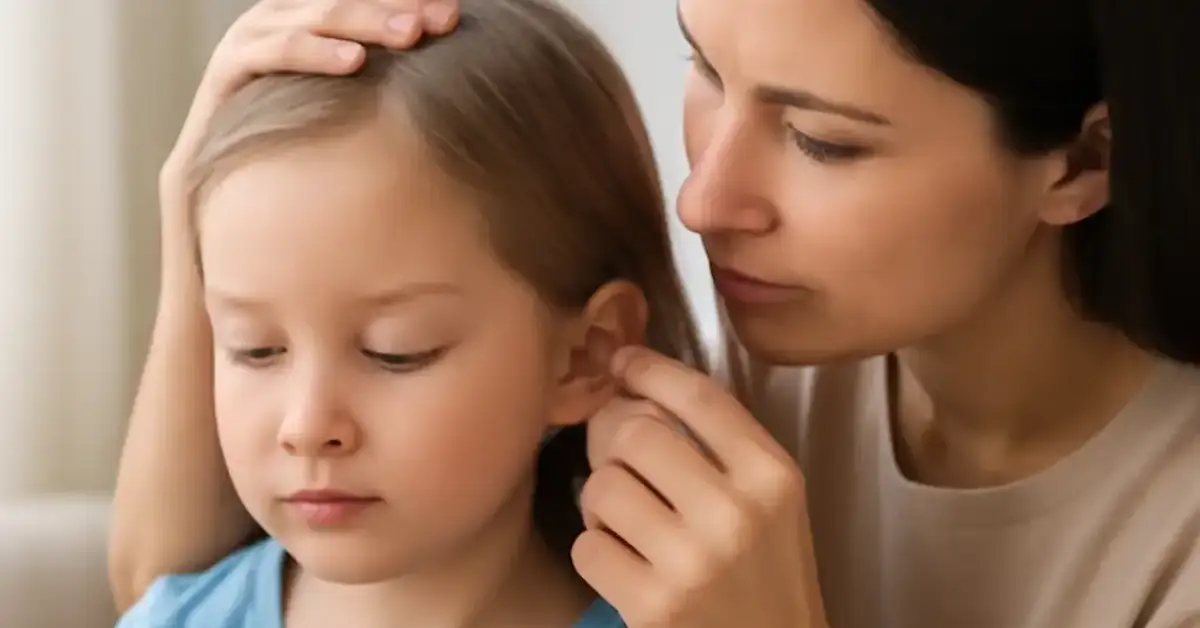
Understanding Pediatric Ear Infection Prevention
Ear infections, medically known as otitis media, occur when fluid builds up behind the eardrum and becomes infected. In children, the Eustachian tubes are shorter and more horizontal, making drainage difficult. Pediatric ear infection prevention focuses on keeping those tubes clear and the immune system strong. By addressing common triggers like congestion, bacteria, and environmental irritants, parents can significantly reduce the frequency of infections. For a related guide, see 10 Common Ear Problems in Children and What to Do.
Many parents feel helpless when their child suffers recurring earaches, but small daily habits make a big difference. From how you hold a bottle to how you manage seasonal allergies, each choice impacts ear health. Let’s explore ten actionable otitis media prevention strategies that fit into any family routine.
1. Practice Proper Feeding Positions to Protect Little Ears
One of the simplest ways to prevent common ear infections in kids is adjusting how you feed your baby. When infants drink from a bottle while lying flat, formula or breastmilk can flow into the Eustachian tubes, creating a breeding ground for bacteria.
Best feeding practices for ear health
Always hold your baby at a 45-degree angle or more during feedings. This position allows fluid to drain downward into the stomach rather than pooling near the ear openings. For older children, avoid letting them walk around with a sippy cup or bottle — constant sipping can create negative pressure in the middle ear.
Why positioning matters for infant ear health
The angle of the Eustachian tube in infants is nearly horizontal, so gravity works against them. Proper feeding position infants is a critical strategy because it prevents milk from entering the nasal passages and migrating to the middle ear. This simple change can reduce infection risk by up to 30% in the first year of life.
2. Breastfeeding Offers Natural Ear Infection Protection
Breastmilk is packed with antibodies, white blood cells, and immune factors that directly fight off pathogens responsible for ear infections. Breastfeeding and ear infection prevention are strongly linked in pediatric research — breastfed babies have fewer and less severe episodes of otitis media.
How long should you breastfeed for ear benefits?
Studies show that exclusive breastfeeding for at least six months provides the most significant protection. Even partial breastfeeding offers advantages over formula feeding because the antibodies in breastmilk coat the lining of the nose and throat, preventing bacteria from attaching and migrating to the ears.
Does pumping offer the same benefits?
Expressed breastmilk in a bottle still delivers many immune benefits, but the feeding position matters. Use the same upright feeding guidelines to ensure fluid flows properly. The combination of breastmilk’s immune boost and proper positioning creates a powerful defense against child ear infection prevention.
3. Eliminate Secondhand Smoke Exposure Completely
Secondhand smoke ear infections are a well-documented danger. Tobacco smoke irritates the lining of the Eustachian tubes, causing swelling and restricting drainage. Children living in homes where someone smokes are twice as likely to develop ear infections compared to those in smoke-free environments.
Smoke residue lingers on clothing and surfaces
Even if you smoke outside, particles cling to your clothes, hair, and furniture. This thirdhand smoke still affects a child’s respiratory system. To truly practice avoiding secondhand smoke effects on kids ears, commit to a completely smoke-free home and car. If family members smoke, encourage them to change their clothes and wash hands before holding the baby.
Vaping carries similar risks
E-cigarette vapor contains chemicals that irritate the respiratory tract. While less studied than tobacco smoke, early evidence suggests it also increases the risk of ear infections. The safest approach is maintaining a completely smoke- and vapor-free environment.
4. Build a Strong Immune System Through Nutrition and Sleep
A resilient immune system is the body’s first line of defense against the viruses and bacteria that cause ear infections. Immune system kids thrive on a balanced diet rich in vitamin C, zinc, and probiotics, along with adequate sleep.
Key nutrients for ear health
Foods like oranges, berries, yogurt, and lean poultry provide the building blocks for infection-fighting cells. Probiotics, found in yogurt and kefir, support gut health, which is closely tied to immune function. Immune system support for kids can be as simple as offering a colorful plate at every meal and limiting sugary snacks that suppress immunity.
Sleep’s role in infection prevention
During deep sleep, the body produces cytokines — proteins that target inflammation and infection. Children who consistently get enough sleep have fewer colds and, consequently, fewer ear infections. For toddlers and preschoolers, aim for 10–14 hours of sleep per day, including naps.
5. Maintain Strict Hand Hygiene to Reduce Germ Spread
Most ear infections begin as a cold or upper respiratory infection. The viruses that cause these illnesses spread through hand-to-hand contact and contaminated surfaces. Hygiene ear infection prevention starts with teaching children to wash their hands properly and frequently.
Handwashing rules for families
Use soap and water for at least 20 seconds, especially after using the bathroom, before eating, and after playing with other children. Hand sanitizer with at least 60% alcohol works when soap isn’t available. Hygiene practices to prevent ear infections also include cleaning toys, pacifiers, and high chairs regularly.
Teaching kids to avoid touching their face
Viruses enter the body through the eyes, nose, and mouth. Encourage children to keep their hands away from their face, especially when they are around sick friends. This habit is particularly important in daycare and school settings where germs spread quickly.
6. Manage Allergies to Prevent Fluid Buildup
Allergic reactions cause inflammation and swelling in the nasal passages and Eustachian tubes, trapping fluid behind the eardrum. Allergy management in children is an often-overlooked part of ear infection prevention, but it can make a huge difference for kids with seasonal or environmental allergies.
Identifying allergy triggers
Common culprits include pollen, dust mites, pet dander, and mold. If your child develops chronic nasal congestion, sneezing, or itchy eyes along with ear infections, allergies may be the root cause. Working with a pediatric allergist to identify triggers is a smart step. For a related guide, see 9 Common Causes of Loss of Smell.
Treatment options for allergy-related ear issues
Antihistamines, nasal steroid sprays, and allergy-proofing your home (using HEPA filters, washing bedding in hot water, and keeping pets out of bedrooms) can reduce inflammation. Nasal congestion management children through allergy control keeps the Eustachian tubes open and functioning.
7. Keep Vaccinations Up to Date
Vaccines are one of the most effective otitis media prevention strategies available. The pneumococcal conjugate vaccine (PCV) protects against Streptococcus pneumoniae, a leading cause of ear infections. The flu vaccine also reduces the risk of influenza-related ear infections.
Which vaccines matter most for ear health?
The PCV13 and Hib (Haemophilus influenzae type b) vaccines target bacteria that commonly cause ear infections. Children who receive the full vaccine series have significantly fewer episodes of acute otitis media. Vaccination and ear infection prevention is straightforward — follow the CDC-recommended immunization schedule.
Can vaccines prevent recurrent infections?
Yes. For children who suffer from frequent ear infections, the pneumococcal vaccine can reduce the number of episodes by 20–30%. While no vaccine is 100% effective, it remains a cornerstone of child respiratory health care and infection prevention.
8. Reduce Daycare Exposure to Germs
Daycare settings are notorious for spreading infections because children are in close contact and share toys. Daycare infection prevention requires cooperation between parents and providers to minimize germ transmission.
Choosing a daycare with good hygiene policies
Look for centers that require staff to wash hands after every diaper change, disinfect toys daily, and keep sick children at home. Smaller group sizes also reduce exposure. Daycare infection control measures like these directly lower the incidence of ear infections.
What parents can do at drop-off and pick-up
Keep your child’s personal items separate from others, pack a clean pacifier daily, and wash your child’s hands as soon as they come home. Encourage your daycare to implement a “wellness check” policy where staff monitor children for early symptoms. Pediatric hygiene education for daycare providers is a shared responsibility.
9. Protect Ears During Bathing and Swimming
Water that stays in the ear canal can lead to external ear infections (swimmer’s ear) and can also contribute to middle ear issues if the eustachian tubes are already inflamed. Swimming and ear care children involves simple drying techniques and preventive products.
Drying ears properly after water exposure
Tilt your child’s head to each side to let water drain out, then gently dry the outer ear with a soft towel. Avoid inserting cotton swabs or fingers into the ear canal — this can push wax and debris deeper and cause irritation. Pediatric ear care products like alcohol-based eardrops (used after swimming) help evaporate trapped moisture.
When to use earplugs
For children prone to ear infections, silicone earplugs designed for swimming can keep water out. However, for middle ear infections (otitis media), water in the outer ear is rarely the cause. Focus more on drying and avoiding chlorinated or bacteria-laden water in kids with ear tubes.
10. Recognize Early Symptoms and Act Quickly
Early symptom awareness prevention is your last line of defense. When you catch an infection in its earliest stage, you can sometimes prevent it from becoming a full-blown ear infection. Knowing the signs allows you to seek treatment before complications arise.
Early signs parents should watch for
Unexplained fussiness, tugging at the ear, trouble sleeping, fever, and fluid draining from the ear are classic symptoms. Babies may cry more during feedings because sucking and swallowing create painful pressure changes. Pediatric ENT preventive care begins with recognizing these signals.
When to see a doctor
If symptoms persist for more than 24 hours or if your child has a fever over 102°F, call your pediatrician. Prompt treatment with pain relievers and, if bacteria are present, antibiotics can prevent complications like hearing loss or ruptured eardrums. Antibiotic resistance awareness is important — not all ear infections require antibiotics, but when they do, completing the full course is essential.
Useful Resources
For more detailed information on preventing ear infections in children, visit these trusted sources:
- CDC: Ear Infections in Children – Official guidelines on symptoms, treatment, and prevention.
- HealthyChildren.org (AAP): Ear Infection Prevention – Expert advice from the American Academy of Pediatrics.
Final thought: These ways to prevent common ear infections in kids are simple, effective, and backed by science. Start with one or two changes and build from there. Your child’s ears — and their entire body — will thank you.
Frequently Asked Questions About Ways to Prevent Common Ear Infections in Kids
Can ear infections be prevented entirely?
While not all ear infections can be prevented, following hygiene, feeding, and vaccine guidelines significantly reduces the risk and severity of infections.
Does pacifier use increase ear infection risk?
Yes, frequent pacifier use after 6 months of age is linked to a higher risk of ear infections because it can alter pressure in the middle ear and introduce germs.
Is breastfeeding enough to prevent ear infections?
Breastfeeding significantly lowers risk, but it works best alongside other prevention strategies like avoiding smoke, managing allergies, and keeping vaccinations current.
Can allergies alone cause ear infections?
Allergies can cause inflammation that blocks the Eustachian tubes, creating the perfect environment for fluid buildup and infection, though bacteria or viruses are the direct cause.
Does using a humidifier help prevent ear infections?
Yes, a cool-mist humidifier keeps nasal passages moist, which helps prevent congestion and reduces the chance of Eustachian tube blockage during colds and dry seasons.
Should I clean my child’s ears with cotton swabs?
No. Cotton swabs can push wax deeper, irritate the ear canal, and increase infection risk. Clean only the outer ear with a washcloth.
How does daycare increase ear infection risk?
Daycare exposes children to more respiratory viruses, which are the primary triggers for ear infections. Close contact and shared toys facilitate germ spread.
Does the flu vaccine prevent ear infections?
Yes, by preventing influenza (a common cause of ear infections), the flu vaccine reduces the number of ear infections in children who get vaccinated.
What is the best sleeping position to prevent ear infections?
Babies should always sleep on their backs for SIDS prevention, not on their stomachs. For ear fluid drainage, slight elevation of the crib mattress (under medical guidance) may help.
Can probiotics prevent ear infections?
Some studies suggest probiotics support immune health and may slightly reduce the frequency of infections, but they are not a substitute for vaccines or hygiene.
How do I know if my toddler has an ear infection?
Look for ear tugging, irritability, trouble sleeping, fever, and fluid drainage. If you suspect an infection, consult a pediatrician for an accurate diagnosis.
Is it safe to fly with a child who has ear congestion?
Flying with congestion can be painful due to pressure changes. Use a saline spray before takeoff and landing, or consult your doctor for decongestant options for older kids.
What foods help prevent ear infections?
Foods rich in vitamin C (oranges, strawberries), zinc (lean meat, beans), and probiotics (yogurt) support immune function and may help reduce infection risk.
Can chiropractic care prevent ear infections in children?
There is no strong scientific evidence that chiropractic adjustments prevent ear infections. Stick with proven methods like vaccines, hygiene, and avoiding smoke.
How long should a child stay home from daycare after an ear infection?
Children can usually return once fever-free for 24 hours without medication and when they feel well enough to participate in activities. Follow your daycare’s policy.
Do ear tubes prevent future infections?
Yes, ear tubes help drain fluid and equalize pressure, reducing the frequency and severity of ear infections in children with recurrent issues. They are a common ENT treatment.
What role does vitamin D play in ear infection prevention?
Adequate vitamin D levels support immune function. Some studies link low vitamin D to higher ear infection rates, so ensure your child gets sunlight or a supplement as advised.
Can swimming cause ear infections in children?
Swimming can cause outer ear infections (swimmer’s ear) if water remains in the ear canal. Proper drying and earplugs can prevent this. Middle ear infections are rarely caused by swimming alone.
Should I avoid bottle-feeding at night to prevent ear infections?
Yes, putting a baby to bed with a bottle allows milk to pool in the mouth and flow into the Eustachian tubes. Always feed upright and avoid propping bottles.
Is there a connection between thumb-sucking and ear infections?
Prolonged thumb-sucking after age 2 can affect Eustachian tube function and increase infection risk. Gentle habit-breaking methods are recommended for ear health.