
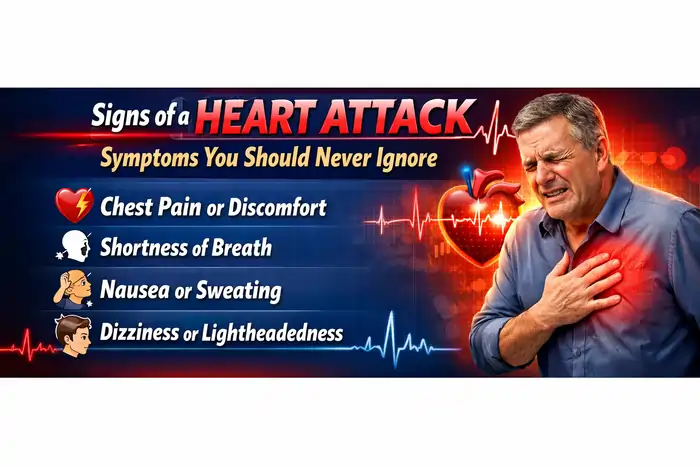
A heart attack, medically known as myocardial infarction, occurs when blood flow to part of the heart muscle becomes blocked, preventing oxygen from reaching heart tissue. Without immediate treatment, heart muscle cells begin to die, which can lead to permanent heart damage or death.
According to the World Health Organization, cardiovascular diseases are the leading cause of death globally—responsible for nearly 18 million deaths each year—with heart attacks representing a major portion of those deaths as described in the WHO’s cardiovascular diseases fact sheet.
In the United States, the Centers for Disease Control and Prevention estimates that someone experiences a heart attack approximately every 40 seconds, underscoring how widespread this problem is in its page on heart attack information.
Recognizing the early warning signs of a heart attack is critical because prompt medical attention significantly improves survival rates and reduces the risk of long-term complications. If you want a broader explanation of cardiovascular disease and how different heart conditions develop and can be prevented, you can naturally link phrases like “heart disease risk factors, symptoms, and prevention” to your main pillar guide on heart disease.
What Happens During a Heart Attack?
A heart attack typically occurs when a coronary artery becomes blocked. Most heart attacks result from coronary artery disease, a condition where plaque buildup narrows arteries that supply blood to the heart. When a plaque ruptures, a blood clot may form and completely block the artery. The National Heart, Lung, and Blood Institute explains that when oxygen-rich blood cannot reach heart tissue, heart muscle begins to die within minutes in its overview of what a heart attack is.
If you mention “the condition that most commonly causes heart attacks,” that’s a great place to link to your internal article on coronary artery disease explained, which walks through how plaque buildup impacts coronary arteries.
Why Early Recognition of Heart Attack Symptoms Matters
The sooner treatment begins, the greater the chance of saving heart muscle. According to the American Heart Association, prompt treatment in the first hour of a heart attack significantly improves survival and reduces complications, a point emphasized in its section on heart attacks and emergency treatment. Emergency treatments such as clot-dissolving medications, angioplasty, or stent placement can restore blood flow and limit damage.
However, delays often occur because people do not recognize symptoms or hesitate to seek help. Understanding early warning signs can quite literally save lives.
Most Common Warning Signs of a Heart Attack
Heart attack symptoms vary between individuals, but several signs are especially common.
Chest Pain or Pressure
Chest pain is the most recognizable heart attack symptom. People often describe the sensation as:
- pressure
- squeezing
- tightness
- heaviness
The discomfort may last several minutes or come and go. The CDC notes that chest pain or discomfort is the most common symptom of heart attack in its list of heart attack warning signs.
Shortness of Breath
Difficulty breathing may occur before or during chest discomfort. This happens because reduced blood flow limits the heart’s ability to pump oxygenated blood efficiently. Shortness of breath may occur:
- during activity
- while resting
- suddenly without warning
Pain Radiating to Other Areas
Heart attack pain often spreads beyond the chest. Common locations include:
- left arm
- shoulders
- neck
- jaw
- back
This referral pattern occurs because nerve signals from the heart travel along shared pathways in the nervous system.
Nausea or Vomiting
Some people experience stomach discomfort during a heart attack. Symptoms may include:
- nausea
- vomiting
- indigestion
- stomach pain
These signs are often mistaken for digestive problems, which can delay care.
Cold Sweats
Sudden sweating without physical exertion can be an early warning sign and may reflect the body releasing stress hormones during cardiovascular distress.
Fatigue or Weakness
Extreme fatigue may occur hours or days before a heart attack and is reported especially often among women.
Heart Attack Symptoms in Women
Women may experience different heart attack symptoms compared with men. According to the American Heart Association, women are more likely to have subtle symptoms that may be misinterpreted as less serious conditions, as described in its page on heart attack warning signs in women.
Common symptoms in women include:
- unusual fatigue
- nausea or vomiting
- dizziness
- shortness of breath
- back or jaw pain
- sleep disturbances
Because these symptoms may be less obvious than crushing chest pain, women sometimes delay seeking medical care.
Heart Attack Symptoms in Men
Men are more likely to experience what many people consider “classic” heart attack symptoms, such as:
- severe chest pain
- pressure in the chest
- pain radiating to the left arm
- shortness of breath
- sweating
That said, symptom patterns vary widely, and men can also present with less typical signs like fatigue, indigestion, or back discomfort.
Silent Heart Attacks
Some heart attacks occur without obvious or dramatic symptoms; these are known as silent heart attacks. The National Heart, Lung, and Blood Institute notes that silent heart attacks account for a significant percentage of events and may go unnoticed until discovered on tests like ECGs or imaging, as outlined in its materials on heart attack. Silent heart attacks are more common in:
- older adults
- people with diabetes
- individuals with previous heart disease
Risk Factors for Heart Attacks
Several conditions and habits increase the risk of heart attack. Major risk factors include:
- coronary artery disease
- high blood pressure
- high cholesterol
- smoking
- diabetes
- obesity
- sedentary lifestyle
- family history of heart disease
The CDC identifies these factors as key contributors to cardiovascular disease risk in its overview of heart disease risk factors. Reducing these risks through lifestyle changes and medical management is central to long-term prevention; where you mention “lowering cardiovascular risk,” you can link to your internal article that covers those lifestyle strategies in depth.
When to Seek Emergency Medical Help
A heart attack is always a medical emergency. Call emergency services immediately if you experience:
- chest pain lasting more than a few minutes
- chest pressure that spreads to arms, neck, jaw, or back
- sudden shortness of breath
- cold sweats
- dizziness or fainting
- nausea with chest discomfort
The American Heart Association emphasizes that calling emergency services is safer than driving yourself to the hospital because paramedics can begin treatment en route, a point stressed in its heart attack emergency guidance.
What to Do If Someone Is Having a Heart Attack
Immediate action can save lives. Recommended steps include:
- Call emergency services immediately.
- Help the person sit down and stay as calm as possible.
- Loosen tight clothing.
- If they have prescribed nitroglycerin, assist them in taking it as directed.
- If they lose consciousness and you are trained, begin CPR and use an AED if available.
Emergency responders may use defibrillation, oxygen, medications, and rapid transfer for procedures to stabilize the patient.
How Doctors Diagnose a Heart Attack
Doctors use several tests to confirm a heart attack, often starting them as soon as the patient arrives:
- Electrocardiogram (ECG): Measures electrical activity of the heart and shows patterns suggestive of ischemia or infarction.
- Blood tests: Detect cardiac biomarkers (like troponin) released when heart muscle is damaged.
- Echocardiogram: Uses ultrasound to visualize heart structure and motion.
- Coronary angiography: Identifies blocked coronary arteries using contrast dye and X-ray imaging.
The National Heart, Lung, and Blood Institute explains that these tests are essential for confirming diagnosis and guiding treatment in its section on heart attack diagnosis.
Treatment After a Heart Attack
Treatment focuses first on restoring blood flow quickly, then on preventing future events. Emergency treatments may include:
- clot-dissolving medications (thrombolytics)
- angioplasty
- stent placement
In more severe or complex cases, coronary artery bypass surgery may be required. Long-term treatment usually involves medications, cardiac rehabilitation, and heart-healthy lifestyle changes, all of which are discussed in detail in AHA resources on heart attack recovery and secondary prevention.
Preventing Heart Attacks
Heart attacks are often preventable. Key prevention strategies include:
- maintaining healthy blood pressure
- controlling cholesterol levels
- exercising regularly
- eating a balanced, heart-healthy diet
- quitting smoking
- managing diabetes effectively
The American Heart Association highlights that healthy lifestyle choices significantly reduce cardiovascular risk across its healthy living content.
The Role of Regular Health Screenings
Routine medical checkups help detect cardiovascular risk factors before they cause symptoms. Important screenings include:
- blood pressure measurement
- cholesterol testing
- blood glucose monitoring
- weight and BMI evaluation
The CDC highlights early detection and management of these factors as a key component of heart disease prevention in its page on preventing heart disease.
Frequently Asked Questions
What are the earliest warning signs of a heart attack?
Early symptoms may include chest discomfort, shortness of breath, unusual fatigue, nausea, and pain radiating to the arm, jaw, or back—even if the pain is not severe.
Are heart attack symptoms different in women?
Yes. Women are more likely to experience fatigue, nausea, dizziness, and back or jaw pain rather than the classic crushing chest pain, which AHA underscores in its guidance for women’s heart attack symptoms.
How long do heart attack symptoms last?
Symptoms may last several minutes or come and go. Persistent or recurring symptoms lasting longer than five minutes should always prompt emergency medical care.
Can a heart attack occur without chest pain?
Yes. Some individuals have silent heart attacks or experience symptoms such as fatigue, shortness of breath, or nausea without obvious chest pain, especially older adults and people with diabetes.
What should I do if I suspect a heart attack?
Call emergency services immediately rather than driving yourself. Early treatment significantly improves survival and reduces heart damage.
⚠️ Medical Disclaimer
The information provided on MedEduHub is for educational purposes only and does not replace professional medical advice, diagnosis, or treatment. If you experience chest pain, shortness of breath, dizziness, or symptoms of a possible heart attack, seek emergency medical care immediately. Always consult a licensed healthcare provider before making changes to your health care plan.
Written by: Eden Grace Ramos, RN
Sources: this article is informed by the World Health Organization cardiovascular disease fact sheet, CDC heart attack information, American Heart Association heart attack resources, and National Heart, Lung, and Blood Institute materials on heart attacks.