
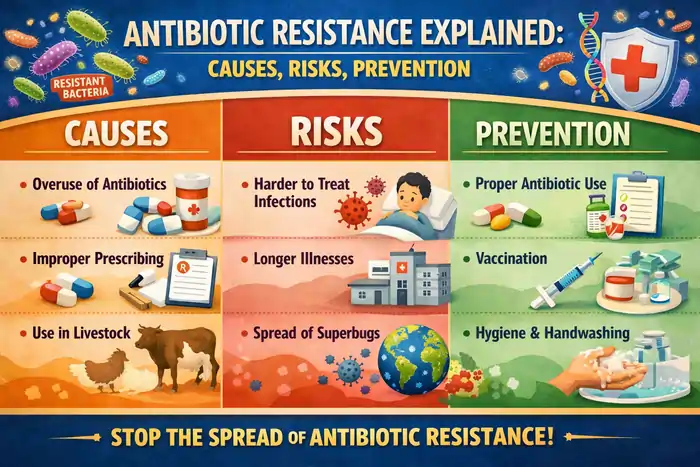
Antibiotics have been one of the most important medical breakthroughs in modern healthcare. Since the discovery of penicillin in 1928, antibiotics have saved millions of lives by effectively treating bacterial infections that were once deadly. However, the effectiveness of antibiotics is now threatened by a growing global health problem known as antibiotic resistance.
Antibiotic resistance occurs when bacteria evolve and develop the ability to survive antibiotic treatment. When this happens, infections that were once easily treated may become difficult or even impossible to cure. According to the World Health Organization, antimicrobial resistance—including antibiotic resistance—is one of the top global public health threats of the 21st century, leading to longer illnesses, higher mortality rates, and increased healthcare costs, as outlined in the WHO’s antimicrobial resistance fact sheet. Understanding how antibiotic resistance develops, why it matters, and how it can be prevented is essential for protecting both individual health and the effectiveness of modern medicine.
If you are new to the topic of antibiotics, you may first want to read our pillar guide on antibiotics and appropriate use.
What Is Antibiotic Resistance?
Antibiotic resistance occurs when bacteria change in ways that allow them to survive exposure to antibiotics that previously killed them. Instead of being destroyed by medication, resistant bacteria continue to grow and multiply. These drug-resistant bacteria can then spread to other people, making infections harder to treat.
Antibiotic resistance is part of a broader phenomenon called antimicrobial resistance (AMR), which includes resistance to medications used to treat infections caused by bacteria, viruses, fungi, and parasites. The Centers for Disease Control and Prevention estimates that drug-resistant infections affect millions of people each year and contribute to thousands of deaths in the United States alone, as summarized in the CDC’s antibiotic resistance overview. As antibiotic resistance spreads, doctors may have fewer treatment options available for serious infections.
How Antibiotic Resistance Develops
Bacteria are living organisms that can adapt to survive in changing environments. When bacteria are exposed to antibiotics, most of them may be killed, but some may survive due to natural genetic variations. These surviving bacteria can multiply and pass their resistance traits to other bacteria.
Several biological mechanisms contribute to antibiotic resistance:
- Genetic mutations – Random mutations in bacterial DNA may allow some bacteria to resist the effects of antibiotics.
- Horizontal gene transfer – Bacteria can share resistance genes with other bacteria through processes such as plasmid exchange.
- Selective pressure – When antibiotics are used frequently, bacteria that are resistant survive and become more common.
Over time, these processes lead to the emergence of drug-resistant bacteria.
Why Antibiotic Resistance Is a Global Health Threat
Antibiotic resistance has serious consequences for public health. According to the World Health Organization, antimicrobial resistance could undermine decades of medical progress if left unaddressed, a warning emphasized in its AMR fact sheet. Resistant infections can lead to:
- longer illness duration
- higher healthcare costs
- prolonged hospital stays
- increased risk of complications
- higher mortality rates
Drug-resistant bacteria can spread in hospitals, communities, and across borders through travel and global trade. The National Institutes of Health stresses that antibiotic resistance threatens the effectiveness of modern medical procedures such as surgery, cancer treatment, and organ transplantation, all of which rely on antibiotics to prevent infection, as discussed in NIH’s summary on antibiotic resistance and medical care.
Common Drug-Resistant Bacteria
Several antibiotic-resistant bacteria are particularly concerning in healthcare settings:
- MRSA (Methicillin-resistant Staphylococcus aureus) – Resistant to many commonly used antibiotics and capable of causing severe skin and bloodstream infections.
- Drug-resistant tuberculosis – Mycobacterium tuberculosis strains that have developed resistance to multiple antibiotics, making treatment more complex and prolonged.
- Carbapenem-resistant Enterobacteriaceae (CRE) – Sometimes called “nightmare bacteria” because they resist many last-line antibiotics.
- Vancomycin-resistant Enterococci (VRE) – Bacteria that can cause difficult-to-treat infections in hospitals.
The CDC classifies several of these pathogens as urgent antibiotic resistance threats in its report on biggest antibiotic resistance threats.
Causes of Antibiotic Resistance
Antibiotic resistance is influenced by factors related to human behavior, healthcare practices, and agriculture.
Overuse of Antibiotics
One of the most significant contributors to resistance is the overuse of antibiotics. When antibiotics are prescribed too frequently, bacteria are repeatedly exposed to these drugs, increasing the chances of resistance.
Misuse of Antibiotics
Misuse includes:
- taking antibiotics without prescription
- skipping doses
- stopping treatment early
- sharing antibiotics with others
Improper use reduces the effectiveness of treatment and encourages resistant strains.
Antibiotics for Viral Infections
Antibiotics do not treat viral illnesses such as:
- common cold
- influenza
- COVID-19
- viral bronchitis
The CDC highlights that unnecessary antibiotic use for viral infections contributes to resistance and should be avoided, a key message in its overview on when antibiotics are and aren’t needed. If you want to learn more about when antibiotics are actually needed, read our article on when antibiotics are necessary.
Antibiotic Use in Agriculture
Antibiotics are sometimes used in livestock production to prevent disease or promote growth. The World Health Organization has identified this practice as a contributor to antibiotic resistance worldwide in its antimicrobial resistance policy guidance.
How Antibiotic Resistance Spreads
Drug-resistant bacteria can spread in several ways:
- Person-to-person transmission – Through direct contact or close proximity to infected individuals.
- Healthcare settings – Hospitals and clinics can be hotspots for resistant bacteria if infection control is inadequate.
- Food supply – Contaminated food products from animals exposed to antibiotics can transmit resistant bacteria.
- Environment – Water systems and environmental contamination may also contribute to the spread of resistance.
Because antibiotic resistance can spread globally, it requires a coordinated international response.
Side Effects and Risks of Antibiotic Use
Although antibiotics are lifesaving medications, they can cause side effects. Common antibiotic side effects include:
- nausea
- diarrhea
- allergic reactions
- stomach discomfort
- skin rash
Antibiotics may also disrupt the balance of beneficial bacteria in the gut. In some cases, antibiotic use can lead to Clostridioides difficile infection, which causes severe diarrhea and inflammation of the colon. You can learn more about these risks in our article on side effects of antibiotics.
The U.S. Food and Drug Administration also provides consumer guidance on antibiotic safety in its patient information on antibiotics and their risks.
Antibiotic Stewardship
Antibiotic stewardship refers to coordinated efforts to improve how antibiotics are used. These programs aim to:
- prescribe antibiotics only when necessary
- choose the correct antibiotic
- use the appropriate dose and duration
Healthcare institutions worldwide have implemented stewardship programs to reduce resistance. The CDC’s Core Elements of Antibiotic Stewardship provide practical frameworks for hospitals and healthcare providers, detailed in its stewardship core elements.
How Individuals Can Help Prevent Antibiotic Resistance
Preventing antibiotic resistance requires action from healthcare providers, policymakers, and the public. Individuals can help by:
- Only taking antibiotics when prescribed – Never taking antibiotics without medical advice.
- Completing the full course of treatment – Stopping antibiotics early may allow bacteria to survive and develop resistance.
- Not sharing antibiotics – Medications prescribed for one person may not be appropriate for another.
- Practicing infection prevention – Handwashing, respiratory hygiene, and safe food handling reduce the spread of bacteria.
- Staying up to date on vaccinations – Vaccines help prevent infections that might otherwise require antibiotics.
Global Efforts to Combat Antibiotic Resistance
International organizations are working together to address antibiotic resistance. The WHO Global Action Plan on Antimicrobial Resistance focuses on improving awareness, surveillance, infection prevention, and research, building on priorities described in WHO’s AMR strategy documents. Governments, healthcare institutions, and researchers are collaborating to develop new antibiotics, improve diagnostic tools, and promote better prescribing practices.
The NIH and other research institutions are funding studies to better understand antibiotic resistance and develop innovative treatments, reflected in NIH’s ongoing antibiotic resistance research highlights.
Key Takeaways | Antibiotic Resistance Explained
Antibiotic resistance occurs when bacteria develop the ability to survive antibiotics that once killed them. This growing global health threat can lead to infections that are harder to treat, longer illnesses, and increased healthcare costs. Responsible antibiotic use, infection prevention, vaccination, and global cooperation are essential to slowing the spread of resistance. By understanding how antibiotic resistance develops and following responsible antibiotic practices, individuals can help protect these life-saving medications for future generations.
Medical Disclaimer
This article is intended for educational purposes only and should not replace professional medical advice, diagnosis, or treatment. Always consult a qualified healthcare professional for personalized medical guidance regarding infections, antibiotics, or other health concerns.
Written by: Eden Grace Ramos, RN
Medical Resources
This article references guidance and research from trusted global health organizations to ensure accurate and evidence-based information. Key resources include the World Health Organization’s antimicrobial resistance fact sheet, the CDC’s antibiotic resistance resources, infectious disease research from the National Institutes of Health, and safety guidance from the FDA’s antibiotic education page. These organizations provide clinical guidance widely used by healthcare professionals worldwide.