
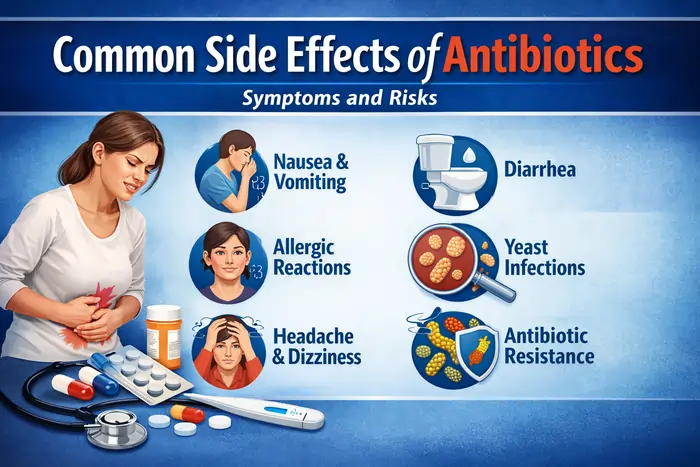
Antibiotics are among the most widely used medications in modern healthcare. Since their discovery in the early twentieth century, antibiotics have helped treat life-threatening bacterial infections and significantly reduced mortality from infectious diseases. However, like all medications, antibiotics can cause side effects. Understanding the potential side effects of antibiotics helps patients use these medications safely and recognize when medical attention may be necessary.
While most antibiotic side effects are mild and temporary, some reactions may be more serious and require medical evaluation. According to the Centers for Disease Control and Prevention, antibiotics should be used only when medically necessary because unnecessary use can increase the risk of adverse reactions and contribute to antibiotic resistance, a point emphasized in the CDC’s antibiotic prescribing and use resources. If you would like a broader overview of how antibiotics work and why responsible use is important, you can read our main guide on antibiotics and appropriate use.
This article explains the most common antibiotic side effects, why they occur, and how to manage them safely.
What Are Antibiotics?
Antibiotics are medications used to treat infections caused by bacteria. They work by either killing bacteria directly or preventing them from multiplying so the immune system can eliminate the infection. Common antibiotics include:
- penicillin
- amoxicillin
- azithromycin
- doxycycline
- ciprofloxacin
- cephalexin
These medications belong to different antibiotic classes such as penicillins, macrolides, tetracyclines, fluoroquinolones, and cephalosporins, and each class targets bacteria in different ways. According to the National Institutes of Health, antibiotics are essential for treating bacterial infections such as pneumonia, urinary tract infections, and bacterial meningitis, as described in NIH infectious disease resources. However, antibiotics are not effective against viral illnesses such as the common cold, influenza, or COVID‑19.
To learn more about when antibiotics are medically necessary, you can read our guide on when antibiotics are necessary.
Why Antibiotics Cause Side Effects
Antibiotics work by targeting bacteria in the body. However, these medications can sometimes affect beneficial bacteria, especially those living in the digestive system. The human body contains trillions of microorganisms known as the microbiome, many of which play important roles in digestion, immunity, and overall health. When antibiotics disrupt this microbial balance, side effects such as digestive problems, diarrhea, or yeast infections may occur.
Research supported by the National Institutes of Health shows that antibiotic use can temporarily alter the gut microbiome, although it usually recovers over time, as highlighted in NIH’s summary on how antibiotics affect the gut microbiome.
Most Common Side Effects of Antibiotics
Although antibiotic reactions vary depending on the medication and the individual patient, several side effects are commonly reported.
1. Digestive Problems
Digestive issues are among the most frequently reported antibiotic side effects. Symptoms may include:
- nausea
- vomiting
- stomach discomfort
- abdominal pain
- loss of appetite
These symptoms occur because antibiotics can disrupt normal gut bacteria that assist with digestion. Digestive side effects are usually mild and improve after completing antibiotic treatment.
2. Antibiotic-Associated Diarrhea
Diarrhea is another common antibiotic side effect. It occurs when antibiotics disturb the balance of bacteria in the intestines. Most cases are mild and temporary. However, in some situations, antibiotics can allow harmful bacteria such as Clostridioides difficile (C. diff) to grow in the intestines.
According to the CDC, C. diff infection can cause severe diarrhea and inflammation of the colon, particularly after antibiotic use, as explained in its overview of C. diff infections. Symptoms of C. diff infection include:
- severe diarrhea
- fever
- abdominal pain
- dehydration
Severe symptoms should be evaluated by a healthcare professional promptly.
3. Allergic Reactions
Some people may experience allergic reactions to antibiotics. These reactions can range from mild skin irritation to severe immune responses. Common allergic symptoms include:
- skin rash
- itching
- hives
- swelling
- breathing difficulty
Penicillin allergies are among the most commonly reported antibiotic allergies. The U.S. Food and Drug Administration advises patients to seek medical attention if symptoms of a severe allergic reaction occur after taking antibiotics, guidance summarized on its antibiotic safety page. Severe allergic reactions, known as anaphylaxis, require emergency medical care.
4. Yeast Infections
Antibiotics can sometimes lead to fungal infections, particularly yeast infections. This occurs because antibiotics kill bacteria that normally help keep yeast growth under control. Women may develop vaginal yeast infections after antibiotic use.
Symptoms may include:
- itching
- irritation
- abnormal discharge
These infections are usually treatable with antifungal medications.
5. Skin Sensitivity and Photosensitivity
Some antibiotics, particularly tetracyclines and fluoroquinolones, can make the skin more sensitive to sunlight, a reaction known as photosensitivity. Symptoms may include:
- sunburn-like skin reactions
- redness
- blistering after sun exposure
Patients taking these antibiotics should limit sun exposure and use sunscreen as advised by their healthcare provider.
6. Headaches and Dizziness
Certain antibiotics may cause neurological side effects such as:
- headaches
- dizziness
- fatigue
These symptoms are typically mild and temporary. However, persistent or severe symptoms should be discussed with a healthcare provider.
7. Drug Interactions
Antibiotics can sometimes interact with other medications. Potential interactions may involve:
- blood thinners
- birth control pills
- antacids
- certain heart medications
Drug interactions may reduce medication effectiveness or increase side effects. Patients should always inform healthcare providers about all medications and supplements they are taking before starting antibiotics.
Rare but Serious Antibiotic Side Effects
Although uncommon, some antibiotic reactions can be serious. Examples include:
- severe allergic reactions
- liver toxicity
- kidney damage
- nerve damage
Fluoroquinolone antibiotics, for example, have been associated with rare complications affecting tendons, muscles, and nerves, which has led to safety warnings from the FDA on cautious use of these medications.
Antibiotic Resistance and Side Effects
Overuse of antibiotics not only increases side effects but also contributes to antibiotic resistance. Antibiotic resistance occurs when bacteria evolve and become resistant to medications designed to kill them. The World Health Organization identifies antimicrobial resistance as one of the greatest global health threats, underscored in its AMR fact sheet.
To better understand this issue, read our article on antibiotic resistance explained. Reducing unnecessary antibiotic use helps prevent both resistance and avoidable side effects.
How to Reduce the Risk of Antibiotic Side Effects
Patients can reduce the risk of antibiotic reactions by following safe medication practices. Healthcare experts recommend:
- taking antibiotics exactly as prescribed
- completing the full course of treatment
- avoiding alcohol if advised
- staying hydrated
- informing doctors of allergies or past reactions
Proper antibiotic use helps ensure the medication works effectively while minimizing risks. CDC’s “Be Antibiotics Aware” campaign reinforces these principles in its patient education resources on safe antibiotic use.
When to Contact a Doctor
Patients should contact a healthcare provider if they experience:
- severe diarrhea
- persistent vomiting
- severe rash
- swelling or breathing difficulty
- worsening symptoms
These symptoms may indicate a serious reaction that requires medical evaluation.
Key Takeaways | Common Side Effects of Antibiotics
Antibiotics are powerful medications that save lives by treating bacterial infections. However, they can also cause side effects, particularly digestive issues, allergic reactions, and changes in gut bacteria. Most antibiotic side effects are mild and temporary, but some reactions may require medical attention. Using antibiotics responsibly and following medical guidance helps reduce both side effects and antibiotic resistance.
Frequently Asked Questions
What are the most common antibiotic side effects?
Common antibiotic side effects include nausea, diarrhea, stomach discomfort, skin rash, and yeast infections.
Can antibiotics cause stomach problems?
Yes. Antibiotics can disrupt the balance of bacteria in the digestive system, leading to nausea, stomach pain, or diarrhea.
Are antibiotic allergies common?
Allergic reactions can occur, particularly with penicillin. Symptoms may include rash, itching, or swelling, and severe reactions require urgent care.
Can antibiotics affect gut health?
Yes. Antibiotics may temporarily alter the gut microbiome by reducing beneficial bacteria, although it often recovers over time.
When should I stop taking antibiotics?
Patients should only stop antibiotics if instructed by a healthcare professional. Stopping too early may increase the risk of treatment failure and resistance.
Medical Disclaimer
This article is intended for educational purposes only and should not replace professional medical advice, diagnosis, or treatment. Always consult a qualified healthcare professional for personalized medical guidance regarding infections, antibiotics, or other health concerns.
Written by: Eden Grace Ramos, RN
Content is based on current clinical guidelines and peer-reviewed research.
Medical Resources
This article references evidence-based guidance from trusted global health authorities to ensure accuracy and clinical relevance. Key resources include the World Health Organization’s antimicrobial resistance fact sheet, the CDC’s antibiotic use resources, research from the National Institutes of Health on antibiotic effects and infectious disease treatment, and safety guidance from the FDA’s antibiotic education page. These organizations provide evidence-based recommendations widely used by healthcare professionals worldwide.