
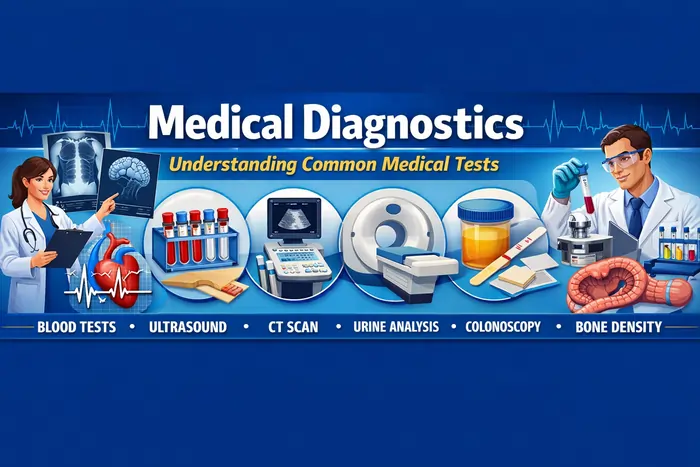
Medical diagnostics play a critical role in modern healthcare. From routine blood tests to advanced imaging scans, diagnostic tests help healthcare professionals detect diseases, monitor health conditions, and guide treatment decisions. Without diagnostic testing, many illnesses would remain undetected until symptoms become severe.
Medical diagnostic tools allow doctors to evaluate how the body is functioning and identify abnormalities before they develop into serious health problems. According to the World Health Organization, diagnostic testing is essential for disease detection, treatment planning, and monitoring health outcomes across healthcare systems worldwide; accurate diagnostics also support public health surveillance and disease prevention efforts, as outlined in the WHO’s diagnostics and health systems resources. Understanding how diagnostic tests work can help patients feel more confident and informed when undergoing medical evaluation. Diagnostic tests are used in hospitals, clinics, laboratories, and preventive healthcare settings to assess a wide range of medical conditions.
This guide explains how medical diagnostics work, the most common diagnostic tests used in healthcare, and how these tests help doctors diagnose and monitor disease.
What Are Medical Diagnostics?
Medical diagnostics refer to tests and procedures used to identify diseases, monitor health conditions, and evaluate how well the body is functioning. Diagnostic tests provide objective medical information that helps healthcare providers make accurate diagnoses. Doctors use diagnostic tests to:
- detect diseases early
- confirm medical diagnoses
- monitor treatment effectiveness
- evaluate organ function
- screen for health conditions
Examples of diagnostic tests include blood tests, urine tests, imaging scans, biopsies, and genetic tests. According to the Centers for Disease Control and Prevention, diagnostic testing is essential for identifying infectious diseases, chronic conditions, and metabolic disorders; laboratory testing helps healthcare providers detect illnesses early and guide treatment decisions, as described in CDC’s laboratory services overview.
Why Diagnostic Tests Are Important
Diagnostic tests provide valuable medical insights that cannot always be determined through symptoms alone. Many diseases develop gradually and may not cause noticeable symptoms in the early stages.
Medical diagnostics help healthcare providers:
- Detect disease early – Early detection allows doctors to identify conditions such as cancer, diabetes, and cardiovascular disease before complications develop.
- Confirm diagnoses – Symptoms alone are often not enough to diagnose a condition; diagnostic tests help confirm the presence of specific diseases.
- Monitor health conditions – Patients with chronic conditions such as hypertension or diabetes require regular testing to monitor their health.
- Evaluate treatment effectiveness – Diagnostic tests help determine whether treatments are working as expected.
The American Heart Association highlights the importance of diagnostic testing in detecting cardiovascular disease risk factors such as high cholesterol, high blood pressure, and diabetes in its heart health and screening resources.
Types of Medical Diagnostic Tests
Healthcare providers use several categories of diagnostic tests to evaluate health conditions.
1. Laboratory Tests
Laboratory tests analyze samples of blood, urine, or other body fluids to assess how organs and biological systems are functioning. Common laboratory tests include:
- blood tests
- urine tests
- hormone tests
- metabolic panels
- cholesterol tests
Laboratory diagnostics can measure substances such as glucose levels, cholesterol levels, hormones, electrolytes, and kidney function markers. Blood testing is one of the most common diagnostic tools in medicine. To learn more about how blood tests work and what the results mean, read our guide on understanding blood tests.
2. Imaging Tests
Medical imaging tests allow doctors to see inside the body without surgery. Common imaging tests include:
- X‑rays
- CT scans
- MRI scans
- ultrasound
- PET scans
These imaging techniques help doctors evaluate organs, bones, tissues, and blood vessels. For example, X‑rays detect bone fractures, CT scans provide detailed cross-sectional images, and MRI scans visualize soft tissues such as the brain and spinal cord. If you want to understand the differences between imaging technologies, read our article on MRI vs CT scan.
3. Screening Tests
Screening tests are used to detect diseases before symptoms appear. Examples include:
- mammograms for breast cancer
- colonoscopy for colorectal cancer
- cholesterol screening
- blood pressure testing
Screening tests are especially important for identifying diseases at an early stage when treatment is more effective. The CDC recommends regular screening tests for many conditions, including cancer and cardiovascular disease risk factors, in its prevention and screening guidance.
4. Biopsy and Tissue Testing
A biopsy involves removing a small sample of tissue for laboratory analysis. Biopsies help doctors diagnose:
- cancer
- inflammatory diseases
- infections
Pathologists examine tissue samples under a microscope to detect abnormal cells.
5. Genetic Testing
Genetic tests analyze DNA to identify inherited conditions or genetic mutations associated with disease. Genetic testing may be used to:
- identify hereditary diseases
- determine cancer risk
- guide personalized medicine
Advances in genomics have significantly expanded the role of genetic testing in modern medicine.
Common Blood Tests Used in Diagnostics
Blood tests provide important information about overall health and organ function. Common blood tests include:
- Complete Blood Count (CBC) – Measures different types of blood cells, including red blood cells, white blood cells, and platelets; helps detect infections, anemia, and blood disorders.
- Basic Metabolic Panel (BMP) – Measures substances such as glucose, calcium, electrolytes, and kidney function markers.
- Lipid Panel – Measures cholesterol levels, including LDL cholesterol, HDL cholesterol, and triglycerides; helps assess cardiovascular risk.
The American Heart Association emphasizes cholesterol testing as an important diagnostic tool for heart disease prevention.
Imaging Diagnostics in Modern Medicine
Medical imaging has revolutionized diagnostic medicine by allowing doctors to view internal structures of the body.
- X‑ray – Commonly used to detect bone fractures, lung infections, and dental problems.
- CT scan – Combines multiple X‑ray images to create detailed cross-sectional images; helps diagnose internal bleeding, tumors, and infections.
- MRI scan – Uses magnetic fields and radio waves to produce highly detailed images of soft tissues; often used to evaluate brain disorders, spinal injuries, and joint problems.
For a detailed comparison of imaging technologies, see our article on MRI vs CT scan.
Preparing for Diagnostic Tests
Some diagnostic tests require preparation to ensure accurate results. Preparation may include:
- fasting before blood tests
- avoiding certain medications
- drinking water before imaging tests
Proper preparation helps ensure that test results are reliable. For detailed guidance on preparing for diagnostic procedures, read our article on how to prepare for lab testing.
How Doctors Interpret Diagnostic Test Results
Interpreting diagnostic test results requires medical expertise and context. Doctors consider several factors when evaluating results:
- patient medical history
- symptoms
- test accuracy
- normal reference ranges
Laboratory tests often include reference ranges that indicate typical values for healthy individuals. Results outside the reference range do not always indicate disease, but they may require further evaluation and sometimes repeat testing or additional diagnostics.
Limitations of Diagnostic Testing
Although diagnostic tests are powerful medical tools, they are not always perfect. Limitations may include:
- false positive results
- false negative results
- variability in laboratory measurements
For this reason, doctors often use multiple diagnostic methods and repeat testing to confirm a diagnosis and avoid unnecessary treatment.
The Role of Diagnostics in Preventive Medicine
Preventive healthcare focuses on detecting health problems before symptoms develop. Examples of preventive diagnostic tests include:
- blood pressure screening
- cholesterol testing
- diabetes screening
- cancer screening
Preventive diagnostics can significantly reduce disease complications and improve long-term health outcomes by catching problems early.
Future Advances in Medical Diagnostics
Advances in technology are transforming diagnostic medicine. Emerging innovations include:
- artificial intelligence in diagnostic imaging
- molecular diagnostics (such as PCR and next-generation sequencing)
- wearable health monitoring devices
- personalized medicine based on genetic and biomarker profiles
These technologies may allow doctors to diagnose diseases earlier and more accurately, improving outcomes and enabling more tailored treatments.
Key Takeaways | Medical Diagnostics
Medical diagnostics are essential tools that help healthcare providers detect disease, monitor health conditions, and guide treatment decisions. Common diagnostic methods include laboratory tests, imaging scans, screening tests, biopsies, and genetic testing. Understanding how these tests work can help patients feel more informed and prepared when undergoing medical evaluation. Early detection through diagnostic testing plays a critical role in improving health outcomes and preventing disease complications.
Medical Disclaimer
This article is intended for educational purposes only and should not replace professional medical advice, diagnosis, or treatment. Always consult a qualified healthcare professional for personalized medical guidance regarding diagnostic tests, health conditions, or treatment decisions.
Written by: Eden Grace Ramos, RN
Medical Resources
This article references evidence-based information from trusted global health authorities to ensure clinical accuracy and reliability. Key resources include the World Health Organization’s diagnostics and health systems resources, the CDC’s laboratory testing guidance, cardiovascular screening recommendations from the American Heart Association, and diagnostic research from the National Institutes of Health. These organizations provide clinical guidance and public health recommendations widely used by healthcare professionals worldwide.