
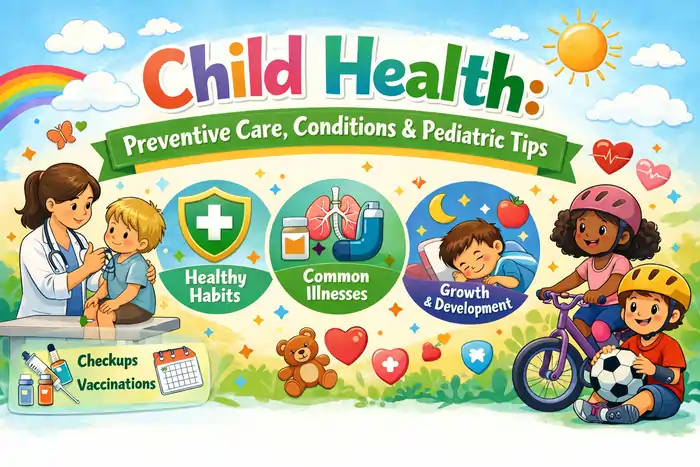
Child health is a critical aspect of overall well-being, shaping not only a child’s physical development but also their cognitive, emotional, and social growth. From infancy through adolescence, children undergo rapid developmental changes that require proper nutrition, preventive care, and timely medical attention.
According to global health organizations such as the World Health Organization (WHO) and the Centers for Disease Control and Prevention (CDC), preventive healthcare in childhood plays a vital role in reducing disease risk, improving long-term health outcomes, and supporting healthy development, as emphasized in WHO’s child health guidance on child health and CDC child development pages on child development. Early intervention, vaccination, and routine monitoring are key components of pediatric care. This comprehensive guide explains essential aspects of child health, including preventive care strategies, developmental milestones, common childhood illnesses, and when to seek medical attention.
Understanding Child Health and Development
Child health refers to the physical, mental, and emotional well-being of infants, children, and adolescents. Unlike adults, children are still developing, which makes them more vulnerable to infections, nutritional deficiencies, and developmental disorders.
Healthy Development Domains
Healthy development includes:
Physical growth (height, weight, organ development)
Cognitive development (learning, memory, language)
Emotional and behavioral development
Social interaction skills
Importance of Early Childhood
The early years of life are especially important. According to WHO child development resources, early childhood is a critical period for brain development, and proper care during this stage can influence lifelong health outcomes, as outlined in WHO’s nurturing care framework on nurturing care for early childhood development.
Developmental Milestones Resource
To better understand developmental progress, refer to this guide:
👉 Developmental Milestones Guide (MedEduHub), which complements CDC’s milestone tools on Healthy Habits: Child Development.
Importance of Preventive Care in Children
Preventive care focuses on maintaining health and preventing disease before it occurs. This includes regular health checkups, vaccinations, proper nutrition, and healthy lifestyle habits.
Routine Pediatric Checkups
Regular visits to a pediatrician help monitor:
Growth and development
Nutritional status
Behavioral and emotional health
Early signs of illness
The CDC emphasizes that routine checkups allow early detection of potential health problems, improving outcomes through timely intervention, as reflected in its preventive services and well-child visit information on preventive care benefits for children.[healthcare]
Vaccinations and Immunization
Vaccination is one of the most effective ways to protect children from serious infectious diseases.
Common Vaccines
Common vaccines include:
Measles, mumps, and rubella (MMR)
Diphtheria, tetanus, and pertussis (DTaP)
Polio
Hepatitis B
Influenza
Vaccines work by stimulating the immune system to recognize and fight harmful pathogens.
Vaccination Schedule Resource
For a detailed schedule, see:
👉 Pediatric Vaccination Schedule (MedEduHub), which aligns with CDC’s child and adolescent immunization schedule available under preventive services for children.
The CDC and WHO strongly recommend following national immunization schedules to prevent outbreaks and protect community health, as reiterated in WHO child health goals on child health and development.
Nutrition and Healthy Growth
Proper nutrition is essential for a child’s growth, brain development, and immune function.
Key Nutrients for Children
Children need a balanced diet that includes:
Proteins – support growth and tissue repair
Carbohydrates – provide energy
Healthy fats – essential for brain development
Vitamins and minerals – support immunity and organ function
The American Heart Association (AHA) recommends diets rich in fruits, vegetables, whole grains, and lean proteins to support overall health, as described in its dietary guidance on nutrition for healthy children.[heart]
Breastfeeding and Early Nutrition
For infants, breastfeeding provides essential nutrients and antibodies that protect against infections. WHO recommends exclusive breastfeeding for the first six months of life, followed by continued breastfeeding with complementary foods, consistent with its infant-feeding advice in broader child health policies on child health.
Common Childhood Conditions
Children frequently experience a range of illnesses due to their developing immune systems. While many conditions are mild, some require medical attention.
Fever in Children
Fever is one of the most common symptoms in childhood. It is usually a sign that the body is fighting an infection.
Common Causes of Fever
Common causes include:
Viral infections
Bacterial infections
Vaccination response
Parents should monitor:
Temperature level
Duration of fever
Associated symptoms
Fever Guidance Resource
Learn when to be concerned:
👉 Childhood Fever: When to Worry (MedEduHub), which reflects common red-flag criteria used in pediatric practice.
Respiratory Infections
Children are prone to respiratory illnesses such as:
Common cold
Influenza
Bronchitis
Pneumonia
Symptoms may include coughing, runny nose, fever, and breathing difficulty. The CDC highlights that respiratory infections are among the leading causes of pediatric doctor visits worldwide, as discussed in its child development and health pages on Child Development.
Skin Conditions
Children may develop skin conditions such as:
Eczema
Diaper rash
Fungal infections
Allergic reactions
Proper hygiene and skincare can help prevent many of these issues, aligning with dermatologic prevention advice found in general child health resources from WHO on child health.
Gastrointestinal Problems
Digestive issues are also common in children.
Examples of GI Problems
Examples include:
Diarrhea
Constipation
Vomiting
Food intolerance
The WHO notes that diarrheal diseases remain a major concern globally but can often be prevented with proper sanitation and hygiene, as described in its broader preventive strategies for children under five in guideline summaries on WHO guidelines and tools that support early childhood.
Childhood Developmental Milestones
Monitoring developmental milestones helps ensure that children are growing and learning appropriately.
Key Developmental Areas
Key Developmental Areas
Motor skills (walking, crawling)
Language skills (speaking, understanding)
Cognitive skills (problem-solving)
Social skills (interaction, behavior)
Delays in these areas may indicate developmental disorders and should be evaluated by a healthcare professional.
Milestones Guide Resource
Explore detailed milestones here:
👉 Developmental Milestones Guide (MedEduHub), which fits within the monitoring and screening approach outlined by CDC on Healthy Habits: Child Development.
Mental and Emotional Health in Children
Mental health is just as important as physical health.
Common Mental and Emotional Concerns
Children may experience:
Anxiety
Behavioral issues
Attention difficulties
Emotional stress
The CDC emphasizes the importance of supportive environments, strong family relationships, and early intervention in promoting mental well-being, consistent with its resources on developmental and behavioral support on Child Development.
Preventing Illness in Children
Prevention strategies can significantly reduce the risk of illness.
Hygiene Practices
Regular handwashing
Proper food handling
Clean living environment
Healthy Lifestyle Habits
Balanced diet
Regular physical activity
Adequate sleep
Vaccination
Following recommended schedules protects against preventable diseases, an approach reinforced in preventive-care evidence reviews such as the systematic overview of pediatric preventive strategies on Preventive Strategies for Pediatric Health in Primary Healthcare.
When to Seek Medical Care
Parents should seek medical attention if a child experiences:
High or persistent fever
Difficulty breathing
Severe vomiting or diarrhea
Signs of dehydration
Unusual behavior or lethargy
Delayed development
Early medical evaluation can prevent complications and improve recovery outcomes, consistent with well-child screening and warning-sign guidance in preventive care recommendations on Preventive care for children and adults.
Role of Parents and Caregivers
Parents and caregivers play a vital role in maintaining child health.
Key Responsibilities of Caregivers
Key responsibilities include:
Monitoring growth and development
Ensuring proper nutrition
Following vaccination schedules
Recognizing early signs of illness
Providing emotional support
Public health and pediatric literature highlight parental education and engagement as essential components of preventive strategies, as shown in research on parental education within pediatric prevention programs on Preventive Strategies for Pediatric Health in Primary Healthcare.
Public Health and Child Wellness
Organizations such as WHO, CDC, and NIH emphasize that child health is a global priority.
Core Public Health Strategies
Public health strategies include:
Immunization programs
Nutrition initiatives
Disease prevention campaigns
Health education
These efforts aim to reduce childhood illness and improve survival rates worldwide, reflecting goals such as “survive and thrive” articulated in regional child health summaries on Child Health – PAHO/WHO.
Frequently Asked Questions (FAQ)
What is child preventive care?
Child preventive care includes regular checkups, vaccinations, and healthy lifestyle practices that help prevent illness and support development, as supported by preventive-service lists in resources like preventive care benefits for children.
Why are vaccines important for children?
Vaccines protect children from serious diseases by strengthening the immune system, preventing infections such as measles, polio, and whooping cough in line with WHO and CDC immunization recommendations discussed under child health.
What are common childhood illnesses?
Common illnesses include fever, respiratory infections, skin conditions, and digestive problems, which are frequently highlighted across child health overviews from WHO and CDC, including Child Health and Development and Child Development.
How can I improve my child’s health?
Provide balanced nutrition, ensure proper hygiene, follow vaccination schedules, and seek medical care when needed, echoing preventive frameworks summarized in pediatric primary-care reviews on Preventive Strategies for Pediatric Health in Primary Healthcare.
When should I worry about my child’s symptoms?
Seek medical attention for severe symptoms such as high fever, breathing difficulty, or persistent illness, consistent with well-child and emergency warning guidance found in preventive-care documents like Preventive care for children and adults.
Conclusion
Child health is a lifelong foundation that begins in early childhood. Preventive care, proper nutrition, timely vaccination, and awareness of common conditions are essential for ensuring healthy growth and development. By understanding the needs of children and recognizing early signs of illness, parents and caregivers can make informed decisions that support long-term well-being.
Medical Disclaimer
This article is intended for educational and informational purposes only. It does not replace professional medical advice, diagnosis, or treatment. Always consult a qualified physician or healthcare provider regarding any medical condition, symptoms, or treatment decisions. Never ignore medical advice or delay seeking care because of information you have read online.
Content is based on current clinical guidelines and peer-reviewed medical research.
Written by: Eden Grace Ramos, RN
Medical Resources
This article is based on guidance and research from:
World Health Organization (WHO)
Centers for Disease Control and Prevention (CDC)
National Heart, Lung, and Blood Institute (NHLBI)
National Institutes of Health (NIH)
American Heart Association (AHA)
These organizations provide evidence-based guidance on child health, disease prevention, nutrition, and pediatric care.