
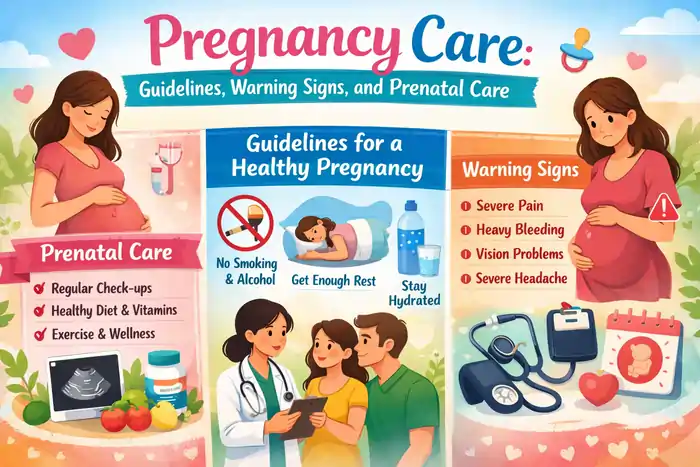
Pregnancy is a critical period that requires careful attention to maternal health, fetal development, and preventive care. Proper pregnancy care—also known as prenatal care—helps ensure the safety of both the mother and the developing baby by monitoring health, identifying potential complications early, and supporting healthy lifestyle practices. Pregnancy involves complex physiological changes that affect nearly every organ system, making regular medical supervision essential.
According to the World Health Organization’s antenatal care recommendations, quality prenatal care reduces maternal and neonatal mortality by improving early detection of complications such as preeclampsia, gestational diabetes, infections, and fetal growth problems. WHO emphasizes that pregnant individuals should receive regular antenatal visits, nutritional support, and education to promote healthy pregnancy outcomes.
In the United States, the Centers for Disease Control and Prevention (CDC) reports that timely prenatal care is associated with reduced risks of preterm birth, low birth weight, and pregnancy-related complications. The CDC also highlights that maternal health conditions such as hypertension, diabetes, and obesity can increase risks during pregnancy and should be closely monitored.
Clinical guidance from institutions such as the National Institutes of Health (NIH) and the American Heart Association (AHA) further emphasizes the importance of managing cardiovascular health, blood pressure, and metabolic conditions during pregnancy, as these factors significantly influence both maternal and fetal outcomes. Understanding pregnancy care guidelines, recognizing warning signs, and following recommended medical advice are essential for ensuring a safe and healthy pregnancy.
Understanding Pregnancy and Body Changes
Pregnancy triggers significant physical, hormonal, and emotional changes as the body adapts to support fetal development.
Common Physiological Changes
Common physiological changes include:
- hormonal fluctuations (estrogen and progesterone increase)
- increased blood volume
- changes in heart rate and blood pressure
- weight gain
- expansion of the uterus
- breast changes
- changes in digestion
- fluid retention
- fatigue
The National Institute of Child Health and Human Development (NICHD) explains that these changes support fetal growth but may also cause symptoms such as nausea, swelling, and back pain.
Stages of Pregnancy
Pregnancy is divided into three trimesters, each with distinct developmental milestones.
First Trimester (Weeks 1–12)
During the first trimester:
- fertilization and implantation occur
- major organs begin forming
- hormone levels rise rapidly
Common symptoms include:
- nausea and vomiting (morning sickness)
- fatigue
- breast tenderness
- frequent urination
Second Trimester (Weeks 13–26)
The second trimester is often more comfortable.
Changes include:
- fetal movement begins
- decreased nausea
- visible baby bump
Third Trimester (Weeks 27–40)
The third trimester involves rapid fetal growth.
Common symptoms include:
- shortness of breath
- back pain
- swelling
- Braxton Hicks contractions
You can explore detailed guidance in our MedEduHub resource:
Prenatal Care by Trimester
Importance of Prenatal Care
Prenatal care includes regular checkups, screenings, and education to support maternal and fetal health.
Key Benefits of Prenatal Care
Key benefits include:
- monitoring fetal development
- detecting complications early
- managing maternal conditions
- providing nutritional guidance
- offering vaccination and infection prevention
The CDC’s information on prenatal care and birth outcomes emphasizes that early and consistent prenatal visits improve outcomes for both mother and baby.
Common Pregnancy Symptoms
Pregnancy symptoms vary but commonly include:
- nausea and vomiting
- fatigue
- mood changes
- heartburn
- constipation
- back pain
- swelling (edema)
- headaches
- frequent urination
While many symptoms are normal, some may indicate complications and should be evaluated by a healthcare provider.
Nutrition During Pregnancy
Proper nutrition is essential for fetal development and maternal health.
Key nutrients include:
- folic acid (prevents neural tube defects)
- iron (supports blood production)
- calcium (bone development)
- protein (tissue growth)
- omega-3 fatty acids (brain development)
The World Health Organization’s maternal nutrition guidance emphasizes balanced diets, micronutrient supplementation when needed, and adequate hydration to reduce risks such as anemia, low birth weight, and preeclampsia.
Safe Medications During Pregnancy
Medication use during pregnancy must be carefully evaluated. Some medications may harm the fetus, while others are considered safe.
General Medication Safety Guidelines
General guidelines include:
- avoid self-medication
- consult healthcare providers before taking drugs
- review prescription and over-the-counter medications
The CDC’s and NIH-supported guidance on medication safety in pregnancy highlights the importance of evaluating risks and benefits before using medications and notes that many commonly used medicines are safe when used appropriately.
You can learn more in our guide:
Safe Medications During Pregnancy
Common Pregnancy Complications
Some pregnancies may develop complications that require medical attention.
Gestational Diabetes
Gestational diabetes is a type of diabetes that develops during pregnancy and can increase the risk of high birth weight, cesarean birth, and future type 2 diabetes.
Preeclampsia
Preeclampsia is a condition characterized by high blood pressure and organ damage, often involving the kidneys or liver, and may lead to serious complications if untreated.
Preterm Labor
Preterm labor is labor that begins before 37 weeks of pregnancy and is associated with higher risks of neonatal complications and long-term developmental issues.childstats+1
Infections
Infections such as urinary tract infections, influenza, or COVID-19 may affect pregnancy outcomes, and timely diagnosis and treatment are important for reducing risks.
The CDC’s maternal health programs and related research emphasize early detection and treatment of these conditions to improve pregnancy outcomes.
Recognizing warning signs is critical for preventing complications.
Emergency Symptoms
Emergency symptoms include:
- severe abdominal pain
- heavy vaginal bleeding
- severe headaches
- blurred vision
- swelling of face or hands
- decreased fetal movement
- high fever
- persistent vomiting
The World Health Organization’s and NIH-linked guidance on danger signs in pregnancy stresses that these symptoms require immediate medical attention to prevent severe maternal or fetal harm.
Learn more in our guide:
Pregnancy Warning Signs
Physical Activity During Pregnancy
Physical activity supports overall health and reduces complications.
Recommended Activities
Recommended activities include:
- walking
- prenatal yoga
- swimming
- low-impact exercises
The American College of Obstetricians and Gynecologists and AHA-endorsed guidance on exercise during pregnancy recommends moderate physical activity during pregnancy, unless contraindicated, to help reduce risks such as gestational diabetes and hypertensive disorders.
Mental Health During Pregnancy
Mental health is an important aspect of pregnancy care.
Common Mental Health Concerns
Common concerns include:
- anxiety
- depression
- stress
The World Health Organization’s maternal mental health programs highlight the importance of emotional support, counseling, and early intervention to protect both maternal and fetal well-being.
Preventive Care and Screenings
Routine prenatal screenings help detect conditions early and guide care.
Common Prenatal Screenings
Routine prenatal screenings include:
- blood tests
- ultrasound imaging
- glucose testing
- genetic screening
- blood pressure monitoring
Vaccinations During Pregnancy
Vaccinations recommended during pregnancy include:
- influenza vaccine
- Tdap vaccine
The CDC’s guidance on vaccination during pregnancy emphasizes protecting both mother and baby from infections such as influenza and pertussis, noting that maternal vaccination significantly reduces disease risk in newborns.
Labor Preparation and Birth Planning
Preparing for labor includes:
- childbirth education
- birth planning
- recognizing labor signs
- preparing hospital bags
Birth preparation also involves discussing pain management options, delivery preferences, and emergency plans with a healthcare provider, as encouraged in comprehensive antenatal care models.
Key Takeaways
Pregnancy care focuses on maintaining maternal health, supporting fetal development, and preventing complications. Regular prenatal visits, proper nutrition, safe medication use, and awareness of warning signs are essential for a healthy pregnancy. Research supported by organizations such as the World Health Organization, the Centers for Disease Control and Prevention, the National Institutes of Health, and the American Heart Association continues to improve maternal health outcomes and pregnancy care practices.
FAQ | Pregnancy Care
What is prenatal care?
Prenatal care involves regular medical checkups and guidance during pregnancy to ensure the health of both mother and baby.
What are warning signs during pregnancy?
Warning signs include severe pain, bleeding, vision changes, swelling, and decreased fetal movement, all of which are listed among danger signs that require urgent evaluation.
How often should I see a doctor during pregnancy?
Most pregnancies require regular visits, typically starting in the first trimester and increasing in frequency as the due date approaches, as described in WHO antenatal contact schedules.
Can I exercise during pregnancy?
Yes, moderate exercise is generally safe and beneficial unless advised otherwise by a healthcare provider, and professional guidelines encourage aerobic and strength-conditioning activities in uncomplicated pregnancies.
Medical Disclaimer
This article is intended for educational purposes only and should not replace professional medical advice, diagnosis, or treatment. Always consult a qualified healthcare professional for personalized medical guidance regarding pregnancy care and maternal health.
Written by: Eden Grace Ramos, RN
Medical Resources
This article references evidence-based medical information from trusted organizations. Clinical guidance aligns with research from the National Institutes of Health (NIH) and the National Institute of Child Health and Human Development (NICHD). Public health data and pregnancy care recommendations reflect resources from the Centers for Disease Control and Prevention (CDC). Cardiovascular and exercise guidance referenced in this article aligns with recommendations from the American Heart Association (AHA) and professional obstetric societies. Global maternal health strategies are informed by reports from the World Health Organization (WHO).