
Separation anxiety is a type of anxiety disorder characterized by excessive fear or distress when separated from attachment figures. According to the National Institute of Mental Health (NIMH), both children and adults with separation anxiety disorder experience intense worry, fear of being alone, and physical symptoms that interfere with daily life. Effective treatment for separation anxiety includes cognitive behavioral therapy (CBT), family therapy, medications, and coping strategies such as gradual exposure, mindfulness, and stress management.
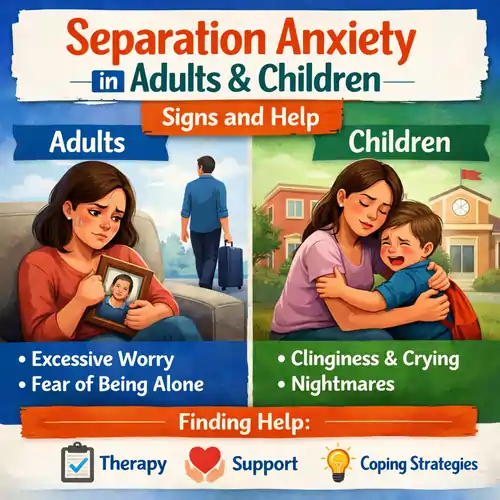
Introduction to Separation Anxiety
Separation anxiety is a normal developmental phase in early childhood, but when it becomes persistent and excessive, it may indicate separation anxiety disorder. This condition affects both children and adults, leading to emotional distress and functional impairment.
The World Health Organization (WHO) identifies anxiety disorders as a major contributor to global disability, emphasizing the need for early recognition and treatment. Individuals with separation anxiety in adults and children may struggle with independence, relationships, and daily responsibilities if left untreated.
What Is Separation Anxiety Disorder?
Separation anxiety disorder is a mental health condition involving excessive fear about being separated from loved ones.
Key Characteristics
- Persistent fear of separation
- Excessive worry about losing attachment figures
- Difficulty being alone
- Physical symptoms during or before separation
The American Psychological Association (APA) explains that this condition is linked to attachment patterns and heightened fear responses.
Separation Anxiety in Children
Separation anxiety in children is common between infancy and early childhood. However, when symptoms are severe, persistent, and impair daily life, they may indicate separation anxiety disorder.
Signs of Separation Anxiety in Children
- Crying or tantrums during separation
- Refusal to attend school or daycare
- Fear of sleeping alone
- Clinginess and difficulty calming down after separation
The Centers for Disease Control and Prevention (CDC) notes that physical symptoms like stomachaches or headaches often accompany anxiety in children.
Separation Anxiety in Adults
Separation anxiety in adults is increasingly recognized as a legitimate mental health condition.
Signs of Separation Anxiety in Adults
- Fear of being alone
- Constant worry about loved ones’ safety
- Difficulty leaving home or traveling without others
- Overdependence in relationships
Research from the National Institutes of Health (NIH) highlights how adult separation anxiety can stem from attachment issues, trauma, or other anxiety disorders.
Symptoms of Separation Anxiety
Emotional Symptoms
- Excessive worry about separation or loss
- Fear of abandonment
- Marked distress during or in anticipation of separation
Physical Symptoms
- Headaches
- Nausea or stomach pain
- Rapid heartbeat
- Fatigue or sleep problems
The CDC’s stress response guide (CDC) explains that these symptoms result from activation of the body’s stress system.
Causes of Separation Anxiety
1. Genetic Factors
NIMH notes that genetics increase vulnerability to anxiety disorders, including separation anxiety disorder.
2. Environmental Factors
APA stress research highlights trauma, major life changes (e.g., moves, losses), and parenting styles as key influences on anxiety development.
3. Brain Function
The NIH explains how the brain’s fear circuitry contributes to anxiety responses, including heightened sensitivity to separation and perceived threat.
Diagnosis of Separation Anxiety Disorder
Diagnosis requires a thorough clinical evaluation by a qualified mental health professional.
The CDC recommends ruling out medical causes (such as physical illness or sleep problems) before confirming a mental health condition like separation anxiety disorder.
Treatment for Separation Anxiety
1. Cognitive Behavioral Therapy (CBT)
CBT helps individuals challenge anxious thoughts, reduce catastrophizing, and practice gradual separation.
The National Institute for Health and Care Excellence (NICE) recommends CBT as a first-line treatment for anxiety disorders.
2. Family Therapy
Family therapy focuses on improving communication, setting healthy boundaries, and supporting gradual independence. It can be especially helpful for children and adolescents.
3. Medications
In some cases, medications such as SSRIs may be used to manage moderate to severe symptoms.
The U.S. Food and Drug Administration (FDA) emphasizes monitoring and professional supervision when using anxiety medications.
4. Coping Strategies
The Anxiety and Depression Association of America (ADAA) recommends:
- Gradual exposure to brief, planned separations
- Mindfulness and grounding techniques
- Emotional regulation skills (e.g., breathing exercises, self-soothing)
5. Lifestyle Changes
The CDC’s stress management guidance supports:
- Regular exercise
- Consistent, restorative sleep
- Healthy routines and balanced daily schedules
Living with Separation Anxiety
With proper treatment, individuals can significantly improve their quality of life. Consistency in therapy, gradual exposure to separations, and strong support systems are essential for recovery and long-term stability.
Frequently Asked Questions (FAQs)
- What is separation anxiety disorder?
Separation anxiety disorder is a mental health condition involving excessive fear of being separated from loved ones. It affects both children and adults and can interfere with school, work, and relationships. - What causes separation anxiety?
It arises from a combination of genetic, environmental, and psychological factors. Trauma, major life changes, and parenting styles can contribute, and brain-based stress responses also play a role. - Is separation anxiety normal in children?
Yes, mild separation anxiety is a normal stage between about 6 months and 3 years of age. When symptoms are severe, long-lasting, and impair daily life, they may indicate a disorder. - Can adults have separation anxiety?
Yes. Adults can develop separation anxiety disorder, often linked to attachment issues, trauma, or other anxiety conditions, and it can limit independence and daily functioning. - What are common symptoms?
Common symptoms include excessive worry, fear of being alone, and physical discomfort such as headaches, nausea, or rapid heartbeat, along with avoidance and dependency behaviors. - How is it diagnosed?
Diagnosis involves a clinical evaluation based on standardized criteria such as DSM-5, and medical causes are ruled out before confirming separation anxiety disorder. - Is separation anxiety treatable?
Yes, it is highly treatable. Therapy, medications when needed, and coping strategies can significantly reduce symptoms, especially with early intervention. - What is the best treatment?
CBT is considered the most effective treatment, often combined with exposure techniques that gradually increase tolerance to separation. - Can medication help?
Medications such as SSRIs may be used in moderate to severe cases to help regulate brain chemistry and reduce anxiety, under the supervision of a healthcare provider. - How does it affect adults?
Adult separation anxiety can cause dependence on partners or family, fear of being alone, and limitations in work, travel, and social activities. - Can separation anxiety lead to depression?
Yes. Chronic, untreated separation anxiety can contribute to depression due to ongoing stress and relationship strain. - What triggers separation anxiety?
Triggers include actual separation, anticipated separation, stressful life events, or fears about harm to loved ones; even imagining separation can provoke anxiety. - Can children outgrow it?
Many children outgrow normal separation anxiety, but when symptoms are severe, they may persist without intervention. Treatment helps prevent long-term problems. - What are coping strategies?
Helpful strategies include mindfulness, relaxation techniques, gradual separation practice, and strong family and professional support. - Can therapy work without medication?
Yes. Therapy alone, especially CBT, is often effective for mild to moderate separation anxiety, with treatment tailored to individual needs. - Is separation anxiety serious?
It can be serious when it significantly interferes with school, work, or relationships, and professional treatment is recommended in such cases. - What is family therapy?
Family therapy works on communication, boundaries, and supportive patterns in the family system and is especially useful when treating children. - How long does it last?
Duration varies, but with proper treatment many people experience significant improvement. Early intervention usually leads to faster recovery. - Can lifestyle changes help?
Yes. Regular exercise, good sleep, and stress management practices support overall mental health and reduce anxiety symptoms. - When should I seek help?
Seek help when separation-related anxiety interferes with daily life, independence, or relationships. Early support from a mental health professional improves outcomes.
Written by: Eden Grace Ramos, RN
Medical Disclaimer
This article is for informational and educational purposes only and does not replace professional medical advice. Separation anxiety disorder requires proper diagnosis and treatment by qualified healthcare professionals. Always consult a licensed physician or mental health specialist. Content is based on current clinical guidelines and peer-reviewed research from WHO, CDC, NIH, and APA.