
Natural Ways to Reduce Anxiety and Feel More Calm Key Takeaways
Anxiety affects millions, but you can take control with natural ways to reduce anxiety and feel more calm that work with your body, not against it.
- Natural Ways to Reduce Anxiety and Feel More Calm include mindfulness, exercise, better sleep, and dietary changes — all backed by research.
- Relaxation techniques help because they activate the parasympathetic nervous system, reducing the body’s fight-or-flight response.
- Building consistent daily habits — like morning routines and healthy boundaries — creates long-term emotional balance and mental wellness.
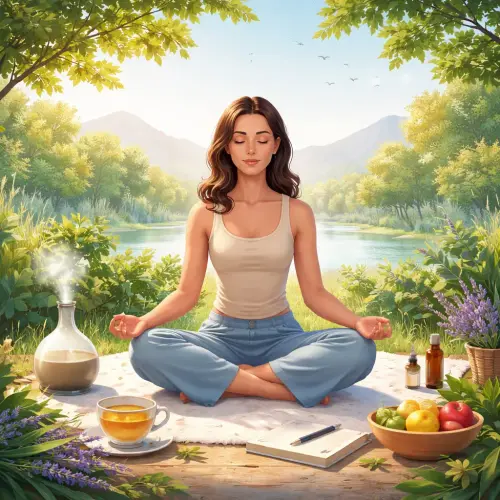
What Readers Should Know About Natural Ways to Reduce Anxiety and Feel More Calm
If you have ever wondered what are natural ways to reduce anxiety, you are not alone. More people than ever are seeking alternatives to medication, either to complement existing treatment or as a first-line approach for mild to moderate stress. The good news is that how can people feel calmer naturally has a rich answer rooted in both ancient practices and modern neuroscience. Relaxation techniques, for example, help regulate the autonomic nervous system, shifting you from a state of alert to a state of rest.
This article explores 15 practical methods, weaving in answers to common questions like why do relaxation techniques help anxiety and what habits improve mental calmness. Each section offers actionable steps, from exercise and food to mindfulness and sleep hygiene. By the end, you will have a toolkit for lasting relief — without the side effects that often accompany pharmaceuticals. For a related guide, see Anxiety in Older Adults: Symptoms and Care Guide.
1. Practice Mindfulness Meditation for Emotional Balance
How can mindfulness improve emotional balance? Mindfulness trains the brain to observe thoughts without judgment, reducing the tendency to spiral into worry. Studies show that eight weeks of regular mindfulness practice can shrink the amygdala — the brain’s fear center — while thickening the prefrontal cortex, which governs rational decision-making.
Getting Started with Mindfulness
Begin with five minutes a day. Sit comfortably, close your eyes, and focus on your breath. When your mind wanders — and it will — gently bring it back. Use apps like Headspace or Calm for guided sessions. Over time, this practice becomes a natural stress relief method that you can call on anywhere.
2. Use Breathing Exercises to Calm the Nervous System
How can breathing exercises calm the mind? Deliberate, slow breathing activates the vagus nerve, which tells your body it is safe. The 4-7-8 technique — inhale for 4 seconds, hold for 7, exhale for 8 — is one of the most effective natural stress relief methods. It works within minutes, making it ideal for panic attacks or high-pressure moments.
Try Box Breathing
Inhale for 4 counts, hold for 4, exhale for 4, hold for 4. Repeat for 3–5 rounds. This technique is used by Navy SEALs and first responders to stay calm under fire. Practice it daily to lower your baseline anxiety.
3. Exercise Regularly to Reduce Anxiety Symptoms
How does exercise reduce anxiety symptoms? Physical activity boosts endorphins, increases brain-derived neurotrophic factor (BDNF), and burns off stress hormones like cortisol. Aerobic exercises — brisk walking, jogging, cycling — are particularly effective. Aim for 30 minutes most days, but even a 10-minute walk can break a stress cycle.
Which Exercises Work Best?
Yoga and tai chi combine movement with breathwork, doubling their calming effects. Weightlifting and high-intensity interval training (HIIT) also help by forcing you to focus on the moment. The key is consistency: what habits improve mental calmness if not a regular exercise habit?
4. Eat Foods That Lower Stress and Anxiety
What foods help lower stress and anxiety? Nutrient-dense whole foods stabilize blood sugar and support neurotransmitter production. Omega-3 fatty acids (found in salmon, walnuts, flaxseeds) reduce inflammation linked to anxiety. Magnesium-rich foods like spinach, almonds, and dark chocolate help relax muscles and calm nerves. Fermented foods — yogurt, kimchi, sauerkraut — support gut health, which directly influences mood via the gut-brain axis.
Avoid These Anxiety Triggers
Caffeine and refined sugar can spike cortisol and mimic anxiety symptoms. While you do not need to eliminate them entirely, reducing intake — especially in the afternoon and evening — can make a measurable difference in how can people feel calmer naturally.
5. Prioritize Healthy Sleep Habits
How does sleep affect anxiety levels? Poor sleep disrupts emotional regulation, making you more reactive to stress. The amygdala becomes hyperactive, and the prefrontal cortex — your rational brake — becomes less effective. Adults need 7–9 hours per night for optimal mental wellness.
Sleep Hygiene Tips
Set a consistent bedtime, even on weekends. Keep your bedroom cool, dark, and quiet. Avoid screens for at least 60 minutes before bed, as blue light suppresses melatonin. A warm bath or herbal tea (chamomile, lavender) can signal your body to wind down. These routines support calmness and relaxation naturally.
6. Build a Morning Routine for Mental Wellness
What routines support calmness and relaxation? How you start your day sets the tone. Instead of reaching for your phone, try five minutes of stretching, journaling, or gratitude practice. This small shift reduces the cortisol spike that comes from diving straight into email or news.
Sample Calm Morning Routine
- Wake up without an alarm (if possible)
- Drink a full glass of water
- 5 minutes of deep breathing
- 5 minutes of journaling
- 10 minutes of stretching or light yoga
- Healthy breakfast with protein and fiber
This sequence answers how can people improve mental wellness naturally with concrete, repeatable actions.
7. Practice Progressive Muscle Relaxation (PMR)
Why do relaxation techniques help anxiety? PMR involves tensing and then releasing each muscle group, from your toes to your face. This body-scan method physically forces the muscles to relax, which signals the brain to follow suit. It is particularly helpful for people who carry tension in their shoulders, jaw, or back.
How to Do PMR
Lie down or sit comfortably. Tense your feet for 5 seconds, then release for 10. Move up to your calves, thighs, abdomen, hands, arms, shoulders, neck, and face. Each cycle lowers your heart rate and shifts your nervous system toward rest.
8. Limit News and Social Media Intake
What are healthy ways to manage daily stress? Constant exposure to alarming headlines and curated social feeds can keep your brain in a chronic state of high alert. Set boundaries: check news once a day, use app timers, and unfollow accounts that trigger comparison or outrage.
Digital Detox Tips
Designate phone-free zones — like the bedroom or dinner table. Replace scrolling with a calming activity: reading, knitting, or listening to music. Many people find that a 24-hour digital detox each week dramatically reduces their anxiety baseline.
9. Spend Time in Nature
What are effective natural stress relief methods? Nature exposure lowers cortisol, blood pressure, and heart rate. A 2024 study in Scientific Reports found that 20 minutes in a park or green space significantly reduces anxiety symptoms. Forest bathing (shinrin-yoku) — the practice of mindfully walking through woods — originated in Japan and is now used worldwide as a therapeutic tool.
Urban Nature Alternatives
If you live in a city, visit a botanical garden, sit by a fountain, or care for houseplants. Even looking at images of nature or listening to nature sounds can trigger a relaxation response.
10. Use Aromatherapy and Essential Oils
How can lifestyle changes reduce anxiety in small but meaningful ways? Aromatherapy uses plant extracts to influence mood and stress. Lavender oil, in particular, has been shown to reduce anxiety in clinical trials. Others include bergamot, chamomile, frankincense, and ylang-ylang.
How to Use Aromatherapy
Add a few drops to a diffuser, inhale directly from the bottle, or mix with a carrier oil for a calming massage. For safety, always dilute essential oils for topical use and avoid ingesting them unless under professional guidance.
11. Write a Worry Journal
What are signs of anxiety caused by stress? Racing thoughts, restlessness, difficulty concentrating, and sleep disturbances are common. One way to manage these is through expressive writing. Keeping a journal where you dump your worries onto paper helps clear mental clutter and gives you perspective. For a related guide, see Workplace Anxiety: Causes and Management Strategies.
Worry Journal Prompts
- What is bothering me right now, and can I do anything about it?
- What went well today, no matter how small?
- What am I grateful for?
This practice answers how can people improve mental wellness naturally by turning abstract worries into manageable thoughts.
12. Connect with Others Socially
What habits improve mental calmness? Social connection is one of the most underrated anxiety relievers. Loneliness and isolation increase cortisol, while quality time with trusted friends or family triggers oxytocin release. Even a brief phone call or a shared coffee can shift your mood.
Building Social Rituals
Schedule weekly check-ins with a friend. Join a book club, hiking group, or meditation circle. Volunteering also reduces anxiety by shifting focus from your own worries to helping others.
13. Listen to Calming Music or Nature Sounds
How can people feel calmer naturally through auditory stimulation? Music with a slow tempo (60–80 beats per minute) can synchronize brain waves and induce a relaxed state. Classical, ambient, or instrumental genres work well. White noise, rain sounds, or ocean waves can also mask distracting environmental noise and promote sleep.
Create a Calm Playlist
Curate a playlist specifically for relaxation or focus. Use it during work, travel, or before bed. Over time, the music becomes a conditioned cue for your brain to shift into a calmer state.
14. Cut Back on Alcohol and Caffeine
What foods help lower stress and anxiety? While not a food, alcohol and caffeine are substances that significantly affect anxiety. Alcohol may temporarily reduce inhibition but disrupts sleep and increases anxiety the next day. Caffeine blocks adenosine (the relaxation neurotransmitter) and can mimic or worsen anxiety symptoms.
Gradual Reduction Strategy
Replace your second cup of coffee with herbal tea or decaf. Limit alcohol to one drink, and stop at least 3 hours before bed. Notice how your baseline anxiety shifts after a few days of reduction.
15. Set Boundaries and Learn to Say No
How can lifestyle changes reduce anxiety at their root? Overcommitment is a major stressor. Saying yes to every request — from work projects to social invitations — can leave you depleted and resentful. Learning to set clear boundaries protects your time and energy.
Boundary Practice
Start small: decline one non-essential request this week. Use a respectful but firm phrase like, “I appreciate the offer, but I need to prioritize my current commitments.” This directly answers what are healthy ways to manage daily stress by preventing burnout before it starts.
Costly Mistakes to Avoid When Using Natural Ways to Reduce Anxiety and Feel More Calm
Even the best natural interventions can fail if you make these common errors:
| Mistake | Why It Hurts Results | Better Approach |
|---|---|---|
| Expecting instant results | Natural methods take time to rewire neural pathways | Commit to 2–4 weeks of daily practice before judging |
| Ignoring underlying medical conditions | Thyroid issues, vitamin deficiencies, or PTSD require professional care | Get a checkup; use natural methods as a complement |
| Using only one technique | Anxiety is multi-faceted; single solutions rarely work | Combine 3–5 methods (e.g., exercise + sleep + mindfulness) |
| Overdoing caffeine while trying relaxation | Caffeine counteracts the calming effects of relaxation techniques | Limit caffeine to morning only, or switch to green tea |
| Neglecting consistency | Sporadic practice yields little brain change | Make one new habit stick before adding another |
Useful Resources
For further reading on natural ways to reduce anxiety and feel more calm, these sources provide high-quality, evidence-based information:
- Harvard Health: Relaxation Techniques for Anxiety — A practical overview of breath control, meditation, and other evidence-based methods.
- National Center for Complementary and Integrative Health (NCCIH): Anxiety — Scientific summaries of natural approaches like mindfulness, yoga, and herbal supplements.
Final Thoughts on Natural Ways to Reduce Anxiety and Feel More Calm
Using natural ways to reduce anxiety and feel more calm is not about a quick fix — it is about building a sustainable lifestyle that supports emotional balance and mental wellness. From the simple act of breathing deeply to the discipline of daily exercise and mindful eating, every small step compounds. If you are looking for what are natural ways to reduce anxiety, start with one or two of the strategies above and build from there. Consistency matters more than intensity. By combining breathing exercises, healthy nutrition, quality sleep, and stress management, you create a resilient foundation for long-term peace. Remember, you are not alone on this journey, and every effort you make toward calmness is a victory.
Frequently Asked Questions About Natural Ways to Reduce Anxiety and Feel More Calm
What are natural ways to reduce anxiety quickly?
Deep breathing (4-7-8 technique), progressive muscle relaxation, or a short walk can reduce anxiety within minutes. These methods activate the parasympathetic nervous system and lower cortisol in real time.
How can people feel calmer naturally without medication?
Combine mindfulness, regular exercise, healthy sleep habits, and a nutrient-dense diet. Supporting gut health with probiotics and omega-3s also helps stabilize mood.
Why do relaxation techniques help anxiety ?
They shift the nervous system from sympathetic (fight-or-flight) to parasympathetic (rest-and-digest), reducing heart rate, blood pressure, and stress hormone production.
What habits improve mental calmness ?
Daily meditation, a consistent sleep schedule, regular exercise, time in nature, and limiting news/social media build a strong foundation for calmness.
How does exercise reduce anxiety symptoms ?
Exercise releases endorphins, increases BDNF (a brain-protective protein), and burns off excess cortisol. It also provides a healthy distraction from worry.
What foods help lower stress and anxiety ?
Salmon, walnuts, spinach, dark chocolate, yogurt, and chamomile tea are rich in omega-3s, magnesium, probiotics, and antioxidants that support a calm brain.
How can breathing exercises calm the mind ?
Controlled breathing increases carbon dioxide in the blood, which slows heart rate and signals the vagus nerve to relax the body. This prevents hyperventilation and panic.
What are effective natural stress relief methods ?
Mindfulness meditation, yoga, forest bathing, aromatherapy with lavender, and listening to calming music are all backed by research for lowering stress.
How does sleep affect anxiety levels ?
Poor sleep increases amygdala reactivity and reduces prefrontal cortex control, making you more prone to anxiety. Quality sleep restores emotional regulation.
What are healthy ways to manage daily stress ?
Set boundaries, take short breaks, practice gratitude, stay hydrated, and schedule relaxing activities. Micro-moments of calm throughout the day prevent stress buildup.
How can mindfulness improve emotional balance ?
Mindfulness reduces the size and activity of the amygdala, increases gray matter in the prefrontal cortex, and improves your ability to respond to stress rather than react impulsively.
What are signs of anxiety caused by stress ?
Racing thoughts, restlessness, irritability, muscle tension, fatigue, difficulty concentrating, and sleep disturbances are classic signs that stress is triggering anxiety. For a related guide, see Postpartum Anxiety: How to Recognize and Manage It.
How can people improve mental wellness naturally ?
Prioritize sleep, eat whole foods, exercise daily, practice mindfulness, stay socially connected, and manage digital consumption. These lifestyle pillars build long-term resilience.
What routines support calmness and relaxation ?
A morning routine with stretching and journaling, an evening wind-down with herbal tea and reading, and scheduled breaks for deep breathing all foster calmness throughout the day.
How can lifestyle changes reduce anxiety ?
Lifestyle changes like regular exercise, better sleep, a balanced diet, and stress management techniques address the root causes of anxiety, reducing reliance on temporary fixes.
Can natural remedies replace anxiety medication?
For mild to moderate anxiety, natural remedies can be sufficient. For moderate to severe cases, they are best used as complementary tools alongside professional treatment. Always consult a doctor.
How long does it take for natural anxiety relief to work?
Some techniques like deep breathing work instantly. Others, like mindfulness and exercise, show measurable benefits within 2–8 weeks of consistent practice. Patience and consistency matter.
What is the best natural supplement for anxiety?
Magnesium, omega-3 fatty acids, L-theanine (found in green tea), and ashwagandha have the strongest evidence. Choose high-quality brands and consult a healthcare provider before starting.
Can walking in nature reduce anxiety?
Yes, research shows that 20 minutes in a natural setting significantly lowers cortisol and improves mood. Forest bathing is a formalized practice that combines walking with mindful awareness.
How do I know if my anxiety is caused by lifestyle factors?
Track your sleep, caffeine intake, diet, exercise, and stress levels for two weeks. If symptoms fluctuate with these variables, lifestyle factors are likely playing a significant role.