
Doctor Approved Ways to Manage Anxiety Better Key Takeaways
Anxiety affects millions of people daily, but the right combination of evidence-based habits can restore emotional balance and reduce symptoms.
- Doctor Approved Ways to Manage Anxiety Better include exercise, sleep hygiene, and structured breathing techniques.
- Natural methods like balanced nutrition and mindfulness practices help lower cortisol and calm the nervous system.
- Combining lifestyle changes with professional support offers the most sustainable long-term relief.
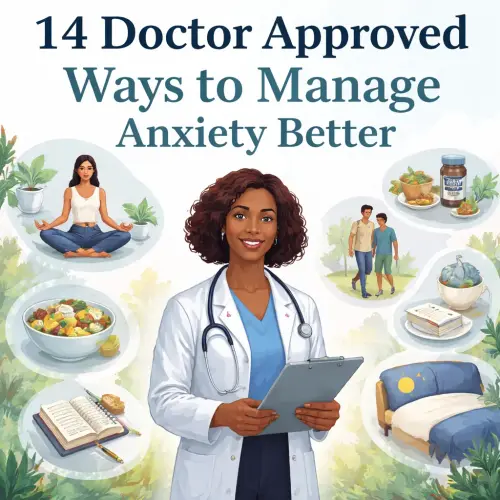
What Are the Most Effective Doctor Approved Ways to Manage Anxiety Better?
Clinicians and mental health experts consistently recommend a layered approach that addresses both the physical and psychological roots of anxiety. Instead of relying on a single strategy, the most effective plan weaves together daily habits, stress management techniques, and, when needed, guided therapeutic support. Below are 14 actionable, clinically vetted methods that help people reduce anxiety naturally and build resilience over time. For a related guide, see 13 Science Backed Ways to Naturally Reduce Daily Stress.
1. Prioritize Regular Physical Activity
Exercise is one of the most powerful tools for calming the nervous system. Aerobic activities like brisk walking, jogging, or cycling boost endorphins and reduce cortisol levels. Even 20 minutes of moderate movement five times a week can significantly lower anxiety symptoms. How does exercise help anxiety symptoms? It triggers the release of mood-regulating neurotransmitters such as serotonin and dopamine while providing a healthy outlet for pent-up stress. Try to find an activity you enjoy — consistency matters more than intensity. For a related guide, see 8 Breathing Exercises to Reduce Anxiety and Stress.
2. Adopt a Balanced, Nutrient-Dense Diet
What foods support better emotional health? Research points to whole foods rich in magnesium (leafy greens, nuts), omega-3 fatty acids (salmon, flaxseeds), and B vitamins (legumes, eggs). These nutrients help regulate the nervous system and prevent blood sugar spikes that can trigger anxiety. Reducing caffeine, refined sugar, and alcohol also stabilizes mood. A Mediterranean-style eating pattern is frequently cited by doctors as one of the best diets for emotional wellness.
3. Practice Diaphragmatic Breathing
How can breathing exercises calm anxiety? Slow, deep breathing activates the vagus nerve and shifts the body from fight-or-flight to rest-and-digest. A simple technique — inhale for four counts, hold for four, exhale for six — can lower heart rate within minutes. Dedicate two to three minutes several times a day, especially during moments of heightened worry.
4. Improve Sleep Hygiene
How does sleep affect anxiety levels? Poor sleep amplifies the brain’s emotional reactivity, making small stressors feel overwhelming. Adults need seven to nine hours of quality rest. Consistent sleep-wake times, a cool dark bedroom, and a screen-free pre-bed routine support natural melatonin production. If racing thoughts keep you awake, try journaling or a guided sleep meditation.
5. Implement Structured Mindfulness Practices
What mindfulness practices help mental relaxation? Techniques such as body scanning, loving-kindness meditation, and mindful walking train the brain to observe thoughts without judgment. Even five minutes daily reduces activity in the amygdala, the brain’s fear center. Many doctors recommend apps like Headspace or Calm for guided sessions, but you can also practice on your own by focusing on your breath or the sensations in your feet while walking.
6. Try Progressive Muscle Relaxation (PMR)
PMR involves tensing and then releasing each muscle group, promoting physical awareness and reducing tension. Start from your toes and work upward to your facial muscles. This technique is especially helpful before bed or during high-stress meetings. It is one of the proven ways to calm the mind because it interrupts the cycle of physical stress and mental worry.
7. Establish Consistent Daily Routines
Predictability lowers uncertainty, a major anxiety trigger. Creating a structured morning and evening routine gives your brain a sense of control. Pair habits deliberately — for example, a short walk after breakfast or a gratitude list before brushing your teeth. Routines also make it easier to integrate effective stress management techniques like exercise and meal planning into your day.
8. Limit Stimulants and Screen Time
Caffeine, nicotine, and constant notifications keep your nervous system on high alert. Set digital boundaries: no phone for the first 30 minutes of the day, and no screens an hour before bed. Replace scrolling with a calming ritual like herbal tea or reading a physical book. This is a safe method to reduce anxious thoughts that doctors recommend as a first-line adjustment.
9. Keep a Thought Journal
Writing down worries helps you spot patterns and challenge irrational beliefs. Use a simple format: note the triggering situation, the automatic thought, and a more balanced perspective. Over time, journaling reduces rumination and provides clarity. It also helps you track signs of chronic stress and anxiety, such as persistent fatigue or irritability, enabling earlier intervention.
10. Build a Support Network
Isolation worsens anxiety. Cultivate relationships with people who listen without judgment. This can include trusted friends, family members, or a support group. Sharing your experiences normalizes the struggle and reduces shame. How can therapy support anxiety management? A licensed therapist provides personalized strategies — cognitive behavioral therapy (CBT) is particularly effective for identifying and changing anxious thought patterns.
11. Explore Cognitive Behavioral Therapy (CBT)
CBT focuses on the connection between thoughts, feelings, and behaviors. With a therapist, you learn to reframe catastrophic thinking and test out new responses to feared situations. Many studies show that 12 to 20 sessions produce lasting improvements. For those wondering what are doctor approved ways to manage anxiety, CBT is consistently at the top of the recommendation list.
12. Use Aromatherapy with Clinical Evidence
Lavender, chamomile, and bergamot essential oils have shown anxiolytic effects in controlled trials. Inhaling lavender oil during a stressful task can lower anxiety scores. Place a few drops on a tissue or use a diffuser. While not a standalone treatment, it is a gentle complement to other lifestyle changes that improve emotional balance.
13. Set Realistic Goals and Boundaries
Perfectionism feeds anxiety. Break large tasks into small steps and say “no” to commitments that drain your energy. Use the 80/20 rule — focus on the 20% of activities that bring 80% of the positive results. How can lifestyle changes improve emotional balance? By reducing overwhelm and creating space for rest, you protect your mental health day by day.
14. Schedule Regular Check-Ins with a Healthcare Provider
Anxiety can be a symptom of underlying medical conditions like thyroid imbalance or vitamin deficiency. A primary care doctor can run basic tests and rule out physical causes. They can also discuss medication options such as SSRIs if natural methods aren’t enough. Knowing you have professional backup makes it easier to maintain long-term mental wellness.
How Do These Approaches Help People Reduce Anxiety Naturally?
Each of the 14 strategies targets a different part of the anxiety cycle. Exercise and breathing regulate the body’s stress response. Nutrition and sleep replenish brain chemistry. Mindfulness and therapy reshape thought patterns. Together, they create a safety net that makes anxiety feel more manageable. Why do healthy habits improve mental wellness? Because consistent small actions rebuild the brain’s capacity to stay calm under pressure. You don’t need to do all 14 at once. Start with two or three that feel most accessible, then layer on more as your confidence grows. For a related guide, see 7 Science Backed Methods to Quiet a Worried Mind.
Useful Resources
For deeper reading on evidence-based anxiety management, visit the American Psychological Association’s anxiety resource page, which offers research summaries and practitioner guidelines. You can also explore the National Institute of Mental Health’s anxiety disorders overview for detailed information on diagnosis and treatment options.
By weaving these 14 strategies into your daily routine, you build a foundation of resilience that makes anxiety easier to handle. Start small, stay consistent, and celebrate each step forward. Your mental wellness journey is a marathon, not a sprint — and every healthy choice counts.
Frequently Asked Questions About Doctor Approved Ways to Manage Anxiety Better
What are doctor approved ways to manage anxiety ?
Doctors typically recommend a mix of exercise, balanced nutrition, sleep hygiene, mindfulness, breathing techniques, cognitive behavioral therapy, and, when necessary, medication. These methods address both physical and psychological triggers.
How can people reduce anxiety naturally ?
Natural approaches include regular physical activity, limiting caffeine and alcohol, practicing deep breathing, spending time outdoors, and maintaining a consistent sleep schedule. These habits lower baseline stress levels without medication.
Why do healthy habits improve mental wellness ?
Healthy habits stabilize blood sugar, reduce inflammation, regulate neurotransmitters, and improve sleep quality. Each of these factors plays a direct role in mood regulation and stress resilience.
What are effective stress management techniques ?
Proven techniques include time management, setting boundaries, progressive muscle relaxation, and using a thought journal. Regular practice helps you respond to stress rather than react impulsively.
How does exercise help anxiety symptoms ?
Exercise releases endorphins and endocannabinoids, which act as natural painkillers and mood elevators. It also reduces levels of the stress hormone cortisol and improves sleep, all of which lower anxiety.
What foods support better emotional health ?
Foods rich in omega-3s (fatty fish), magnesium (spinach, almonds), and probiotics (yogurt, kefir) support brain health. Complex carbohydrates like oats help maintain steady blood sugar, preventing mood swings.
How can breathing exercises calm anxiety ?
Slow, controlled breathing stimulates the vagus nerve, which activates the parasympathetic nervous system. This lowers heart rate and blood pressure, signaling safety to the brain within minutes.
What are safe methods to reduce anxious thoughts ?
Safe methods include cognitive reframing, journaling, grounding techniques (like the 5-4-3-2-1 sensory exercise), and talking to a trusted person. These strategies do not involve substances or risky behaviors.
How does sleep affect anxiety levels ?
Lack of sleep amplifies emotional reactivity in the amygdala and reduces prefrontal cortex regulation. Prioritizing deep sleep improves your brain’s ability to process stress without overreacting.
What mindfulness practices help mental relaxation ?
Body scans, breath awareness, and loving-kindness meditation are highly effective. Even two minutes of focused breathing can shift the brain from a stress state to a relaxation state.
How can therapy support anxiety management ?
Therapy provides a structured space to identify triggers, challenge distorted thinking, and practice new coping skills. Cognitive behavioral therapy (CBT) is particularly well-studied for anxiety disorders.
What are signs of chronic stress and anxiety ?
Common signs include persistent worry, fatigue, muscle tension, irritability, trouble concentrating, sleep disturbances, and avoidance of everyday situations. These symptoms last for weeks or months.
How can lifestyle changes improve emotional balance ?
Changes like a consistent sleep-wake cycle, regular movement, and planned meals reduce unpredictability. Predictable routines lower the brain’s threat detection, freeing mental energy for productive activities.
What are proven ways to calm the mind ?
Proven methods include meditation, slow breathing, listening to calming music, spending time in nature, and engaging in creative hobbies. Consistency increases the effectiveness of any technique.
How can people maintain long term mental wellness ?
Long-term wellness requires ongoing self-care, periodic check-ins with a healthcare provider, and a willingness to adjust strategies as life changes. Building a toolkit of 4–6 reliable techniques helps you stay resilient.
Can aromatherapy really help with anxiety?
Some studies show lavender and chamomile essential oils reduce short-term anxiety. Aromatherapy works best as a complement to other methods, not as a replacement for professional care.
Is it safe to combine medication with natural techniques?
Yes, many people use medication alongside lifestyle changes. Always consult your doctor before combining treatments to ensure safety and avoid interactions. This is a common and effective approach.
How long does it take to feel better using these methods?
Some relief comes immediately (such as after a breathing exercise), while lasting change typically takes 4–8 weeks of consistent practice. Patience and small daily steps lead to cumulative benefits.
What if my anxiety feels overwhelming despite trying these tips?
If anxiety severely interferes with daily life, seek support from a licensed therapist or psychiatrist. They can offer personalized treatment, including therapy and medication, to help you regain control.
Are there any risks to using these doctor approved methods?
These methods are generally safe for most people. However, if you have a medical condition — such as heart disease or asthma — check with your doctor before beginning a new exercise or diet regimen.