
Breathing Exercises to Reduce Anxiety and Stress Key Takeaways
Controlled breathing is one of the most effective, drug-free tools for calming a racing mind and relaxing a tense body.
- Breathing exercises reduce anxiety and stress by activating the parasympathetic nervous system, which triggers the relaxation response.
- Techniques such as deep breathing , box breathing for stress relief , and diaphragmatic breathing are proven to lower heart rate, blood pressure, and cortisol levels.
- Consistent practice improves emotional balance, focus, and sleep quality, making these techniques a cornerstone of sustainable mental wellness.
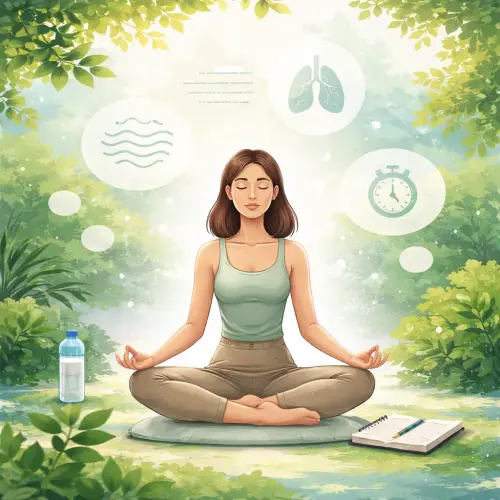
What Makes Breathing Exercises Reduce Anxiety and Stress So Effective?
Before diving into the techniques, it helps to understand the physiology at work. When you are anxious, your breathing naturally becomes shallow and rapid. This signals your brain that something is wrong, which prompts the release of stress hormones like adrenaline and cortisol. The cycle feeds on itself: the more anxious you feel, the faster and shallower you breathe, and the more your body stays in a state of high alert.
Breathing exercises to reduce anxiety and stress interrupt that loop. By deliberately slowing and deepening each inhale and exhale, you send a direct message to your brain that the threat has passed. This activates the vagus nerve, which triggers the parasympathetic nervous system — often called the “rest and digest” system. The result is an almost immediate reduction in muscle tension, a lower heart rate, and a clearer mind.
How Does Deep Breathing Calm the Mind?
Deep breathing, also known as diaphragmatic or belly breathing, works by fully engaging the diaphragm. When you take a slow, deep breath into your abdomen, you stimulate the vagus nerve more effectively than with chest breathing. This increases the production of the neurotransmitter GABA, which has a calming effect on the brain. It also reduces activity in the amygdala, the brain’s fear center. In short, deep breathing doesn’t just feel relaxing — it chemically alters your brain state toward calmness.
Why Are Breathing Techniques Effective for Relaxation?
There are several reasons these techniques work so well. First, they are always accessible — you never need equipment or a special location. Second, they provide an immediate focus point for your attention, which distracts from anxious thoughts. Third, controlled breathing lowers blood pressure and heart rate variability in measurable ways. Studies consistently show that just five minutes of slow, rhythmic mindful breathing techniques can significantly reduce state anxiety levels in both clinical and everyday settings. For a related guide, see 13 Science Backed Ways to Naturally Reduce Daily Stress.
The 8 Best Breathing Exercises to Reduce Anxiety and Stress
The following exercises are ranked from simplest to more structured. Each one targets the nervous system a little differently, so try them all and stick with the ones that feel most natural to you.
1. Diaphragmatic Breathing (Belly Breathing)
This is the foundation of all relaxation breathing. It teaches you to use your diaphragm correctly, which many adults have forgotten how to do.
Benefits:
- Immediately lowers heart rate and blood pressure
- Reduces tension in the neck and shoulders
- Improves oxygen exchange efficiency
Step-by-Step Instructions:
- Lie on your back with knees bent or sit comfortably in a chair.
- Place one hand on your upper chest and the other on your belly, just below the ribcage.
- Inhale slowly through your nose for 4 seconds, feeling your belly rise against your hand. Your chest should remain relatively still.
- Tighten your abdominal muscles and exhale through pursed lips for 6 seconds, feeling your belly fall.
- Repeat for 5 to 10 minutes.
How does diaphragmatic breathing work to calm the nervous system?
Diaphragmatic breathing stimulates the vagus nerve more effectively than chest breathing. This activates the parasympathetic nervous system, which lowers heart rate, reduces blood pressure, and signals the body to relax. Over time, it trains your nervous system to default to a calmer baseline rather than a stress response.
2. Box Breathing (Square Breathing)
Box breathing for stress relief is a structured technique used by Navy SEALs, emergency responders, and mindfulness practitioners. It gets its name from the four equal parts of the breath cycle.
Benefits:
- Highly effective for acute stress and panic episodes
- Improves focus and concentration
- Easy to remember and practice anywhere
Step-by-Step Instructions:
- Find a quiet space and sit upright with your back straight.
- Exhale completely, emptying your lungs.
- Inhale through your nose for 4 seconds.
- Hold your breath for 4 seconds.
- Exhale slowly through your mouth for 4 seconds.
- Hold your breath (lungs empty) for 4 seconds.
- Repeat this cycle for 4 to 5 minutes.
What is box breathing for stress relief and how does it work?
Box breathing is a rhythmic technique where each phase of the breath — inhale, hold, exhale, hold — lasts an equal count, typically 4 seconds. The holds allow carbon dioxide to build slightly in the blood, which has a sedative effect on the brain. The equal structure also gives the mind a simple pattern to focus on, blocking anxious loops.
3. 4-7-8 Breathing (Relaxing Breath)
Developed by Dr. Andrew Weil, this technique is designed to promote calmness and help with falling asleep. It is particularly useful for winding down after a stressful day.
Benefits:
- Rapidly lowers anxiety levels
- Helps with falling asleep in under 1 minute
- Reduces anger and irritation
Step-by-Step Instructions:
- Sit with your back straight and place the tip of your tongue against the ridge behind your upper front teeth.
- Exhale completely through your mouth, making a whoosh sound.
- Close your mouth and inhale quietly through your nose for 4 seconds.
- Hold your breath for 7 seconds.
- Exhale completely through your mouth for 8 seconds, making a whoosh sound.
- Repeat for 4 cycles at first, then work up to 8 cycles.
Can breathing exercises improve sleep and focus?
Yes, and the 4-7-8 technique is one of the best examples. The long exhale activates the parasympathetic nervous system, which is necessary for falling and staying asleep. The counting aspect also focuses the mind, which reduces the mental chatter that keeps people awake. Consistent evening practice can significantly improve sleep onset and daytime concentration.
4. Alternate Nostril Breathing (Nadi Shodhana)
This is a classic yogic mindful breathing technique that balances the left and right hemispheres of the brain. It is excellent for reducing mental chatter and promoting emotional equilibrium.
Benefits:
- Balances the autonomic nervous system
- Reduces anxiety and mental fog
- Improves respiratory function
Step-by-Step Instructions:
- Sit comfortably with your spine straight and left hand resting on your knee.
- Bring your right hand up and curl your index and middle fingers toward your palm, leaving your thumb, ring finger, and pinky extended.
- Close your right nostril with your thumb and inhale slowly through your left nostril for 4 seconds.
- Close your left nostril with your ring finger, release your thumb, and exhale through your right nostril for 4 seconds.
- Inhale through your right nostril for 4 seconds.
- Close your right nostril with your thumb, release your ring finger, and exhale through your left nostril for 4 seconds.
- This is one cycle. Repeat for 5 to 10 cycles.
How can controlled breathing lower stress hormones like cortisol?
Controlled breathing techniques such as alternate nostril breathing reduce the activity of the sympathetic nervous system, which is responsible for the fight-or-flight response. By activating the parasympathetic system, the body reduces the production of cortisol and adrenaline. Over time, regular practice also improves heart rate variability, which is a biomarker of stress resilience.
5. Pursed-Lip Breathing
This technique is often used in pulmonary rehabilitation but is also highly effective for anxiety. It keeps airways open longer and encourages a slower, more deliberate breathing pattern.
Benefits:
- Slows down breathing rate
- Helps release trapped air in the lungs
- Creates a calming rhythmic focus
Step-by-Step Instructions:
- Sit upright and relax your neck and shoulders.
- Inhale slowly through your nose for 2 seconds.
- Purse your lips as if you are about to whistle.
- Exhale slowly and gently through pursed lips for 4 seconds. Do not force air out.
- Repeat for 5 to 10 minutes.
What are simple breathing methods for relaxation that anyone can do?
Pursed-lip breathing is one of the simplest methods. It requires no counting or hand positions — just a slow nose inhale and a longer mouth exhale through pursed lips. It naturally lengthens the exhale, which activates the relaxing parasympathetic system. It is ideal for beginners and for use in public places where more elaborate techniques might draw attention.
6. Sitali Breathing (Cooling Breath)
This technique is unique because it uses the tongue to create a cooling sensation in the mouth and throat, which can be especially soothing when anxiety makes you feel hot or flushed.
Benefits:
- Immediate physical cooling effect
- Reduces facial heat and flushing from anxiety
- Calms anger and frustration
Step-by-Step Instructions:
- Sit comfortably with your spine straight.
- Roll your tongue lengthwise into a tube, with the sides curling up toward the center. If you cannot roll your tongue, simply press your teeth together and part your lips slightly.
- Inhale slowly through the rolled tongue (or between your teeth) for 4 seconds, feeling the cool air.
- Close your mouth and exhale slowly through your nose for 6 seconds.
- Repeat for 5 to 10 cycles.
What are natural ways to reduce anxiety quickly without medication?
Natural techniques like Sitali breathing, box breathing, and 4-7-8 breathing can reduce anxiety in under 3 minutes. Other natural methods include progressive muscle relaxation, walking in nature, listening to calming music, and drinking herbal tea. Among these, breathing exercises are unique because they offer immediate physiological changes without any external aid.
7. Breath Counting (Zen Breathing)
This simple but powerful technique is drawn from Zen meditation practice. It trains the mind to stay present by focusing on the breath with gentle counting.
Benefits:
- Improves concentration and mental clarity
- Quiets racing thoughts
- Builds mindfulness muscle over time
Step-by-Step Instructions:
- Sit in a comfortable position and close your eyes.
- Take a few natural breaths to settle in.
- On your next exhale, mentally count “1.”
- On the following exhale, count “2.”
- Continue counting exhales up to 10.
- When you reach 10, start again at 1. If you lose count or get distracted, gently return to 1 without judgment.
- Practice for 10 to 15 minutes.
How can people practice breathing exercises daily as a habit?
Starting small is key. Attach your breathing practice to an existing daily habit, such as your morning coffee, brushing your teeth, or sitting down at your desk. Commit to just 2 minutes initially using the breath counting technique, which requires no setup. Use phone reminders or an app like Calm or Breathwrk to cue you. Gradually increase time as the habit feels natural.
8. Coherent Breathing (Resonant Breathing)
Coherent breathing involves breathing at a rate of 5 breaths per minute — approximately 6 seconds inhale and 6 seconds exhale. This specific rhythm maximizes heart rate variability and promotes a state of calm alertness.
Benefits:
- Maximizes heart rate variability (HRV)
- Creates a state of calm alertness
- Supported by extensive research on HRV biofeedback
Step-by-Step Instructions:
- Sit comfortably with your back straight and eyes closed.
- Inhale smoothly through your nose for 6 seconds.
- Exhale smoothly through your nose for 6 seconds.
- Do not pause between inhale and exhale — keep the breath smooth and continuous.
- Practice for 10 minutes initially, working up to 20 minutes.
How does breathing affect the nervous system in a measurable way?
Breathing directly controls the vagus nerve, which acts as a brake on the heart. When you exhale, the vagus nerve slows the heart slightly. When you inhale, the heart speeds up. Slow rhythmic breathing, as in coherent breathing, amplifies these natural fluctuations, known as respiratory sinus arrhythmia. Over time, this improves heart rate variability, which is linked to better stress resilience, emotional regulation, and cognitive function.
How Breathing Exercises Improve Mental Wellness and Emotional Balance
Regular practice of breathing exercises to reduce anxiety and stress does more than provide a quick fix during a panic moment. Over weeks and months, it reshapes your baseline nervous system activity. People who practice consistently report fewer intrusive anxious thoughts, less reactivity to triggers, and a greater sense of emotional steadiness.
One of the most powerful long-term benefits is the improvement in emotional balance. Breathing habits improve emotional balance by increasing the ability to pause between a stimulus and a reaction. Instead of immediately lashing out or spiraling into worry, the practiced breather has a built-in delay that allows for a more measured, wise response.
Additionally, these techniques directly support better sleep. When practiced before bed, they lower heart rate and quiet the mind, making it easier to fall asleep and stay asleep. Deep, restful sleep, in turn, reduces baseline anxiety and improves daytime focus — creating a virtuous cycle of mental wellness. For a related guide, see 7 Daily Routines for Mental Wellness and Inner Balance.
| Technique | Best For | Time Required | Key Benefit |
|---|---|---|---|
| Diaphragmatic Breathing | Beginners, tension headaches | 5–10 min | Activates vagus nerve |
| Box Breathing | Acute stress, panic | 4–5 min | Equal structure blocks worry loops |
| 4-7-8 Breathing | Sleep onset, anger | 2–5 min | Long exhale for deep calm |
| Alternate Nostril | Brain fog, anxiety | 5–10 min | Balances hemispheres |
| Pursed-Lip Breathing | Public spaces, beginners | 5 min | Subtle, easy to do anywhere |
| Sitali Breathing | Heat/flushing from anxiety | 3–5 min | Physical cooling effect |
| Breath Counting | Building mindfulness | 10–15 min | Quiets mental chatter |
| Coherent Breathing | Stress resilience, long-term wellness | 10–20 min | Maximizes HRV |
Useful Resources
For further reading on the science of breath and anxiety, these two sources provide excellent depth:
- Harvard Health: Relaxation techniques – Breath control helps quell stress response
- NCBI: Immediate effects of slow breathing on heart rate variability and mood states
Frequently Asked Questions About Breathing Exercises to Reduce Anxiety and Stress
How does diaphragmatic breathing work to calm the nervous system?
Diaphragmatic breathing stimulates the vagus nerve more effectively than chest breathing. This activates the parasympathetic nervous system, which lowers heart rate, reduces blood pressure, and signals the body to relax. Over time, it trains your nervous system to default to a calmer baseline rather than a stress response.
What is box breathing for stress relief and how does it work?
Box breathing is a rhythmic technique where each phase of the breath — inhale, hold, exhale, hold — lasts an equal count, typically 4 seconds. The holds allow carbon dioxide to build slightly in the blood, which has a sedative effect on the brain. The equal structure also gives the mind a simple pattern to focus on, blocking anxious loops.
Can breathing exercises improve sleep and focus?
Yes, and the 4-7-8 technique is one of the best examples. The long exhale activates the parasympathetic nervous system, which is necessary for falling and staying asleep. The counting aspect also focuses the mind, which reduces the mental chatter that keeps people awake. Consistent evening practice can significantly improve sleep onset and daytime concentration.
How can controlled breathing lower stress hormones like cortisol?
Controlled breathing techniques such as alternate nostril breathing reduce the activity of the sympathetic nervous system, which is responsible for the fight-or-flight response. By activating the parasympathetic system, the body reduces the production of cortisol and adrenaline. Over time, regular practice also improves heart rate variability, which is a biomarker of stress resilience.
What are simple breathing methods for relaxation that anyone can do?
Pursed-lip breathing is one of the simplest methods. It requires no counting or hand positions — just a slow nose inhale and a longer mouth exhale through pursed lips. It naturally lengthens the exhale, which activates the relaxing parasympathetic system. It is ideal for beginners and for use in public places where more elaborate techniques might draw attention.
What are natural ways to reduce anxiety quickly without medication?
Natural techniques like Sitali breathing, box breathing, and 4-7-8 breathing can reduce anxiety in under 3 minutes. Other natural methods include progressive muscle relaxation, walking in nature, listening to calming music, and drinking herbal tea. Among these, breathing exercises are unique because they offer immediate physiological changes without any external aid.
How can people practice breathing exercises daily as a habit?
Starting small is key. Attach your breathing practice to an existing daily habit, such as your morning coffee, brushing your teeth, or sitting down at your desk. Commit to just 2 minutes initially using the breath counting technique, which requires no setup. Use phone reminders or an app like Calm or Breathwrk to cue you. Gradually increase time as the habit feels natural.
How does breathing affect the nervous system in a measurable way?
Breathing directly controls the vagus nerve, which acts as a brake on the heart. When you exhale, the vagus nerve slows the heart slightly. When you inhale, the heart speeds up. Slow rhythmic breathing, as in coherent breathing, amplifies these natural fluctuations, known as respiratory sinus arrhythmia. Over time, this improves heart rate variability, which is linked to better stress resilience, emotional regulation, and cognitive function.
What breathing exercises reduce anxiety and stress effectively?
The most effective include diaphragmatic breathing, box breathing, 4-7-8 breathing, alternate nostril breathing, and coherent breathing. Each works by activating the parasympathetic nervous system and shifting the body away from the stress response.
How does deep breathing calm the mind ?
Deep breathing engages the diaphragm and stimulates the vagus nerve, which triggers the relaxation response. It also reduces activity in the amygdala (fear center) and increases calming neurotransmitters like GABA.
Why are breathing techniques effective for relaxation ?
They are effective because they directly influence the autonomic nervous system, lowering heart rate and blood pressure, reducing cortisol production, and providing a mental anchor that distracts from anxious thoughts.
What is box breathing for stress relief ?
Box breathing is a structured technique where each breath phase—inhale, hold, exhale, hold—lasts an equal count (commonly 4 seconds). The holds increase carbon dioxide slightly, producing a sedative effect, while the simple pattern helps interrupt anxiety loops.
How can breathing exercises improve mental wellness ?
Regular practice reduces baseline anxiety, improves emotional regulation, enhances focus, and supports better sleep. Over time, breathing exercises reshape the nervous system toward greater resilience and calm.
What are natural ways to reduce anxiety quickly ?
Natural techniques that work rapidly include box breathing, 4-7-8 breathing, Sitali (cooling) breathing, progressive muscle relaxation, and short walks. Breathing methods are especially effective because they produce physiological changes within seconds.
How does diaphragmatic breathing work ?
Diaphragmatic breathing uses the diaphragm muscle to draw air deep into the lungs. This full, slow motion stimulates the vagus nerve more effectively than shallow chest breathing, triggering the parasympathetic relaxation response.
What are mindful breathing techniques ?
Mindful breathing techniques involve paying focused attention to the breath without judgment. Examples include breath counting, observing the sensation of air entering and leaving the nostrils, and practicing extended exhales.
How can controlled breathing lower stress hormones ?
Controlled breathing reduces sympathetic nervous system activity and increases vagal tone. This signals the adrenal glands to lower cortisol and adrenaline production, resulting in measurable drops in stress hormone levels after just minutes of practice.
What breathing habits improve emotional balance ?
Regular practice of coherent breathing (5 breaths per minute), alternate nostril breathing, and daily 2-minute breath counting sessions builds a more stable emotional baseline. These habits increase the pause between trigger and reaction.
How can people practice breathing exercises daily ?
Start with 2 minutes attached to an existing habit like morning coffee or your commute. Use phone reminders, apps, or set a daily alarm. Gradually increase duration as the habit becomes automatic.
What are simple breathing methods for relaxation ?
The simplest methods are pursed-lip breathing, 4-7-8 breathing, and breath counting. They require no special positions, no hand movements, and can be done seated or lying down with eyes open or closed.