
Effective Strategies to Cope With Anxiety Daily Key Takeaways
Anxiety is a natural response to stress, but when it becomes a daily burden, it can disrupt sleep, work, relationships, and overall well-being.
- Understand how effective strategies to cope with anxiety daily target the root causes of worry and overthinking.
- Learn why daily habits affect anxiety levels and how even five-minute routines can shift your nervous system.
- Discover proven ways to reduce stress and worry through mindfulness, movement, nutrition, and sleep hygiene.
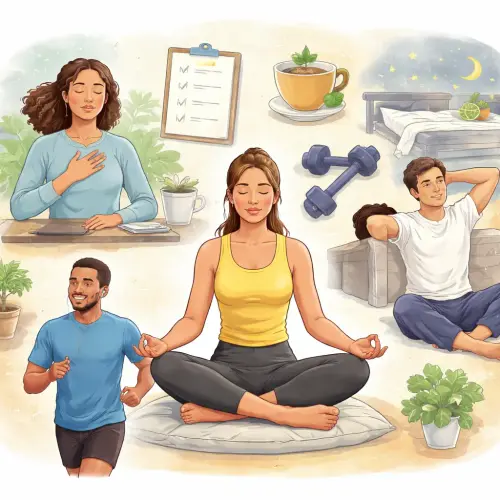
What You Need to Know About Anxiety and Your Daily Life
Anxiety is not a flaw — it is your brain’s alarm system working overtime. When you understand that daily habits affect anxiety levels, you can take control. The strategies in this article are designed to be practical, requiring no special equipment or expensive therapy. They are backed by research and real-world success stories from people who learned to manage anxiety in everyday life. For a related guide, see 11 Healthy Habits That Reduce Anxiety and Improve Mood.
Remember: you are not trying to eliminate anxiety completely. The goal is to reduce its intensity and frequency so you can respond rather than react. Let’s explore the effective strategies to cope with anxiety daily that can transform your mornings, afternoons, and evenings.
Strategy 1: Practice Mindful Morning Minutes
Mindfulness for anxiety management starts the moment you wake up. Instead of grabbing your phone, spend three minutes noticing your breath, the light in the room, and the sensation of your feet on the floor. This simple act trains your brain to stay in the present rather than spiraling into future worries. Studies from institutions like the American Psychological Association confirm that regular mindfulness practice reduces cortisol levels and improves emotional regulation.
Strategy 2: Use Breathing Techniques to Calm Your Nervous System
When anxiety spikes, your breath becomes shallow and rapid. Learning specific breathing techniques reduce anxiety symptoms by activating the parasympathetic nervous system. Try the 4-7-8 method: inhale for 4 seconds, hold for 7, exhale for 8. Repeat four times. This technique is one of the most proven ways to reduce stress and worry in under two minutes.
Strategy 3: Move Your Body Daily
Regular exercise improve mental wellness by releasing endorphins and reducing inflammation. You don’t need a gym membership. A brisk 20-minute walk, gentle yoga, or dancing in your living room can lower anxiety symptoms. The key is consistency. Physical activity also helps you stop overthinking daily by giving your brain a break from ruminative loops.
Strategy 4: Eat Foods That Soothe Your System
Certain foods reduce anxiety naturally by supporting gut health and stabilizing blood sugar. Include magnesium-rich foods like spinach and almonds, omega-3s from salmon or flaxseeds, and probiotics from yogurt or kimchi. Avoid excessive caffeine and sugar, which can mimic or worsen anxiety. Nutrition is a foundational piece of lifestyle changes reduce anxiety long term.
Strategy 5: Prioritize Sleep Hygiene
How sleep affects anxiety and mood is well-documented: poor sleep increases amygdala reactivity and impairs rational thinking. Aim for 7–9 hours of quality sleep by keeping a consistent schedule, reducing blue light before bed, and creating a cool, dark room. If you struggle with racing thoughts at night, a short journaling manage anxious thoughts session before bed can help you empty your mind.
Strategy 6: Keep a Worry Journal
Journaling manage anxious thoughts by externalizing them. Write down exactly what you are worried about, then challenge the thought with evidence. This process, known as cognitive restructuring, helps you improve emotional resilience over time. You can also keep a “gratitude log” to balance your focus. Just five minutes a day can shift your mindset.
Strategy 7: Build Healthy Coping Mechanisms for Stress
Many people use food, alcohol, or screen time to numb anxiety. Replace those with healthy coping mechanisms for stress such as talking to a friend, listening to calm music, or spending time in nature. These activities provide genuine relief without negative side effects. Over time, they become automatic responses to daily pressures.
Strategy 8: Reframe Your Relationship with Uncertainty
Anxiety thrives on intolerance of uncertainty. Practice accepting that you cannot control everything. Use affirmations like “I can handle whatever comes” or “Uncertainty is part of growth.” This cognitive approach is one of the most powerful proven ways to reduce stress and worry because it addresses the root fear directly.
Strategy 9: Schedule Worry Time
Paradoxically, scheduling time to worry can reduce it. Set aside 15 minutes each day to sit with your anxious thoughts. When worries arise outside that window, remind yourself: “I will deal with this during my worry time.” This technique helps you manage anxiety in everyday life without letting it take over your entire day.
Strategy 10: Limit News and Social Media Intake
Constant exposure to alarming headlines can keep your nervous system on high alert. Set boundaries: no screens for the first hour of the day, and a digital curfew 30 minutes before bed. Being intentional about what you consume is a critical strategy to cope with anxiety daily. Replace doomscrolling with a podcast, a book, or a calming playlist.
Strategy 11: Practice Progressive Muscle Relaxation
Relaxation techniques improve mental balance by releasing physical tension. Progressive muscle relaxation involves tensing and then relaxing each muscle group, from your toes to your scalp. Do this lying down for 10–15 minutes. It lowers heart rate and interrupts the stress cycle. This technique is especially useful before sleep or after a triggering event.
Strategy 12: Strengthen Social Connections
Isolation worsens anxiety. Reaching out to a trusted friend or family member, even for a short call, can reduce feelings of threat. Volunteering, joining a hobby group, or participating in an online community also builds resilience. Creating a support network is a long-term lifestyle change reduces anxiety long term because it provides both distraction and validation.
Strategy 13: Set Realistic Goals and Boundaries
Overcommitment is a major driver of anxiety. Learn to say no without guilt. Break large tasks into smaller, manageable steps. Use a planner to balance work, rest, and play. When you set boundaries, you send a message to your brain that your well-being matters. This is one of the most effective lifestyle changes reduce anxiety long term because it prevents burnout.
How to Combine These Strategies Into a Daily Routine
You don’t need to implement all 13 at once. Start with one or two that resonate most. For example, begin with breathing techniques reduce anxiety symptoms in the morning, then add a walk in the afternoon. After a week, include a worry journal before bed. The goal is to create a sustainable system that addresses the question: “Why do daily habits affect anxiety levels?” — because they train your brain to default to calm, not panic. For a related guide, see 14 Doctor Approved Ways to Manage Anxiety Better.
Useful Resources
For further reading on effective strategies to cope with anxiety daily, explore the following trusted sources:
- National Institute of Mental Health – Anxiety Disorders – Comprehensive overview of anxiety types and evidence-based treatments.
- Mayo Clinic – Anxiety: Symptoms and Causes – In-depth clinical information to help you understand your symptoms.
Final Thoughts on Building Emotional Resilience
Living with anxiety is challenging, but you have more power than you realize. By applying these effective strategies to cope with anxiety daily, you can gradually reduce the grip that worry and stress have on your life. Remember: progress is not linear. Some days will be harder than others. What matters is that you keep going, using the tools that work for you. Your mental wellness is worth the effort. Start today, one small habit at a time.
Frequently Asked Questions About Effective Strategies to Cope With Anxiety Daily
What are effective strategies to cope with anxiety daily ?
Effective strategies include mindfulness, breathing exercises, regular physical activity, healthy nutrition, quality sleep, journaling, and setting boundaries. The key is consistency — small daily actions produce cumulative relief.
How can people manage anxiety in everyday life ?
People can manage anxiety by creating routines that include calming practices, limiting stressors like news overload, using breathing techniques, and seeking social support. Professional help is also valuable when needed.
Why do daily habits affect anxiety levels ?
Daily habits shape your brain’s neural pathways. Routines like regular sleep, exercise, and mindfulness lower baseline cortisol and train your brain to respond calmly to triggers rather than react with panic.
What are proven ways to reduce stress and worry ?
Proven methods include cognitive behavioral therapy techniques, physical activity, mindfulness meditation, deep breathing, adequate sleep, and reducing caffeine and alcohol. These approaches are supported by decades of research.
How does mindfulness help with anxiety management?
Mindfulness helps by grounding you in the present moment, reducing rumination about the past or future. Regular practice decreases amygdala reactivity and increases prefrontal cortex regulation, lowering anxiety over time.
What breathing techniques reduce anxiety symptoms ?
The 4-7-8 technique, diaphragmatic breathing, and box breathing are highly effective. They activate the vagus nerve, slowing heart rate and promoting a relaxation response within minutes.
How can exercise improve mental wellness ?
Exercise releases endorphins, reduces inflammation, and improves sleep. It also provides a healthy distraction and a sense of accomplishment. Even low-intensity movement like walking or stretching is beneficial.
What foods help reduce anxiety naturally?
Foods rich in magnesium (spinach, almonds), omega-3 fatty acids (salmon, chia seeds), probiotics (yogurt, kimchi), and complex carbohydrates (oatmeal, quinoa) support gut-brain health and stable mood.
How does sleep affect anxiety and mood?
Poor sleep increases cortisol and makes the amygdala more reactive. Quality sleep helps consolidate emotional memories and restores the prefrontal cortex, which is essential for rational thought and emotional regulation.
What are healthy coping mechanisms for stress ?
Healthy coping mechanisms include talking to a friend, journaling, physical activity, creative hobbies, spending time in nature, and using relaxation techniques. These build resilience without negative side effects.
How can journaling help manage anxious thoughts?
Journaling externalizes worries, making them feel more manageable. It also promotes cognitive restructuring by helping you identify irrational fears and replace them with balanced perspectives.
What are ways to improve emotional resilience ?
Improve resilience by practicing self-compassion, maintaining strong social connections, developing problem-solving skills, and regularly using stress-reduction techniques like mindfulness and exercise.
How can people stop overthinking daily ?
Set a timer for worry time, challenge catastrophic thoughts with evidence, engage in absorbing activities (like puzzles or exercise), and practice acceptance. Overthinking diminishes when you interrupt the cycle consistently.
What lifestyle changes reduce anxiety long term ?
Long-term changes include establishing a consistent sleep schedule, regular physical activity, a balanced diet, limiting alcohol and caffeine, reducing screen time, and cultivating a mindfulness practice.
How can relaxation techniques improve mental balance ?
Relaxation techniques like progressive muscle relaxation, guided imagery, and body scans reduce physical tension, lower heart rate, and shift the nervous system from fight-or-flight to rest-and-digest.
Can anxiety be cured with daily habits alone?
For mild to moderate anxiety, consistent daily habits can significantly reduce symptoms. However, severe or persistent anxiety may benefit from professional support, including therapy and medication.
How long does it take for new habits to reduce anxiety?
Most people notice improvements within two to four weeks of consistent practice. Neuroplasticity — the brain’s ability to change — requires repetition, so patience and consistency are essential.
Is it normal to feel worse before feeling better?
Yes, when you start practicing mindfulness or facing avoided situations, anxiety can temporarily increase. This is a normal part of the adjustment process. Stick with the practice, and relief typically follows.
What should I do if daily strategies aren’t enough?
If your anxiety interferes with daily functioning, consider reaching out to a therapist or counselor. Cognitive behavioral therapy and medication are highly effective options that work well alongside lifestyle strategies.
Can children and teens use these strategies?
Yes, with age-appropriate adaptations. Breathing exercises, journaling, and physical activity are safe and beneficial for younger people. Involving a parent or school counselor can enhance success.