
Foods That Help You Sleep Better Key Takeaways
Getting quality sleep isn’t just about your mattress or bedtime routine—it’s also about what you eat.
- Foods That Help You Sleep Better are rich in magnesium, tryptophan, melatonin, and calcium—nutrients that calm the nervous system and regulate sleep cycles.
- Natural sleep aids like tart cherries, bananas, almonds, and fatty fish can improve sleep onset and quality without relying on medication.
- Pairing these foods with a consistent evening routine and avoiding stimulants like caffeine and sugar before bed maximizes their benefits.
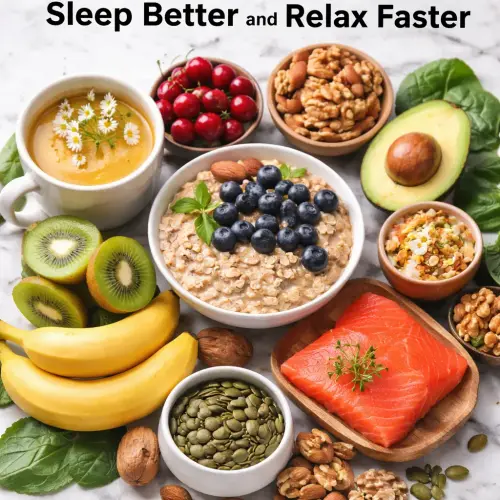
What Makes Some Foods Effective for Sleep and Relaxation?
The science behind Foods That Help You Sleep Better comes down to key nutrients. Melatonin is the hormone that signals your body it’s time to rest. Tryptophan is an amino acid your body converts into serotonin and then melatonin. Magnesium relaxes muscles and calms the nervous system. Calcium helps the brain use tryptophan effectively. When you include foods rich in these compounds in your evening meals or snacks, you give your body the raw materials it needs to wind down naturally. For a related guide, see 10 Bedtime Habits That Improve Sleep Quality Naturally.
The 12 Best Foods That Help You Sleep Better and Relax Faster
Below is a carefully chosen list of Foods That Help You Sleep Better. Each entry explains why the food works, how to incorporate it into your evening routine, and what to expect in terms of sleep benefits.
1. Tart Cherries and Cherry Juice
Tart cherries are one of the few natural sources of melatonin. Studies show that drinking tart cherry juice can increase sleep time and improve sleep quality. A small glass about an hour before bed works well. You can also eat dried tart cherries as a snack. Choose unsweetened varieties to avoid extra sugar that can interfere with sleep. For a related guide, see 12 Proven Fitness Habits for a Healthier Lifestyle.
2. Bananas
Bananas are rich in magnesium and potassium, both of which relax muscles. They also contain tryptophan, which your body converts into serotonin and melatonin. A banana with a small handful of almonds makes an excellent pre-bed snack. The natural sugars in bananas are balanced by fiber, so they won’t spike your blood sugar.
3. Almonds
Almonds are packed with magnesium, which is known to improve sleep quality, especially for people with insomnia. They also provide protein that stabilizes blood sugar overnight. A handful (about 1 ounce) is enough to reap the benefits without overeating. You can eat them plain or pair them with a banana for a double dose of sleep support.
4. Walnuts
Walnuts contain melatonin directly, plus healthy omega-3 fatty acids that reduce inflammation and stress. Including walnuts in your evening snack or dinner salad can help regulate your sleep-wake cycle. They also support brain health, which is important for overall relaxation and stress management.
5. Oats
Oats are a complex carbohydrate that increases the availability of tryptophan in the brain. A warm bowl of oatmeal with a splash of milk can be soothing before bed. Choose plain oats and add a little honey or cinnamon for flavor. Avoid instant oatmeal packets with added sugar, as sugar can disrupt sleep.
6. Warm Milk
Warm milk has a long history as a sleep aid for good reason. It contains tryptophan and calcium, which help the brain produce melatonin. The warmth itself can be comforting and signal to your body that it’s time to relax. A small cup of warm milk or plant-based milk (like almond or oat milk) about 30 minutes before bed is a simple ritual that works.
7. Kiwifruit
Kiwifruit is rich in serotonin, a precursor to melatonin. Research has shown that eating two kiwifruits one hour before bed can help you fall asleep faster and stay asleep longer. Kiwis are also packed with vitamin C and antioxidants, which reduce stress and inflammation that can interfere with rest. They make a light, refreshing evening snack.
8. Turkey
Turkey is famously high in tryptophan. While it’s often blamed for post-Thanks Dinner drowsiness, the effect is real when combined with carbohydrates. A few slices of turkey on whole-grain bread or with a small baked potato can provide the amino acid your body needs to produce melatonin. Keep portions light to avoid digestive discomfort.
9. Yogurt
Yogurt contains calcium, which is essential for melatonin production. Greek yogurt also offers protein and probiotics that support gut health, and a healthy gut is linked to better sleep. Choose plain, unsweetened yogurt and add a few berries or a drizzle of honey for natural sweetness. Avoid flavored yogurts with added sugars.
10. Leafy Greens
Leafy greens like spinach, kale, and Swiss chard are excellent sources of magnesium and calcium. These minerals work together to calm the nervous system and relax muscles. You don’t have to eat a salad before bed—try wilting spinach into a warm grain bowl or adding kale to a light soup. A small serving is enough to support sleep.
11. Fatty Fish
Fatty fish such as salmon, mackerel, and trout are high in omega-3 fatty acids and vitamin D, both of which help regulate serotonin and melatonin. Eating fatty fish a few times a week can improve overall sleep quality. For an evening meal, pair grilled salmon with leafy greens and a side of quinoa for a sleep-friendly dinner.
12. Chamomile Tea
Chamomile tea is not a food, but it’s a beverage that deserves a spot on this list. It contains apigenin, an antioxidant that binds to receptors in the brain and promotes sleepiness. A warm cup of chamomile tea about 30–45 minutes before bed can help you relax and prepare for sleep. You can add a dash of honey if desired, but avoid sugar.
How These Foods Support Relaxation and Sleep Quality
When you consistently include Foods That Help You Sleep Better in your diet, you’re not just getting a single nutrient—you’re supporting a complex system of hormones and neurotransmitters. Magnesium for relaxation works by calming the nervous system and reducing cortisol, the stress hormone. Tryptophan rich foods provide the building blocks for serotonin, which then converts to melatonin. Foods with natural melatonin like tart cherries and walnuts give your body a direct source of the sleep hormone. Together, these nutrients create an environment where falling asleep and staying asleep becomes easier. For a related guide, see 15 Natural Ways to Sleep Better and Wake Up Refreshed.
Understanding the Role of Melatonin
Melatonin is the primary hormone that regulates your sleep-wake cycle. Your body naturally produces it in response to darkness, but certain foods can boost its levels. Tart cherries, walnuts, and oats are among the best food sources. When you eat these foods in the evening, you signal your body to begin winding down. This is especially helpful for shift workers or people with irregular schedules whose natural melatonin production may be off.
The Calming Effect of Magnesium
Magnesium is often called the relaxation mineral. It helps regulate GABA, a neurotransmitter that promotes calmness. Low magnesium levels are linked to insomnia and restless sleep. Almonds, spinach, bananas, and fatty fish are excellent sources. Adding these foods to your evening routine can reduce muscle tension and mental chatter, making it easier to drift off.
How Tryptophan Works
Tryptophan is an essential amino acid that your body cannot produce on its own. It must come from diet. Once consumed, tryptophan is converted into serotonin, which then can be converted into melatonin. Turkey, yogurt, bananas, and oats are all good sources. To maximize tryptophan’s effects, pair it with a small amount of carbohydrate—like whole-grain crackers or a slice of bread—which helps transport it to the brain.
Practical Tips for Building a Sleep-Boosting Evening Routine
Knowing which foods to eat is only half the battle. You also need to incorporate them in a way that supports your sleep. Here are a few practical guidelines:
- Timing matters: Eat your last meal or snack 1–2 hours before bed to allow digestion.
- Portion control: Keep snacks small (around 150–200 calories) to avoid overeating, which can cause discomfort.
- Pair carbohydrates with protein: This combination helps tryptophan reach the brain more effectively.
- Avoid sugary snacks: Sugar can spike energy and disrupt sleep.
- Stay consistent: The benefits of these foods build over time with regular consumption.
Which Foods Should Be Avoided Before Sleeping?
Just as some foods help you sleep, others can sabotage your rest. Avoid caffeine-containing foods and drinks like coffee, black tea, green tea, chocolate, and some sodas for at least 6 hours before bed. Spicy foods can cause heartburn and disrupt sleep. Heavy, fatty meals take longer to digest and can lead to nighttime discomfort. Alcohol might make you feel sleepy initially, but it reduces sleep quality and leads to frequent awakenings later in the night.
Comparison Table: Nutrients in the Top Sleep Foods
| Food | Key Nutrient | Best Time to Eat | Serving Suggestion |
|---|---|---|---|
| Tart cherries | Melatonin | 1 hour before bed | 1/2 cup juice or 1/4 cup dried |
| Bananas | Magnesium, tryptophan | 30–60 minutes before bed | 1 medium banana |
| Almonds | Magnesium | 30 minutes before bed | 1 ounce (about 23 almonds) |
| Walnuts | Melatonin, omega-3 | 1 hour before bed | 1 ounce (about 14 halves) |
| Oats | Complex carbs, tryptophan | 1–2 hours before bed | 1/2 cup cooked oatmeal |
| Warm milk | Tryptophan, calcium | 30 minutes before bed | 1 cup |
| Kiwifruit | Serotonin | 1 hour before bed | 2 kiwifruits |
| Turkey | Tryptophan | Evening meal | 2–3 ounces |
| Yogurt | Calcium | 30–60 minutes before bed | 1/2 cup plain Greek yogurt |
| Leafy greens | Magnesium, calcium | Evening meal | 1 cup cooked or 2 cups raw |
| Fatty fish | Omega-3, vitamin D | Dinner | 3–4 ounces grilled |
| Chamomile tea | Apigenin | 30–45 minutes before bed | 1 cup |
How Diet Affects Stress and Sleep Cycles
The connection between diet and sleep is bidirectional. Poor sleep can lead to cravings for unhealthy foods, and a poor diet can make it harder to sleep well. Natural sleep aids like the foods listed above help break this cycle. They provide the nutrients your body needs to produce calming hormones, reduce inflammation, and regulate cortisol. Over time, a diet rich in magnesium for relaxation and tryptophan rich foods can lower overall stress levels and improve your ability to fall asleep naturally.
Useful Resources
For more in-depth information on the science of sleep and nutrition, check these resources:
Final Thoughts: Your Path to Better Sleep Starts on Your Plate
If you’ve been struggling with restless nights, look no further than your kitchen. The Foods That Help You Sleep Better listed here are backed by science and easy to incorporate into your daily routine. Whether you choose tart cherries for their melatonin, almonds for magnesium, or warm milk for its comforting tryptophan, each bite brings you closer to deeper, more restorative rest. Start small: pick one or two foods from this list and add them to your evening routine this week. Your body—and your sleep—will thank you.
Call to action: Try adding a banana with a handful of almonds as your evening snack tonight. Notice how you feel in the morning.
Frequently Asked Questions About Foods That Help You Sleep Better
What are 12 foods that help you sleep better and relax faster?
The 12 foods are tart cherries, bananas, almonds, walnuts, oats, warm milk, kiwifruit, turkey, yogurt, leafy greens, fatty fish, and chamomile tea. Each contains nutrients like melatonin, magnesium, or tryptophan that support relaxation and sleep.
How does food affect sleep quality?
Certain foods provide nutrients your body uses to produce sleep-regulating hormones like melatonin and serotonin. Other foods contain minerals like magnesium that calm the nervous system. Eating the right foods can help you fall asleep faster and enjoy deeper, more restorative sleep.
What foods contain melatonin naturally?
Tart cherries, walnuts, oats, and bananas are among the best natural food sources of melatonin. Eating these foods can raise your melatonin levels and signal your body that it’s time to rest.
Which fruits help improve sleep?
Kiwifruit, tart cherries, and bananas are particularly effective for improving sleep. Kiwifruit provides serotonin, cherries supply melatonin, and bananas offer magnesium and tryptophan.
How does magnesium help with relaxation and sleep?
Magnesium helps regulate neurotransmitters that calm the nervous system, including GABA. It also reduces cortisol levels and relaxes muscles, making it easier to fall asleep and stay asleep.
Can bananas help you sleep better?
Yes, bananas are rich in magnesium and potassium, which relax muscles, and they contain tryptophan, which can be converted into sleep-promoting serotonin and melatonin.
What drinks are good before bedtime for sleep?
Chamomile tea, warm milk, tart cherry juice, and certain herbal teas like lavender or valerian root are excellent choices. Avoid caffeinated beverages and sugary drinks.
How does warm milk help you sleep?
Warm milk contains tryptophan and calcium, which help the brain produce melatonin. The warmth also has a soothing psychological effect, signaling relaxation.
What foods should I eat for insomnia?
For insomnia, focus on foods rich in magnesium (almonds, spinach), tryptophan (turkey, yogurt), and melatonin (tart cherries, walnuts). A small, balanced snack before bed can help.
How does tryptophan improve sleep quality?
Tryptophan is an amino acid that converts to serotonin in the brain, which then can be converted to melatonin. This process helps regulate sleep-wake cycles and promotes restful sleep.
What snacks are best before bed?
Bananas with almonds, a small bowl of oatmeal, plain yogurt with a few berries, a glass of warm milk, or a handful of walnuts are all excellent pre-bed snacks.
Can cherries improve sleep naturally?
Yes, tart cherries are one of the few natural food sources of melatonin. Drinking tart cherry juice or eating dried tart cherries before bed has been shown to improve sleep duration and quality.
How does diet affect stress and sleep?
A diet rich in whole foods, healthy fats, and lean protein helps regulate cortisol and supports neurotransmitter production. Poor diet can increase stress and disrupt sleep cycles.
What foods should be avoided before sleeping?
Avoid caffeine, spicy foods, heavy or fatty meals, sugary snacks, and alcohol before bed. These can disrupt sleep by causing heartburn, blood sugar spikes, or poor sleep architecture.
What are natural foods that calm the nervous system?
Leafy greens, almonds, walnuts, chamomile tea, bananas, and fatty fish contain magnesium, omega-3s, and other compounds that calm the nervous system and reduce stress.
How quickly can these foods improve my sleep?
Some people notice a difference within a few days, but consistent consumption over a week or two usually yields the best results. Combine these foods with good sleep hygiene for maximum benefit.
Can I take supplements instead of eating these foods?
Whole foods provide a complex matrix of nutrients that work synergistically. While supplements can help, getting these nutrients from food is generally more effective for overall health and sleep.
Are these foods safe for everyone?
Most people can safely eat these foods. If you have specific health conditions or take medications, check with your doctor, especially if you are on blood thinners or have kidney issues.
How much of these foods should I eat before bed?
Keep portion sizes small, around 150–200 calories. A handful of nuts, a banana, a small bowl of oatmeal, or a cup of tea is usually enough without causing digestive discomfort.
Can I combine several of these foods in one meal?
Yes, combining foods like yogurt with berries, oatmeal with walnuts, or a turkey and spinach wrap can provide a broad range of sleep-supporting nutrients in one meal.