
benefits of exercise for gut microbiome Key Takeaways
Your gut microbiome is a bustling community of trillions of bacteria, fungi, and other microbes that influence everything from digestion to immunity—and even your mood.
- Exercise increases microbial diversity, a key marker of a healthy gut.
- Physical activity helps reduce gut inflammation and strengthens the intestinal barrier.
- Consistent moderate to vigorous exercise supports the growth of beneficial bacteria like Akkermansia muciniphila .
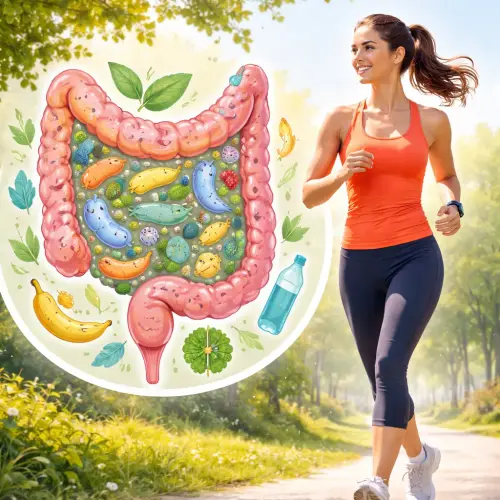
Why Your Gut Microbiome Needs Exercise
Think of your gut microbiome like a garden. If you want it to thrive, you need to water it, give it sunlight, and occasionally pull the weeds. Exercise is like that sunlight—it’s one of the most effective ways to cultivate a diverse, resilient ecosystem inside your digestive tract. But unlike a garden, your gut doesn’t just sit there; it communicates directly with your brain, immune system, and metabolism. When your microbiome is diverse and balanced, you’re less likely to experience bloating, sluggishness, or frequent colds. On the flip side, a lack of physical activity is linked to lower bacterial diversity and a higher risk of gut-related issues. For a related guide, see Proven Ways Intermittent Fasting May Improve Gut Health: 8 Key Benefits.
So whether you’re already a gym-goer or someone who hasn’t broken a sweat since PE class, understanding these nine benefits of exercise for gut microbiome health might be just the motivation you need.
How Exercise Improves Gut Bacteria Diversity
One of the most consistent findings in gut microbiome research is that people who exercise regularly have more diverse gut bacteria. And diversity matters—it’s like having a well-stocked toolbox. The more types of bacteria you have, the better equipped your gut is to handle different foods, pathogens, and stressors.
Increased Abundance of Beneficial Strains
Studies show that athletes and active individuals tend to have higher levels of Akkermansia muciniphila, a friendly bacterium linked to better metabolic health and a stronger gut lining. This bug feeds on the mucus layer of your gut, helping to keep it thick and healthy. Regular moderate-to-vigorous exercise—think brisk walking, jogging, or cycling—can boost its population without any supplements.
Why Diversity = Resilience
A diverse microbiome is more resilient. If you eat something that throws things off balance, a diverse community can bounce back faster. Exercise also increases the production of short-chain fatty acids (SCFAs) like butyrate, which feed your gut cells and reduce inflammation. This is one of the most profound exercise benefits for gut health.
Reduces Gut Inflammation and Strengthens the Gut Barrier
Chronic low-grade inflammation in the gut is linked to everything from irritable bowel syndrome to autoimmune disorders. Exercise helps tamp down that inflammation in two ways: by reducing systemic inflammatory markers like C-reactive protein, and by strengthening the physical barrier of your gut lining.
How a Stronger Gut Lining Protects You
Your gut barrier is a single layer of cells that decides what gets into your bloodstream and what stays out. When it’s leaky (often called intestinal permeability), undigested food particles and toxins can slip through, triggering inflammation. Regular physical activity promotes the production of tight junction proteins that seal the barrier, keeping your gut—and the rest of your body—happier.
Exercise and the Anti-Inflammatory Microbiome
Exercise also shifts the composition of your microbiome toward species that produce anti-inflammatory compounds. One example is Faecalibacterium prausnitzii, a butyrate-producing bacterium that’s often lower in people with inflammatory bowel conditions. A good sweat session can help it flourish.
How to Improve Gut Health with Exercise: Practical Tips
Now that you know the benefits of exercise for gut microbiome, you might be wondering what kind of workout actually helps. The good news is you don’t need to run marathons. Consistency matters more than intensity.
Start with Moderate Movement
If you’re new to exercise, aim for 20 to 30 minutes of moderate activity most days. Brisk walking, swimming, or cycling at a conversational pace are excellent choices. This level of effort is enough to stimulate beneficial changes in your gut without overwhelming your system.
Mix Cardio with Strength Training
Combining aerobic exercise with resistance training seems to produce the best results for gut diversity. For example, three days of cardio plus two days of bodyweight or light weight training per week can create a solid foundation. Consistency beats perfection every time.
Don’t Forget Recovery
Overtraining can backfire. Excessive intense exercise without adequate recovery increases gut permeability and inflammation. So take rest days seriously, get seven to nine hours of sleep, and stay hydrated. Your gut needs downtime to repair and rebuild.
Boosts Short-Chain Fatty Acid Production (Butyrate, Acetate, Propionate)
Short-chain fatty acids (SCFAs) are the main fuel source for cells lining your colon. Without enough SCFAs, your gut cells can starve and the barrier weakens. Exercise naturally ramps up SCFA production by feeding the bacteria that make them.
Butyrate and the Gut-Brain Axis
Butyrate, in particular, plays a starring role in the gut-brain connection. It helps regulate inflammation in the brain and can even influence mood and anxiety levels. By promoting butyrate production, exercise indirectly supports mental clarity and emotional stability.
Enhances Post-Meal Digestion and Nutrient Absorption
Ever notice you feel less bloated after a walk? That’s because gentle movement stimulates gastric motility—the natural wave-like contractions that move food through your digestive tract. Over time, regular exercise trains your digestive system to process meals more efficiently, reducing symptoms like gas, cramping, and sluggishness.
The Role of Blood Flow
Physical activity increases blood flow to your intestines, which improves nutrient absorption. More blood means more oxygen and nutrients delivered to gut cells, helping them regenerate and function optimally. This is another reason why consistent movement keeps your gut microbiome in a state of healthy turnover.
Helps Regulate Appetite and Cravings
You might think of exercise as purely a calorie burner, but it actually shifts your gut hormone balance in ways that curb unhealthy cravings. When you work out, your body releases peptides that signal fullness, while also reducing ghrelin (the hunger hormone). Over time, this can help you make better food choices—which in turn feeds your gut bacteria the fiber and nutrients they need.
A Virtuous Cycle
Healthier food choices feed beneficial bacteria, which produce more SCFAs and reduce inflammation. That lower inflammation improves your energy and mood, making you more likely to exercise again. It’s a circular reward system that starts with just a few workouts per week.
Lowers Risk of Gut-Related Chronic Diseases
A growing body of research links poor gut health to conditions like type 2 diabetes, obesity, cardiovascular disease, and even some cancers. Because exercise improves bacterial diversity, reduces inflammation, and strengthens the gut barrier, it directly lowers your risk profile for all these diseases.
Exercise and the Microbiome in Disease Prevention
For example, people with prediabetes who start a structured exercise program often see improvements in their gut microbiome composition within weeks. These changes correlate with better blood sugar control and lower inflammatory markers. It’s not magic—it’s biology.
Supports Mental Health Through the Gut-Brain Axis
The gut and brain are in constant two-way communication via the vagus nerve, immune signals, and microbial metabolites. Exercise boosts this connection by increasing the production of brain-derived neurotrophic factor (BDNF) and reducing stress hormones like cortisol. A healthier gut means a more resilient mood.
The Microbiome-Mood Link
Beneficial gut bacteria produce neurotransmitters like serotonin and GABA. In fact, about 90% of your body’s serotonin is made in your gut. When you exercise, you encourage the growth of bacteria that support this production, which can help with anxiety, depression, and overall mental clarity.
Promotes Better Sleep, Which Further Benefits Your Gut
Exercise improves sleep quality by helping you fall asleep faster and spend more time in deep sleep. And good sleep is critical for your microbiome. During deep sleep, your body repairs gut lining cells, balances immune function, and clears metabolic waste from the brain.
The Cycle of Recovery
Better sleep leads to less stress and better food choices, which support a healthy microbiome. A healthy microbiome produces metabolites that promote deeper sleep. Exercise starts and strengthens this positive feedback loop. For a related guide, see Immune System: Daily Habits to Boost Health.
Makes Your Gut More Resilient to Stress
We all face stressful moments—but not all guts handle them equally. Exercise trains your body’s stress response system (the HPA axis) to be less reactive. When you work out, you release endorphins and lower baseline cortisol. A calmer nervous system means less inflammation in the gut, and a more stable environment for your bacteria to thrive.
Useful Resources
If you want to dig deeper into the science behind these benefits of exercise for gut microbiome health, these two resources are excellent starting points:
- The Effect of Exercise on the Gut Microbiome: A Systematic Review – A thorough research overview from the National Institutes of Health.
- Does Exercise Help Your Gut? – Harvard Health’s accessible take on the topic, with practical advice.
Frequently Asked Questions About benefits of exercise for gut microbiome
What are the main benefits of exercise for gut microbiome?
Regular exercise increases bacterial diversity, reduces inflammation, strengthens the gut barrier, and boosts production of healthy short-chain fatty acids like butyrate.
How often should I exercise to improve my gut health?
Aim for at least 150 minutes of moderate aerobic activity per week, combined with two days of strength training. Consistency is more important than intensity.
Can walking improve my gut microbiome?
Yes, brisk walking for 20–30 minutes daily can increase bacterial diversity and promote beneficial strains like Akkermansia muciniphila.
Does running improve gut bacteria?
Running and other forms of aerobic exercise are particularly effective at boosting butyrate-producing bacteria and improving overall gut health.
How long does it take for exercise to change gut microbiome?
Positive changes can begin within a few weeks of starting a consistent exercise routine, but significant shifts in diversity may take several months.
Is it better to exercise before or after meals for gut health?
Exercising 30–60 minutes after a meal may aid digestion by stimulating gastric motility, but for high-intensity workouts, it’s best to exercise on an emptier stomach.
Can over-exercising harm my gut microbiome?
Yes, excessive high-intensity training without enough recovery can increase gut permeability and inflammation, temporarily harming your microbiome.
Does exercise increase Akkermansia muciniphila?
Yes, several studies report higher levels of Akkermansia in active individuals, which is linked to better metabolism and gut barrier function.
What type of exercise is best for the gut microbiome?
A mix of moderate aerobic activity (like brisk walking or cycling) and strength training appears most effective for microbial diversity.
Does strength training affect gut bacteria?
Resistance training may support microbial diversity, especially when combined with adequate protein intake and recovery, though aerobic exercise shows stronger direct effects.
Can exercise help with bloating and gas?
Moderate exercise like walking stimulates peristalsis and can help move gas through the digestive tract, reducing bloating and discomfort.
Does exercise help leaky gut?
Regular, moderate exercise may strengthen the intestinal barrier by promoting tight junction proteins and reducing inflammation, potentially helping with leaky gut.
How does exercise affect short-chain fatty acids?
Physical activity boosts the production of SCFAs like butyrate, acetate, and propionate by feeding beneficial bacteria that ferment dietary fiber.
Can exercise improve gut health without dietary changes?
Exercise can independently improve gut diversity and reduce inflammation, but pairing it with a fiber-rich diet yields the best results.
Does exercise affect the gut-brain axis?
Yes, exercise strengthens the gut-brain axis by supporting beneficial bacteria that produce neurotransmitters like serotonin and GABA, and by reducing cortisol.
What is the best time of day to exercise for gut health?
Morning exercise may support circadian rhythms that influence gut microbial composition, but consistency at any time is more important than the clock.
Does yoga help the gut microbiome?
Yoga can reduce stress and inflammation, and some studies suggest it may positively influence the gut microbiome, especially when combined with deep breathing.
Can exercise prevent antibiotic-related gut damage?
Exercise may help restore microbial diversity after antibiotic use by supporting the growth of beneficial bacteria, though it should not replace medical advice.
Does high-intensity interval training (HIIT) affect the gut microbiome differently than steady-state cardio?
HIIT can rapidly increase microbial diversity and butyrate production, but its high stress on the body may require careful recovery to avoid negative gut effects.
Can I improve my gut microbiome with just 10 minutes of exercise a day?
Even short daily workouts (10–15 minutes) can kickstart positive changes, but 20–30 minutes per session seems more effective for noticeable shifts.