
Natural Ways to Sleep Better Key Takeaways
Whether you are a shift worker battling a disrupted schedule, a student pulling late study sessions, or a professional managing high stress, these Natural Ways to Sleep Better will help you reclaim restful nights and productive mornings.
- Improving Natural Ways to Sleep Better starts with your daily routine — from morning sunlight to evening wind-down rituals.
- Small changes like reducing screen time before bed, adjusting your sleep environment, and timing meals can dramatically improve sleep quality .
- These 15 strategies are backed by sleep science and practical enough for busy professionals, students, and anyone looking to wake up refreshed without relying on sleeping pills.
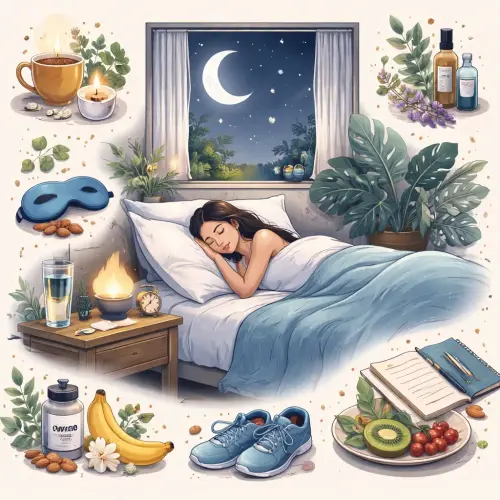
What Readers Should Know About Natural Ways to Sleep Better
Sleep is not a luxury — it is a biological necessity. Yet millions of people struggle to fall asleep, stay asleep, or wake up feeling rested. The good news? You do not need medication to fix it. By understanding how your body’s internal clock works and adopting simple habits, you can transform your sleep naturally.
Whether you are a shift worker battling a disrupted schedule, a student pulling late study sessions, or a professional managing high stress, these Natural Ways to Sleep Better will help you reclaim restful nights and productive mornings. For a related guide, see 13 Science Backed Ways to Naturally Reduce Daily Stress.
How Can I Improve My Sleep Naturally? Start With These 15 Strategies
Below are 15 proven, natural methods to improve sleep quality. Each one targets a different aspect of sleep health — from your environment to your daily habits. Integrate them gradually for lasting results.
1. Stick to a Consistent Sleep Schedule
Your body thrives on routine. Going to bed and waking up at the same time every day — even on weekends — reinforces your circadian rhythm. This consistency helps you fall asleep faster and wake up naturally without an alarm.
Why a consistent sleep schedule important is simple: it trains your brain to recognize when it is time to rest. Over time, your body will release melatonin and cortisol at the right times, making sleep more predictable and restorative.
2. Get Morning Sunlight Exposure
Morning light is the most powerful cue for your internal clock. Exposure to natural sunlight within 30 minutes of waking signals your brain to stop producing melatonin and start producing cortisol, which boosts alertness.
How does morning sunlight improve sleep cycle works by anchoring your circadian rhythm. Even 10–15 minutes of outdoor light can improve your ability to fall asleep later that night.
3. Reduce Screen Time Before Bed
Blue light from phones, tablets, and laptops suppresses melatonin production. Experts recommend putting away screens at least 60 minutes before bedtime.
How does screen time affect sleep goes beyond blue light. The content you consume — news, social media, work emails — can stimulate your brain and increase anxiety, making it harder to wind down.
4. Create a Dark, Cool, and Quiet Bedroom
Your sleep environment matters. A room that is too bright, warm, or noisy can fragment sleep. Use blackout curtains, keep the temperature between 60–67°F (15–19°C), and consider a white noise machine if you live in a noisy area.
A dark room helps your body produce melatonin naturally, while a cool temperature supports the drop in core body temperature needed for deep sleep.
5. Practice a Relaxing Bedtime Routine
Your brain needs a transition period from awake to asleep. A consistent bedtime routine for better sleep might include reading, gentle stretching, or taking a warm bath.
What are the best relaxation techniques before bed? Deep breathing, progressive muscle relaxation, and meditation are highly effective. Even 10 minutes of slow, diaphragmatic breathing can lower heart rate and prepare your body for rest.
6. Avoid Caffeine and Nicotine Late in the Day
Caffeine can stay in your system for 6–8 hours. A cup of coffee at 4 PM might still be disrupting your sleep at midnight. Nicotine is also a stimulant that can cause lighter, more fragmented sleep.
How does caffeine affect sleep quality is well-documented. It blocks adenosine, the chemical that makes you feel sleepy, and can reduce total sleep time and deep sleep stages.
7. Limit Heavy Meals and Alcohol Before Bed
Eating a large meal late at night can cause indigestion and interfere with sleep. Alcohol might help you fall asleep initially, but it disrupts REM sleep and leads to frequent awakenings.
Try to finish dinner at least 2–3 hours before bed. If you need a snack, choose something light like a banana or a small bowl of cherries, which contain natural melatonin.
8. Exercise Regularly — But Not Too Late
Physical activity reduces stress and increases sleep drive. Moderate aerobic exercise — like brisk walking, cycling, or swimming — can help you fall asleep faster and enjoy deeper sleep.
How does exercise improve sleep quality involves multiple mechanisms: it boosts serotonin, reduces anxiety, and helps regulate body temperature. However, high-intensity workouts within 1–2 hours of bedtime may be too stimulating for some people.
9. Manage Stress Through Journaling
An overactive mind is one of the most common causes of poor sleep. Writing down your worries, to-do lists, or gratitude notes before bed can offload mental clutter.
This simple practice helps reduce nighttime anxiety and puts you in a calmer state. Combined with other natural remedies for better sleep, journaling can be a powerful tool.
10. Use Relaxation Techniques Like Deep Breathing
When stress keeps you awake, breathing exercises can activate the parasympathetic nervous system. The 4-7-8 technique — breathe in for 4 seconds, hold for 7, exhale for 8 — is a popular method for falling asleep in minutes.
Other techniques include body scan meditation and guided sleep imagery, both of which shift focus away from racing thoughts.
11. Improve Your Sleep Hygiene
Sleep hygiene refers to the habits and practices that support quality sleep. This includes making your bedroom a tech-free zone, using your bed only for sleep (not work), and avoiding naps longer than 20–30 minutes.
How does sleep hygiene affect sleep quality is straightforward: poor sleep hygiene trains your brain to associate your bed with wakefulness. Good hygiene does the opposite — it creates strong mental cues for rest.
12. Eat Sleep-Friendly Foods
Certain foods can naturally promote sleep. Foods rich in tryptophan (turkey, eggs, dairy), magnesium (nuts, seeds, leafy greens), and melatonin (cherries, grapes) support the sleep process.
What foods help improve sleep naturally include kiwi, almonds, fatty fish, and whole grains. A balanced diet that avoids sugar and processed foods also reduces nighttime awakenings.
13. Limit Naps or Nap Smart
While naps can be restorative, long or late-afternoon naps can interfere with nighttime sleep. Keep naps under 30 minutes and schedule them before 3 PM.
If you suffer from insomnia, you might need to skip naps entirely to build up enough sleep drive for the night.
14. Use Natural Supplements With Caution
Melatonin supplements can help with jet lag or shift work, but they are not a long-term solution. Other natural options like magnesium glycinate, valerian root, and chamomile tea have shown modest benefits.
Always consult a healthcare professional before starting any supplement, as individual responses vary.
15. Get Out of Bed If You Can’t Sleep
If you are lying awake for more than 20 minutes, get up and do something calming in dim light — like reading or listening to soft music. Staying in bed while frustrated can create a negative association between your bed and wakefulness.
Return to bed only when you feel sleepy. This technique, known as stimulus control, is one of the core components of cognitive behavioral therapy for insomnia (CBT-I).
What Causes Poor Sleep and Fatigue? Common Culprits
Before fixing sleep, it helps to understand what is breaking it. Common causes of poor sleep and fatigue include:
- Irregular sleep schedule
- Chronic stress and anxiety
- Excessive screen time before bed
- Poor diet (high sugar, caffeine late in the day)
- Lack of physical activity
- Medical conditions such as sleep apnea or restless leg syndrome
Identifying your personal triggers is the first step toward using these Natural Ways to Sleep Better effectively.
What Habits Help You Fall Asleep Faster? A Quick Checklist
Here is a practical checklist you can use tonight:
- Put away screens 60 minutes before bed
- Dim the lights in your home after dinner
- Drink a cup of chamomile or passionflower tea
- Do 5 minutes of deep breathing or progressive muscle relaxation
- Write down any lingering thoughts or tasks for tomorrow
- Keep your bedroom cool, dark, and quiet
How to Reduce Insomnia Without Medication: Start With These Steps
Insomnia is complex, but natural approaches can help reduce its severity. Cognitive behavioral therapy for insomnia (CBT-I) is considered the gold standard. Its core elements include:
- Stimulus control (only use bed for sleep)
- Sleep restriction (limit time in bed to actual sleep time)
- Cognitive restructuring (challenge negative thoughts about sleep)
- Relaxation training (deep breathing, meditation)
You can begin practicing these techniques on your own. For persistent insomnia, consulting a sleep specialist is recommended.
Useful Resources
For more in-depth information on sleep science and natural sleep improvement, explore these trusted resources:
- Sleep Foundation: Evidence-Based Guides on Sleep Hygiene and Natural Sleep Aids
- CDC: Sleep and Sleep Disorders — Tips for Better Sleep
Frequently Asked Questions About Natural Ways to Sleep Better
What are 15 natural ways to sleep better and wake up refreshed?
They include maintaining a consistent sleep schedule, getting morning sunlight, reducing screen time before bed, optimizing your bedroom environment, practicing a relaxing bedtime routine, avoiding caffeine late in the day, limiting heavy meals and alcohol before bed, exercising regularly, managing stress through journaling and breathing, improving sleep hygiene, eating sleep-friendly foods, napping wisely, using natural supplements cautiously, and getting out of bed if you cannot sleep.
How can I improve my sleep naturally without medication?
Start by creating a consistent sleep schedule and a calming pre-sleep routine. Reduce exposure to blue light at night, make your bedroom dark and cool, and manage stress during the day. Regular exercise and a balanced diet also support natural sleep.
What habits help you fall asleep faster ?
Developing a consistent wind-down routine, putting away electronics an hour before bed, practicing deep breathing or meditation, and keeping a cool, dark room are habits that can help you fall asleep faster.
How does sleep hygiene affect sleep quality ?
Good sleep hygiene trains your brain to associate your bed with rest. Poor hygiene — like using your bed for work or watching TV — disrupts that association and leads to lighter, more fragmented sleep.
What foods help improve sleep naturally ?
Foods rich in tryptophan (turkey, eggs, dairy), magnesium (nuts, seeds, leafy greens), and melatonin (tart cherries, grapes) can help improve sleep. A light snack like a banana or a small bowl of cherries before bed may also help.
How does screen time affect sleep ?
Blue light from screens suppresses melatonin production, making it harder to fall asleep. The stimulating content also keeps your brain alert, delaying sleep onset and reducing overall sleep quality.
Why is a consistent sleep schedule important ?
A consistent schedule reinforces your circadian rhythm, making it easier to fall asleep and wake up naturally. It reduces the likelihood of jet lag-like symptoms on weekends and improves overall sleep efficiency.
What are the best relaxation techniques before bed ?
Deep breathing exercises (like the 4-7-8 technique), progressive muscle relaxation, meditation, guided imagery, and gentle yoga are highly effective for winding down before sleep.
How does exercise improve sleep quality ?
Exercise increases sleep drive, reduces stress and anxiety, and helps regulate body temperature. Regular moderate aerobic activity — such as walking, cycling, or swimming — is linked to deeper, more restorative sleep.
What causes poor sleep and fatigue ?
Common causes include irregular sleep schedules, chronic stress, excessive screen time, poor diet, lack of exercise, and medical conditions like sleep apnea or restless leg syndrome. Identifying the root cause is the first step to fixing it. For a related guide, see Anxiety and Insomnia: Why You Can’t Sleep at Night.
How can I reduce insomnia without medication ?
Natural approaches include cognitive behavioral therapy techniques (stimulus control, sleep restriction), relaxation exercises, improving sleep hygiene, and addressing underlying anxiety or stress. Consistency is key. For a related guide, see 10 Natural Habits for Stress Relief and Anxiety Control.
What is the best bedtime routine for better sleep ?
An effective bedtime routine lasts 30–60 minutes and includes dimming lights, putting away screens, doing a relaxing activity (reading, stretching, journaling), and keeping the bedroom cool and dark. Consistency matters more than the specific activity.
How does caffeine affect sleep quality ?
Caffeine blocks adenosine, the chemical that promotes sleepiness, and can stay in your system for 6–8 hours. Consuming it in the afternoon or evening can delay sleep onset, reduce total sleep time, and fragment deep sleep.
How does morning sunlight improve sleep cycle ?
Morning sunlight signals your brain to stop producing melatonin and start producing cortisol, which promotes alertness. This early exposure helps anchor your circadian rhythm, making it easier to fall asleep at a consistent time later.
What are natural remedies for better sleep ?
Natural remedies include chamomile tea, magnesium glycinate, melatonin supplements (short-term use), valerian root, lavender essential oil, and tart cherry juice. Always consult a healthcare provider before starting any new supplement.
Is it okay to take melatonin every night?
Melatonin is generally safe for short-term use, such as for jet lag or shift work. Long-term nightly use is not recommended unless advised by a doctor, as it can affect your natural hormone production.
Can napping help or hurt my sleep?
Short naps (20–30 minutes) can boost alertness without affecting nighttime sleep, especially if taken before 3 PM. Long or late naps can reduce sleep drive and make it harder to fall asleep at night.
How long does it take to improve sleep naturally?
Most people see improvements within 1–2 weeks of consistently applying natural sleep strategies. However, if you have chronic insomnia, it may take longer, and you may benefit from professional guidance.
Should I eat something before bed if I am hungry?
A small, light snack is fine if you are hungry. Good options include a banana, a glass of warm milk, a handful of almonds, or a small bowl of tart cherries. Avoid heavy, spicy, or sugary foods close to bedtime.
What if I have tried everything and still cannot sleep?
If natural strategies do not improve your sleep after several weeks, consider consulting a sleep specialist. Underlying conditions like sleep apnea, restless leg syndrome, or chronic insomnia may require medical evaluation.