
foods that feed healthy gut bacteria Key Takeaways
Supporting a thriving gut microbiome goes far beyond taking a daily probiotic—your daily diet is the most powerful lever for cultivating healthy gut bacteria .
- Diverse plant fibers act as prebiotics, fueling beneficial bacteria and promoting microbial diversity.
- Fermented foods introduce live probiotics directly into your digestive tract, boosting gut resilience.
- Regularly incorporating these 15 foods that feed healthy gut bacteria can improve digestion, reduce inflammation, and support immune function.
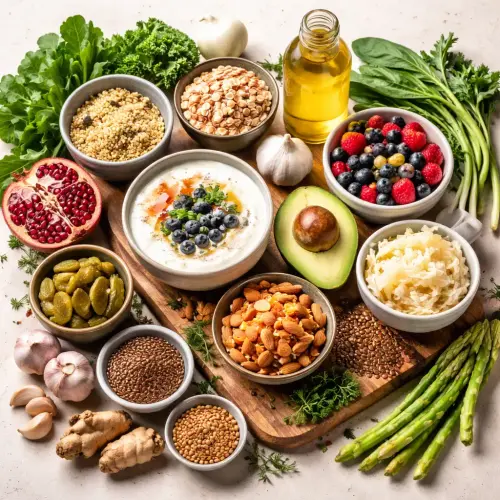
Why Choosing the Right foods that feed healthy gut bacteria Matters
The human gut houses trillions of microorganisms that play a pivotal role in digesting food, regulating metabolism, and warding off harmful pathogens. When your diet lacks the nutrients that beneficial bacteria thrive on, the balance can shift toward less helpful species, contributing to bloating, fatigue, and even long-term health issues. Prioritizing 15 foods for gut health isn’t about restriction—it is about actively feeding the good bugs so they can support you from the inside out. For a related guide, see 8 Ways Sugar Wrecks Your Gut Bacteria (Avoid These).
Fermented foods, rich in probiotics, provide a direct supply of live beneficial bacteria. Prebiotic foods, on the other hand, are indigestible fibers that serve as food for the bacteria already living in your colon. The most effective approach combines both, creating a synergistic environment where your microbiome can flourish. Below, we explore 15 powerhouse foods that belong on your plate, with clear explanations of exactly how each one supports your gut. For a related guide, see 18 Fermented Foods to Improve Gut Health Naturally.
The 15 Best foods that feed healthy gut bacteria Naturally
1. Yogurt (Plain, Unsweetened)
Yogurt is one of the most recognized probiotic foods, containing live cultures like Lactobacillus and Bifidobacterium. These strains help break down lactose, produce short-chain fatty acids, and crowd out harmful microbes. Choose plain yogurt with minimal added sugar to maximize benefits. Greek yogurt offers an extra protein boost while delivering the same gut-friendly bacteria.
2. Kefir
Kefir is a tangy fermented milk drink that packs a more diverse probiotic profile than yogurt, often containing up to 30 different strains. This variety strengthens the intestinal barrier and has been shown to reduce inflammation in the gut. Look for unsweetened kefir from grass-fed dairy for the most potent effect.
3. Sauerkraut
Finely shredded cabbage fermented with salt creates sauerkraut, a crunchy source of live probiotics (especially Lactobacillus) along with fiber and vitamin C. Unpasteurized sauerkraut retains living bacteria, so check the refrigerated section for raw versions. A small serving as a side dish or topping adds both flavor and gut support.
4. Kimchi
A staple in Korean cuisine, kimchi is made from fermented vegetables like napa cabbage and radishes, seasoned with chili, garlic, and ginger. It delivers Lactobacillus kimchii along with potent antioxidants. Regular consumption of kimchi has been linked to lower levels of gut inflammation and improved digestion.
5. Miso
Miso is a fermented soybean paste used in Japanese cooking, rich in probiotics from the Aspergillus oryzae fermentation process. It supports digestive health while adding a savory umami depth to soups and dressings. Miso soup made with traditional paste is an easy way to incorporate live cultures into your routine.
6. Tempeh
Tempeh is a fermented soybean product with a firm texture and nutty flavor. The fermentation process breaks down antinutrients, making its protein and minerals more bioavailable. Tempeh also contains prebiotic fibers that nourish existing gut bacteria, making it a dual-action food for gut health.
7. Garlic
Garlic is a powerful prebiotic due to its high inulin content, a type of soluble fiber that selectively feeds beneficial Bifidobacteria. Crushing or chopping garlic and letting it sit for a few minutes before cooking activates its beneficial compounds. Regular intake of garlic supports microbial diversity and may help combat gut infections.
8. Onions
Like garlic, onions are rich in inulin and fructooligosaccharides (FOS), which act as fuel for good gut bacteria. Red and yellow onions also contain quercetin, an anti-inflammatory flavonoid that helps soothe the gut lining. Onions are easy to add to stir-fries, salads, and roasted dishes for a daily prebiotic boost.
9. Bananas (Especially Slightly Green)
Unripe or slightly green bananas are packed with resistant starch, a type of fiber that resists digestion in the small intestine and reaches the colon intact, where it becomes food for beneficial bacteria. As bananas ripen, the resistant starch converts to natural sugars, so opting for firmer, greener bananas maximizes the prebiotic effect.
10. Oats
Whole oats are a fantastic source of beta-glucan, a soluble fiber that ferments in the gut and supports the growth of Lactobacilli and Bifidobacteria. Steel-cut or rolled oats provide the most fiber; instant oats often have less intact grain structure. A warm bowl of oatmeal makes for a satisfying prebiotic breakfast.
11. Apples
Apples contain pectin, a gel-forming soluble fiber that is fermented in the colon to produce short-chain fatty acids. These fatty acids strengthen the gut barrier and reduce inflammation. Eating the apple with its skin offers additional polyphenols that act as antioxidants for gut and whole-body health.
12. Asparagus
Asparagus is a top source of inulin, providing a natural prebiotic boost. It also contains anti-inflammatory compounds that support a healthy gut lining. Steaming or roasting asparagus preserves its fiber content better than boiling, so aim for gentle cooking methods.
13. Artichokes (Especially Jerusalem Artichokes)
Jerusalem artichokes, also known as sunchokes, are exceptionally high in inulin—up to 20% of their fiber content. This makes them one of the most potent prebiotic vegetables you can eat. Globe artichokes also offer fiber and polyphenols that benefit gut bacteria. Roast them with olive oil for a delicious side dish.
14. Dark Leafy Greens (Spinach, Kale, Swiss Chard)
Dark leafy greens supply a unique sugar called sulfoquinovose, which feeds beneficial gut bacteria like E. coli Nissle 1917 and Bifidobacterium. They also deliver fiber, vitamins, and minerals that support overall digestive health. Incorporate a handful of raw or lightly steamed greens into meals throughout the day.
15. Berries (Blueberries, Raspberries, Blackberries)
Berries are rich in polyphenols, especially anthocyanins, which promote the growth of beneficial bacteria while inhibiting harmful species. They also provide a good amount of fiber per serving. Frozen berries retain their polyphenol content, making them a year-round option to support a healthy gut microbiome.
Benefits of Regularly Including foods that feed healthy gut bacteria
Consistently eating these 15 foods offers more than just improved digestion. A balanced gut microbiome has been linked to stronger immunity, as 70% of the immune system resides in the gut. Better nutrient absorption, reduced bloating, and even improved mood through the gut-brain axis are additional benefits. Many people also report clearer skin and higher energy levels after adopting a gut-focused diet. The key is variety—rotating different prebiotic and probiotic foods ensures a diverse microbial community, which is the hallmark of a resilient gut.
For best results, start by adding one or two of these foods to your daily routine and gradually increase. Pairing a probiotic food (like yogurt) with a prebiotic food (like banana or oats) can amplify benefits. Avoid drastic overhauls; slow, steady changes allow your microbiome to adjust without discomfort.
Useful Resources
For further reading on gut microbiome science and dietary recommendations, explore the following expert-curated sources:
- Harvard Health: Feed Your Gut – An accessible overview of how diet shapes the microbiome.
- Nature Reviews Gastroenterology and Hepatology: The Gut Microbiome in Health and Disease – A peer-reviewed research article on the role of diet in microbial diversity.
Frequently Asked Questions About foods that feed healthy gut bacteria
What are the best foods that feed healthy gut bacteria for beginners?
Yogurt, oats, and bananas are gentle, widely available options that provide probiotics or prebiotics without causing digestive distress in most people.
How quickly do gut-healthy foods start working?
Some people notice positive changes like less bloating within a few days, but significant shifts in microbial composition typically take two to four weeks of consistent dietary changes.
Can I get enough probiotics from food alone?
Yes, regularly eating fermented foods like yogurt, kefir, sauerkraut, and kimchi can provide diverse live cultures without needing a supplement. For a related guide, see 20 Gut-Friendly Breakfast Ideas for a Healthier Digestive System.
Do I need to eat all 15 foods every day?
No, rotating a variety of these foods across your weekly meals supports microbial diversity without being overwhelming.
Are there any side effects of eating prebiotic-rich foods?
Inulin-rich foods like garlic and artichokes can cause gas or bloating if introduced too quickly. Start with small servings and increase gradually.
What is the difference between probiotics and prebiotics?
Probiotics are live beneficial bacteria found in fermented foods; prebiotics are non-digestible fibers that feed those bacteria, found in foods like oats, bananas, and onions.
Can I eat these foods if I have IBS?
Many of these foods are low-FODMAP or can be tolerated in small amounts, but individual triggers vary. Consult a dietitian for personalized advice.
Is cooking fermented foods bad for gut health?
Heat kills live probiotics, so add fermented foods like miso or sauerkraut to dishes after cooking to preserve their beneficial bacteria.
Are canned or jarred vegetables as beneficial?
Processing often kills probiotics and reduces fiber content. Fresh or fermented refrigerated versions are best for gut health.
Do I need to avoid sugar to benefit from these foods?
Excess sugar can feed harmful bacteria, so choosing unsweetened versions of yogurt, kefir, and other products is recommended.
Which food is highest in prebiotic fiber?
Jerusalem artichokes contain the highest concentration of inulin among common vegetables, making them a top prebiotic choice.
Does apple cider vinegar feed good gut bacteria?
Apple cider vinegar has antimicrobial properties but is not a prebiotic fiber; it may support gut health indirectly by lowering stomach pH.
Are frozen berries as good as fresh for gut health?
Yes, frozen berries retain their polyphenol and fiber content, making them a convenient and equally effective option year-round.
Can I eat too many probiotic foods?
Excessive intake may cause temporary bloating or gas. Moderation and variety are key—two to three servings of fermented foods per day is a good target.
What role do polyphenols play in gut health?
Polyphenols from foods like berries and dark chocolate act as antioxidants and selectively promote the growth of beneficial gut bacteria.
Is kombucha a good source of gut-friendly bacteria?
Kombucha contains live bacteria and yeast, but its probiotic diversity is lower than yogurt or kefir. It can still be a beneficial addition.
Do whole grains help feed healthy gut bacteria ?
Yes, whole grains like oats, barley, and brown rice provide fermentable fibers that support beneficial bacterial growth.
Can gut-healthy foods help with weight management?
By promoting a diverse microbiome and improving digestion, these foods can support a healthy metabolism, but they are not a standalone weight loss solution.
How do I know if my gut bacteria are healthy?
Signs of a healthy gut include regular bowel movements, minimal bloating, good energy, and a strong immune response. Lab tests can provide detailed microbial analysis.
Should I take a probiotic supplement if I already eat these foods?
If you regularly consume fermented foods and feel well, a supplement may not be necessary. Consult a healthcare provider for personalized guidance.