
best whole grains for a heart healthy diet Key Takeaways
Choosing the best whole grains for a heart-healthy diet is one of the most impactful dietary changes you can make to lower cholesterol, reduce blood pressure, and support overall cardiovascular function.
- Whole grains like oats, quinoa, and barley provide soluble fiber that helps lower LDL cholesterol.
- Variety matters: rotating different grains ensures you get a full range of vitamins, minerals, and antioxidants.
- Simple swaps — such as using brown rice instead of white — make a big difference over time.
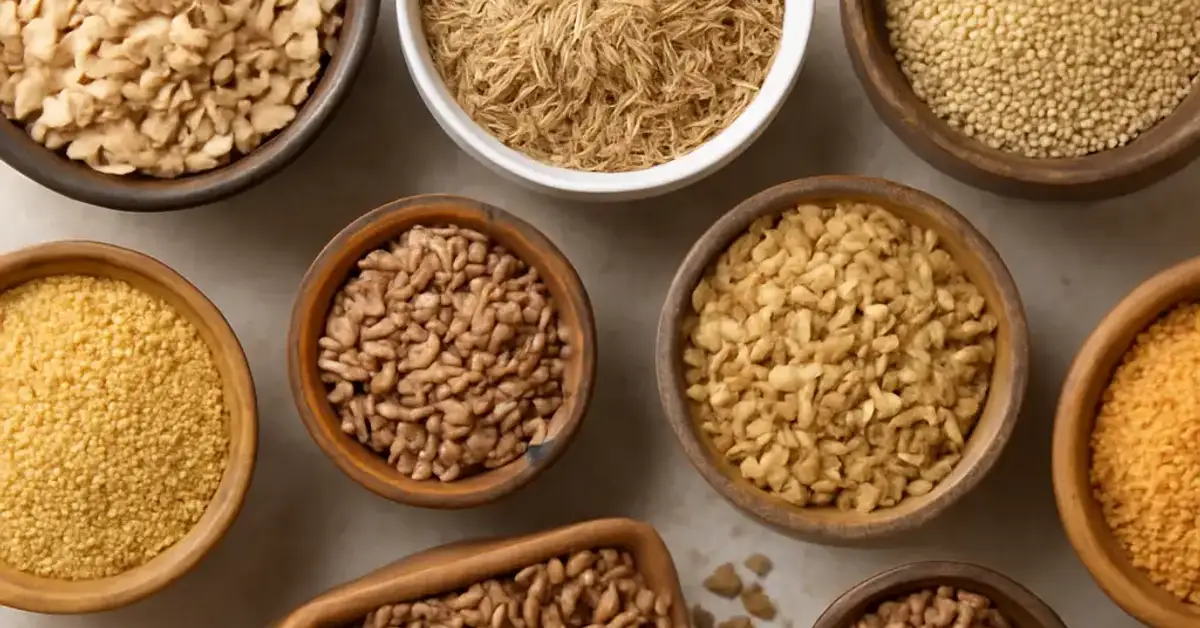
Why the best whole grains for a heart-healthy diet matter
Heart disease remains the leading cause of death worldwide, and diet plays a central role in both prevention and management. Whole grains deliver fiber, antioxidants, and phytochemicals that work together to protect your heart. Unlike refined grains, which strip away the bran and germ, whole grains retain their natural nutrient profile and have a lower glycemic index. Studies consistently show that people who eat three or more servings of whole grains per day have a significantly lower risk of cardiovascular disease. For a related guide, see Low-Sodium Heart-Healthy Diet: 7 Mistakes to Avoid.
What qualifies as a whole grain?
A whole grain contains all three parts of the kernel: the bran, germ, and endosperm. Look for products labeled “100% whole grain” or “whole” as the first ingredient. Common examples include oats, brown rice, quinoa, barley, farro, millet, buckwheat, and amaranth.
8 of the best whole grains for heart health you should eat regularly
Below are eight grains that consistently rank high for cardiovascular benefits. Each entry includes why it helps your heart, how to cook it, and a simple serving idea.
1. Oats
Oats are rich in beta-glucan, a type of soluble fiber that effectively lowers LDL cholesterol. A daily bowl of oatmeal or overnight oats can reduce cholesterol by 5% to 10% when eaten consistently. Rolled oats and steel-cut oats are the least processed options.
Serving suggestion: Top cooked oats with berries, walnuts, and a sprinkle of cinnamon for an extra antioxidant boost.
2. Quinoa
Quinoa is a complete protein, meaning it provides all nine essential amino acids. It also delivers magnesium, potassium, and fiber — three nutrients that help regulate blood pressure and improve arterial function. Quinoa cooks in about 15 minutes, making it a convenient weeknight base.
Serving suggestion: Use quinoa as a base for a Mediterranean bowl with chickpeas, cucumber, tomatoes, and a lemon-tahini dressing.
3. Barley
Barley contains both soluble and insoluble fiber, but its standout component is beta-glucan, similar to oats. Pearl barley is the most common form, though hulled barley retains more fiber. Research indicates that barley can reduce total cholesterol and help stabilize blood sugar levels.
Serving suggestion: Add pearled barley to vegetable soup or use it as a side dish sautéed with mushrooms and garlic.
4. Brown rice
Brown rice is a straightforward swap for white rice. It offers more fiber, magnesium, and B vitamins. The germ layer also contains oryzanol, a compound linked to lower cholesterol in some studies. Choose short-grain or long-grain depending on the dish.
Serving suggestion: Make a stir-fry with brown rice, edamame, bell peppers, and a low-sodium soy sauce.
5. Farro
Farro is an ancient wheat grain with a chewy texture and nutty flavor. It is high in fiber, protein, and phenolic acids that act as antioxidants. Farro also has a lower gluten content than modern wheat, though it is not gluten-free.
Serving suggestion: Toss cooked farro with roasted butternut squash, dried cranberries, and a balsamic vinaigrette.
6. Millet
Millet is a small, round grain that is naturally gluten-free and rich in magnesium and phosphorus. It helps maintain healthy blood pressure and may improve triglyceride levels. Millet cooks quickly and works well as a porridge or a fluffy side dish.
Serving suggestion: Cook millet in low-sodium vegetable broth and serve alongside black beans and avocado.
7. Buckwheat
Despite its name, buckwheat is not a wheat — it is a gluten-free seed that functions like a grain. It contains rutin, a flavonoid that strengthens blood vessels and reduces inflammation. Buckwheat groats can be toasted (kasha) or used raw.
Serving suggestion: Use buckwheat flour to make heartier pancakes or cook groats as a warm breakfast cereal with chopped apples.
8. Amaranth
Amaranth is a tiny, gluten-free pseudograin packed with lysine, an amino acid often missing in other grains. It also provides calcium, iron, and magnesium. Preliminary research suggests amaranth may help lower total cholesterol and reduce arterial stiffness.
Serving suggestion: Popped amaranth works as a crunchy topping for yogurt, or cook it into a creamy porridge with a touch of honey.
| Grain | Key Heart Benefit | Fiber (per cup cooked) | Gluten-Free |
|---|---|---|---|
| Oats | Lowers LDL cholesterol via beta-glucan | 4 g | Check label (certified GF) |
| Quinoa | Regulates blood pressure with magnesium | 5 g | Yes |
| Barley | Reduces total cholesterol and blood sugar spikes | 6 g | No |
| Brown rice | Provides fiber and cholesterol-lowering oryzanol | 3.5 g | Yes |
| Farro | Antioxidant phenolic acids | 7 g | No |
| Millet | Supports healthy blood pressure | 2.2 g | Yes |
| Buckwheat | Strengthens blood vessels with rutin | 4.5 g | Yes |
| Amaranth | Lowers cholesterol and arterial stiffness | 5 g | Yes |
How to choose and compare whole grains for a heart healthy diet
Not all whole grains offer the same fiber content or nutrient density. When selecting grains, consider your specific health goals. If lowering cholesterol is your priority, oats and barley are the strongest choices. If you need a complete protein, quinoa is the winner. For blood pressure support, look for grains high in potassium and magnesium, such as quinoa and millet.
Tips for reading labels
Packaged products labeled “multigrain” or “stone-ground” may not be whole grain. Always check the ingredients list for the word “whole” (e.g., “whole wheat flour” or “whole oats”). Look for at least 3 grams of fiber per serving and avoid added sugars.
Simple serving suggestions to get started
Incorporating these grains does not require complicated recipes. Start with one or two swaps per week:
- Replace white rice with brown rice or farro in stir-fries and grain bowls.
- Use oats or buckwheat groats for breakfast instead of sugary cereal.
- Add barley or millet to soups and stews for extra fiber.
- Cook a batch of quinoa on Sunday and use it throughout the week for salads and sides.
Aim for three servings of whole grains per day — one serving equals half a cup of cooked grain or one ounce of dry grain. Over time, these small changes add up to meaningful improvements in heart health.
Useful Resources
For more details on the science behind whole grains and heart disease prevention, visit the American Heart Association’s Whole Grains and Fiber page.
The Whole Grains Council offers a comprehensive guide to identifying and cooking various whole grains: Whole Grains 101.
Choosing the best whole grains for a heart-healthy diet does not have to be complicated. Start with oats, quinoa, and barley, then expand your variety as you explore new recipes. Your heart will thank you. For a related guide, see Best Fruits for a Heart-Healthy Diet: 7 Proven Choices for Cardiovascular Wellness.
Frequently Asked Questions About best whole grains for a heart healthy diet
What are the best whole grains for lowering cholesterol?
Oats and barley are the top choices because they contain high amounts of beta-glucan, a soluble fiber that actively reduces LDL cholesterol levels.
Can I eat whole grains if I have celiac disease?
Yes, several whole grains are naturally gluten-free, including quinoa, brown rice, millet, buckwheat, and amaranth. Always choose certified gluten-free products to avoid cross-contamination.
How much whole grain should I eat per day for heart health?
The Dietary Guidelines for Americans recommend at least three servings of whole grains per day. One serving equals half a cup of cooked grain or one ounce of dry grain.
Are whole grain breads and pastas as healthy as whole grains ?
They can be, provided the first ingredient is “whole” (e.g., whole wheat flour) and the product has at least 3 grams of fiber per serving. Avoid brands with added sugars or refined grains.
Is quinoa better than brown rice for heart health?
Both are beneficial. Quinoa is a complete protein and higher in magnesium, while brown rice offers oryzanol and a different fiber profile. Rotating them is ideal.
Do whole grains help lower blood pressure?
Yes, whole grains rich in magnesium and potassium — such as quinoa, millet, and brown rice — help relax blood vessels and support healthy blood pressure levels.
Can I eat whole grains on a low-carb diet?
Whole grains do contain carbohydrates, but they also provide fiber and nutrients. If you follow a low-carb plan, enjoy smaller portions of grains like quinoa or oats in moderation.
Are steel-cut oats healthier than rolled oats?
Steel-cut oats are less processed and have a slightly lower glycemic index, but both are excellent choices. Rolled oats cook faster and are equally nutritious.
What is the difference between hulled and pearl barley?
Hulled barley retains the entire kernel and chews more fiber, while pearl barley has the bran removed and cooks faster. Hulled barley is better for heart health.
Can whole grains help prevent heart disease in people with diabetes?
Yes, the fiber in whole grains slows glucose absorption, which helps manage blood sugar. Stable blood sugar reduces inflammation, a key risk factor for heart disease.
How do I cook amaranth for breakfast?
Use 1 part amaranth to 3 parts water. Simmer for 20 minutes until creamy, then stir in a pinch of cinnamon and a splash of milk. Sweeten lightly with honey or mashed banana.
Is it safe to eat whole grains every day?
Absolutely. Whole grains are safe and beneficial for daily consumption. Just be sure to vary your choices to cover a broad range of nutrients.
Do I need to soak whole grains before cooking?
Soaking can reduce cooking time and improve digestibility for some grains like farro or barley, but it is not necessary. Rinsing is always recommended to remove dust.
What is the best way to store whole grains ?
Keep whole grains in airtight containers in a cool, dry pantry. Brown rice and milled grains last about 6 months; quinoa and oats can last up to a year.
Can children eat whole grains for heart health?
Yes, whole grains are excellent for children. Introduce mild grains like oats and quinoa early. They provide the fiber and nutrients growing bodies need.
Why do some whole grains say and quot;gluten-free and quot; on the package?
Grains like oats are naturally gluten-free but may be processed in facilities that handle wheat. Certified gluten-free labels ensure no cross-contamination.
What is the best whole grain for weight loss?
Oats, quinoa, and barley are high fiber and protein, which keep you full longer. Eating them at breakfast can reduce calorie intake later in the day.
Is farro a wheat? Can I eat it on a gluten-free diet?
Farro is an ancient wheat variety and contains gluten. It is not suitable for a gluten-free diet, but people with mild sensitivities often tolerate it well.
Are ancient grains healthier than modern whole grains ?
Ancient grains like farro, quinoa, and amaranth often have more magnesium and iron than modern wheat, but modern whole wheat is still very healthy. Variety is key.
How quickly do whole grains affect cholesterol levels?
Research shows that consistent daily intake of oats or barley can produce a noticeable reduction in LDL cholesterol within 4 to 8 weeks.