
foods that lower blood pressure Key Takeaways
What you eat directly influences your cardiovascular system, and incorporating the right foods that lower blood pressure can lead to meaningful improvements in both systolic and diastolic readings.
- Focus on potassium-rich, magnesium-rich, and nitrate-rich foods that lower blood pressure naturally while reducing sodium intake.
- Combining several of these foods in a heart healthy diet pattern, such as the DASH diet, amplifies the cardiovascular benefits beyond any single ingredient.
- Small, consistent swaps—like a handful of berries for dessert or oats for breakfast—can lower blood pressure over time without drastic changes.
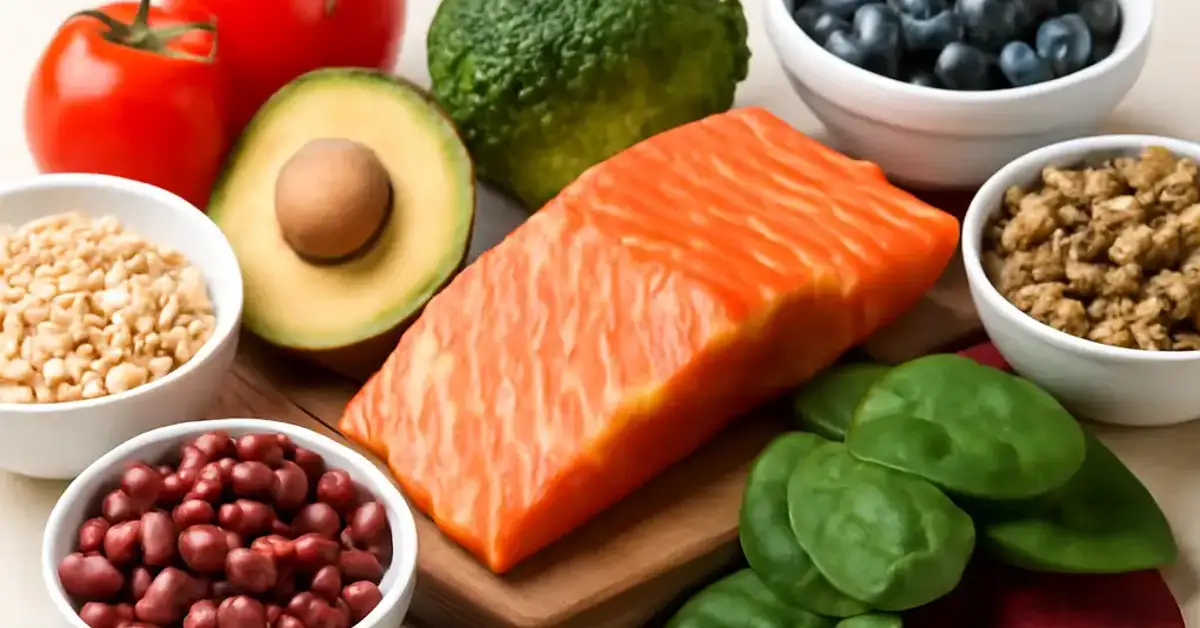
Why a Heart Healthy Diet Matters for Blood Pressure
High blood pressure, or hypertension, is often called the “silent killer” because it rarely shows symptoms yet steadily damages arteries and the heart. Fortunately, dietary changes are among the most effective non-pharmaceutical tools for managing it. A heart healthy diet rich in whole, low sodium foods for heart health not only supports normal blood pressure but also reduces the risk of heart attack and stroke. For a related guide, see Evidence-Based Ways to Lower Blood Pressure Naturally.
The high blood pressure diet—commonly referred to as the DASH (Dietary Approaches to Stop Hypertension) eating plan—emphasizes fruits, vegetables, whole grains, lean proteins, and healthy fats while limiting salt, sugar, and saturated fat. Research shows that following such a pattern can lower systolic blood pressure by 8–14 points within weeks, rivaling some medications in effectiveness.
10 Best Foods That Lower Blood Pressure
Below are ten specific foods to lower blood pressure, each backed by evidence and easy to incorporate into your kitchen routine.
1. Leafy Greens
Spinach, kale, Swiss chard, and arugula are packed with potassium and magnesium—two minerals that help the kidneys flush out excess sodium and relax blood vessel walls. Aim for at least one cup of cooked greens or two cups of raw greens per day. Toss them into smoothies, omelets, or stir-fries for a nutrient boost.
2. Berries
Blueberries, strawberries, and raspberries contain anthocyanins, compounds that stimulate nitric oxide production to widen blood vessels. A 2020 study found that eating a cup of mixed berries daily for eight weeks lowered systolic blood pressure by 5 mmHg. Enjoy them fresh, frozen in oatmeal, or blended into yogurt.
3. Oats
Oats are a whole grain rich in beta-glucan, a soluble fiber that reduces cholesterol and improves endothelial function. A warm bowl of oatmeal provides slow-release energy and keeps you full. Choose steel-cut or rolled oats rather than instant varieties, which often contain added sodium and sugar.
4. Fatty Fish
Salmon, mackerel, sardines, and trout are excellent sources of omega-3 fatty acids, which lower inflammation and reduce blood pressure. The American Heart Association recommends two servings per week. Grill or bake fish with herbs and lemon instead of heavy sauces to keep sodium in check. For a related guide, see Heart-healthy Foods Rich In Omega-3 Fatty Acids: 7 Essential Omega-3 Foods for a Heart-Healthy Diet.
5. Beets
Beets are naturally high in dietary nitrates, which the body converts to nitric oxide—a molecule that relaxes blood vessels and improves blood flow. Drinking one glass of beetroot juice can lower systolic pressure by 4–5 mmHg within hours. Roast beets for salads or blend them into smoothies.
6. Bananas
One medium banana delivers about 422 mg of potassium—roughly 9% of the daily recommended intake. Potassium counteracts sodium and eases tension in artery walls. Slice banana over cereal, blend into a shake, or eat it as a post-workout snack.
7. Dark Chocolate
Choose dark chocolate with at least 70% cocoa. Flavonoids in cocoa stimulate nitric oxide production and improve arterial flexibility. A small square (about 1 ounce) per day is enough to see benefits—just watch the added sugar and calories.
8. Pomegranates
Pomegranate juice and seeds are rich in antioxidants (punicalagins) that help lower blood pressure and reduce oxidative stress. Drinking 8 ounces of pomegranate juice daily for four weeks has been shown to reduce systolic pressure by 5 mmHg. Opt for 100% juice without added sugar.
9. Garlic
Garlic contains allicin, a compound that stimulates nitric oxide synthesis and relaxes blood vessels. Studies suggest that consuming 600–900 mg of aged garlic extract (or 2–4 fresh cloves) daily can lower blood pressure comparable to some medications. Crush it and let it sit for 10 minutes before cooking to activate the allicin.
10. Lentils and Legumes
Beans, chickpeas, and lentils are high in fiber, potassium, and magnesium with very little fat or sodium. Swapping animal protein for legumes several times per week can lower both systolic and diastolic pressure. Add them to soups, salads, or tacos.
How to Build a High Blood Pressure Diet That Works
Simply adding a single superfood won’t solve hypertension. A lasting heart healthy diet requires pattern and consistency. Start by reducing sodium to under 1,500 mg per day (about 3/4 teaspoon of salt). Read labels carefully—canned soups, sauces, and breads often harbor hidden salt.
Next, fill half your plate with fruits and vegetables at every meal. Use herbs and spices (garlic, basil, turmeric, ginger) instead of salt to flavor dishes. Finally, limit alcohol, processed snacks, and sugary beverages, as they counteract the benefits of nutrient-rich foods.
Practical Meal Ideas
Breakfast: Oatmeal topped with berries and chopped walnuts. Lunch: Spinach salad with grilled salmon, beets, and a lemon-tahini dressing. Dinner: Lentil curry with brown rice and a side of steamed kale. Snack: Dark chocolate square and a banana.
Useful Resources
For further reading on low sodium foods for heart health and the DASH eating plan, visit the National Heart, Lung, and Blood Institute’s official DASH diet page: DASH Eating Plan Overview.
To explore the science behind dietary nitrates and nitric oxide, read Harvard School of Public Health’s overview: Nitrates and Nitrites in Food.
Conclusion: Taking control of your blood pressure begins at the grocery store and in your kitchen. By filling your plate with these ten foods that lower blood pressure—from leafy greens and berries to fatty fish and beets—you support your heart, arteries, and overall well-being. Start with one swap today, and gradually build a heart healthy diet that works for your taste and lifestyle.
Frequently Asked Questions About foods that lower blood pressure
Can diet alone replace blood pressure medication?
For some people with mild hypertension, dietary changes can reduce or even eliminate the need for medication, but this should never be done without your doctor’s supervision. Always consult your physician before altering any prescribed treatment plan.
How quickly do foods that lower blood pressure work?
Some effects, like the nitric oxide boost from beets or dark chocolate, can occur within hours. More sustained improvements typically appear within two to four weeks of consistent dietary changes.
What is the best fruit for lowering blood pressure?
Berries, bananas, and pomegranates are particularly effective because they provide potassium, antioxidants, and nitrates that directly support blood vessel function.
Is coffee good or bad for high blood pressure?
Moderate coffee consumption (1–3 cups per day) is generally safe and may even offer some heart protection. However, excessive caffeine can temporarily spike blood pressure in sensitive individuals.
Do I need to take supplements to lower blood pressure?
Whole foods provide a complex matrix of nutrients that work together, making them superior to isolated supplements. Focus first on diet; supplements like potassium, magnesium, or CoQ10 may help if you have a deficiency, but consult a healthcare provider.
Can I eat eggs on a high blood pressure diet ?
Yes, eggs are nutritious and do not significantly raise blood pressure for most people. Just be mindful of preparation—avoid frying them in butter and limit added salt.
What are low sodium foods for heart health I can snack on?
Unsalted nuts, fresh fruit, raw vegetables with hummus, and plain yogurt with berries are excellent low-sodium snack options that also provide heart-friendly nutrients.
Does drinking more water help lower blood pressure?
Adequate hydration supports kidney function and helps the body regulate sodium, but water alone is not a direct treatment for hypertension. It works best alongside a balanced diet.
How does sodium affect blood pressure?
Excess sodium causes the body to retain water, increasing blood volume and putting pressure on artery walls. Reducing sodium intake is one of the most effective dietary strategies for lowering blood pressure.
Can I eat cheese on a heart healthy diet ?
Cheese can be included in moderation. Choose reduced-sodium varieties (like Swiss or low-fat mozzarella) and limit portions to about 1–1.5 ounces per serving to keep saturated fat and sodium in check.
Are frozen vegetables as good as fresh ones?
Yes, frozen vegetables are often flash-frozen at peak ripeness, retaining most nutrients. Just avoid those with added sauces or sodium.
What role does potassium play in lowering blood pressure?
Potassium helps the kidneys excrete more sodium through urine and relaxes blood vessel walls. Many people with hypertension don’t get enough; aim for 3,500–4,700 mg daily from food.
Is red wine beneficial for heart health?
Resveratrol in red wine may offer some antioxidant benefits, but alcohol can raise blood pressure at higher amounts. Limit intake to one drink per day for women and two for men.
Can I reverse hypertension with diet alone?
For some individuals with stage 1 hypertension (systolic 130–139 mmHg), dietary changes and weight loss can bring blood pressure back into normal range. Higher readings may still require medication.
What is the DASH diet exactly?
DASH stands for Dietary Approaches to Stop Hypertension. It emphasizes fruits, vegetables, whole grains, low-fat dairy, lean meats, and nuts while limiting sodium, sweets, and red meat.
How much salt should I eat per day?
The American Heart Association recommends limiting sodium to no more than 1,500 mg per day for most adults, especially those with high blood pressure.
Does stress affect blood pressure even with a good diet?
Yes, chronic stress triggers hormonal changes that can raise blood pressure. Pairing a heart healthy diet with stress management techniques like meditation or walking maximizes results.
Can children benefit from these foods?
Yes, establishing a pattern of eating whole, low-sodium foods early supports lifelong cardiovascular health and helps prevent childhood hypertension.
What is the quickest way to lower blood pressure before a doctor visit?
Deep breathing exercises for 5 minutes and drinking a glass of water can temporarily lower blood pressure, but consistent dietary changes are needed for sustained control.
Are all whole grains good for blood pressure?
Most whole grains—oats, quinoa, brown rice, barley—are beneficial due to their fiber and magnesium content. Refined grains like white bread and pasta lack these nutrients and may worsen blood pressure.