
low sodium heart healthy diet Key Takeaways
Adopting a low-sodium heart-healthy diet is one of the most effective ways to manage blood pressure and reduce your risk of cardiovascular disease — but most people make simple mistakes that sabotage their efforts.
- The low-sodium heart-healthy diet is not about bland food — it is about smart swaps, label reading, and cooking techniques that amplify natural flavors.
- Hidden sodium in packaged foods, restaurant meals, and even “healthy” staples like bread and yogurt can add up fast.
- A structured meal plan with whole foods, herbs, and potassium-rich produce makes the transition sustainable and enjoyable.
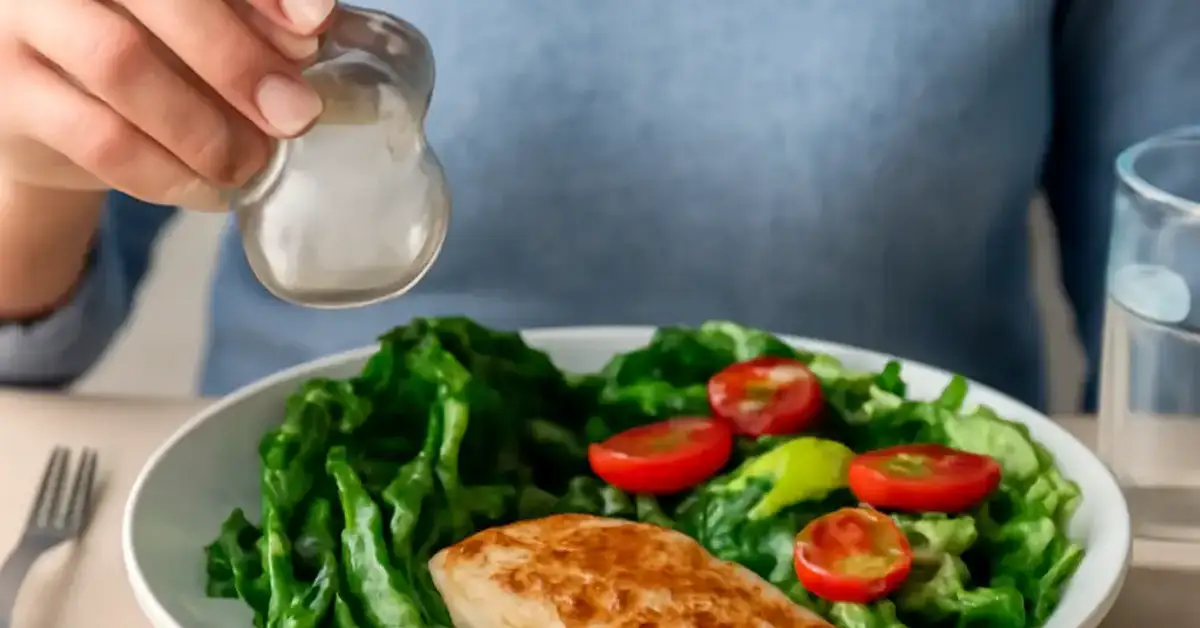
Why a Low-Sodium Heart-Healthy Diet Matters for Your Health
Excess sodium is a leading contributor to hypertension, heart failure, and stroke. The American Heart Association recommends no more than 1,500 milligrams per day for most adults, yet the average American consumes more than 3,400 milligrams daily. A low-sodium heart-healthy diet helps your kidneys flush excess fluid, eases pressure on your blood vessels, and reduces the workload on your heart. The benefits extend beyond blood pressure: better kidney function, less bloating, and improved energy levels are common after just a few weeks of consistent low-sodium eating. For a related guide, see Best Fruits for a Heart-Healthy Diet: 7 Proven Choices for Cardiovascular Wellness.
To succeed, you need to understand where sodium hides and how to replace it with flavorful, heart-friendly alternatives. That means reading nutrition labels with confidence, choosing whole foods over processed ones, and learning a few simple cooking tricks.
7 Common Mistakes That Derail Your Low-Sodium Heart-Healthy Diet
1. Relying Only on the Salt Shaker
Many people believe that cutting sodium means simply removing the salt shaker from the table. While that helps, the real danger is in processed foods. Canned soups, deli meats, frozen dinners, and even salad dressings pack enormous amounts of sodium. You can banish the shaker and still consume well over the daily limit if you eat packaged items. Focus on cooking from scratch with whole ingredients to gain real control.
2. Ignoring the “No Salt Added” and “Reduced Sodium” Labels
Marketing terms can be misleading. “Reduced sodium” means the product contains 25% less sodium than the original version — which may still be very high. “No salt added” does not guarantee the food is low in sodium; naturally occurring sodium in ingredients like celery or cheese can add up. Always check the milligrams per serving on the Nutrition Facts panel, not just the front-of-package claims.
3. Overlooking Condiments and Sauces
Soy sauce, ketchup, mustard, hot sauce, barbecue sauce, and even some vinaigrettes are sodium bombs. Just one tablespoon of soy sauce contains nearly 900 milligrams of sodium — more than half your daily allowance. Look for low-sodium or no-salt-added versions, or make your own dressings with olive oil, vinegar, lemon juice, and herbs.
4. Skipping Potassium-Rich Foods
Potassium helps counteract sodium’s effects by relaxing blood vessel walls and excreting excess sodium through urine. A low-sodium heart-healthy diet works best when it also emphasizes potassium-rich foods. Bananas, sweet potatoes, spinach, avocados, beans, and tomatoes are excellent choices. Aim for at least 4,700 milligrams of potassium daily unless your doctor advises otherwise, especially if you have kidney issues.
5. Eating Out Without a Plan
Restaurant meals typically provide huge amounts of hidden sodium — sometimes more than an entire day’s recommended limit in one dish. Even salads can be salty if they include croutons, bacon, cheese, and heavy dressing. Check online nutrition guides before you go, ask for sauces and dressings on the side, and request that no extra salt be added during cooking.
6. Believing “Healthy” Foods Are Automatically Low in Sodium
Items like whole-wheat bread, cottage cheese, canned vegetables, and even some breakfast cereals contain surprising amounts of sodium. For example, a single slice of whole-wheat bread can have 150-200 milligrams, and a cup of low-fat cottage cheese may exceed 700 milligrams. Always compare brands and read labels. Choose breads with 140 milligrams or less per slice and rinse canned beans or vegetables before using.
7. Expecting Quick Results and Giving Up
Your taste buds need time to adjust to lower sodium levels — typically two to four weeks. During that transition, food may taste bland. That is normal. Stick with it, and your palate will begin to appreciate subtle flavors like garlic, onion, fresh herbs, citrus, and spices. Patience is essential for long-term success.
How to Reduce Sodium Without Sacrificing Flavor
The secret to a sustainable low-sodium heart-healthy diet is layering bold, natural flavors. Here are actionable strategies that work:
Use Acid and Aromatics
Lemon juice, lime juice, vinegar (balsamic, apple cider, red wine), and citrus zest add brightness that mimics salt’s enhancing effect. Sauté garlic, shallots, onions, or ginger in olive oil as a flavor base for soups, stir-fries, and sauces.
Stock Your Spice Rack Smartly
Build a collection of sodium-free seasoning blends: smoked paprika, cumin, coriander, turmeric, chili powder, dried oregano, thyme, rosemary, dill, and fennel seeds. Toasted spices release essential oils and create depth without sodium.
Incorporate Umami-Rich Ingredients
Mushrooms (especially shiitake), tomatoes, nutritional yeast, roasted vegetables, and small amounts of Parmesan cheese bring savory depth. A sprinkle of nutritional yeast on popcorn or pasta delivers a cheesy flavor with very little sodium.
Recommended Foods for a Low-Sodium Heart-Healthy Diet
Knowing what to eat makes the diet simpler and more enjoyable. Use this table as a quick reference for heart-friendly, low-sodium choices:
| Food Category | Choose These | Avoid or Limit |
|---|---|---|
| Fresh Vegetables | Leafy greens, broccoli, bell peppers, carrots, cauliflower, sweet potatoes | Canned vegetables (unless no-salt-added), pickled vegetables |
| Fresh Fruits | Apples, bananas, oranges, berries, melons, avocados | Canned fruit in syrup, dried fruit with added salt |
| Whole Grains | Oats, quinoa, brown rice, whole-wheat pasta, barley | Instant rice mixes, flavored oatmeal packets, many boxed rice mixes |
| Lean Protein | Skinless chicken breast, turkey, fresh fish, eggs, tofu, legumes | Deli meats, bacon, sausage, canned tuna (unless low-sodium), smoked fish |
| Dairy and Alternatives | Unsweetened almond milk, low-sodium cottage cheese, plain yogurt | Processed cheese, regular cottage cheese, flavored yogurt |
| Fats and Oils | Olive oil, avocado oil, unsalted nuts and seeds | Salted butter, salted nuts, flavored oils with added salt |
| Herbs and Seasonings | Fresh and dried herbs, garlic, onion, citrus, vinegar, sodium-free spice blends | Garlic salt, onion salt, seasoning mixes with salt listed as first ingredient |
Shopping Advice for a Low-Sodium Heart-Healthy Diet
Grocery shopping becomes easier with a few deliberate habits. Prioritize the perimeter of the store, where fresh produce, lean meats, and dairy typically live. When you venture into the aisles, follow these rules:
- Read the Nutrition Facts label every time. Check the sodium per serving and the number of servings per container. A product with 400 milligrams per serving may not seem high until you realize the package contains three servings.
- Compare brands. A jar of tomato sauce can range from 150 to 700 milligrams per half-cup. Choose the lowest option that fits your budget.
- Rinse canned goods. Rinsing canned beans, vegetables, and even tuna under cold water for 30 seconds can reduce sodium by up to 40%.
- Buy frozen without sauce. Frozen fruits and vegetables with no added salt or sauce are just as nutritious as fresh — sometimes even more convenient.
- Watch the “healthy” frozen meals. Some frozen entrees marketed as “healthy” still contain 600-800 milligrams of sodium. Look for meals with 400 milligrams or less.
Sample One-Day Low-Sodium Heart-Healthy Meal Plan
Here is a practical example of what a day on a low-sodium heart-healthy diet looks like. This plan provides approximately 1,200-1,400 milligrams of sodium — well within the recommended range.
| Meal | Options | Sodium (approx.) |
|---|---|---|
| Breakfast | Oatmeal made with unsweetened almond milk, topped with sliced banana, a handful of blueberries, and a sprinkle of cinnamon | ~30 mg |
| Morning Snack | An apple with 1 tablespoon unsalted almond butter | ~5 mg |
| Lunch | Grilled chicken breast over a large bed of spinach, cherry tomatoes, cucumber, and avocado, dressed with olive oil and lemon juice | ~120 mg |
| Afternoon Snack | 1 cup plain Greek yogurt with a handful of raspberries | ~65 mg |
| Dinner | Baked salmon seasoned with dill and lemon; roasted sweet potatoes and broccoli tossed in olive oil and garlic | ~180 mg |
| Evening Snack | A small handful of unsalted almonds and a pear | ~2 mg |
How to Stay on Track Long-Term
Consistency matters more than perfection. If you have a high-sodium meal, do not panic — just return to your healthy habits at the next meal. Over time, your palate adapts, and the diet becomes second nature. Keep a food diary for the first week to identify hidden sodium sources. Meal prep on weekends to ensure you always have low-sodium options ready, and experiment with new herbs and spices to keep meals exciting.
Useful Resources
For more detailed guidance on a low-sodium heart-healthy diet, these external sources provide evidence-based information and practical tools:
- American Heart Association — How to Reduce Sodium
- Centers for Disease Control and Prevention — Salt and Sodium
Frequently Asked Questions About low sodium heart healthy diet
What is a low-sodium heart-healthy diet ?
A low-sodium heart-healthy diet limits daily sodium intake to generally 1,500-2,300 milligrams while emphasizing whole foods rich in potassium, fiber, and healthy fats to support cardiovascular function. For a related guide, see Ultimate Heart-Healthy Grocery Shopping Guide: 7 Smart Tips.
How much sodium should I eat per day on a heart-healthy diet ?
Most heart health organizations recommend no more than 1,500 milligrams per day for adults with high blood pressure, and no more than 2,300 milligrams for the general population.
What is the difference between “reduced sodium” and “low sodium”?
“Reduced sodium” means the product has 25% less sodium than the regular version. “Low sodium” means 140 milligrams or less per serving. Always check the label because reduced-sodium products can still be high.
Can I eat eggs on a low-sodium heart-healthy diet ?
Yes. Eggs are naturally low in sodium (about 60-70 milligrams per large egg). Avoid adding salt during cooking and pair them with vegetables and whole grains.
Is sea salt better than table salt for a heart-healthy diet ?
No. Sea salt and table salt contain roughly the same amount of sodium by weight. The source does not matter — reducing total sodium intake is the goal.
What spices are good substitutes for salt?
Excellent options include garlic powder (not garlic salt), onion powder, smoked paprika, cumin, coriander, chili powder, dried oregano, thyme, rosemary, and lemon pepper (sodium-free version).
How do I know if a food is high in sodium?
Check the Nutrition Facts label. A food with 140 milligrams or less per serving is considered low sodium. More than 400 milligrams per serving is high.
Are frozen vegetables low in sodium?
Plain frozen vegetables without sauce or seasoning are naturally low in sodium and are a great choice for a heart-healthy diet.
Can I eat bread on a low-sodium diet ?
Yes, but choose bread with 140 milligrams of sodium or less per slice. Compare brands and look for “low sodium” or “no salt added” on the label.
Is cheese high in sodium?
Many cheeses are high in sodium, especially processed cheese and feta. Low-sodium cheese options include fresh mozzarella (in water), Swiss, and part-skim ricotta in moderation.
What are the best snacks for a low-sodium heart-healthy diet ?
Fresh fruit, unsalted nuts, plain yogurt, raw vegetables with hummus (low-sodium version), air-popped popcorn without salt, and rice cakes are all excellent choices.
How can I add flavor to food without salt?
Use fresh herbs, garlic, onion, lemon juice, vinegars, citrus zest, and spice blends that contain no added salt. Roasting vegetables also brings out natural sweetness.
Do I need to avoid all canned vegetables?
No. Choose “no salt added” or “low sodium” canned vegetables, and always rinse them under cold water for 30 seconds before cooking to remove excess sodium.
Is it safe to eat deli meat on a low-sodium diet ?
Most deli meats are very high in sodium. Look for low-sodium or reduced-sodium options, and use them sparingly — perhaps once or twice a week in small portions.
What drinks should I avoid on a heart-healthy low-sodium diet ?
Regular and diet sodas are not high in sodium, but they offer no heart benefit. Avoid sports drinks and vegetable juice blends, which can be very high in sodium.
How long does it take for taste buds to adjust to less salt?
Most people notice a shift within two to four weeks. After about six weeks, foods you once found mild begin to taste flavorful, and salty foods can become overwhelming.
Can I eat out while following a low-sodium heart-healthy diet ?
Yes, but plan ahead. Check the restaurant’s nutrition guide, ask for dressings and sauces on the side, and request that no extra salt be added during cooking.
What are the best fruits for a low-sodium heart-healthy diet ?
All fresh fruits are naturally low in sodium and rich in potassium. Bananas, oranges, melons, berries, and avocados are especially beneficial for heart health.
Is it possible to follow a low-sodium diet on a budget?
Yes. Buy dried beans and lentils in bulk, frozen fruits and vegetables, and whole grains like oats and brown rice. Rinse canned goods and choose generic brands with the lowest sodium.
Do I need to take potassium supplements on a low-sodium diet ?
Most people can get enough potassium from food alone — bananas, leafy greens, sweet potatoes, and beans. Only take supplements if directed by your doctor, especially if you have kidney disease.