
Symptoms of Tonsil Problems in Adults and Kids Key Takeaways
Recognizing the symptoms of tonsil problems in adults and kids early can prevent complications and speed up recovery.
- The 11 symptoms of tonsil problems in adults and kids range from mild throat irritation to severe breathing difficulty — knowing them helps you act quickly.
- Swollen tonsils and tonsil inflammation are hallmark signs, but the presence of fever and lymph node tenderness often points to bacterial causes like strep throat.
- Understanding when to seek medical care — especially for recurrent infections or breathing issues — can reduce the risk of complications and guide treatment decisions, including tonsil removal .
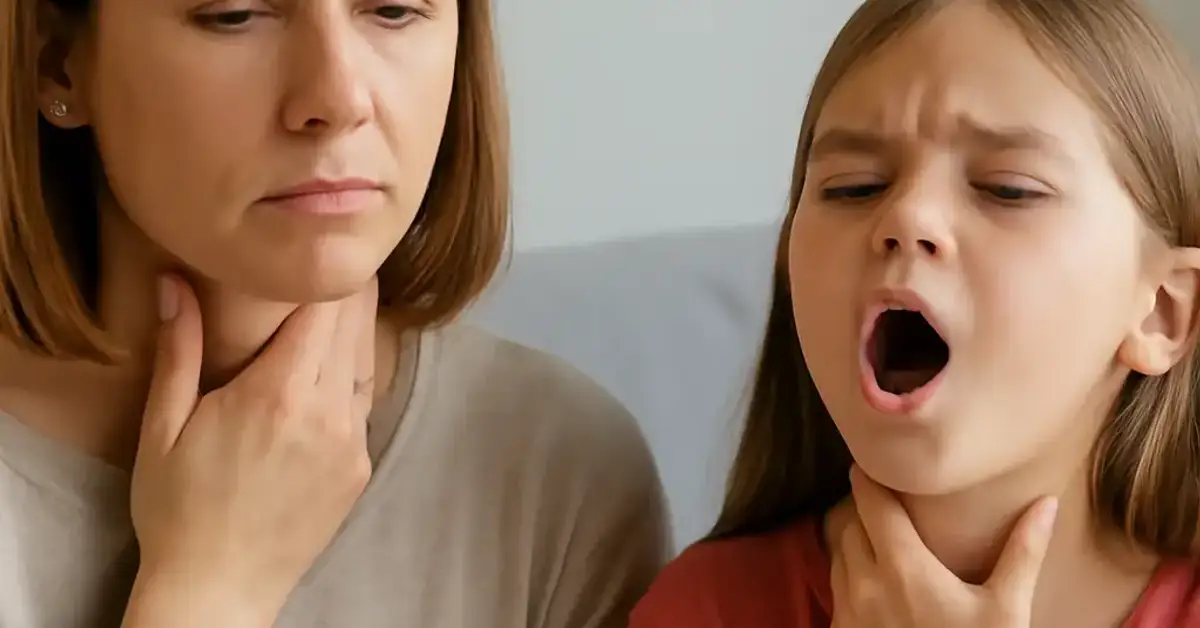
Understanding the 11 Symptoms of Tonsil Problems in Adults and Kids
Tonsils are the body’s first line of defense against inhaled or ingested pathogens. When they become infected or inflamed, the resulting tonsillitis symptoms can range from mildly uncomfortable to severely disruptive. Below, we break down each of the 11 key signs so you can identify them quickly in yourself, your child, or a patient.
1. Sore Throat That Persists
A sore throat is often the earliest and most noticeable symptom. It may start as a scratchy sensation and escalate to a sharp pain, especially when swallowing. In both adults and children, this pain can last several days and is frequently accompanied by difficulty swallowing.
2. Red and Swollen Tonsils
Look in the mirror or use a flashlight to examine the back of the throat. Red swollen tonsils are a classic visual sign of inflammation. In some cases, the tonsils may appear bright red and enlarged enough to touch the uvula, which can cause a feeling of a lump in the throat.
3. White or Yellow Patches on the Tonsils
These patches, known as tonsillar exudate, are common in both bacterial and viral infections. Bacterial tonsillitis — particularly strep throat — often produces thick, white or yellow spots. Viral tonsillitis may cause smaller, scattered lesions. The presence of exudate is a strong clue that the cause is infectious. For a related guide, see 10 Causes of Persistent Sore Throat You Should Know.
4. Fever and Chills
Fever and throat infection go hand in hand. A temperature above 100.4°F (38°C) indicates the immune system is fighting an invader. In children, fever can spike quickly and may be accompanied by chills or body aches. In adults, a low-grade fever is more common, but high fevers suggest a more aggressive bacterial infection.
5. Painful or Difficult Swallowing (Dysphagia)
Difficulty swallowing occurs because the swollen tonsils narrow the passageway at the back of the throat. Even swallowing saliva can be painful. In severe cases, children may refuse to eat or drink, raising the risk of dehydration. This symptom is one of the most reliable indicators of moderate to severe inflammation of tonsils.
6. Swollen Lymph Nodes in the Neck
The lymph nodes under the jaw and along the sides of the neck often become tender and enlarged during a throat infection. Palpable, sore nodes are a common feature of strep throat symptoms and help distinguish tonsillitis from a simple cold.
7. Hoarse or Muffled Voice
When enlarged tonsils press on the vocal cords or change the resonance of the throat, the voice may sound hoarse, muffled, or “hot potato”-like. This symptom is more noticeable in children and can interfere with communication and sleep.
8. Bad Breath (Halitosis)
Tonsil stones symptoms — including persistent bad breath — are a common but often overlooked sign of chronic tonsil problems. Tonsil stones form when debris, dead cells, and bacteria calcify in the crevices of the tonsils. They can cause a metallic taste and a feeling of something stuck in the throat.
9. Ear Pain or a Feeling of Fullness
Referred pain from the tonsils can travel through shared nerve pathways to the ears. Even without an ear infection, many patients report ear pain or a sensation of pressure. This is especially common in pediatric tonsil issues and can be confusing for parents trying to locate the source of the discomfort.
10. Difficulty Breathing or Noisy Breathing (Stridor)
Severe tonsil swelling can obstruct the airway, particularly during sleep. Children may snore loudly, gasp for air, or exhibit labored breathing. In extreme cases, this can lead to sleep apnea or respiratory distress. Noisy breathing, known as stridor, is a medical emergency that requires immediate attention.
11. Fatigue and General Malaise
An active immune response throat infections require significant energy. Adults and children alike often feel unusually tired, irritable, or lethargic. This systemic symptom is amplified in chronic tonsillitis conditions where the body is constantly fighting low-grade infection.
What Causes Tonsil Problems and How to Tell Viral from Bacterial Infections
Swollen tonsils causes are broadly divided into viral and bacterial origins. Viruses — such as adenovirus, Epstein-Barr, or influenza — account for about 70% of cases. Bacteria, most commonly Group A Streptococcus, cause the remaining 30% and require antibiotic treatment. Understanding the difference is critical for appropriate care.
Key Differences Between Viral and Bacterial Tonsillitis
Here’s a quick reference table to help distinguish viral tonsillitis from bacterial tonsillitis:
| Feature | Viral Tonsillitis | Bacterial Tonsillitis |
|---|---|---|
| Symptom Onset | Gradual over 2–3 days | Sudden and rapid |
| Fever | Low-grade or absent | High fever (≥101°F) |
| Tonsil Appearance | Red with scattered spots | Very red with thick white/yellow patches |
| Lymph Nodes | Mildly enlarged | Very tender and swollen |
| Cough or Runny Nose | Common | Rare |
| Response to Antibiotics | No effect | Improvement within 24–48 hours |
If you suspect bacteria, a rapid strep test or throat culture provides a definitive medical diagnosis tonsil problems. Primary care providers and ENT health conditions specialists routinely perform these tests in office. For a related guide, see ENT Conditions: Common Ear, Nose, and Throat Disorders.
When Should Tonsil Problems Be Treated by a Doctor?
Not every sore throat requires a visit to the clinic. However, you should seek professional care if you or your child experience any of the following:
- Fever above 101°F that lasts more than 48 hours
- Severe pain that prevents swallowing fluids
- Difficulty breathing or noisy breathing during sleep
- A stiff neck or rash (possible complications of strep throat)
- Recurrent episodes — three or more infections in six months
- Symptoms that persist beyond 7 days despite home care
Treatment for tonsillitis varies based on the cause. Bacterial infections require a full course of antibiotic therapy throat infections, typically penicillin or amoxicillin. Viral infections are managed with rest, hydration, and over-the-counter pain relievers. For recurrent tonsillitis issues, your ENT specialist may recommend surgical tonsil removal indications such as a tonsillectomy.
Home Care and Self-Management for Mild Tonsil Symptoms
While serious infections need medical oversight, many mild cases can be managed at home. Here are practical strategies to ease discomfort and support your immune response throat infections:
- Hydrate frequently: Warm teas, broths, and cold water keep the throat moist and thin mucus.
- Gargle with salt water: One teaspoon of salt in 8 ounces of warm water reduces swelling and pain.
- Use a humidifier: Moist air soothes irritated throat tissues, especially at night.
- Rest your voice: Avoid shouting or prolonged talking to give the inflamed tissues a break.
- Try throat lozenges or sprays: Those containing benzocaine or menthol provide temporary numbing relief.
Remember, home remedies help tonsil inflammation but do not replace a medical evaluation if symptoms are severe or worsening.
Potential Complications of Untreated Tonsil Problems
Ignoring persistent throat infection symptoms can lead to more serious health issues, particularly in children and immunocompromised adults. Complications include:
- Peritonsillar abscess: A collection of pus behind the tonsil that requires drainage.
- Obstructive sleep apnea: Enlarged tonsils block the airway during sleep, leading to poor rest and behavioral issues in children.
- Spread of infection: Bacteria can travel to the middle ear (otitis media), sinuses (sinusitis), or bloodstream (sepsis).
- Rheumatic fever: A rare but serious complication of untreated strep throat that can damage heart valves.
Healthcare symptom awareness is essential for preventing these outcomes. Monitoring the duration and severity of symptoms helps you decide when it’s time to consult a specialist.
Useful Resources
For more detailed clinical information on ENT conditions and pediatric ENT conditions, refer to the following trusted sources:
- American Academy of Otolaryngology – Head and Neck Surgery: Tonsillitis Overview — Professional guidelines and patient education on tonsillitis diagnosis and management.
- Centers for Disease Control and Prevention: Strep Throat Information — Up-to-date public health information on symptoms, testing, and treatment for streptococcal pharyngitis.
Frequently Asked Questions About Symptoms of Tonsil Problems in Adults and Kids
What are the symptoms of tonsil problems in adults and kids?
Common symptoms include a persistent sore throat, red swollen tonsils, fever, painful swallowing, swollen lymph nodes, bad breath, ear pain, and fatigue. In severe cases, breathing difficulties may occur.
How do you know if you have tonsillitis?
Tonsillitis is typically diagnosed through a physical exam and sometimes a rapid strep test or throat culture. Key signs include visible tonsil inflammation, white patches, and tender neck glands.
What causes swollen tonsils in children and adults?
Swollen tonsils causes are primarily viral or bacterial infections. Allergies, irritants like smoke, and acid reflux can also trigger inflammation. In children, enlarged tonsils are common and may be a normal part of immune development.
When should tonsil problems be treated by a doctor?
Seek medical attention if fever exceeds 101°F, swallowing becomes extremely painful, breathing is labored, or symptoms persist beyond 7 days. Recurrent infections also warrant a professional evaluation.
What are signs of infected tonsils?
Signs include bright red tonsils with white or yellow patches, severe throat pain, fever, swollen lymph nodes, and a muffled voice. In advanced cases, pus may be visible on the tonsils.
How does tonsillitis affect swallowing and breathing?
Enlarged tonsils physically narrow the pharynx, making swallowing painful and sometimes difficult. Severe swelling can partially obstruct the airway, causing snoring, mouth breathing, or sleep apnea.
What are the differences between viral and bacterial tonsil infections?
Viral infections usually come on gradually with cough and runny nose, while bacterial infections strike suddenly with high fever and severe pain. Bacterial infections often produce white patches on the tonsils and respond to antibiotics.
Why do tonsils become enlarged or inflamed?
The tonsils enlarge as part of the immune response throat infections. They trap pathogens and swell with immune cells. Chronic exposure to allergens or recurrent infections can keep them persistently enlarged.
What are common symptoms of strep throat and tonsillitis?
Both conditions share sore throat, fever, and swollen tonsils. Strep throat specifically includes a sudden high fever, tender lymph nodes, and absence of cough or congestion. A rapid strep test can confirm the cause.
How is tonsillitis diagnosed?
Diagnosis begins with a visual exam of the throat and neck. A medical diagnosis tonsil problems may involve a rapid strep test, throat culture, or blood work if mononucleosis is suspected.
What complications can tonsil problems cause?
Potential complications include peritonsillar abscess, sleep apnea, ear infections, sinusitis, and in rare cases, rheumatic fever or kidney inflammation. Prompt treatment reduces these risks.
When is tonsil removal necessary?
Surgical tonsil removal indications include recurrent tonsillitis (7+ episodes in one year, 5 per year for two years, or 3 per year for three years), breathing obstruction, abscess, or suspected malignancy.
How do recurring tonsil infections affect health?
Frequent infections disrupt sleep, school, and work attendance. They can also lead to chronic tonsillitis conditions, which may cause persistent bad breath, fatigue, and a weakened immune response.
What home remedies help tonsil inflammation?
Salt water gargles, honey and warm tea, humidifiers, throat lozenges, and rest are effective. Cold foods like ice cream can soothe a sore throat. Stay hydrated to support the immune response throat infections.
How long do tonsil problems usually last?
Viral tonsillitis typically resolves within 5–7 days. Bacterial infections improve within 48 hours of starting antibiotics but the full course should be completed. Chronic cases may persist for weeks or recur frequently.
Can adults get tonsillitis as severely as children?
Yes. Adult tonsil infections can be just as painful and disruptive. Adults may experience more throat dryness and longer recovery times compared to children. Recurrent infections in adults are a common reason for tonsil removal.
Are tonsil problems contagious?
Yes, especially when caused by viruses or bacteria. The infection spreads through respiratory droplets from coughing, sneezing, or sharing utensils. Good hand hygiene reduces transmission.
Can allergies cause tonsil problems?
Yes. Allergens like pollen, dust, or pet dander can chronically irritate the tonsils, leading to tonsil inflammation and enlargement. This is not infectious but may mimic infection symptoms.
What does a tonsil stone feel like?
Tonsil stones symptoms include a sensation of a foreign object in the throat, persistent bad breath, a metallic taste, and sometimes a dry cough. They are usually visible as small white or yellow lumps on the tonsils.
Is it safe to remove tonsil stones at home?
Gentle gargling can dislodge loose stones. Using a cotton swab to press them out is possible but risks bleeding or infection. See an ENT if stones are large, painful, or recurrent.