
Reasons Why Swallowing Can Become Difficult Key Takeaways
Swallowing is a complex neuromuscular process that involves over 50 pairs of muscles and multiple cranial nerves.
- Reasons why swallowing can become difficult include structural problems like esophageal narrowing , functional issues like muscle incordination, and neurological damage from conditions such as Parkinson’s disease.
- Dysphagia causes are often categorized into oropharyngeal (throat phase) and esophageal (food pipe phase), each requiring distinct diagnostic approaches and treatments.
- Recognizing early warning signs—like coughing during meals, a feeling of food stuck in the chest, or unexplained weight loss—can lead to timely medical evaluation and better outcomes.
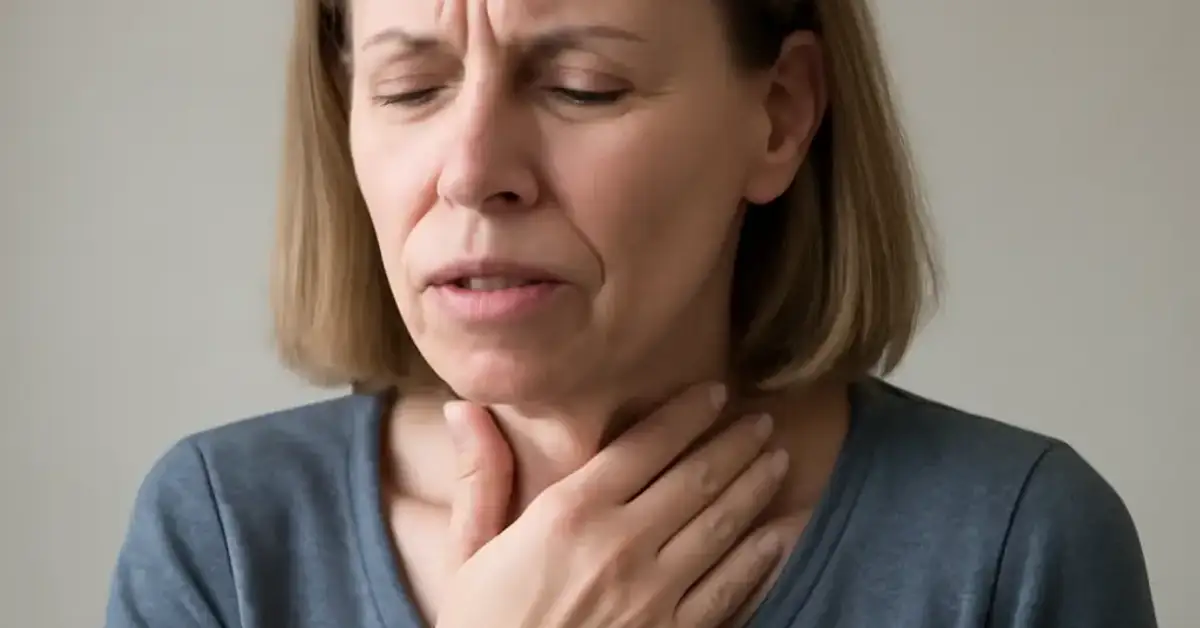
Understanding the Anatomy of Swallowing and Why It Fails
Swallowing is not a simple reflex; it is a precisely orchestrated sequence that involves the mouth, pharynx, larynx, and esophagus. The process relies on intact throat and esophagus function, coordinated muscle contractions, and timely sphincter relaxation. When reasons why swallowing can become difficult emerge, they disrupt this elegant choreography, leading to discomfort, choking, or inadequate nutrition.
Swallowing disorders can be broadly divided into two types: oropharyngeal dysphagia (problems in the mouth and throat) and esophageal dysphagia (obstruction or motility issues in the esophagus). Each type points to different underlying conditions, from structural abnormalities to systemic diseases. For a related guide, see ENT Conditions: Common Ear, Nose, and Throat Disorders.
1. Acid Reflux and GERD: Silent Disruptors of Swallowing
Chronic exposure to stomach acid can inflame and scar the esophagus, leading to acid reflux and swallowing issues. When lower esophageal sphincter function weakens, acid flows backward, causing esophagitis, ulcers, and eventually strictures. Patients often describe a sensation of a lump in the throat (globus) or food stuck feeling in the chest.
How GERD Changes Esophageal Tissue
Repeated inflammation activates fibrosis, narrowing the esophageal lumen. This esophageal narrowing makes solid foods, especially bread or meat, difficult to pass. GERD swallowing issues can also trigger reflexive airway closure, leading to coughing or aspiration during meals.
Diagnostic Clues for Reflux-Related Dysphagia
Patients with esophageal reflux disease may report heartburn, regurgitation, and chest pain alongside difficulty swallowing. An upper endoscopy with biopsy helps confirm inflammation of throat and esophagus and rules out Barrett’s esophagus. Proton pump inhibitors (PPIs) can heal inflammation, but established strictures may require dilation.
2. Neurological Causes: When the Brain Loses Control
Neurological causes of dysphagia involve damage to the brainstem, cranial nerves, or cortical swallowing centers. Strokes are the most common acute trigger, but Parkinson’s disease, multiple sclerosis, ALS, and dementia also impair neuromuscular coordination.
Stroke and Swallowing: A Life-Threatening Link
Stroke related swallowing problems affect up to 65% of survivors in the acute phase. The brain damage disrupts signals to the pharyngeal muscles, causing delayed swallow initiation or incomplete laryngeal closure. This dramatically increases the risk of aspiration pneumonia, a leading cause of death post-stroke.
Neurological swallowing impairment often requires videofluoroscopic swallow studies (VFSS) or fiberoptic endoscopic evaluation (FEES) to assess safety and guide rehabilitation exercises.
3. Structural Obstructions: Tumors, Strictures, and Webs
Any mass or narrowing within the pharynx or esophagus can mechanically block food passage. Throat obstruction from tumors (benign or malignant), esophageal strictures, or Schatzki rings produces progressive difficulty swallowing—first with solids, then liquids.
Esophageal Narrowing Causes Beyond Acid
Besides GERD-related strictures, radiation therapy for head and neck cancers, eosinophilic esophagitis, and caustic ingestion can scar the esophagus. Esophageal narrowing causes also include congenital webs and diverticula, which trap food and cause regurgitation.
Imaging (barium swallow) and endoscopy are essential to visualize the obstruction. Treatment ranges from dilation and dietary modification to surgical resection for malignancy.
4. Infections That Cause Throat Swelling and Pain
Acute infections can inflame the tonsils, pharynx, or epiglottis, creating infection swallowing pain and mechanical obstruction. Common culprits include streptococcal pharyngitis, tonsillitis, epiglottitis (particularly in children), and deep neck infections like peritonsillar abscess. For a related guide, see 12 Warning Signs You May Have an Ear Infection.
Infection related throat swelling can rapidly compromise the airway. Patients with epiglottitis often lean forward and drool—a medical emergency requiring immediate otolaryngology evaluation. Viral esophagitis (herpes, cytomegalovirus) is seen in immunocompromised individuals and causes severe swallowing pain with odynophagia.
5. Muscle Coordination Disorders: When the Pharynx Fails
Swallowing requires precise timing and force from the pharyngeal constrictors and cricopharyngeus muscle. Muscle coordination swallowing issues manifest as cricopharyngeal achalasia or pharyngeal weakness, causing residue in the throat after swallowing.
Myopathic and Neurogenic Causes
Diseases like myositis, myasthenia gravis, or inclusion body myositis directly weaken swallowing muscles. In muscle swallowing coordination disorders, patients may have nasal regurgitation, gurgly voice, or repeated throat clearing after meals.
Swallowing dysfunction treatment for coordination problems includes chewing modifications, supraglottic swallow maneuvers, and in select cases, cricopharyngeal botulinum toxin injections or myotomy.
6. Anxiety and the Sensation of a Tight Throat
Anxiety and throat tightness are frequently misinterpreted as true difficulty swallowing. The autonomic response to stress—dry mouth, muscle tension, increased arousal—can make the throat feel blocked or constricted. This is especially common during panic attacks or in patients with social anxiety around eating.
Anxiety swallowing sensation is real but functional: no structural blockage exists. Differentiating globus pharyngeus (a constant lump sensation that does not prevent swallowing) from organic dysphagia is crucial. Speech therapy, cognitive behavioral therapy, and relaxation techniques can significantly improve symptoms.
7. ENT and Gastrointestinal Disorders That Overlap
ENT and gastrointestinal disorders often present with similar swallowing complaints. Zenker’s diverticulum (a pouch in the hypopharynx), laryngopharyngeal reflux (LPR), and thyroid enlargement can compress the pharynx or upper esophagus. Upper digestive tract disorders like scleroderma and achalasia impair peristalsis and lower esophageal sphincter relaxation.
Chronic Swallowing Problems from Systemic Disease
Scleroderma causes fibrosis of the distal esophagus, while achalasia results from failed LES relaxation—both lead to chronic swallowing problems with regurgitation and weight loss. Barium esophagram shows characteristic “bird beak” narrowing in achalasia. Management includes pneumatic dilation, Heller myotomy, or peroral endoscopic myotomy (POEM).
Digestive system disorders such as eosinophilic esophagitis (EoE) are increasingly diagnosed in young adults with recurrent food impaction. Treatment involves topical steroids and elimination diets.
8. Respiratory and Throat Conditions That Complicate Swallowing
Respiratory and throat conditions like COPD, chronic bronchitis, and tracheostomy can interfere with the coordination between breathing and swallowing. Patients with respiratory compromise often have deconditioned swallow reflexes and fatigue before completing a meal.
Additionally, chronic throat conditions such as vocal cord paralysis or laryngeal sensory deficits reduce airway protection, leading to silent aspiration. A thorough clinical symptoms swallowing issues review by a speech-language pathologist helps identify compensatory strategies like chin-tuck or thickened liquids.
9. Medication and Radiation Side Effects
Many drugs cause dry mouth (xerostomia) or esophageal injury, worsening difficulty swallowing. Anticholinergics, antihistamines, bisphosphonates, and certain antibiotics can induce pill esophagitis or reduce saliva production. Radiation therapy for head and neck cancer damages salivary glands and muscle tissue, resulting in dysphagia that may persist years after treatment.
Healthcare symptom awareness includes monitoring for pill-induced esophagitis: patients should take medications with plenty of water and remain upright for 30 minutes. For radiation-related swallowing dysfunction treatment, swallowing exercises before, during, and after therapy improve outcomes.
When to Seek Medical Evaluation for Swallowing Difficulty
Medical diagnosis swallowing difficulty should be prompt. Red flags include unintentional weight loss, regurgitation of undigested food, coughing or choking while eating, and recurrent pneumonia. A multidisciplinary team—gastroenterologist, otolaryngologist, speech-language pathologist, and radiologist—conducts medical evaluation dysphagia using endoscopy, manometry, and swallowing studies.
Health warning signs swallowing difficulty also include persistent odynophagia (painful swallowing), globus sensation that interferes with eating, and progressive symptom worsening. Early intervention improves quality of life and reduces complications.
Useful Resources
The National Institute on Deafness and Other Communication Disorders provides in-depth information on dysphagia causes and treatment options. Visit their guide at NIDCD: Dysphagia.
The American Speech-Language-Hearing Association offers evidence-based resources for clinicians and patients managing swallowing problems. See their practice portal at ASHA: Dysphagia Overview.
Conclusion: Taking Action on Reasons Why Swallowing Can Become Difficult
Recognizing reasons why swallowing can become difficult is the first step toward effective management. Whether the culprit is acid reflux, a neurological disorder, or anxiety, each cause demands a tailored approach. Dysphagia causes are diverse, but modern diagnostics and interdisciplinary care provide hope for recovery.
If you or someone you care for experiences difficulty swallowing, do not ignore it. Contact a healthcare provider—preferably a gastroenterologist or otolaryngologist—for a thorough evaluation. Early action can prevent malnutrition, aspiration pneumonia, and loss of quality of life. Share this guide with fellow health professionals to raise awareness of health warning signs swallowing difficulty.
Frequently Asked Questions About Reasons Why Swallowing Can Become Difficult
What are the reasons swallowing becomes difficult?
Common reasons why swallowing can become difficult include acid reflux (GERD), neurological disorders like stroke, esophageal strictures, infections causing throat swelling, medication side effects, anxiety, and muscle coordination problems. For a related guide, see 9 Common Causes of Loss of Smell.
Why do people have trouble swallowing food or liquids?
Trouble swallowing food or liquids occurs when the muscles or nerves involved in swallowing malfunction, or when a physical blockage narrows the esophagus. Dysphagia causes range from temporary inflammation to chronic diseases like Parkinson’s.
What medical conditions cause dysphagia ?
Dysphagia causes include stroke, Parkinson’s disease, multiple sclerosis, esophageal cancer, eosinophilic esophagitis, GERD, scleroderma, and benign strictures. Swallowing disorders can also result from head and neck cancer treatments.
How does acid reflux affect swallowing?
Acid reflux and swallowing issues stem from chronic inflammation that scars the esophagus, causing narrowing. GERD swallowing issues often present with heartburn, regurgitation, and sensation of food sticking.
When should difficulty swallowing be a concern?
Health warning signs swallowing difficulty include weight loss, choking during meals, regurgitation, recurrent pneumonia, and pain when swallowing. If any of these occur, seek medical evaluation dysphagia promptly.
What infections cause swallowing pain or blockage?
Infection related throat swelling from strep throat, tonsillitis, epiglottitis, or peritonsillar abscess can cause severe infection swallowing pain and obstruction. Viral esophagitis in immunocompromised patients is another cause.
How do neurological disorders affect swallowing?
Neurological causes of dysphagia disrupt the brain’s control over pharyngeal muscles and airway closure. Neurological swallowing impairment increases aspiration risk and often requires modified diets and swallowing therapy.
What are the signs of serious swallowing problems ?
Clinical symptoms swallowing issues that signal danger include coughing or choking during meals, gurgly voice, nasal regurgitation, unexplained weight loss, and repeated chest infections. Immediate medical evaluation dysphagia is recommended.
Can stress or anxiety cause swallowing difficulty?
Yes, anxiety and throat tightness are common. Anxiety swallowing sensation, often felt as a lump in the throat (globus), does not physically block food but can cause significant distress. Therapy and relaxation help.
How is dysphagia diagnosed?
Medical diagnosis swallowing difficulty involves a history, physical examination, and tests like barium swallow, videofluoroscopy, endoscopy, and manometry. Swallowing diagnosis helps identify the exact cause and severity.
What treatments help difficulty swallowing ?
Swallowing dysfunction treatment depends on the cause: medications for GERD and infections, esophageal dilation for strictures, swallowing exercises for coordination problems, and dietary modifications. Severe cases may require surgery or feeding tubes.
When should you see a doctor for swallowing problems ?
You should see a doctor if difficulty swallowing persists more than a few days, causes weight loss, or is accompanied by pain or choking. Healthcare symptom awareness ensures timely intervention.
How do throat or esophagus issues affect swallowing?
Esophageal health conditions like strictures, tumors, or motility disorders physically block or fail to propel food. Throat obstruction from masses or inflammation also impedes the passage of food into the esophagus.
What causes sudden swallowing difficulty?
Difficulty swallowing that appears suddenly can result from acute stroke, severe allergic reaction (anaphylaxis), infection-related swelling, or esophageal food impaction. Emergency evaluation is needed.
What are common symptoms of esophageal disorders ?
Esophageal disorders often cause food stuck feeling in the chest, heartburn, regurgitation, chest pain, and painful swallowing. Chronic swallowing problems may also include bad breath and dental erosion from reflux.
Can GERD cause a feeling of something stuck in the throat?
Yes, GERD swallowing issues frequently produce a sensation of a lump or food stuck in the throat, known as globus. Inflammation and muscle spasm from chronic acid exposure contribute to this feeling.
Is dysphagia reversible?
Many forms of dysphagia are reversible with appropriate treatment. Reflux-related strictures respond to dilation and acid suppression. Neurological swallowing problems improve with therapy, though some may require long-term management.
What is the difference between odynophagia and dysphagia ?
Odynophagia refers to painful swallowing, while dysphagia means difficulty moving food from mouth to stomach. Both can occur together but have different causes, such as infection (odynophagia) versus obstruction or motility disorder (dysphagia).
Can dehydration cause swallowing difficulty?
Severe dehydration reduces saliva production, making it harder to form a cohesive bolus. Difficulty swallowing may improve with rehydration, but underlying dysphagia causes should be investigated if symptoms persist.
What role do speech therapists play in treating dysphagia ?
Speech-language pathologists assess and treat swallowing disorders using exercises, compensatory strategies, and diet modifications. They are key members of the medical evaluation dysphagia team, especially for neurological and postoperative patients.