
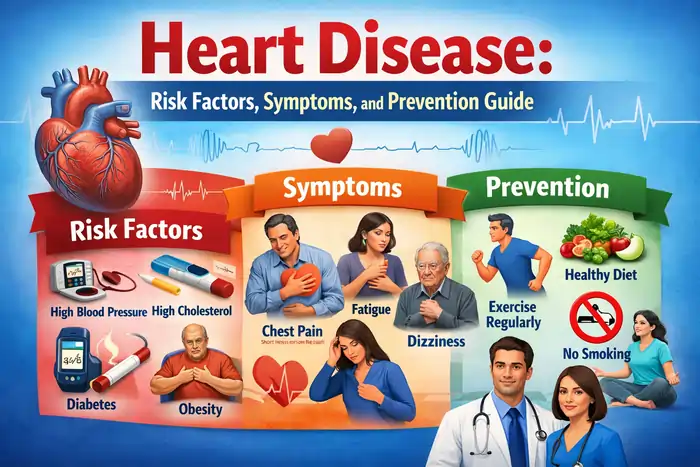
Heart disease, also known as cardiovascular disease, refers to a group of conditions that affect the heart and blood vessels, including coronary artery disease, heart attacks, heart failure, and other cardiovascular disorders. According to the World Health Organization, cardiovascular diseases are the leading cause of death worldwide, responsible for nearly 18 million deaths each year, as outlined in its cardiovascular diseases fact sheet. Similarly, the Centers for Disease Control and Prevention reports that heart disease remains the leading cause of death in the United States, accounting for roughly 1 in every 5 deaths annually in its overview of heart disease facts.
Although heart disease is common, many cases are preventable through lifestyle changes, early detection, and proper medical care. Understanding the risk factors, recognizing early warning signs, and adopting heart-healthy habits can significantly reduce the risk of cardiovascular complications. This guide explains the causes, symptoms, and prevention strategies for heart disease while highlighting evidence-based approaches recommended by global health organizations.
What Is Heart Disease?
Heart disease is an umbrella term describing several conditions that affect the structure and function of the heart and blood vessels, interfering with the heart’s ability to pump blood efficiently throughout the body. The American Heart Association defines cardiovascular disease as disorders involving narrowed or blocked blood vessels, structural abnormalities of the heart, or problems affecting heart rhythm and circulation, as described in its explanation of what cardiovascular disease is.
Common forms of heart disease include:
- Coronary artery disease
- Heart attack (myocardial infarction)
- Heart failure
- Arrhythmias (irregular heartbeats)
- Cardiomyopathy
- Congenital heart defects
Among these, coronary artery disease (CAD) is the most common cause of heart disease. CAD occurs when plaque buildup narrows the arteries that supply blood to the heart muscle, reducing oxygen supply and increasing the risk of heart attack. For a deeper explanation of how blocked arteries affect heart function, you can direct readers to your in-depth article on coronary artery disease.
Types of Heart Disease
Heart disease includes several related conditions, each affecting the cardiovascular system differently.
Coronary Artery Disease
Coronary artery disease occurs when cholesterol deposits and fatty plaques accumulate inside coronary arteries, reducing blood flow to the heart muscle. Over time this narrowing can cause chest pain (angina), reduced oxygen supply to heart tissue, and eventually heart attack. The U.S. National Heart, Lung, and Blood Institute explains that plaque buildup inside arteries can rupture and form clots that block blood flow to the heart in its overview of coronary heart disease. To understand how this condition develops and how it is treated, you can link naturally to your detailed guide on coronary artery disease.
Heart Attack (Myocardial Infarction)
A heart attack occurs when blood flow to part of the heart muscle becomes blocked, and without oxygen, heart muscle cells begin to die. The American Heart Association notes that quick medical treatment is critical because early intervention can significantly reduce heart damage in its resources on heart attack warning signs and treatment. Recognizing warning signs early can save lives, and your article on signs of a heart attack is a natural internal resource to reference when you mention emergency symptoms.
Heart Failure
Heart failure occurs when the heart cannot pump blood efficiently enough to meet the body’s needs. Symptoms may include fatigue, shortness of breath, and swelling in the legs or ankles. According to the National Heart, Lung, and Blood Institute, heart failure affects millions of people worldwide and often develops after years of underlying heart disease, as outlined in its page on heart failure.
Arrhythmias
Arrhythmias are abnormal heart rhythms caused by disturbances in the electrical signals that regulate the heartbeat. Some arrhythmias are harmless, while others can lead to serious complications such as stroke or sudden cardiac arrest, a distinction covered in many AHA educational materials on heart rhythm disorders.
Congenital Heart Disease
Congenital heart disease refers to structural abnormalities present at birth, which may involve heart valves, blood vessels, or chambers. The CDC estimates that congenital heart defects affect about 1 in every 100 babies born in the United States in its overview of congenital heart defects.
Major Risk Factors for Heart Disease
Many heart disease risk factors are modifiable, meaning lifestyle changes can significantly lower cardiovascular risk. According to the CDC and American Heart Association, the most significant risk factors include high blood pressure, high cholesterol, smoking, diabetes, obesity, physical inactivity, unhealthy diet, and excessive alcohol use, as summarized in CDC’s page on heart disease risk factors.
High Blood Pressure
High blood pressure damages artery walls and accelerates plaque buildup. The CDC identifies hypertension as one of the strongest predictors of heart disease and stroke in its explanation of high blood pressure and heart health. Persistent high blood pressure forces the heart to work harder, increasing the risk of heart attack and heart failure.
High Cholesterol
High LDL cholesterol contributes to plaque accumulation inside arteries, narrowing blood vessels and restricting blood flow. The American Heart Association recommends routine cholesterol screening to detect cardiovascular risk early, as outlined in its information on cholesterol and heart disease.
Smoking
Smoking damages blood vessels and increases inflammation. The World Health Organization identifies tobacco use as one of the most preventable causes of cardiovascular disease in its tobacco fact sheet. Even exposure to secondhand smoke increases heart disease risk.
Diabetes
People with diabetes face significantly higher cardiovascular risk because high blood glucose levels damage blood vessels and accelerate plaque formation. The CDC explains that adults with diabetes are nearly twice as likely to develop heart disease or stroke in its feature on diabetes and heart disease.
Obesity and Physical Inactivity
Excess body weight increases the likelihood of high blood pressure, high cholesterol, and diabetes, which together raise cardiovascular disease risk. Regular physical activity improves circulation, lowers blood pressure, and supports metabolic health; the American Heart Association recommends at least 150 minutes of moderate exercise weekly in its fitness guidance.
Early Symptoms of Heart Disease
Heart disease often develops slowly over many years. Early symptoms may include chest discomfort or pressure, shortness of breath, fatigue, palpitations, dizziness, or swelling in the legs. Because symptoms vary widely and may be subtle, recognizing warning signs early is essential for timely evaluation and treatment.
Heart Attack Warning Signs
A heart attack occurs when blood flow to the heart becomes blocked. Common warning signs include chest pain or pressure, pain in the arm, neck, or jaw, shortness of breath, nausea, cold sweats, and sudden fatigue. Women may experience different or more atypical symptoms such as fatigue, nausea, or back pain, which the American Heart Association highlights in its educational content on heart attack symptoms in women and men. To help readers understand the full range of symptoms and appropriate emergency responses, your internal guide on signs of a heart attack fits naturally wherever you discuss these warning signs.
How Heart Disease Is Diagnosed
Doctors diagnose heart disease using medical history, physical examination, and diagnostic testing. Common diagnostic tools include:
- Electrocardiogram (ECG): Measures electrical activity of the heart.
- Blood tests: Detect markers of heart damage.
- Stress tests: Evaluate heart performance during physical activity.
- Echocardiography: Uses ultrasound to visualize heart structure and function.
- Coronary angiography: Detects blocked coronary arteries.
The National Heart, Lung, and Blood Institute describes these tests as essential for identifying cardiovascular disease early in its overview of cardiac diagnostic tests.
Treatment Options for Heart Disease
Treatment depends on the type and severity of heart disease and may include lifestyle changes, medications, medical procedures, or surgery.
Lifestyle Changes
Lifestyle modification is the foundation of cardiovascular prevention. Key changes include following a heart-healthy diet, getting regular exercise, quitting smoking, managing weight, and reducing stress. The American Heart Association’s resources on healthy eating and fitness provide practical guidance for building these habits.
Medications
Doctors may prescribe medications such as statins to lower cholesterol, blood pressure medications, antiplatelet drugs, and beta blockers. These medications help reduce the risk of heart attack and stroke when used alongside lifestyle changes.
Medical Procedures
In advanced cases, procedures may include angioplasty, stent placement, or coronary artery bypass surgery to restore blood flow to the heart. The NHLBI and AHA both describe these interventions in detail in their sections on coronary interventions and bypass surgery.
How to Prevent Heart Disease
Prevention strategies focus on reducing cardiovascular risk factors, and research consistently shows that many heart disease cases are preventable. Key strategies include:
- Heart-healthy diet
- Regular exercise
- Maintaining healthy weight
- Managing stress
- Regular health screenings
For practical, step-by-step prevention strategies, your article on lowering cardiovascular risk is an ideal internal resource to reference when discussing long-term prevention.
Lifestyle Changes That Protect Heart Health
A heart-healthy diet emphasizes fruits and vegetables, whole grains, lean protein, and healthy fats. The Mediterranean diet pattern is widely recommended for cardiovascular protection, as discussed in AHA’s guidance on heart-healthy eating patterns. Regular physical activity strengthens the heart and improves circulation, with at least 150 minutes of moderate activity per week recommended by the AHA. Maintaining a healthy weight reduces strain on the heart, while quitting smoking dramatically lowers cardiovascular risk—with risk beginning to drop within months of quitting and continuing to fall over time. Managing stress through meditation, adequate sleep, and relaxation techniques can also support heart health and reduce the likelihood of unhealthy coping behaviors.
The Importance of Regular Heart Health Screenings
Regular health screenings detect cardiovascular risk factors early. Recommended screenings include blood pressure measurement, cholesterol testing, blood glucose testing, and BMI monitoring. The CDC emphasizes that early detection and management of these factors help prevent serious cardiovascular events in its page on heart disease prevention.
Frequently Asked Questions
What is the most common type of heart disease?
Coronary artery disease is the most common type of heart disease and occurs when plaque buildup narrows coronary arteries, limiting blood flow to the heart muscle.
Can heart disease be prevented?
Yes. Many cases are preventable through lifestyle changes and risk factor management, including controlling blood pressure, cholesterol, and blood sugar, not smoking, staying active, and eating a heart-healthy diet.
What are early warning signs of a heart attack?
Chest pain or pressure, shortness of breath, nausea, cold sweats, and pain radiating to the arm, neck, or jaw are common warning signs, and any of these should prompt urgent medical evaluation.
Who is at highest risk for heart disease?
Individuals with high blood pressure, high cholesterol, diabetes, a history of smoking, obesity, or a strong family history of heart disease have higher cardiovascular risk.
How can I reduce my risk of heart disease?
Following a healthy diet, exercising regularly, maintaining a healthy weight, quitting smoking, managing stress, and attending routine medical checkups to monitor risk factors significantly reduce the likelihood of heart disease.
Final Thoughts
Heart disease remains one of the most significant global health challenges, but understanding risk factors, recognizing early symptoms, and adopting healthy lifestyle habits can dramatically lower the risk of cardiovascular complications. Preventive care, early detection, and consistent medical guidance are essential pillars for protecting long-term heart health.
⚠️ Medical Disclaimer
The information provided on MedEduHub is for educational purposes only and does not replace professional medical advice, diagnosis, or treatment. If you experience chest pain, shortness of breath, sudden weakness, or other symptoms of a possible heart attack, seek emergency medical care immediately. Always consult a licensed healthcare provider before making changes to your health care plan.
Written by: Eden Grace Ramos, RN
Sources: this article draws on current guidance from the World Health Organization cardiovascular disease fact sheet, the CDC heart disease facts and prevention resources, the American Heart Association cardiovascular disease resources, and the National Heart, Lung, and Blood Institute for diagnostic and treatment information.