
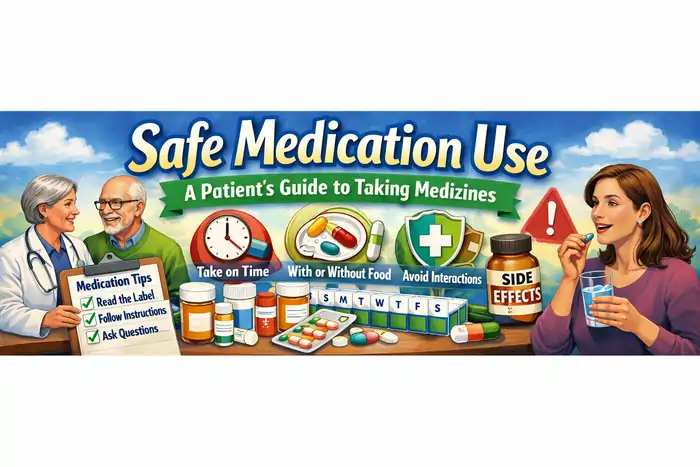
Modern medicine relies heavily on medications to treat disease, manage chronic conditions, relieve symptoms, and improve quality of life. From antibiotics and blood pressure medications to pain relievers and diabetes treatments, medications play a central role in healthcare worldwide. However, medications must be used correctly to ensure they are both safe and effective.
Safe medication use refers to taking medicines exactly as prescribed or directed, understanding potential side effects, avoiding harmful drug interactions, and following healthcare guidance carefully. When medications are used improperly—such as taking incorrect doses, mixing incompatible drugs, or skipping instructions—patients may face serious health risks. According to the World Health Organization, medication-related harm is a major global public health concern, and unsafe medication practices can lead to preventable illness, hospitalizations, and even death, a concern highlighted in WHO’s medication safety and patient safety initiatives. Understanding how to take medicines safely empowers patients to protect their health and maximize the benefits of treatment.
This guide explains safe medication practices, common medication risks, how to read prescriptions correctly, and how patients can reduce the risk of medication errors.
What Is Safe Medication Use?
Safe medication use refers to the responsible and correct use of medicines to ensure the intended therapeutic benefit while minimizing potential harm. This includes understanding medication instructions, taking the correct dosage, following timing recommendations, and recognizing possible side effects.
Healthcare professionals—including doctors, pharmacists, and nurses—play an important role in promoting medication safety. However, patients themselves also play a key role in ensuring medications are used appropriately. Safe medication practices typically involve:
- taking medications exactly as prescribed
- understanding dosage instructions
- avoiding drug interactions
- recognizing potential side effects
- storing medications safely
- communicating with healthcare providers
The Centers for Disease Control and Prevention explains that medication safety practices are essential for preventing adverse drug events, which contribute to millions of healthcare visits each year, and offers patient-facing tips in its medication safety guidance.
Why Medication Safety Is Important
Although medications are designed to improve health, incorrect use can cause serious harm. Medication errors can occur at several stages, including prescribing, dispensing, and patient use.
Common medication-related problems include:
- incorrect dosage
- missed doses
- drug interactions
- allergic reactions
- medication duplication
- incorrect administration
Medication errors can result in complications such as treatment failure, worsening symptoms, or harmful side effects. Research supported by the National Institutes of Health shows that adverse drug events are among the leading causes of preventable healthcare harm, a topic discussed broadly in NIH drug safety and pharmacology resources available through the NIH. Promoting medication safety reduces preventable healthcare complications and improves treatment outcomes.
Understanding Prescription Medications
Prescription medications are drugs that require authorization from a licensed healthcare provider. These medications are prescribed when professional medical evaluation is necessary to determine the appropriate treatment.
Prescription drugs may include:
- antibiotics
- blood pressure medications
- antidepressants
- insulin and diabetes medications
- cholesterol-lowering drugs
- pain medications
Each prescription includes important instructions such as dosage, frequency, and duration of treatment. Patients should understand these instructions before taking any medication. If you want a detailed explanation of prescription labels and instructions, read our guide on how to read prescriptions and medication labels at
https://mededuhub.com/clinical/medications/how-to-read-prescriptions/
Understanding prescription information helps prevent confusion and reduces the risk of medication errors.
Over-the-Counter Medications and Safety
Over-the-counter (OTC) medications are drugs that can be purchased without a prescription. These medications are commonly used to treat minor health problems such as headaches, colds, allergies, or digestive issues.
Common OTC medications include:
- pain relievers (acetaminophen, ibuprofen)
- antihistamines
- cough suppressants
- antacids
- cold and flu medications
Although OTC drugs are widely available, they still carry risks if used improperly. For example, taking too much acetaminophen can cause serious liver damage. The U.S. Food and Drug Administration advises patients to read drug labels carefully and follow dosing instructions to prevent accidental overdose and drug interactions, offering practical tips in its safe use of medicine consumer guidance.
Generic vs Brand-Name Medications
Many medications are available in both generic and brand-name forms. Generic drugs contain the same active ingredients as brand-name medications and must meet strict safety and effectiveness standards. According to regulatory standards outlined by the FDA, generic medications must demonstrate the same quality, strength, and therapeutic effectiveness as their brand-name counterparts, a requirement explained in FDA generic drug education materials.
Generic drugs often cost significantly less than brand-name medications, making them more accessible for many patients. If you want to understand the differences between these medications, read our article on generic vs brand-name drugs and how they compare at
https://mededuhub.com/clinical/medications/generic-vs-brand-name-drugs/
Understanding medication options helps patients make informed decisions about treatment.
Medication Dosage and Timing
Taking the correct dose at the correct time is one of the most important aspects of medication safety.
Medication dosage instructions may include:
- once daily
- twice daily
- every 6–8 hours
- before meals
- after meals
- at bedtime
These instructions are designed to maintain appropriate drug levels in the body. Skipping doses, doubling doses, or taking medication at irregular times can reduce treatment effectiveness or increase the risk of side effects.
Understanding Medication Side Effects
All medications have the potential to cause side effects. Side effects occur when a medication affects the body in unintended ways.
Common medication side effects may include:
- nausea
- dizziness
- fatigue
- headache
- digestive upset
- allergic reactions
Most side effects are mild and temporary, but severe reactions may require medical attention. Patients should seek medical care if they experience symptoms such as severe allergic reactions, breathing difficulty, or unusual swelling. Medication guides and patient information leaflets provided with prescriptions and OTC products, as well as FDA drug safety communications, are valuable resources for understanding potential side effects.
Drug Interactions and Medication Safety
Drug interactions occur when medications interact with other substances in ways that affect their effectiveness or safety.
Interactions may occur between:
- prescription medications
- over-the-counter drugs
- herbal supplements
- vitamins
- alcohol
- certain foods
Healthcare providers recommend sharing a complete list of medications and supplements to help identify potential interactions before starting new medications. Pharmacists and drug interaction checkers—often referenced in professional guidelines and patient education from CDC and FDA—can help identify high-risk combinations.
Medication Adherence and Treatment Success
Medication adherence refers to taking medications exactly as prescribed. Poor adherence can reduce treatment effectiveness and increase the risk of complications.
Common reasons patients miss doses include:
- forgetting medication schedules
- misunderstanding instructions
- concerns about side effects
- complex medication regimens
To learn more about improving treatment adherence and medication safety, read our article on medication adherence and safety strategies at
https://mededuhub.com/clinical/medications/adherence-and-safety/
Improving adherence helps ensure medications deliver their intended benefits.
Preventing Medication Errors
Medication errors can occur at many stages of healthcare. Patients can reduce risks by:
- maintaining an updated medication list
- reading medication labels carefully
- asking questions about new prescriptions
- confirming dosage instructions
Clear communication between patients, doctors, and pharmacists is one of the most effective ways to prevent medication errors. WHO and CDC highlight better communication, standardized labeling, and patient counseling as key strategies in their medication safety and adverse drug event prevention campaigns.
Safe Medication Storage
Proper medication storage helps maintain drug effectiveness and prevent accidental exposure.
General guidelines include:
- storing medications at recommended temperatures
- keeping medicines away from moisture
- using child-resistant containers
- storing medications out of reach of children
Some medications require refrigeration, while others should be stored at room temperature. Storage instructions are usually included in the medication leaflet and are reinforced in FDA and manufacturer guidance on safe handling.
Safe Disposal of Unused Medications
Unused or expired medications should be disposed of safely to prevent misuse or environmental contamination. Public health agencies recommend using medication take-back programs whenever possible. When these are not available, the FDA provides step-by-step instructions for safe disposal in its drug disposal guidance.
Key Takeaways | Safe Medication Use
Safe medication use involves understanding prescriptions, following dosage instructions, recognizing side effects, and preventing harmful drug interactions. Patients who actively participate in their medication management—by reading instructions carefully, communicating with healthcare providers, and maintaining medication lists—can significantly reduce the risk of medication-related complications. Responsible medication use helps ensure treatments provide the intended benefits while minimizing risks.
Medical Disclaimer
This article is intended for educational purposes only and should not replace professional medical advice, diagnosis, or treatment. Always consult a qualified healthcare professional for personalized medical guidance regarding medications, prescriptions, or treatment decisions.
Written by: Eden Grace Ramos, RN
Medical Resources
This article references evidence-based guidance from trusted health organizations to ensure clinical accuracy. Key sources include the World Health Organization’s medication safety resources, the Centers for Disease Control and Prevention’s medication safety guidance, National Institutes of Health drug safety and pharmacology research available through the NIH, and U.S. Food and Drug Administration recommendations on safe use of medicine and disposal of unused medicines. These organizations provide widely used clinical and public health recommendations on safe medication use.