
heart disease risks connected to sleep disorders Key Takeaways
Your cardiovascular system never truly rests, but during deep sleep, your heart rate and blood pressure naturally dip — a process doctors call nocturnal dipping.
- Sleep apnea, insomnia, and restless legs syndrome each affect the heart through distinct biological pathways.
- Untreated sleep disorders can double your risk of developing hypertension, arrhythmias, and heart failure.
- Simple lifestyle changes and medical treatments for sleep issues significantly reduce cardiovascular strain.
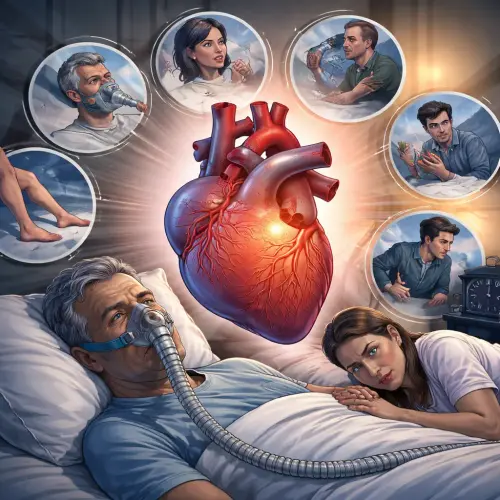
Understanding the Link Between Sleep Quality and Cardiovascular Health
Your cardiovascular system never truly rests, but during deep sleep, your heart rate and blood pressure naturally dip — a process doctors call nocturnal dipping. This nightly dip gives your blood vessels a break and reduces oxidative stress. When a sleep disorder prevents these restorative cycles, your heart stays in a state of heightened alert. Over months and years, that chronic strain becomes one of the most overlooked heart disease risks sleep specialists warn about.
Research published by the American Heart Association indicates that adults with untreated sleep disorders are 48% more likely to develop coronary artery disease. The connection is so strong that many cardiologists now screen for sleep problems as part of routine heart health assessments.
How Poor Sleep Disrupts Your Circulatory System
When you don’t sleep well, your body produces more cortisol and adrenaline. These stress hormones constrict blood vessels and increase heart rate. Over time, this contributes to arterial stiffness and plaque buildup. Additionally, fragmented sleep impairs glucose metabolism, raising the risk for diabetes — a major contributor to sleep disorders heart disease complications. For a related guide, see Early Signs of Heart Conditions: Symptoms and Prevention.
12 Specific Heart Disease Risks Connected to Sleep Disorders
Below are the twelve most documented ways that disrupted sleep threatens your heart. Each entry includes the underlying mechanism and actionable steps you can take.
1. Obstructive Sleep Apnea and Hypertension
Sleep apnea causes repeated pauses in breathing throughout the night. Each time breathing stops, oxygen levels drop, and your brain sends emergency signals to constrict blood vessels. This creates a cycle of nocturnal hypertension that persists into daytime hours. Studies show that treating sleep apnea with CPAP therapy can lower systolic blood pressure by 3–10 mmHg.
Tip: If you snore loudly or gasp for air during sleep, request a home sleep study to check for apnea.
2. Insomnia and Elevated Heart Rate Variability
Chronic insomnia keeps your sympathetic nervous system — the fight-or-flight branch — activated at night. This reduces heart rate variability, a key marker of cardiac resilience. Poor heart rate variability predicts arrhythmias and sudden cardiac events. Cognitive behavioral therapy for insomnia (CBT-I) has been shown to restore healthy autonomic function.
Tip: Avoid screens one hour before bed and practice a consistent wind-down routine to train your nervous system to relax.
3. Restless Legs Syndrome and Cardiovascular Inflammation
Restless legs syndrome (RLS) causes uncomfortable sensations and an irresistible urge to move your legs, severely disrupting sleep. The resulting sleep deprivation elevates C-reactive protein (CRP), a marker of systemic inflammation linked to arterial damage. A 2023 meta-analysis found RLS patients have 1.6 times higher risk of cardiovascular disease.
Tip: Iron supplementation and regular moderate exercise often reduce RLS symptoms. Consult your doctor for a ferritin level test.
4. Circadian Rhythm Disorders and Metabolic Syndrome
Shift work, jet lag, and delayed sleep phase syndrome throw your internal clock out of sync. When your circadian rhythm is disrupted, your body struggles to regulate blood pressure, blood sugar, and lipid levels. This triad — called metabolic syndrome — dramatically increases sleep apnea cardiovascular risk and overall heart disease danger.
Tip: Use bright light exposure in the morning and dim lights in the evening to anchor your circadian rhythm.
5. Narcolepsy and Autonomic Dysfunction
Narcolepsy involves sudden sleep attacks and fragmented nighttime sleep. Research shows people with narcolepsy often have impaired autonomic nervous system regulation, leading to unpredictable blood pressure spikes. Managing narcolepsy with stimulants and scheduled naps can stabilize these swings.
Tip: Work with a sleep specialist to optimize your medication timing and nap schedule.
6. Sleep Bruxism (Teeth Grinding) and Increased Cardiac Load
Clenching your jaw during sleep may seem unrelated to your heart, but the physical stress response it triggers raises heart rate and blood pressure. Bruxism is often linked to anxiety and sleep-disordered breathing, compounding its cardiovascular impact.
Tip: A custom mouthguard protects your teeth and may reduce the autonomic arousal associated with grinding.
7. Chronic Sleep Deprivation and Atrial Fibrillation
Getting fewer than six hours of sleep per night consistently is linked to a 36% higher risk of atrial fibrillation (AFib). AFib is an irregular heartbeat that increases stroke risk by fivefold. Sleep deprivation shortens the refractory period of heart muscle cells, making them more likely to misfire.
Tip: Prioritize 7–9 hours of sleep nightly. If you already have AFib, treat any underlying sleep apnea to improve rhythm control.
8. Periodic Limb Movement Disorder and Nighttime Blood Pressure Surges
Unlike RLS, periodic limb movement disorder (PLMD) involves involuntary leg kicks during sleep without conscious sensation. Each kick triggers a micro-arousal and a blood pressure spike. Over a night with hundreds of kicks, the cumulative effect resembles repeated stress tests on your cardiovascular system.
Tip: A sleep study can diagnose PLMD. Medications like gabapentin or dopamine agonists often reduce limb movements.
9. Central Sleep Apnea and Heart Failure Progression
Central sleep apnea occurs when the brain fails to send breathing signals, often in patients with existing heart failure. This creates a dangerous feedback loop: heart failure worsens breathing instability, and poor breathing further stresses the heart. Adaptive servo-ventilation therapy can break this cycle when guided by a specialist.
Tip: If you have heart failure and feel unusually tired or short of breath upon waking, ask for a sleep evaluation.
10. REM Sleep Behavior Disorder and Autonomic Storming
REM sleep behavior disorder (RBD) involves acting out vivid dreams due to missing muscle paralysis during REM. The physical thrashing and emotional distress of dreams can cause dramatic spikes in heart rate and blood pressure. RBD is also an early marker for Parkinson’s disease and other neurological conditions that affect autonomic control. For a related guide, see Heart Disease: Risk Factors, Symptoms, and Prevention Guide.
Tip: Safety-proof your bedroom and discuss melatonin or clonazepam with a neurologist to reduce episodes.
11. Hypersomnia and Sedentary Lifestyle Consequences
Excessive daytime sleepiness from hypersomnia leads to prolonged sitting, reduced physical activity, and poor dietary choices. This cascade raises BMI, cholesterol, and blood pressure over time. Addressing the root sleep disorder improves energy levels and makes regular exercise more achievable.
Tip: Start with ten-minute walks after meals to gently reintroduce movement without overwhelming your system.
12. Non-24-Hour Sleep-Wake Rhythm and Circadian Chaos
Commonly seen in blind individuals, non-24-hour rhythm causes a daily drift in sleep timing. The constant mismatch between internal clocks and the external environment leads to fragmented sleep and metabolic instability. Light therapy and melatonin carefully timed can help reset the cycle.
Tip: Work with a sleep medicine provider to create a personalized chronotherapy plan if your sleep timing cycles continuously.
How Sleep Treatments Lower Your Heart Disease Risk
Addressing sleep disorders heart disease connections yields measurable improvements. CPAP therapy for sleep apnea reduces blood pressure and arrhythmia burden. CBT-I lowers insomnia severity and improves autonomic regulation. Treating RLS with iron or gabapentin reduces nighttime inflammation markers.
| Sleep Disorder | Primary Heart Risk | Effective Treatment | Expected Heart Benefit |
|---|---|---|---|
| Obstructive Sleep Apnea | Hypertension, AFib | CPAP therapy | 3–10 mmHg BP reduction |
| Chronic Insomnia | Reduced HRV, arrhythmia | CBT-I | Improved vagal tone |
| Restless Legs Syndrome | Systemic inflammation | Iron therapy, gabapentin | Lower CRP levels |
| Circadian Rhythm Disorders | Metabolic syndrome | Light therapy, melatonin | Better glucose regulation |
| Central Sleep Apnea | Heart failure progression | ASV, oxygen therapy | Reduced cardiac workload |
Practical Steps to Reduce Your Risk Starting Tonight
You don’t need a perfect sleep score to protect your heart. Small, consistent changes build cardiovascular resilience over time.
- Maintain a fixed wake time — even on weekends — to anchor your circadian rhythm.
- Keep your bedroom cool and dark (65–68°F) to support deep sleep stages.
- Avoid alcohol within three hours of bedtime; it worsens sleep apnea and fragments REM sleep.
- Exercise daily, but finish vigorous workouts at least 90 minutes before bed to prevent overstimulation.
- Ask your primary care provider about a sleep screening if you experience daytime fatigue, loud snoring, or restless legs.
Useful Resources
- American Heart Association: Sleep and Heart Health — Evidence-based guidelines on how sleep disorders affect your heart.
- Sleep Foundation: Sleep Apnea and Heart Disease — In-depth overview of specific risks and treatment outcomes.
Frequently Asked Questions About heart disease risks connected to sleep disorders
Can lack of sleep cause a heart attack?
Yes. Chronic sleep deprivation increases inflammation, blood pressure, and stress hormones, all of which can trigger plaque rupture and heart attack, especially in those with preexisting coronary artery disease.
How many hours of sleep do I need to protect my heart?
Most adults need 7–9 hours per night. Consistently sleeping fewer than six hours or more than ten hours is associated with higher cardiovascular risk.
Does treating sleep apnea reverse heart damage?
While CPAP therapy cannot reverse all structural damage, it significantly lowers blood pressure, reduces arrhythmia burden, and improves heart function in many patients with sleep apnea.
Is insomnia a risk factor for high blood pressure?
Yes. Chronic insomnia raises nighttime cortisol and sympathetic activity, leading to sustained hypertension. Treating insomnia with CBT-I has been shown to lower daytime blood pressure.
What is the connection between snoring and heart disease?
Loud, frequent snoring is the hallmark of obstructive sleep apnea. The intermittent oxygen drops and blood pressure surges from apnea increase the risk of heart attack, stroke, and AFib.
Can restless legs syndrome cause heart problems?
Yes. RLS disrupts sleep and increases systemic inflammation, raising the risk of hypertension and cardiovascular events. Treating RLS often improves sleep quality and reduces inflammatory markers.
How does shift work affect heart health?
Shift work disrupts your circadian rhythm, leading to metabolic syndrome, higher blood pressure, and increased sleep disorders heart disease risk. Strategic napping and bright light management can help mitigate these effects.
What is the best sleeping position for heart health?
Sleeping on your side, especially for those with sleep apnea, reduces airway collapse. Left-side sleeping may improve cardiac output in some individuals, but the most important factor is uninterrupted sleep.
Does melatonin help prevent heart disease from poor sleep?
Melatonin has antioxidant properties and may support circadian regulation, but it is not a treatment for sleep disorders themselves. Always address the root cause of poor sleep rather than relying solely on supplements.
Can children’s sleep disorders affect their future heart health?
Yes. Childhood sleep apnea and insufficient sleep are linked to early hypertension and obesity, setting the stage for adult cardiovascular disease. Early treatment is crucial.
What is the difference between central and obstructive sleep apnea for heart risk?
Obstructive apnea is caused by airway blockage and strongly linked to hypertension and AFib. Central apnea results from brain signaling failure and commonly coexists with heart failure, making it a marker of advanced disease.
How quickly does CPAP improve heart health?
Some benefits appear within weeks: reduced nighttime blood pressure surges and improved oxygen levels. Significant blood pressure reductions are typically seen after 3–6 months of consistent use.
Are sleep medications safe for people with heart disease?
Many prescription sleep aids carry risks, including dependency and daytime drowsiness. Non-pharmacological approaches like CBT-I are preferred. Always consult your cardiologist before taking any sleep medication.
Does weight loss help both sleep apnea and heart disease?
Absolutely. Excess weight narrows airways and increases inflammation. Losing just 10% of body weight can reduce apnea severity and improve blood pressure, cholesterol, and insulin sensitivity.
Can napping during the day reduce heart risk?
Short naps (20–30 minutes) may help lower blood pressure in some people, but long or poorly timed naps can disrupt nighttime sleep and worsen sleep disorders heart disease connections.
How do I know if my sleep disorder is harming my heart?
If you experience fatigue, snoring, gasping during sleep, or restless legs, combined with high blood pressure, palpitations, or chest discomfort, see a sleep specialist and cardiologist for a coordinated evaluation.
What role does exercise play in preventing sleep-related heart disease?
Regular exercise improves sleep quality, reduces apnea severity, lowers inflammation, and strengthens the heart muscle. Even 30 minutes of walking five days a week makes a measurable difference.
Is white noise or pink noise better for heart health during sleep?
Both can mask disruptive sounds and promote deeper sleep. The key is consistent, uninterrupted sleep rather than the specific noise color. Choose what helps you stay asleep longest.
Can a sleep study predict my heart attack risk?
A sleep study can identify sleep disorders that increase heart attack risk. While it doesn’t predict the exact event, treating the sleep condition significantly lowers your overall cardiovascular risk profile.
What should I do if I wake up with chest discomfort after poor sleep?
Seek immediate medical evaluation. Chest discomfort can signal angina or arrhythmia. Once acute causes are ruled out, discuss sleep quality and possible sleep studies with your doctor as part of long-term prevention.