
anxiety chronic insomnia Key Takeaways
Anxiety and chronic insomnia form a disruptive cycle: anxiety keeps your brain hyper-alert at night, and poor sleep heightens next-day worry.
- Key insight 1: anxiety chronic insomnia often shows up as racing thoughts, physical tension, or nighttime vigilance that mimics a panic response.
- Key insight 2: Behavioral cues like clock-watching, catastrophizing about sleep, or avoiding the bedroom are red flags you should address.
- Key insight 3: Practical strategies—including cognitive restructuring, bedtime routines, and professional support—can restore restful sleep.
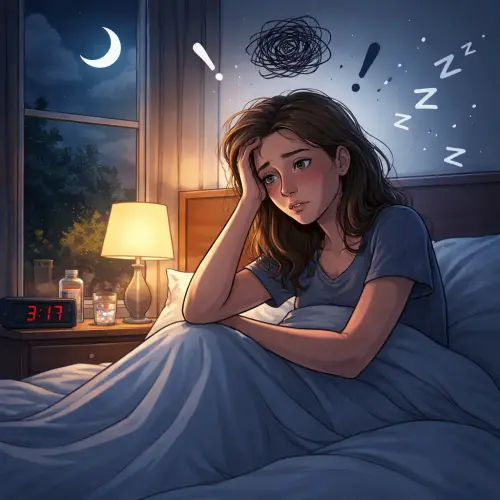
How Anxiety Chronic Insomnia Develops Over Time
Anxiety and insomnia often share a bidirectional relationship. When you experience persistent worry, your body’s stress response stays activated, flooding your system with cortisol and adrenaline. This physiological state directly opposes the relaxation needed for sleep onset and maintenance. Over weeks or months, the pattern becomes entrenched: you dread bedtime because you anticipate another sleepless night, which only fuels more anxiety. Recognizing the specific signs can help you intervene early.
14 Signs That Anxiety Chronic Insomnia Is Taking Hold
Below are 14 indicators that your anxiety may be driving your insomnia. Each sign includes a brief explanation and a practical observation to help you identify it in your own life.
1. Racing Thoughts the Second Your Head Hits the Pillow
One of the most common complaints among people with anxiety insomnia is an inability to quiet the mind at bedtime. Instead of winding down, you replay conversations, worry about tomorrow’s tasks, or imagine worst-case scenarios. This mental hyperactivity is a hallmark of generalized anxiety disorder and directly interferes with sleep onset. For a related guide, see Anxiety Disorders: Symptoms, Causes, and Treatment Guide.
2. Physical Tension That Won’t Release
Anxiety doesn’t live only in your head—it manifests as clenched jaw, tight shoulders, or a knotted stomach. When these physical symptoms persist into the evening, they signal that your body remains in a fight-or-flight state, making deep sleep nearly impossible. Many people report waking with sore muscles, a clue that their body never fully relaxed overnight.
3. Waking Up Multiple Times During the Night
Frequent awakenings are a classic sign of chronic insomnia causes rooted in anxiety. Your brain remains on high alert, so it rouses you at the slightest noise or internal cue. Unlike straightforward insomnia where you struggle to fall asleep, anxiety-driven insomnia often involves fragmented sleep and difficulty returning to rest after each awakening. For a related guide, see Anxiety and Insomnia: Why You Can’t Sleep at Night.
4. Sweating or Heart Palpitations at Bedtime
If you notice a racing heart, night sweats, or feeling hot right as you try to sleep, your anxiety level is likely elevated. These physiological responses mimic a panic attack and can create a negative association with the bedroom itself.
5. Catastrophizing About Not Sleeping
You may find yourself thinking, “If I don’t sleep tonight, I’ll fail at work tomorrow,” or “I’ll never get better.” This cognitive distortion—catastrophizing—amplifies anxiety and makes sleep even more elusive. It’s a red flag that your anxiety chronic insomnia has developed a feedback loop of fear around sleep.
6. Excessive Daytime Worry About Sleep
When you spend significant mental energy during the day calculating how many hours of sleep you’ll get or planning strategies to fall asleep, anxiety is likely driving your insomnia. This hyper-focus on sleep quality paradoxically worsens it.
7. Avoiding the Bedroom During the Day
If you avoid going into your bedroom except to sleep because it feels stressful or associated with failure, you may be developing a conditioned arousal response. This avoidance is a behavioral sign that signs anxiety affects sleep have become deeply ingrained.
8. Clock-Watching and Checking the Time Frequently
Glancing at the clock repeatedly during the night is a common compulsion among people with anxiety insomnia. Each glance reinforces the worry that you’re not sleeping enough, which increases adrenaline and keeps you awake.
9. Irritability or Mood Swings the Next Day
Chronic sleep deprivation from anxiety-driven insomnia leads to emotional dysregulation. If you notice increased irritability, short temper, or mood swings that seem disproportionate, lack of restorative sleep is likely a contributor.
10. Difficulty Concentrating or Remembering
Anxiety and sleep deprivation both impair cognitive function. You might find yourself forgetting conversations, struggling to focus at work, or feeling mentally foggy. This can be a subtle but persistent sign that your sleep quality is suffering due to underlying anxiety.
11. Muscle Twitches or Restless Legs at Night
Anxiety can heighten sensory awareness and muscle tension, sometimes triggering restless leg syndrome or periodic limb movements during sleep. These involuntary movements disrupt sleep architecture and leave you feeling unrefreshed.
12. Feeling “Tired but Wired” at Bedtime
Despite overwhelming fatigue, you feel mentally alert when you lie down. This paradox is a textbook indicator of chronic insomnia causes rooted in hyperarousal. Your body is exhausted, but your nervous system is still firing on all cylinders.
13. Nausea or Stomach Upset Before Sleep
Anxiety often targets the gut via the vagus nerve connection. You may experience queasiness, acid reflux, or an uncomfortable knot in your stomach as you try to sleep. This physical discomfort makes it hard to find a comfortable position and stay asleep.
14. Increased Reliance on Alcohol or Sleep Aids
Using alcohol, marijuana, or over-the-counter sleep aids more than a few times a week to fall asleep suggests you’re trying to self-medicate anxiety-driven insomnia. While these substances may help you nod off initially, they often fragment sleep and worsen anxiety the next day.
Better Options: Breaking the Cycle of Anxiety Chronic Insomnia
Recognizing the signs is the first step. The next step involves adopting strategies that address both anxiety and sleep disruption together. Below are research-backed approaches.
Establish a Consistent Wind-Down Routine
Your brain needs cues that it’s safe to power down. A 30–60 minute pre-bed routine—dimming lights, putting away screens, reading a physical book, or taking a warm bath—signals to your nervous system that the day is over. Consistency is key: do it at the same time each night.
Challenge Catastrophic Thoughts with Cognitive Restructuring
When you catch yourself thinking, “I’ll never get to sleep,” pause and reframe: “My body knows how to sleep. I can handle one poor night of rest.” This technique, derived from cognitive behavioral therapy for insomnia (CBT-I), reduces the anxiety that fuels insomnia. Consider working with a therapist trained in CBT-I for lasting change.
Use Relaxation Techniques Before Bed
Progressive muscle relaxation, diaphragmatic breathing, or guided imagery can lower physiological arousal. For example, tense and release each muscle group from your toes to your forehead. This practice directly counteracts the physical tension described in sign #2.
Limit Caffeine and Alcohol Later in the Day
Caffeine blocks adenosine, a chemical that promotes sleep, and its effects can linger for 8–10 hours. Alcohol fragments sleep and increases nighttime awakenings. Avoiding both after 2 p.m. can significantly improve sleep continuity.
Create a Sleep-Conducive Environment
Keep your bedroom cool, dark, and quiet. Use blackout curtains, a white noise machine, or earplugs. If you wake during the night, avoid turning on bright lights—use a dim red nightlight instead. This reduces the cortisol spike that comes with light exposure.
Seek Professional Help When Needed
If your anxiety chronic insomnia persists for more than four weeks, consider consulting a sleep specialist or a mental health professional. Treatments like CBT-I, selective serotonin reuptake inhibitors (SSRIs), or mindfulness-based stress reduction have strong evidence for breaking the cycle.
Useful Resources
These authoritative sources provide additional science-backed information on anxiety and insomnia.
- Sleep Foundation: Anxiety and Sleep – Comprehensive overview of the relationship between anxiety disorders and sleep disturbances.
- American Psychological Association: Anxiety and Insomnia – Guidance from the APA on how anxiety can cause insomnia and what to do about it.
Frequently Asked Questions About anxiety chronic insomnia
Can anxiety alone cause chronic insomnia?
Yes, persistent anxiety is one of the most common underlying causes of chronic insomnia. The hyperarousal state it creates directly interferes with the brain’s ability to transition into sleep.
What is the difference between acute and chronic insomnia?
Acute insomnia lasts a few days to a few weeks, often triggered by a specific stressor. Chronic insomnia occurs at least three nights per week for three months or more and is commonly linked to anxiety disorders.
How does anxiety affect sleep quality in addition to duration?
Anxiety reduces the amount of deep sleep (slow-wave sleep) and REM sleep. Even if you spend sufficient time in bed, the sleep you get is lighter and more easily disrupted.
Is it possible to have anxiety without realizing it causes insomnia?
Yes. Many people attribute their poor sleep to stress or external factors and don’t recognize that an underlying anxiety disorder is the root cause. The 14 signs listed in this article can help with self-identification.
Can treating anxiety cure my insomnia?
In many cases, effective treatment of anxiety—through therapy, medication, or lifestyle changes—leads to significant improvement in insomnia. However, some people need concurrent sleep-focused interventions.
What is cognitive behavioral therapy for insomnia (CBT-I)?
CBT-I is a structured program that helps you identify and change thoughts and behaviors that interfere with sleep. It is considered the first-line treatment for chronic insomnia, especially when anxiety is a factor.
Are there any natural supplements that help with anxiety-related insomnia?
Magnesium glycinate, L-theanine, and melatonin may offer mild support, but they are not substitutes for addressing the underlying anxiety. Always consult a healthcare provider before starting supplements.
Should I see a sleep specialist or a therapist first?
If you suspect anxiety is driving your insomnia, starting with a therapist who specializes in CBT-I or sleep disorders is often most efficient. They can assess both conditions and recommend a treatment plan.
Can exercise help reduce anxiety and improve sleep?
Yes. Regular aerobic exercise reduces anxiety symptoms and improves sleep quality. Aim for at least 30 minutes of moderate activity most days, but avoid vigorous exercise within two hours of bedtime.
How long does it take to break the anxiety-insomnia cycle?
With consistent use of cognitive and behavioral strategies, many people notice improvements within two to four weeks. Chronic cases may require three to six months of therapy for lasting change.
Does screen time before bed worsen anxiety and insomnia?
Yes. Blue light from screens suppresses melatonin production, and stimulating content—like social media or news—can trigger anxiety. Experts recommend no screens for at least one hour before bed.
Can children experience anxiety-driven insomnia?
Absolutely. Children with anxiety disorders often resist bedtime, have trouble settling, or wake frequently with worries. A pediatrician or child psychologist can help address both conditions.
Is there a link between anxiety insomnia and nightmares?
Yes. Anxiety increases the likelihood of nightmares, which further disrupts sleep and reinforces fear around bedtime. Nightmare-focused therapy can be helpful in these cases.
What role does caffeine play in anxiety insomnia ?
Caffeine is a stimulant that mimics and amplifies anxiety symptoms. It also blocks sleep-promoting adenosine. People with anxiety insomnia are often more sensitive to caffeine’s effects.
Can meditation help with anxiety-driven sleep problems?
Yes. Mindfulness meditation and guided sleep meditations reduce hyperarousal and improve sleep quality. Even five minutes of deep breathing before bed can make a difference.
Should I nap if I have anxiety insomnia ?
Napping can reduce the homeostatic drive for sleep, making it harder to fall asleep at night. If you must nap, limit it to 20 minutes before 3 p.m.
What is the best sleeping position for anxiety?
Side sleeping, particularly on your left side, can reduce nighttime acid reflux and promote a relaxed posture. However, comfort is individual—choose a position that feels most relaxing.
Can diet affect anxiety and insomnia?
Yes. Diets high in processed foods, sugar, and refined carbs can exacerbate anxiety and disrupt sleep. A balanced diet with complex carbs, lean proteins, and magnesium-rich foods supports both.
Is it normal to feel more anxious at night?
Yes. The absence of daytime distractions and the pressure to sleep can amplify worry. This phenomenon is sometimes called “nighttime anxiety” and is a common feature of anxiety insomnia.
What should I do if I wake up anxious in the middle of the night?
Avoid checking the clock. Practice a calming breathing exercise: inhale for four counts, hold for four, exhale for six. If you’re still awake after 20 minutes, get up and read something calming in low light until you feel drowsy.