
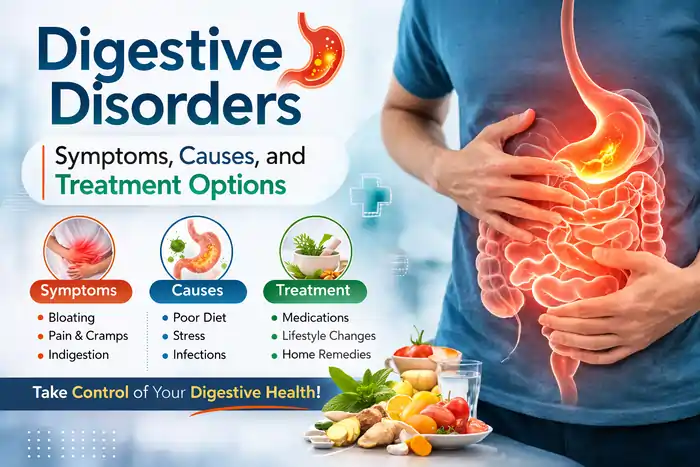
Digestive disorders affect millions of people worldwide and can significantly impact overall health and quality of life. The digestive system—also known as the gastrointestinal (GI) tract—is responsible for breaking down food, absorbing nutrients, and eliminating waste, and the National Institute of Diabetes and Digestive and Kidney Diseases (NIDDK) notes in its Digestive Diseases information that these conditions are among the leading causes of doctor visits, hospitalizations, and disability in the United States each year on NIDDK. When any part of this system stops functioning properly, individuals may experience symptoms such as abdominal pain, bloating, diarrhea, constipation, nausea, or acid reflux.
Digestive conditions range from mild and temporary problems such as indigestion to chronic illnesses like inflammatory bowel disease, gastroesophageal reflux disease (GERD), or irritable bowel syndrome (IBS). NIDDK’s digestive disease statistics report estimates that 60–70 million people in the U.S. are affected by digestive diseases in a given year, and there are tens of millions of digestive‑related ambulatory care visits annually on NIDDK.
Global health organizations also recognize digestive diseases as a major health concern; a large global burden analysis published in The Lancet‑linked GI series found that digestive diseases accounted for more than 2.5 million deaths and nearly 89 million disability‑adjusted life years worldwide in 2019, highlighting their substantial impact on PMC. Understanding digestive disorders, their causes, symptoms, and treatment options can help individuals recognize warning signs and seek timely medical care.
This guide explains how the digestive system works, common digestive disorders, symptoms to watch for, and modern treatment approaches used by healthcare professionals.
How the Digestive System Works
The digestive system is a complex network of organs that process food and convert it into nutrients the body can use. These organs work together to digest food, absorb nutrients, and remove waste.
The digestive tract includes:
- mouth
- esophagus
- stomach
- small intestine
- large intestine (colon)
- rectum and anus
Supporting digestive organs include:
- liver
- pancreas
- gallbladder
After food enters the body through the mouth, it moves through the esophagus into the stomach where digestive enzymes and stomach acid begin breaking down nutrients. The small intestine absorbs vitamins, minerals, proteins, fats, and carbohydrates, while the large intestine absorbs water and forms stool. The NIDDK’s overview of digestive diseases explains that digestion depends on coordinated muscle contractions, digestive enzymes, hormones, and beneficial gut bacteria, all working together to break food down and support nutrient absorption and immune function on NIDDK.
Patient resources from major centers such as the Mayo Clinic Gastroenterology and Hepatology program also stress that problems can occur anywhere along this path—from the esophagus and stomach to the liver, pancreas, and colon—because all of these organs are interconnected in the digestive process on Mayo Clinic.
Research from the NIH‑coordinated Human Microbiome Project shows that gut microbes play an essential role in digestion by helping break down complex carbohydrates, producing vitamins, and generating compounds that influence inflammation and gut barrier function, which means microbiome imbalances can contribute to symptoms and disease on Genome.gov. When any part of this process is disrupted, digestive symptoms can occur.
Common Symptoms of Digestive Disorders
Digestive disorders can produce a wide range of symptoms depending on the affected part of the digestive system.
Common digestive symptoms include:
- abdominal pain or stomach pain
- bloating
- indigestion (dyspepsia)
- nausea and vomiting
- diarrhea
- constipation
- acid reflux or heartburn
- difficulty swallowing
- loss of appetite
- unexplained weight loss
- blood in stool
The CDC and patient‑education resources such as the MedlinePlus Digestive Diseases encyclopedia stress that persistent digestive symptoms—especially those involving bleeding, weight loss, trouble swallowing, or anemia—should be evaluated by healthcare professionals because they may indicate infections, inflammatory conditions, or digestive cancers on MedlinePlus. Occasional digestive discomfort is common, but persistent or severe symptoms should not be ignored.
Common Types of Digestive Disorders
Many diseases can affect the digestive system. Some are temporary, while others require long‑term management.
Gastroesophageal Reflux Disease (GERD)
GERD occurs when stomach acid frequently flows back into the esophagus.
Symptoms include:
- heartburn
- acid reflux
- chest discomfort
- chronic cough
- regurgitation of stomach acid
GERD develops when the lower esophageal sphincter fails to close properly, allowing stomach acid to move upward. Clinical overviews summarized in ScienceDirect’s digestive disease topics and patient pages from the Cleveland Clinic Gastrointestinal Diseases guide explain that chronic reflux can lead to complications such as esophagitis, strictures, ulcers, and Barrett’s esophagus if not managed appropriately on Cleveland Clinic.
You can learn more in our guide:
GERD: Causes and Management (MedEduHub).
Irritable Bowel Syndrome (IBS)
Irritable bowel syndrome is a functional digestive disorder affecting the large intestine.
Symptoms may include:
- abdominal cramping
- bloating
- diarrhea
- constipation
- irregular bowel movements
IBS does not damage the intestines but can significantly affect daily life. Research supported by the NIH digestive disease program suggests that IBS may involve altered gut‑brain communication, changes in the gut microbiome, and increased sensitivity of intestinal nerves, an idea echoed in GI centers like Cleveland Clinic’s Digestive Disease & Surgery Institute, which highlights brain–gut interactions and personalized, symptom‑based treatment plans for IBS and other functional GI disorders on Cleveland Clinic.
Inflammatory Bowel Disease (IBD)
Inflammatory bowel disease refers to chronic inflammatory conditions affecting the digestive tract.
The two primary forms include:
- Crohn’s disease
- ulcerative colitis
Symptoms may include:
- chronic diarrhea
- abdominal pain
- fatigue
- weight loss
- intestinal inflammation
Unlike IBS, inflammatory bowel disease can cause structural damage to the digestive tract and increase the risk of complications such as strictures, fistulas, and colon cancer. NIDDK’s IBD information describes these conditions as long‑term diseases that often require ongoing medical therapy, regular monitoring, and sometimes surgery to control inflammation and preserve bowel function on NIDDK. Specialized centers, including Mayo Clinic’s Inflammatory Bowel Disease programs, provide multidisciplinary care for complex IBD, combining medical, surgical, nutritional, and psychosocial support.
For a clearer comparison of how these conditions differ, you can see our guide:
IBS vs IBD: Key Differences (MedEduHub).
Peptic Ulcers
Peptic ulcers are sores that develop in the stomach lining or upper small intestine.
Common causes include:
- Helicobacter pylori infection
- long‑term NSAID (anti‑inflammatory) medication use
- excessive stomach acid production
Symptoms include:
- burning stomach pain
- nausea
- bloating
- vomiting
The NIDDK’s peptic ulcer information and MedlinePlus’s stomach‑problem entries explain that untreated ulcers may lead to bleeding, infection, or stomach perforation, and that testing for H. pylori and reviewing medication use are essential steps in evaluation and treatment on NIDDK. Mayo Clinic’s digestive‑care pages likewise highlight endoscopy, H. pylori eradication therapy, and acid suppression as key parts of ulcer management.
Digestive Infections
Digestive infections are caused by bacteria, viruses, or parasites.
Common causes include:
- contaminated food or water
- poor food hygiene
- viral gastroenteritis
Symptoms include:
- diarrhea
- vomiting
- stomach cramps
- fever
The CDC’s Preventing Food Poisoning guide explains that following four key steps—clean, separate, cook, and chill—can significantly reduce the risk of foodborne illness by keeping germs away from food, cooking it to safe temperatures, and refrigerating leftovers promptly on CDC. Persistent or severe diarrhea, signs of dehydration, or blood in stool after a suspected infection should be evaluated by a healthcare provider.
Causes of Digestive Disorders
Digestive disorders may develop due to multiple factors.
Common causes include:
- infections
- inflammation
- immune system disorders
- genetics
- dietary habits
- medication side effects
- stress
- microbiome imbalance
NIDDK’s digestive disease research pages explain that these conditions span disorders of the GI tract, liver, gallbladder, and pancreas and can result from combinations of genetic susceptibility, environmental factors, and lifestyle choices on NIDDK. Findings from the NIH Human Microbiome Project highlight the critical role of gut bacteria in digestion, immune response, and inflammatory diseases, noting that microbes help break down nutrients, produce vitamins, and interact with the immune system in ways that can influence conditions like IBS, IBD, and metabolic disorders on Genome.gov.
Diagnosis of Digestive Disorders
Healthcare providers may use several diagnostic methods, including:
- medical history evaluation
- physical examination
- blood tests
- stool tests
- imaging tests (such as CT scan or ultrasound)
- endoscopy or colonoscopy
- tissue biopsy
The NIDDK digestive disease diagnostics information emphasizes that procedures like upper endoscopy and colonoscopy allow physicians to directly examine the lining of the digestive tract, take biopsies, and identify conditions such as ulcers, inflammation, polyps, or tumors early on NIDDK. Major centers like Mayo Clinic’s Gastroenterology and Hepatology and Cleveland Clinic’s Digestive Disease Institute also highlight specialized testing—such as capsule endoscopy, esophageal manometry, and advanced imaging—as part of comprehensive diagnostic work‑ups for complex GI problems on Mayo Clinic Health System.
Treatment Options for Digestive Disorders
Treatment depends on the specific digestive condition and its severity.
Lifestyle and Dietary Changes
Lifestyle changes can improve many digestive disorders.
Examples include:
- eating smaller, more frequent meals
- increasing dietary fiber as tolerated
- staying hydrated
- limiting alcohol and caffeine
- avoiding trigger foods (such as very spicy, greasy, or acidic foods)
- managing stress through relaxation, exercise, or counseling
Healthy dietary habits support digestive health and gut microbiome balance. NIDDK and major GI centers like Mayo Clinic and Cleveland Clinic often recommend evidence‑based strategies such as fiber optimization for constipation, weight management and head‑of‑bed elevation for GERD, or a low‑FODMAP diet under supervision for some IBS patients, while cautioning that changes should be individualized and ideally discussed with a healthcare provider or dietitian on NIDDK.
Medications
Doctors may prescribe medications such as:
- antacids, H2 blockers, and proton pump inhibitors (PPIs)
- antibiotics (for infections like H. pylori or bacterial gastroenteritis)
- anti‑inflammatory medications (for IBD)
- digestive enzyme supplements (for pancreatic insufficiency)
- antispasmodic or gut‑modulating drugs (for IBS or motility disorders)
Medication therapy is tailored to the underlying condition, and pharmacists and clinicians often collaborate to select regimens that balance effectiveness with safety, as highlighted in professional summaries such as Diseases of the Digestive System from U.S. Pharmacist and in treatment overviews from centers like Mayo Clinic Gastroenterology & Hepatology, which emphasize individualized, stepwise approaches to GERD, IBD, and other GI disorders.
Warning Signs of Serious Digestive Disease
Certain symptoms require immediate medical evaluation. These include:
- persistent or severe abdominal pain
- unexplained weight loss
- blood in stool (red or black)
- severe or repeated vomiting
- difficulty swallowing
- persistent anemia or unexplained fatigue
MedlinePlus and NIDDK digestive disease resources stress that these “red‑flag” symptoms can signal serious problems such as inflammatory bowel disease, peptic ulcer bleeding, celiac disease, or digestive cancers and should never be managed with home remedies alone on MedlinePlus and NIDDK.
You can learn more in our guide:
Warning Signs of Serious Digestive Disease (MedEduHub).
Early diagnosis can significantly improve treatment outcomes.
Key Takeaways | Digestive Disorders
Digestive disorders affect millions of people worldwide and can range from mild digestive discomfort to chronic gastrointestinal disease. NIDDK estimates that 60–70 million people in the United States are affected by digestive diseases, and global burden studies confirm that GI disorders remain a major cause of illness and death across many regions.
Understanding digestive symptoms and recognizing warning signs helps individuals seek timely medical care and prevent complications. Advances in digestive disease research supported by organizations such as the World Health Organization, the Centers for Disease Control and Prevention, the National Institutes of Health, and leading GI centers like Mayo Clinic and Cleveland Clinic continue to improve diagnosis, treatment, and prevention strategies—from expanding access to endoscopy and cancer screening to refining microbiome‑based therapies and minimally invasive procedures. Maintaining healthy lifestyle habits and consulting healthcare professionals when symptoms persist can help protect digestive health and overall well‑being.
FAQ | Digestive Disorders
What are the most common digestive disorders?
Common digestive disorders include GERD, irritable bowel syndrome (IBS), inflammatory bowel disease (IBD), peptic ulcers, gallbladder disease, celiac disease, and digestive infections, as listed in patient‑oriented resources from MedlinePlus, NIDDK, and Cleveland Clinic’s Digestive Diseases patient pages.
What causes digestive problems?
Digestive problems may be caused by infections, inflammation, diet, medications, stress, genetic factors, or imbalances in gut bacteria. NIH‑supported research, including the Human Microbiome Project and clinical trials at centers like Mayo Clinic, continues to explore how microbiome changes, gut‑barrier function, and immune responses contribute to these conditions.
When should I see a doctor for digestive symptoms?
You should seek medical care if symptoms include severe abdominal pain, blood in stool, unexplained weight loss, persistent vomiting, difficulty swallowing, or ongoing heartburn or bowel changes that do not improve, as these may signal serious disease and benefit from early evaluation.
Can digestive disorders be treated?
Yes. Many digestive disorders can be managed with lifestyle changes, medications, or medical procedures depending on the condition. Treatment plans are individualized and may evolve over time as symptoms and test results change, consistent with guidance from NIDDK and major gastroenterology programs at Mayo Clinic and Cleveland Clinic.
Medical Disclaimer
This article is intended for educational purposes only and should not replace professional medical advice, diagnosis, or treatment. Always consult a qualified healthcare professional for personalized medical guidance regarding digestive health concerns.
Written by: Eden Grace Ramos, RN
Medical Resources
This article references evidence-based medical information from internationally recognized health organizations. Clinical explanations of digestive diseases and gastrointestinal conditions align with research published by the National Institute of Diabetes and Digestive and Kidney Diseases (NIDDK), part of the National Institutes of Health (NIH), which provides extensive scientific information on digestive disorders and treatment approaches. Public health information related to gastrointestinal infections and digestive disease prevention reflects guidance from the Centers for Disease Control and Prevention (CDC).
Global disease burden data and digestive health initiatives referenced in this guide are informed by reports from the World Health Organization (WHO), which monitors digestive disease trends and supports global public health programs. These organizations publish peer-reviewed research and clinical guidelines widely used by healthcare professionals worldwide.