
Signs of an anxiety disorder include persistent and excessive worry, physical symptoms such as rapid heartbeat, muscle tension, dizziness, and gastrointestinal issues, along with sleep problems, irritability, and difficulty concentrating. These long‑lasting, disproportionate symptoms that interfere with daily life are core features of clinical anxiety disorders described by the World Health Organization (WHO) and the National Institute of Mental Health (NIMH). Early assessment by a healthcare professional—using clinical interviews, standardized criteria like DSM‑5, and screening tools—helps confirm diagnosis and guide effective treatment such as cognitive behavioral therapy, medication, and lifestyle adjustments.
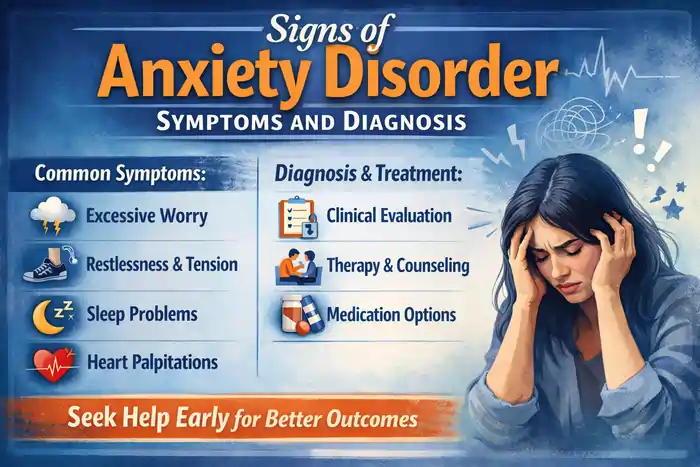
Anxiety is a natural and essential human response to stress. It helps the body stay alert, recognize potential danger, and prepare for action. In many situations, anxiety can even improve performance and decision-making. However, when anxiety becomes persistent, excessive, and difficult to control, it may no longer be a normal response—it may indicate an anxiety disorder.
Understanding the signs of anxiety disorder, recognizing how symptoms present in both the mind and body, and knowing when to seek professional help are critical steps in protecting long-term mental health. Anxiety disorders are not simply “overthinking” or “being stressed.” They are clinically recognized conditions that can significantly affect daily functioning, relationships, and overall well-being, as emphasized in the WHO’s broader fact sheet on mental disorders.
According to the World Health Organization, anxiety disorders are among the most common mental health conditions worldwide, affecting hundreds of millions of people across all age groups. Millions of people experience symptoms ranging from mild to severe, yet many remain undiagnosed or untreated. Early recognition and timely intervention can improve outcomes, reduce complications, and help individuals regain control of their lives.
What Is an Anxiety Disorder?
An anxiety disorder is a mental health condition characterized by persistent fear, worry, or nervousness that is disproportionate to the actual situation. Unlike temporary stress, which resolves after a triggering event passes, anxiety disorders tend to be long-lasting and may occur without a clear cause, matching the description of “excessive fear and anxiety with related behavioral disturbances” in DSM‑5–based summaries.
People with anxiety disorders often experience symptoms that interfere with their ability to function in everyday life. This may include difficulty concentrating, avoiding certain situations, or experiencing physical discomfort that cannot be explained by other medical conditions.
Common types of anxiety disorders include, as outlined by NIMH and DSM‑5 resources:
- Generalized Anxiety Disorder (GAD), marked by excessive worry about various aspects of life
- Panic Disorder, characterized by sudden and intense panic attacks
- Social Anxiety Disorder, involving fear of social situations and judgment
- Specific Phobias, which are intense fears of particular objects or situations
If you are unsure whether your anxiety is within a normal range or has progressed into a disorder, you can explore a deeper explanation in When Anxiety Becomes a Disorder.
Common Signs of Anxiety Disorder
Recognizing the symptoms of anxiety disorder involves looking at multiple dimensions, including emotional, physical, and behavioral changes. These symptoms often occur together and may vary in intensity from person to person, a pattern reflected in NIMH’s overview of signs and symptoms of anxiety disorders.
Persistent and Excessive Worry
One of the most defining features of anxiety disorder is ongoing and uncontrollable worry. This type of worry is often disproportionate to the situation and may persist even when there is no immediate threat.
Individuals may find themselves constantly thinking about potential problems, anticipating negative outcomes, or struggling to relax. This mental pattern can become exhausting over time, leading to difficulty focusing and reduced productivity.
Physical Symptoms of Anxiety
Anxiety is not purely psychological. It often manifests physically due to activation of the body’s fight-or-flight response, which is regulated by the nervous system.
Common physical symptoms include:
- Rapid heartbeat or palpitations
- Shortness of breath
- Muscle tension or body aches
- Sweating or chills
- Dizziness or lightheadedness
- Gastrointestinal issues such as nausea
- Fatigue or low energy
These symptoms can sometimes mimic serious medical conditions—such as heart or thyroid problems—which is why proper evaluation is important. For a more detailed breakdown of how anxiety affects the body, refer to Physical Symptoms of Anxiety Explained.
Emotional and Cognitive Symptoms
Anxiety disorders also affect emotional regulation and cognitive processes. Individuals may experience:
- Constant feelings of tension or unease
- Irritability or mood swings
- Difficulty concentrating or making decisions
- A sense of impending danger or doom
- Overthinking or repetitive thoughts
These emotional symptoms often reinforce physical symptoms, creating a cycle that can be difficult to break without intervention, something also highlighted in CDC’s discussion of depression and anxiety.
Behavioral Changes
Changes in behavior are another important indicator of anxiety disorder. These may develop gradually and can significantly impact daily functioning.
Examples include:
- Avoiding social situations or responsibilities
- Procrastinating due to fear of failure
- Seeking constant reassurance
- Withdrawing from previously enjoyable activities
Behavioral avoidance, in particular, can worsen anxiety over time by reinforcing fear responses, a pattern frequently discussed in CBT-based treatment guides.
Sleep Disturbances
Sleep problems are commonly associated with anxiety disorders. Individuals may struggle to fall asleep due to racing thoughts or wake frequently during the night.
Over time, poor sleep can worsen anxiety symptoms, reduce emotional resilience, and contribute to physical fatigue, which both WHO and NIMH note as common consequences of untreated anxiety.
Early Signs of Anxiety Disorder
Early signs of anxiety are often subtle and may be dismissed as normal stress. However, identifying these early indicators can help prevent progression into a more severe condition.
These may include:
- Increased sensitivity to everyday stressors
- Frequent worrying about minor issues
- Physical tension without clear cause
- Difficulty relaxing even in safe environments
Recognizing these early signs allows for earlier intervention, which is associated with better long-term outcomes in population studies summarized by WHO and NIMH.
Anxiety vs Normal Stress
It is important to distinguish between normal stress and an anxiety disorder. While both involve similar responses, the key difference lies in duration, intensity, and impact on daily life.
Normal stress is typically short-term and linked to a specific situation, such as an exam or work deadline. Once the situation resolves, the stress usually subsides.
In contrast, anxiety disorder involves persistent symptoms that may not have a clear trigger and can interfere with work, relationships, and daily responsibilities—matching the “excessive fear and anxiety with impairment in functioning” definition in WHO and DSM‑5–based criteria.
Anxiety vs Panic Attack Symptoms
Many individuals confuse general anxiety with panic attacks. While they are related, they are not the same.
A panic attack is a sudden episode of intense fear that peaks within minutes. Symptoms may include chest pain, shortness of breath, and a feeling of losing control, described in detail in NIMH materials on panic disorder and panic attacks.
For a clearer comparison, visit Anxiety vs Panic Attack: Key Differences.
Severe Anxiety Symptoms and Warning Signs
As anxiety progresses, symptoms may become more intense and disruptive. Warning signs of severe anxiety include:
- Inability to perform daily tasks
- Frequent or recurring panic attacks
- Persistent physical discomfort
- Avoidance of essential responsibilities
- Significant impact on relationships
These symptoms indicate that professional evaluation is necessary, which aligns with guidance from the NIMH “Any Anxiety Disorder” statistics and treatment section.
When Should You Seek Help for Anxiety?
Seeking help is an important step and should not be delayed when symptoms begin to interfere with daily life.
You should consider consulting a healthcare professional if:
- Symptoms persist for more than two weeks
- Anxiety affects work, school, or relationships
- Physical symptoms occur frequently
- You feel overwhelmed or unable to cope
The CDC encourages early help‑seeking for persistent anxiety and mood symptoms in its mental health information hub. Early treatment can prevent complications and improve overall quality of life.
How Is Anxiety Disorder Diagnosed?
Diagnosis of anxiety disorder involves a comprehensive assessment conducted by a qualified healthcare provider. There is no single test; instead, diagnosis is based on clinical evaluation and established criteria.
Clinical Assessment
Healthcare providers begin by gathering detailed information about symptoms, including their duration, severity, and impact on daily life. Medical history and lifestyle factors are also considered, similar to the assessment approach summarized in clinical overviews of DSM‑5 anxiety diagnostic criteria.
DSM-5 Diagnostic Criteria
Mental health professionals use the DSM-5 (Diagnostic and Statistical Manual of Mental Disorders) as a standardized guide.
Criteria generally include:
- Excessive anxiety and worry occurring more days than not
- Symptoms lasting at least six months
- Difficulty controlling the worry
- Associated physical or cognitive symptoms
For a complete explanation, visit How Anxiety Is Diagnosed (DSM-5 Criteria Explained), and see also DSM‑5 summaries like this anxiety and OCD overview.
Screening Tools and Medical Evaluation
Screening tools such as the GAD-7 questionnaire may be used to assess symptom severity. Additionally, healthcare providers may perform tests to rule out underlying medical conditions such as thyroid disorders or cardiovascular issues, which can produce anxiety-like symptoms.
What Does Anxiety Disorder Feel Like?
People with anxiety disorder often describe a constant sense of unease or fear that is difficult to explain. It may feel like the mind is always active, anticipating problems or danger.
This experience can be both mentally exhausting and physically draining, especially when symptoms persist over long periods—something echoed in NIMH’s patient stories and descriptions of generalized anxiety disorder.
Causes and Risk Factors
Anxiety disorders are complex and often result from a combination of factors, including:
- Genetic predisposition
- Brain chemistry and neurotransmitter imbalances
- Environmental stress or trauma
- Chronic health conditions
- Lifestyle factors such as sleep and substance use
WHO and NIMH both note that genetic vulnerability, adverse life events, and chronic medical illness are major risk factors for anxiety disorders and related mental health conditions. Understanding these factors can help guide treatment and prevention strategies.
Can Anxiety Go Away on Its Own?
Mild anxiety may improve with lifestyle changes such as improved sleep, regular exercise, and stress management. However, anxiety disorders typically require structured treatment, and evidence from WHO shows that most people with anxiety who need care do not receive adequate treatment without active intervention.
Without intervention, symptoms may persist or worsen over time.
What Happens If Anxiety Is Left Untreated?
Untreated anxiety can lead to significant consequences, including:
- Increased risk of depression
- Substance use disorders
- Chronic physical health problems
- Reduced quality of life
The CDC notes that anxiety disorders often co‑occur with depression and can contribute to long-term disability if unaddressed. This highlights the importance of early diagnosis and appropriate treatment.
Evidence-Based Treatment Options
Treatment for anxiety disorder is effective and widely available. Common approaches include:
Cognitive Behavioral Therapy (CBT)
CBT is a structured form of therapy that helps individuals identify and change negative thought patterns and behaviors. WHO and NIMH both highlight CBT‑based interventions as first‑line treatment for many anxiety disorders in their guidance on psychological interventions and evidence‑based psychotherapies.
Medications
Medications such as selective serotonin reuptake inhibitors (SSRIs) and SNRIs may be prescribed to help regulate brain chemistry, with benzodiazepines used cautiously for short‑term relief, reflecting common practice guidelines discussed in DSM‑5‑aligned clinical reviews.
Lifestyle Interventions
Healthy habits such as regular physical activity, balanced nutrition, and adequate sleep play a supportive role in managing symptoms and are routinely recommended in public health guidance from organizations like the CDC and WHO.
Anxiety Disorder Symptoms Checklist
You may consider seeking professional evaluation if you experience:
- Persistent and excessive worry
- Physical symptoms such as rapid heartbeat or dizziness
- Difficulty sleeping
- Avoidance of daily activities
- Trouble concentrating
NIMH provides similar checklists of symptoms and encourages people to talk with a healthcare provider if these signs are present most days for several weeks.
Final Thoughts
Recognizing the signs of anxiety disorder is an important step toward better mental health. Anxiety is highly treatable, and with the right support, individuals can manage symptoms effectively and improve their quality of life.
If you find yourself questioning whether your anxiety is normal or requires attention, it is always better to seek guidance. Early intervention leads to better outcomes and helps prevent long-term complications, a message consistent across WHO, CDC, and NIMH mental health campaigns.
Medical Disclaimer
Content is based on current clinical guidelines and peer-reviewed research from WHO, CDC, NIH, and allied professional organizations. This article is for educational purposes only and does not replace professional medical advice, diagnosis, or treatment. Always consult a qualified healthcare provider for any mental health concerns.
Written by: Eden Grace Ramos, RN
References
- World Health Organization (WHO) – Mental Health and Anxiety Disorders
- Centers for Disease Control and Prevention (CDC) – Mental Health Resources
- National Institute of Mental Health (NIMH) – Anxiety Disorders
- American Psychiatric Association / DSM‑5 summaries
- CDC: Mental Health Conditions – Depression and Anxiet