
Myths About Ear Cleaning Key Takeaways
Ears are remarkable organs that require very little maintenance, yet people spend millions each year on products that claim to clean them.
- Your ears are self-cleaning; frequent deep cleaning is unnecessary and risky.
- Cotton swabs push wax deeper, causing impaction and potential cotton swab ear damage .
- Earwax is a natural protective barrier, not a sign of poor hygiene.
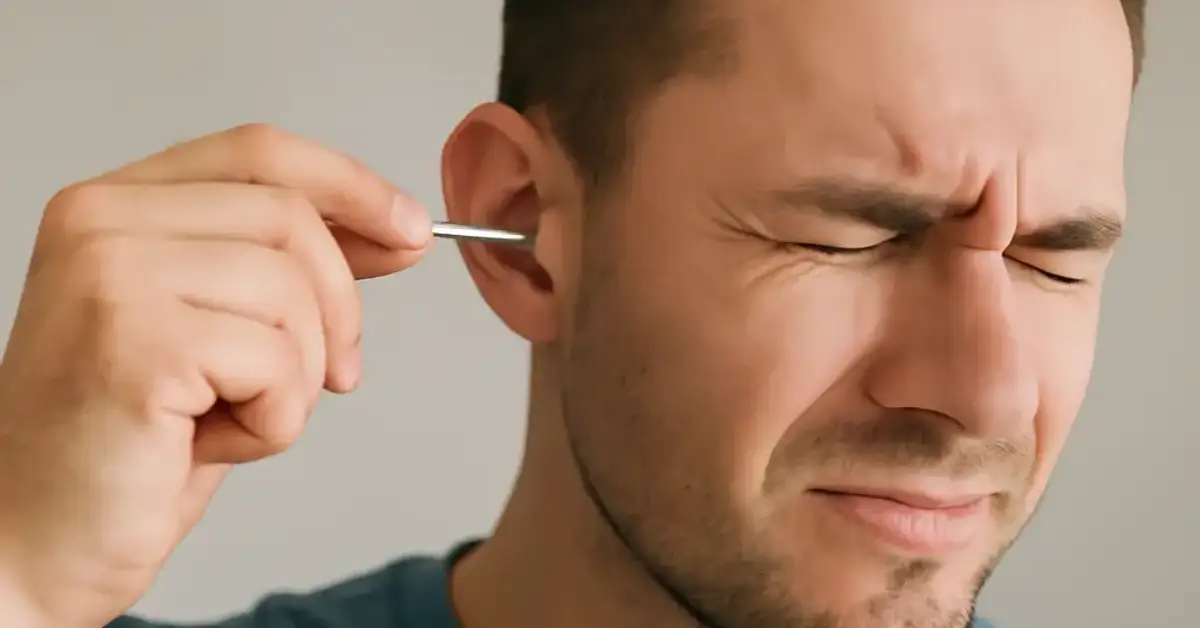
What You Need to Know About Myths About Ear Cleaning
Ears are remarkable organs that require very little maintenance, yet people spend millions each year on products that claim to clean them. Unfortunately, many of these practices are based on ear cleaning myths that can cause more harm than good. Ear wax removal myths often lead individuals to insert objects into their ear canals, which can damage delicate skin, push wax deeper, and even lead to hearing loss. For a related guide, see 11 Everyday Habits That Can Damage Your Hearing.
The ear is designed to clean itself. Glands in the ear canal produce cerumen (the medical term for earwax) which traps dirt, dust, and debris. Over time, old wax migrates out of the canal naturally, helped by jaw movements from talking and chewing. Interfering with this process disrupts the natural equilibrium and can cause problems. In the sections below, we debunk nine of the most dangerous ear cleaning misconceptions.
1. Myth: Earwax Is Dirty and a Sign of Poor Hygiene
One of the most persistent ear cleaning myths is that earwax indicates uncleanliness. In truth, earwax health benefits are significant. Cerumen protection function includes trapping airborne particles like dust and pollen, preventing them from reaching the eardrum. Earwax also has antimicrobial properties that help prevent infections.
People with visible wax often feel embarrassed, but healthcare professionals emphasize that wax is a sign of a working, healthy ear. Removing it unnecessarily strips away this natural defense. The next time someone asks “does earwax mean poor hygiene,” remember that the answer is a clear no.
2. Myth: Using Cotton Swabs Is Safe for Cleaning Ears
Perhaps the most common ear hygiene mistake is inserting cotton swabs into the ear canal. While it may feel satisfying, cotton swab ear damage is well documented. Swabs often push wax deeper, where it compacts into a plug against the eardrum. This can cause pain, tinnitus, temporary hearing loss, and even a ruptured eardrum. Ear canal safety means never inserting anything smaller than your elbow, as many doctors say.
If wax is visible at the outer opening, it can be gently wiped away with a damp cloth. But do not probe inside. Safe ear hygiene starts with keeping objects out of the ear canal.
3. Myth: Ears Need Frequent Deep Cleaning
Another popular misconception is that ears require regular deep cleaning to stay healthy. Over cleaning ears can strip away protective wax, leaving the skin dry and prone to itching. The ear then produces even more wax to compensate, creating a cycle of irritation. In most cases, the ear is self-cleaning. Natural earwax function works continuously to keep the canal clean.
Frequent cleaning with drops, oil, or irrigation kits at home can damage the sensitive lining of the canal and alter the pH balance. This increases the risk of infection. ENT ear cleaning advice consistently recommends leaving ears alone unless symptoms like pain or hearing loss arise.
4. Myth: Ear Candles Can Remove Wax Effectively
Ear candling involves placing a hollow, cone-shaped candle in the ear and lighting the opposite end. Proponents claim the heat creates a vacuum that draws wax out. However, multiple studies and ear candling risks show no evidence of wax removal. In fact, candle wax can drip into the ear canal, causing burns, blockages, and perforations. Safe ear cleaning methods never include candles.
The FDA has issued warnings about ear candles, and the American Academy of Otolaryngology advises against their use. Hearing health tips include avoiding any unproven devices that claim to extract wax.
5. Myth: You Should Clean Your Ears Every Day
Many people ask “should you clean your ears daily?” The answer is no. Daily cleaning, especially with swabs or drops, can lead to chronic irritation and reduced protection. The external ear (the pinna) can be washed daily with soap and water, but the ear canal should be left alone. Ear hygiene mistakes often stem from good intentions. Overzealous daily cleaning can cause dermatitis, eczema, and increased infection risk.
If you feel a need to clean daily due to excessive wax production, see an ENT. There may be an underlying condition such as seborrheic dermatitis or a narrow ear canal that requires professional management.
6. Myth: Removing All Wax Is Beneficial for Hearing
Some believe that a completely wax-free ear hears better. Actually, a thin layer of wax helps maintain the health of the ear canal skin and supports natural earwax function. Removing all wax can lead to dry, cracked skin that is more susceptible to infection. Wax also affects the resonance of sound waves entering the ear, meaning total removal can alter how you perceive sound. Earwax health relies on the presence of a reasonable amount of wax.
Only when wax becomes impacted—blocking the canal and causing symptoms—should it be removed by a professional. Is earwax harmful or necessary? It is necessary in normal amounts.
7. Myth: Home Irrigation Kits Are Safe for Everyone
Over-the-counter ear irrigation kits and bulb syringes are marketed as convenient solutions. While they can work for some, they are not safe for everyone. People with a history of ear infections, perforated eardrums, or ear surgery should never use them. Forcing water into the ear can push debris deeper and introduce bacteria. Ear canal safety dictates that irrigation should only be performed by a trained professional after examination.
If you have diabetes, a weakened immune system, or thin ear canal skin, home irrigation is especially risky. Safe ear cleaning methods include mineral oil drops for softening wax, but only if the eardrum is known to be intact.
8. Myth: Ear Cleaning Problems Always Cause Obvious Symptoms
Many people assume they would know if they damaged their ear by cleaning it. However, cotton swab ear damage can accumulate slowly. Micro-tears in the skin, microscopic wax impaction, and mild hearing changes may go unnoticed until a serious problem emerges. It is possible to have a wax plug for months without knowing it. Routine cleaning that seems harmless can gradually harm the ear.
Regular self-inspection is not recommended (you cannot see the eardrum safely). Instead, schedule an ear check during your annual physical. Hearing health tips emphasize early detection over self-treatment.
9. Myth: Professional Ear Cleaning Is Only for Ear Problems
Some people think they only need to see an ENT or audiologist when they have symptoms. In reality, routine professional evaluation can catch issues early. For example, individuals who wear hearing aids or earplugs often have accelerated wax buildup. ENT ear cleaning advice suggests a check-up every six to twelve months for these patients. Professionals use safe methods like suction, curettes, and microscopic visualization to remove wax without damaging the canal. For a related guide, see ENT Conditions: Common Ear, Nose, and Throat Disorders.
Additionally, if you have a history of recurrent ear infections or a narrow ear canal, professional cleaning is the safest route. When should you see a doctor for ear cleaning? If you have pain, fullness, hearing loss, discharge, or tinnitus, do not attempt home removal. For a related guide, see 10 Common Causes of Hearing Loss: Essential Guide for Healthcare Professionals.
Safe Ear Cleaning Methods Recommended by Professionals
Understanding safe ear hygiene is the best way to protect your hearing. Healthcare professionals offer these ear care tips:
- Do not insert anything into your ear canal. This includes cotton swabs, paper clips, fingernails, or ear picks.
- Clean only the outer ear. Use a soft, damp cloth to wipe the pinna and the opening of the canal.
- Use drops sparingly. Over-the-counter wax softening drops (mineral oil, glycerin, or hydrogen peroxide) can be used occasionally, but consult a doctor first.
- See a professional for symptoms. If you have hearing loss, earache, ringing, or a feeling of fullness, visit an ENT for safe earwax removal myths debunking.
- Protect your ears. Use earplugs in noisy environments and keep water out if you have a history of infections.
Useful Resources
For more information on safe ear cleaning methods and hearing health tips, explore these authoritative resources:
- American Academy of Otolaryngology – Earwax and Care
- Mayo Clinic – Earwax Blockage: Symptoms and Causes
Understanding these 9 myths about ear cleaning you should stop believing empowers you to make safer choices. Trust your ears to do their job, and consult an ENT when something feels off. Your hearing will thank you.
Frequently Asked Questions About Myths About Ear Cleaning
What are common myths about ear cleaning ?
Common ear cleaning myths include beliefs that earwax is dirty, that you should clean ears daily, that cotton swabs are safe, and that ear candles work. Each myth can lead to practices that harm ear health.
Is earwax harmful or necessary?
Earwax is necessary. It traps dirt, repels insects, and has antibacterial properties. Only excessive impacted wax becomes a problem requiring professional removal.
Should you clean your ears daily?
No. Daily cleaning of the ear canal is unnecessary and can cause irritation, dryness, and increased infection risk. The outer ear can be cleaned daily, but the canal should be left alone.
Can cotton buds damage your ears?
Yes. Cotton swab ear damage includes pushing wax deeper, causing impaction, perforating the eardrum, and creating micro-tears that can become infected.
How often should ears be cleaned safely?
For most people, never. The ear is self-cleaning. If you have excessive wax buildup, a professional cleaning every 6–12 months is sufficient. Do not attempt routine deep cleaning at home.
Does earwax mean poor hygiene?
No. Earwax is a natural substance produced by glands in the ear canal. Its presence is a sign of a healthy ear, not poor personal cleanliness.
Can ear candles safely remove earwax?
No. Studies show ear candles do not remove earwax. Ear candling risks include burns, candle wax entering the ear, and eardrum perforation. They are not safe nor effective.
What happens if you over clean your ears?
Over cleaning ears can cause dryness, itching, flaking skin, and increased infection risk. It can also stimulate the ear to produce more wax, creating a cycle of excessive buildup.
Is earwax removal at home safe?
Home removal with swabs, picks, or irrigation kits is generally not safe and can lead to impaction, injury, or infection. Professional removal is recommended when needed.
Can ear cleaning cause hearing loss?
Yes. Improper cleaning can push wax against the eardrum, causing conductive hearing loss. It can also damage the eardrum or ear canal, leading to permanent hearing changes.
What do doctors recommend for ear hygiene?
ENT ear cleaning advice includes cleaning only the outer ear with a cloth, never inserting objects, and seeing a professional if you have symptoms of blockage.
Why do ears produce wax?
Ears produce wax to trap debris, protect the ear canal skin, and repel water and insects. It is a natural, beneficial substance.
What are safe ways to remove earwax?
Safe ear cleaning methods include professional removal using suction or curettage by an ENT. At home, mineral oil drops can soften wax only if the eardrum is intact.
When should you see a doctor for ear cleaning?
See a doctor if you have ear pain, hearing loss, ringing, dizziness, a feeling of fullness, or discharge. Also seek help if you have a history of ear problems or use hearing aids.
What mistakes do people make when cleaning ears?
Common ear hygiene mistakes include using cotton buds, ear candles, daily cleaning, home irrigation without medical evaluation, and ignoring symptoms of impaction.
Can Q-tips cause infection?
Yes. Cotton swab ear damage can create small breaks in the skin that allow bacteria to enter, leading to outer ear infections or even middle ear infections.
Is it safe to use ear wax removal drops daily?
No. Daily use can irritate the ear canal and alter its natural environment. Use drops only occasionally and as directed, preferably under medical guidance.
Does ear wax protect against infections?
Yes. Cerumen protection function includes antifungal and antibacterial properties that help prevent ear infections. Removing it can increase infection risk.
Can loud music cause excess earwax?
Not directly, but using earbuds or headphones can push wax deeper or stimulate more production due to physical obstruction. Keep volume moderate and clean earbuds regularly.
Why do some people have more earwax than others?
Genetics, age, and the shape of the ear canal influence wax production. Some individuals naturally produce dry, flaky wax; others produce wet, sticky wax. Both are normal.