
Most Common Neurological Disorders Key Takeaways
Neurological disorders affect millions worldwide and are a daily reality in clinical practice, from primary care to emergency departments.
- Most Common Neurological Disorders like stroke, epilepsy, and migraine are frequently misidentified in early stages — knowing the red flags improves outcomes.
- Classification into CNS, PNS, and neurodegenerative categories helps clinicians apply systematic differentials.
- Treatment approaches range from acute interventions (thrombolysis for stroke) to long-term management (levodopa for Parkinson’s disease).
Why Recognizing the Most Common Neurological Disorders Matters in Clinical Practice
For medical students, neurology residents, general practitioners, nurses, and allied health professionals, the ability to quickly identify common neurological disorders in clinical practice can save lives and reduce disability. Stroke and cerebrovascular disease remain the second leading cause of death globally, while migraine and headache disorders account for more years lived with disability than all other neurological conditions combined. Early recognition of early signs of common neurological diseases — such as transient ischemic attack (TIA) before a full stroke, or focal seizures before generalized convulsions — allows timely intervention.

Understanding how to recognize common neurological diseases also prevents misdiagnosis. For example, peripheral neuropathy can be mistaken for musculoskeletal pain, and multiple sclerosis flares may mimic stroke. By mastering the differences between common neuro diseases, clinicians can order appropriate tests, refer to specialists sooner, and counsel patients on realistic expectations.
Neurological Disease Classification: CNS, PNS, and Neurodegenerative Disorders
Classifying neurological disease classification into central nervous system (CNS), peripheral nervous system (PNS), and neurodegenerative disorders provides a framework for differential diagnosis. The CNS disease spectrum includes brain and spinal cord conditions such as stroke, epilepsy, multiple sclerosis, and infections. CNS and PNS disorders often present with overlapping symptoms — for instance, weakness can originate from upper motor neuron lesions (CNS) or lower motor neuron lesions (PNS). Neurodegenerative disease symptoms like cognitive decline, parkinsonism, and ataxia evolve slowly and require longitudinal assessment. For a related guide, see Neurological Conditions: Symptoms, Signs, and Treatment.
Central Nervous System Disorders
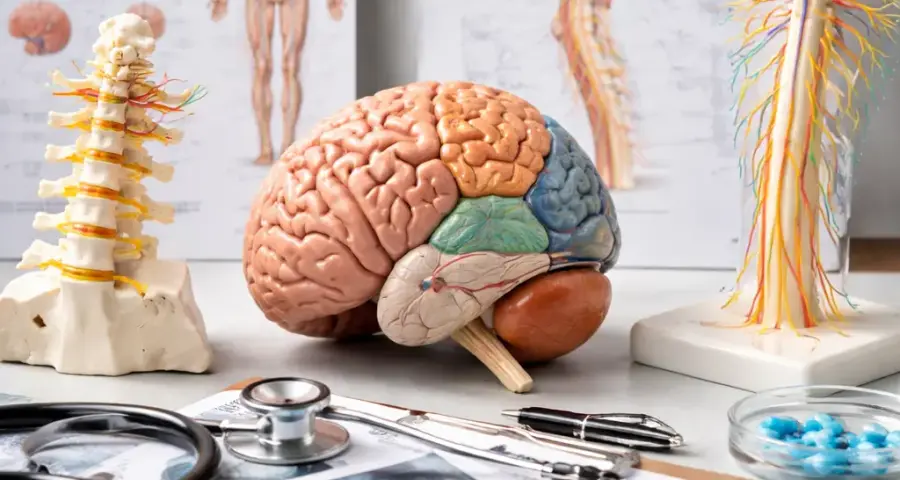
These involve the brain, spinal cord, and optic nerves. Common examples include stroke and cerebrovascular disease, epilepsy, multiple sclerosis, and Alzheimer’s disease. Patients typically present with focal neurological deficits, altered consciousness, seizures, or cognitive impairment.
Peripheral Nervous System Disorders
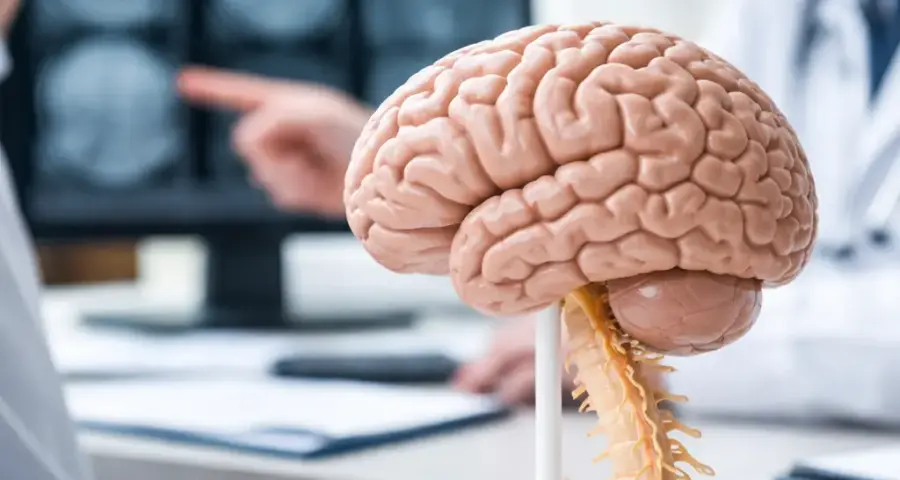
These affect nerves outside the brain and spinal cord. Peripheral neuropathy is the most frequent, caused by diabetes, toxins, or autoimmune conditions. Symptoms include numbness, tingling, burning pain, and distal weakness.
Neurodegenerative Disorders
Characterized by progressive loss of neurons. Parkinson’s disease basics, dementia and Alzheimer’s disease, and amyotrophic lateral sclerosis (ALS) fall into this category. Onset is insidious, and management focuses on symptom control and quality of life.
The 15 Most Common Neurological Disorders You Will See in Practice
This list reflects the essential neurology conditions most frequently encountered in hospital wards, outpatient clinics, and emergency departments. Each entry includes symptoms of major neurological disorders, diagnosis of neurological disorders in hospitals, impact on daily life, and standard treatments for common neurological conditions.
1. Stroke and Cerebrovascular Disease
Stroke and cerebrovascular disease encompasses ischemic stroke (80% of cases), intracerebral hemorrhage, and subarachnoid hemorrhage. Early signs of common neurological diseases here include sudden unilateral weakness, facial droop, speech difficulty, and vision loss. The FAST mnemonic (Face, Arm, Speech, Time) remains the gold standard for public and clinician awareness.
Diagnosis relies on non-contrast CT to exclude hemorrhage, followed by CT angiography for vessel occlusion. Standard treatments for common neurological conditions include intravenous thrombolysis within 4.5 hours, endovascular thrombectomy for large vessel occlusions, and secondary prevention with antiplatelets, statins, and blood pressure control. In daily life, survivors often face hemiparesis, aphasia, and post-stroke depression.
2. Migraine and Headache Disorders
Migraine and headache disorders affect over 1 billion people worldwide. Migraine is characterized by recurrent moderate-to-severe throbbing headache, often unilateral, with nausea, photophobia, and phonophobia. About one-third of patients experience aura — transient visual, sensory, or language disturbances.
How do you recognize common neurological diseases in headache patients? Look for triggers (stress, menstrual cycle, certain foods), disability lasting 4–72 hours, and normal neurological exam between attacks. Diagnosis is clinical, based on International Classification of Headache Disorders criteria. Imaging may be needed to exclude secondary causes. Standard treatments for common neurological conditions include acute therapy (triptans, NSAIDs), preventive medications (beta-blockers, topiramate, CGRP monoclonal antibodies), and lifestyle modifications.
3. Epilepsy Overview
Epilepsy overview begins with understanding recurrent unprovoked seizures. Seizures result from abnormal electrical activity in the brain. Types include focal (simple partial, complex partial) and generalized (tonic-clonic, absence, myoclonic). The most common neurological disorders involving seizures affect about 50 million people globally.
Early signs of common neurological diseases in epilepsy may include staring spells, unexplained confusion, or twitching in one limb. Diagnosis involves EEG, MRI to identify structural lesions, and sleep-deprived EEG if necessary. Standard treatments for common neurological conditions are antiseizure medications (levetiracetam, lamotrigine, valproate). For drug-resistant epilepsy, surgical resection or neuromodulation (vagus nerve stimulation, responsive neurostimulation) may be considered.
4. Dementia and Alzheimer’s Disease
Dementia and Alzheimer’s disease represent the most common neurodegenerative cause of cognitive decline. Alzheimer’s disease accounts for 60–70% of dementia cases. Early signs of common neurological diseases include short-term memory loss, difficulty with familiar tasks, language problems, and disorientation to time or place.
Diagnosis is clinical, supported by cognitive testing (MMSE, MoCA), brain MRI (mesial temporal atrophy), and biomarker analysis (CSF amyloid/tau). Standard treatments for common neurological conditions include cholinesterase inhibitors (donepezil, rivastigmine) and memantine. Non-pharmacological strategies (cognitive stimulation, behavioral management) are essential. The importance of understanding neurological disorders for clinicians here extends to caregiver support and advance care planning.
5. Parkinson’s Disease Basics
Parkinson’s disease basics center on progressive loss of dopaminergic neurons in the substantia nigra. Cardinal movement disorder clinical signs are resting tremor, bradykinesia, rigidity, and postural instability. Non-motor symptoms include anosmia, REM sleep behavior disorder, depression, and constipation — often preceding motor signs by years.
Diagnosis of neurological disorders in hospitals remains clinical. DaTscan can help distinguish Parkinson’s from essential tremor or drug-induced parkinsonism. Standard treatments for common neurological conditions include levodopa/carbidopa, dopamine agonists, MAO-B inhibitors, and deep brain stimulation for advanced disease.
6. Multiple Sclerosis Overview
Multiple sclerosis overview describes an autoimmune demyelinating disease of the CNS, typically affecting young adults. Relapsing-remitting MS is the most common form. Symptoms of major neurological disorders include optic neuritis (painful vision loss), transverse myelitis (weakness, numbness, bowel/bladder dysfunction), and brainstem syndromes (diplopia, vertigo).
Diagnosis requires demonstration of lesions disseminated in space and time on MRI, plus supportive CSF findings (oligoclonal bands). Standard treatments for common neurological conditions include disease-modifying therapies (interferons, glatiramer acetate, fingolimod, ocrelizumab) for relapsing forms, and symptomatic management for fatigue, spasticity, and pain.
7. Peripheral Neuropathy
Peripheral neuropathy is one of the frequently seen brain and nerve conditions, especially in patients with diabetes, chronic kidney disease, or alcoholism. It presents as symmetric, length-dependent sensory loss, pain, and weakness starting in the feet.
Diagnosis uses nerve conduction studies and electromyography. Blood tests screen for diabetes, vitamin B12 deficiency, thyroid dysfunction, and autoimmune conditions. Standard treatments for common neurological conditions focus on underlying cause management: glycemic control, vitamin supplementation, and pain relief with gabapentinoids, tricyclic antidepressants, or SNRIs.
8. Migraine Variants and Tension-Type Headache
While migraine gets attention, tension-type headache is the most prevalent headache disorder. How to recognize common neurological diseases here: bilateral pressing/tightening pain, mild to moderate intensity, no nausea, and no aggravation by routine physical activity. Chronic tension-type headache can overlap with medication overuse headache.
Diagnosis is clinical, but imaging may be needed to exclude secondary headaches. Standard treatments for common neurological conditions include acute use of simple analgesics (ibuprofen, acetaminophen) and preventive strategies such as tricyclic antidepressants, amitriptyline, and physical therapy for muscle tension.
9. Essential Tremor
Essential tremor is the most common movement disorder, distinct from Parkinson’s. Movement disorder clinical signs include bilateral, symmetric postural and kinetic tremors, typically in the hands. It may also affect the head, voice, or legs. Onset is often familial.
Diagnosis is clinical, based on characteristic tremor pattern and absence of other neurological signs. Standard treatments for common neurological conditions include beta-blockers (propranolol) and primidone. For refractory cases, focused ultrasound thalamotomy or deep brain stimulation can be considered.
10. Restless Legs Syndrome
Restless legs syndrome (RLS) is a sensorimotor disorder causing an irresistible urge to move the legs, accompanied by uncomfortable sensations. Symptoms occur at rest, worsen in the evening, and are relieved by movement. Early signs of common neurological diseases like RLS are often misattributed to sleep problems or leg cramps.
Diagnosis is clinical using the International RLS Study Group criteria. Ferritin levels should be checked; iron deficiency is a reversible cause. Standard treatments for common neurological conditions include dopamine agonists (pramipexole, ropinirole), alpha-2-delta ligands (gabapentin, pregabalin), and iron supplementation if deficient.
11. Traumatic Brain Injury
Traumatic brain injury (TBI) is a leading cause of disability in young adults and the elderly. Severity ranges from mild (concussion) to severe. Brain diseases in clinical practice after TBI include post-concussion syndrome, cognitive impairment, and chronic traumatic encephalopathy.
Diagnosis of neurological disorders in hospitals involves CT for acute hemorrhage or skull fracture, MRI for diffuse axonal injury, and cognitive assessment. Standard treatments for common neurological conditions depend on severity: supportive care for mild TBI, surgical evacuation for hematomas, and rehabilitation for persistent deficits.
12. Meningitis and Encephalitis
Infections of the CNS — meningitis (inflammation of the meninges) and encephalitis (inflammation of the brain parenchyma) — are neurological emergencies. Symptoms of major neurological disorders include headache, fever, neck stiffness, altered mental status, and seizures.
Diagnosis requires lumbar puncture for CSF analysis (cell count, protein, glucose, culture, PCR). Blood cultures and brain imaging precede lumbar puncture if intracranial pressure is elevated. Standard treatments for common neurological conditions include empiric antibiotics (ceftriaxone, vancomycin) and acyclovir for suspected herpes simplex encephalitis.
13. Spinal Cord Compression
Acute spinal cord compression is a neurosurgical emergency. Causes include trauma, metastatic tumors, epidural abscess, and hematoma. Early signs of common neurological diseases — back pain, extremity weakness, sensory level, and bowel/bladder dysfunction — require immediate MRI.
Diagnosis is by MRI. Standard treatments for common neurological conditions include high-dose corticosteroids, surgical decompression, and radiation for metastatic tumors. Time-to-treatment correlates directly with functional outcome.
14. Myasthenia Gravis
Myasthenia gravis is an autoimmune disorder affecting the neuromuscular junction. Key movement disorder clinical signs are painless, fluctuating muscle weakness that worsens with activity and improves with rest. Ocular symptoms (ptosis, diplopia) are common initially.
Diagnosis uses acetylcholine receptor antibody testing, repetitive nerve stimulation, and single-fiber EMG. Standard treatments for common neurological conditions include acetylcholinesterase inhibitors (pyridostigmine), immunosuppressants (prednisone, mycophenolate mofetil), and thymectomy for thymoma.
15. Amyotrophic Lateral Sclerosis
Neurodegenerative disorders like amyotrophic lateral sclerosis (ALS) cause progressive degeneration of both upper and lower motor neurons. Patients present with muscle weakness, atrophy, fasciculations, spasticity, and dysphagia. Early signs of common neurological diseases may be subtle: foot drop, clumsy hands, or slurred speech.
Diagnosis uses the revised El Escorial criteria, EMG/nerve conduction studies, and exclusion of mimics. Standard treatments for common neurological conditions are limited: riluzole and edaravone offer modest disease slowing. Multidisciplinary care (pulmonology, nutrition, speech therapy) is critical for quality of life.
Essential Neurology Conditions: Key Differences Clinicians Must Know
Understanding the differences between common neuro diseases is vital for accurate neurological condition diagnosis basics. The table below summarizes key distinguishing features of the clinical neurology conditions that overlap most frequently in practice.
| Condition | Key Onset | Core Symptom | Bedside Test | Emergency Action |
|---|---|---|---|---|
| Ischemic Stroke | Sudden | Unilateral weakness | FAST | CT + thrombolysis |
| Migraine | Episodic, hours | Throbbing headache | Normal exam | Acute triptan |
| Generalized Epilepsy | Seconds to minutes | Tonic-clonic activity | Post-ictal confusion | Benzodiazepine/EEG |
| Parkinson’s | Insidious | Tremor, bradykinesia | Rigidity, gait | Levodopa trial |
| Multiple Sclerosis | Subacute, relapsing | Optic neuritis | MRI lesions | Steroids/DMT |
Neurological Patient Assessment Guide: Clinical Approach for Hospital Neurology Cases
A systematic neurological patient assessment guide is essential for every clinician facing hospital neurology cases. Start with the history: onset (sudden vs. gradual), course (progressive, relapsing-remitting, static), and risk factors (vascular, autoimmune, toxic, hereditary). The neurological exam should cover mental status, cranial nerves, motor system, sensory system, reflexes, coordination, and gait. Medical neurology learning guide resources recommend using the NIH Stroke Scale for acute stroke, the Glasgow Coma Scale for altered mental status, and the Unified Parkinson’s Disease Rating Scale for movement disorders.
Red Flags for Emergent Referral
- Sudden onset of severe headache (thunderclap)
- New focal weakness or speech difficulty
- Seizure in an adult without prior epilepsy
- Acute confusion or altered consciousness
- Rapidly progressive weakness or sensory loss
How Neurological Disorders Affect Patients’ Daily Life
Beyond diagnosis and treatment, clinicians must understand how do neurological disorders affect patients daily life. Stroke survivors often require help with walking, dressing, and communication. Migraineurs may miss work or social events unpredictably. Patients with Parkinson’s disease struggle with medication timing (“off” periods) and fall risk. Common nervous system disorders like peripheral neuropathy cause chronic pain that disrupts sleep and mobility. Addressing these functional impacts through occupational therapy, physical therapy, and social support is as important as pharmacological management. For a related guide, see 12 Key Steps in the Neurological Examination Explained Simply.
Standard Treatments for Common Neurological Conditions: An Overview
Standard treatments for common neurological conditions can be grouped into acute interventions, disease-modifying therapies, and symptomatic management. Acute interventions include thrombolysis for ischemic stroke, corticosteroids for multiple sclerosis relapses, and anticonvulsants for status epilepticus. Disease-modifying therapies slow progression in conditions like multiple sclerosis (DMTs) and Alzheimer’s (cholinesterase inhibitors). Symptomatic management addresses pain, spasticity, fatigue, and mood disorders.
Useful Resources
For further depth on the brain and nerve diseases overview and clinical practice guidelines, consult these authoritative sources:
- National Institute of Neurological Disorders and Stroke (NINDS) — comprehensive disorder descriptions, research updates, and clinical trial information.
- American Academy of Neurology (AAN) — evidence-based practice guidelines, continuing education, and clinical tools for neurologists.
Frequently Asked Questions About Most Common Neurological Disorders
What are the most common neurological disorders in clinical practice?
The most common neurological disorders encountered in clinical practice include stroke, migraine, epilepsy, dementia, Parkinson’s disease, peripheral neuropathy, multiple sclerosis, and essential tremor. These conditions collectively account for the majority of neurology consultations in both inpatient and outpatient settings.
How do I recognize common neurological diseases early?
Recognizing early signs of common neurological diseases requires attention to sudden or progressive changes in motor, sensory, cognitive, or autonomic function. Key red flags include sudden unilateral weakness, speech difficulty, recurrent severe headaches, transient visual loss, memory decline, tremor, and gait disturbance. Use validated screening tools like FAST for stroke and the cognitive screening for dementia. For a related guide, see 10 Red Flags in Neurological Assessment You Should Never Miss.
What symptoms are associated with major neurological disorders?
Symptoms of major neurological disorders vary widely but commonly include headache, weakness, numbness, tingling, seizure, confusion, memory loss, tremor, double vision, dizziness, loss of coordination, and bladder/bowel dysfunction. The specific symptom constellation depends on whether the pathology is in the CNS, PNS, or both.
What are the most frequently seen brain and nerve conditions in hospitals?
Frequently seen brain and nerve conditions in hospitals include acute ischemic stroke, intracranial hemorrhage, status epilepticus, meningitis/encephalitis, traumatic brain injury, spinal cord compression, and acute confusional states. These require immediate diagnostic workup and often interdisciplinary management.
How are neurological disorders diagnosed in hospitals?
Diagnosis of neurological disorders in hospitals begins with a detailed history and neurological exam. Imaging (CT, MRI, CT angiography) is used for structural lesions. Electrophysiology (EEG, EMG, nerve conduction studies) assesses electrical function. Lumbar puncture analyzes CSF for infection or inflammation. Blood tests screen for metabolic, autoimmune, or toxic causes.
What are early signs of common neurological diseases that clinicians should not miss?
Early signs of common neurological diseases that should not be missed include transient ischemic attack (brief stroke symptoms that resolve), simple focal seizures (unusual sensations or movements), early morning headache with vomiting (increased intracranial pressure), and progressive memory loss without other explanation. Recognizing these allows preventive treatment.
Why is understanding neurological disorders important for clinicians?
The importance of understanding neurological disorders for clinicians lies in the high prevalence, diagnostic complexity, and therapeutic urgency of these conditions. Misdiagnosis can lead to preventable disability or death. Knowledge of clinical neurology conditions improves patient outcomes, reduces unnecessary testing, and facilitates appropriate referrals.
What are the differences between common neuro diseases like stroke and migraine?
Differences between common neuro diseases often hinge on onset pattern and associated symptoms. Stroke is sudden and causes fixed deficits; migraine is episodic and reversible. Epilepsy is paroxysmal with altered consciousness; Parkinson’s is progressive with motor slowing. Multiple sclerosis involves relapses and remissions. Understanding these patterns aids rapid differentiation at the bedside.
How do neurological disorders affect patients’ daily life?
How do neurological disorders affect patients daily life depends on severity. Stroke survivors may require assistance with mobility and self-care. Migraineurs experience unpredictable disability. Patients with Parkinson’s face progressive loss of independence due to motor fluctuations. Chronic pain from neuropathy affects sleep, work, and social interactions. Comprehensive care must address these functional domains.
What are the standard treatments for common neurological conditions ?
Standard treatments for common neurological conditions include thrombolysis and thrombectomy for ischemic stroke, antiseizure medications for epilepsy, triptans and preventive drugs for migraine, levodopa for Parkinson’s, disease-modifying therapies for multiple sclerosis, and glucose control with neuropathic pain agents for peripheral neuropathy.
What is the neurological disease classification system used in clinical practice?
Neurological disease classification typically divides disorders by anatomical location (CNS, PNS, neuromuscular junction, muscle), etiology (vascular, infectious, autoimmune, degenerative, neoplastic, metabolic), and time course (acute, subacute, chronic, progressive). This framework helps clinicians generate differential diagnoses systematically.
What are the most important neurodegenerative disorders to know?
The most important neurodegenerative disorders to know are Alzheimer’s disease, Parkinson’s disease, amyotrophic lateral sclerosis (ALS), and Huntington’s disease. Each has distinct pathology but shares progressive neuronal loss. Neurodegenerative disease symptoms begin insidiously and worsen over years, requiring long-term multidisciplinary management.
What is included in a clinical neurology reference guide for students?
A clinical neurology reference guide for students should include the full neurological disorders list for students, key exam techniques, localizing signs, differential diagnoses, diagnostic criteria for major conditions, and treatment algorithms. It often contains diagrams of neuroanatomy, tables of red flags, and summary cards for rapid recall.
How do movement disorders present in neurology?
Movement disorder clinical signs include tremor (resting, postural, kinetic), bradykinesia, rigidity, dystonia, chorea, athetosis, ballism, tics, and myoclonus. Specific patterns suggest Parkinson’s disease (rest tremor, rigidity, bradykinesia), essential tremor, or Huntington’s (chorea). Careful observation is critical for accurate diagnosis.
What is included in a neurological patient assessment guide ?
A neurological patient assessment guide outlines steps for history taking (onset, course, triggers, risk factors), systematic exam (mental status, cranial nerves, motor, sensory, reflexes, coordination, gait), and selection of appropriate investigations. It also includes decision points for emergency imaging, lumbar puncture, and specialist consultation.
What are the most common CNS disorders seen in clinical practice?
CNS disease spectrum conditions commonly seen include stroke, epilepsy, dementia, multiple sclerosis, Parkinson’s disease, brain tumors, CNS infections, and traumatic brain injury. These involve the brain and spinal cord and often present with focal neurological signs, seizures, or cognitive changes.
What are common PNS disorders I should know?
CNS and PNS disorders include peripheral neuropathy (most common), radiculopathy (nerve root compression), plexopathy (brachial or lumbosacral), and mononeuritis multiplex. Common nervous system disorders in the PNS typically present with distal numbness, weakness, and pain in a dermatomal or nerve distribution.
What are the basics of stroke, epilepsy, and migraine for learners?
Stroke epilepsy migraine basics are core to undergraduate neurology. Stroke: sudden onset of focal deficit, emergency imaging and thrombolysis. Epilepsy: recurrent unprovoked seizures, EEG, antiseizure medications. Migraine: episodic headache with nausea and photophobia, triggers, acute and preventive treatment. All three require clear differentiation from mimics.
How can I learn neurology as a medical student?
For medical neurology learning guide resources, start with localizing clinical signs, study common conditions (stroke, epilepsy, headache, neuropathy, dementia), practice the neurological exam on peers, use question banks, and attend bedside teaching. Online resources from NINDS and AAN provide structured overviews of brain and nerve disease classification.
What should I do if I suspect a neurological emergency?
If you suspect a neurological emergency, stabilize the patient (ABCs), perform a focused exam, activate emergency hospital neurology cases pathways, obtain urgent imaging (CT head for stroke/trauma, MRI for spinal cord compression), and consult neurology or neurosurgery immediately. Time-sensitive treatments like thrombolysis for stroke or steroids for spinal cord compression must not be delayed.