
12 Essential Things Your Lungs Do Every Day Key Takeaways
Your lungs work around the clock to keep every cell in your body fueled with oxygen while removing waste gases and defending against airborne threats.
- The 12 essential things your lungs do every day include oxygen delivery, carbon dioxide removal , pH balance, immune defense, and more.
- Daily lung activity directly affects brain alertness, physical endurance, and overall well-being.
- Simple habits like deep breathing, hydration, and avoiding pollutants support lifelong lung performance .
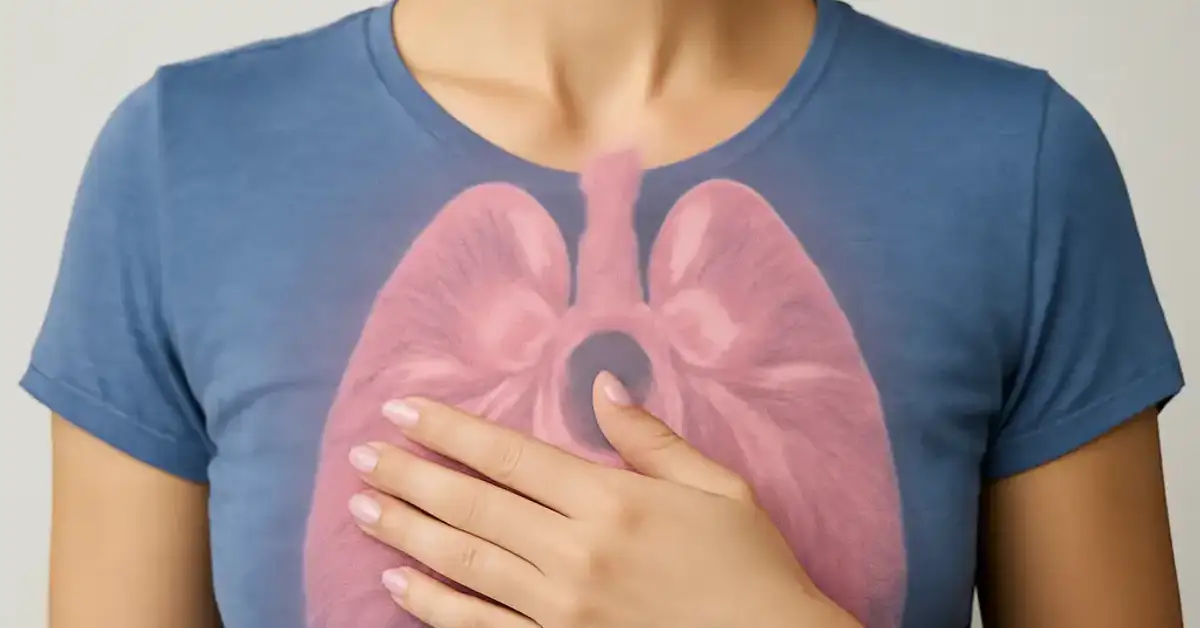
What You Should Know About the 12 Essential Things Your Lungs Do Every Day
Every breath you take triggers a cascade of biological events that sustain life. Yet most people rarely think about their lungs beyond a quick inhale and exhale. The truth is that your respiratory system performs a stunning array of tasks—from exchanging gases to filtering pathogens—that keep you alive, alert, and active. This article unpacks 12 essential things your lungs do every day and explains why protecting your lung health should be a top priority for students, fitness enthusiasts, healthcare professionals, and anyone who values their well-being. You can also browse more posts in respiratory.
1. How Lungs Support Oxygen Delivery Throughout the Body
Oxygen exchange is the headline act of the pulmonary system. When you inhale, air travels down your trachea into branching airways called bronchi, eventually reaching millions of tiny air sacs known as alveoli. Here, oxygen diffuses across ultrathin membranes into surrounding capillaries. Red blood cells pick up this oxygen and transport it via the bloodstream to every tissue—from your brain to your toes. Without this daily delivery, your cells would suffocate within minutes.
What Happens Inside Lungs When You Breathe?
During a typical breath, about 500 milliliters of air enters your lungs. The daily gas exchange process in the alveoli ensures that oxygen moves into the blood while carbon dioxide moves out. This swap occurs thanks to concentration gradients: oxygen is higher in the air you inhale than in the blood, so it naturally moves in. Meanwhile, carbon dioxide is higher in the blood and diffuses into the alveoli to be exhaled. This constant cycle powers every cell in your body.
2. Role of Lungs in Removing Carbon Dioxide and Waste Gases
As cells burn fuel for energy, they produce carbon dioxide as a waste product. If allowed to accumulate, this gas would cause cellular damage and even death. The role of lungs in removing carbon dioxide and waste gases is therefore non-negotiable. Your lung function acts as an exhaust system, clearing out metabolic trash with every exhale. This is why deep, regular breathing matters: shallow breaths leave excess CO₂ in the blood, which can lead to fatigue and brain fog.
3. Daily Gas Exchange Process in the Alveoli
The alveoli are where the magic happens. Each of the 300 million tiny sacs in your lungs is wrapped in a mesh of capillaries, creating an enormous surface area—roughly the size of a tennis court. The daily gas exchange process in the alveoli depends on this structure. Surfactant, a soapy substance produced by alveolar cells, reduces surface tension and keeps the sacs from collapsing. This system enables efficient gas exchange every second of every day, adapting to your changing oxygen needs.
4. How Lungs Regulate Breathing Rhythm and Oxygen Balance
Your breathing process isn’t random. The brainstem’s respiratory center monitors blood pH, oxygen levels, and CO₂ concentration to adjust your breathing rate. For example, if you hold your breath, CO₂ builds up, triggering an urgent signal to inhale. Conversely, during relaxation, your breathing slows. How lungs regulate breathing rhythm and oxygen balance involves feedback loops that keep oxygen levels steady—whether you’re sleeping, studying, or sprinting.
5. Lung Function in Maintaining Blood pH Stability
Your blood’s pH must stay within a narrow range of 7.35 to 7.45 for survival. Carbon dioxide dissolves in blood to form carbonic acid, which lowers pH. By adjusting exhalation rates, the lungs can increase or decrease CO₂ levels to fine-tune acidity. This lung function in maintaining blood pH stability works alongside the kidneys to prevent acidosis or alkalosis. Even slight changes in breathing patterns can quickly correct pH imbalances, demonstrating the lungs’ rapid regulatory power.
6. Filtering Harmful Particles from the Air You Breathe
Each day, you inhale dust, pollen, smoke, and microbial debris. The lungs are equipped with an elaborate defense system. Filtering harmful particles from the air you breathe begins in the nasal passages, which trap larger particles. Deeper in the airways, a sticky layer of mucus captures smaller invaders. This mucus function is essential for preventing damage to delicate lung tissue. Without it, pollutants would directly contact the alveolar lining, triggering inflammation and disease.
7. Protecting the Body from Airborne Pathogens
Viruses, bacteria, and fungi enter your body mainly through inhalation. The immune defense lungs system is remarkably effective at neutralizing these threats. Alveolar macrophages—specialized immune cells—patrol the air sacs, engulfing and digesting pathogens. Additionally, the cilia respiratory system, microscopic hair-like projections, sweep mucus upward toward the throat, where it is swallowed or coughed out. This constant cleansing action is a frontline defense against respiratory infections.
8. Supporting Energy Production by Supplying Oxygen to Cells
Every movement, thought, and heartbeat requires energy in the form of ATP, which cells generate through aerobic respiration. Oxygen is the critical ingredient in this process. Supporting energy production by supplying oxygen to cells means that your lungs directly influence your stamina, metabolism, and mental clarity. When your lung capacity is reduced, even simple tasks can feel exhausting. That’s why athletes prioritize breathing exercises—they maximize oxygen delivery for peak performance.
9. How Lungs Adapt Breathing During Exercise and Physical Activity
When you exercise, your muscles demand up to 20 times more oxygen than at rest. Your lungs respond by increasing both breathing rate and depth. How lungs adapt breathing during exercise and physical activity involves neural signals from the brain and chemical sensors that detect rising CO₂. The diaphragm contracts more forcefully, and accessory muscles in the chest and neck engage to expand the rib cage. This adaptation allows you to sustain activity longer before fatigue sets in.
Exercise and Lungs: A Dynamic Duo
Regular physical activity strengthens your respiratory muscles and improves oxygen circulation. Over time, your lungs become more efficient at extracting oxygen and expelling waste. The connection between exercise and lungs is so strong that studies show consistent aerobic training can increase vital capacity by 10 to 15 percent. This translates to better endurance, quicker recovery, and improved daily energy.
10. Role of Mucus and Cilia in Trapping Dust and Pollutants
Think of the mucus and cilia in trapping dust and pollutants as a continuous cleaning crew. Specialized goblet cells in the airway lining secrete mucus that ensnares particles. Beating at about 10 to 15 times per second, cilia push this contaminated mucus upward. The entire process takes about 20 minutes for a particle to travel from the deepest airways to the throat. This self-cleaning mechanism is why smokers who quit often cough initially—their cilia are reviving and clearing out accumulated tar.
11. How Lungs Interact with the Heart in Oxygen Circulation
The pulmonary system and cardiovascular system are inseparable. Deoxygenated blood travels from the heart’s right ventricle through the pulmonary arteries to the lungs. In the alveolar capillaries, it releases CO₂ and picks up fresh oxygen. The newly oxygenated blood then returns to the heart’s left atrium and is pumped out to the body. How lungs interact with the heart in oxygen circulation depends on this perfect timing—any disruption, such as a blood clot or fluid buildup, immediately compromises organ function.
12. Importance of Lungs in Supporting Brain Function and Alertness
The brain consumes about 20 percent of your body’s oxygen despite being only 2 percent of your weight. Even a brief drop in oxygen levels can impair concentration, memory, and decision-making. Importance of lungs in supporting brain function and alertness cannot be overstated. Deep, rhythmic breathing increases blood oxygen saturation, which enhances neural activity and reduces mental fog. Practices like pranayama (yogic breathing) and paced breathing directly harness this lung-brain connection.
How Lungs Respond to Environmental Changes Like Altitude and Pollution
Your lungs are remarkably adaptable. At high altitudes, where oxygen is scarce, your body compensates by increasing breathing rate and producing more red blood cells over time. How lungs respond to environmental changes like altitude and pollution also involves triggering inflammation when air quality is poor. Chronic exposure to pollutants can overwhelm the cilia and mucus systems, leading to chronic bronchitis or asthma. Understanding these responses empowers you to wear masks during smog or spend time in cleaner environments.
Maintaining Respiratory Balance During Sleep and Rest
Your breathing regulation doesn’t shut off when you sleep. During deep sleep, your breathing rate slows, and your diaphragm relaxes. However, conditions like sleep apnea disrupt respiratory balance, causing oxygen dips that strain the heart and brain. Maintaining respiratory balance during sleep and rest involves keeping airways open—that means sleeping on your side, avoiding heavy meals before bed, and treating allergies. Good sleep hygiene supports the lungs’ overnight recovery and repair cycles.
How Lungs Contribute to Immune Defense Daily
Beyond filtering particles, the lungs produce immune proteins and antibodies that neutralize pathogens. How lungs contribute to immune defense daily includes releasing antimicrobial peptides and signaling white blood cells to infection sites. The lymphatic network in the lungs also trains immune cells to recognize foreign threats. This means that strong lung health translates into fewer colds, faster recovery from flu, and reduced severity of respiratory infections.
Supporting Vocal Function and Airflow for Speech
Every word you speak begins with an exhalation. The lungs provide the steady airflow needed to vibrate the vocal cords, producing sound. Supporting vocal function and airflow for speech requires precise control of diaphragm and intercostal muscles. Singers, teachers, and public speakers rely on strong lung performance to project their voice without strain. Shallow breathing weakens vocal projection, while deep breaths allow for sustained, clear communication.
Regulating Humidity and Temperature of Inhaled Air
The nasal passages and upper airways warm and humidify inhaled air before it reaches the delicate alveoli. Regulating humidity and temperature of inhaled air prevents damage to lung tissues—cold, dry air can constrict airways and trigger asthma attacks. Mucus and blood vessels in the nasal cavity work together to adjust air conditions. This is why mouth breathing during cold weather is less efficient than nasal breathing: the nose is designed as a natural air conditioner and humidifier.
Early Warning Responses Like Coughing to Protect Airways
A cough is not an annoyance—it’s a lifesaving reflex. When irritants like smoke, dust, or mucus accumulate, sensory receptors in the airways trigger a forceful expulsion of air. Early warning responses like coughing to protect airways clear debris and prevent infections from settling. Chronic coughing, however, signals that the underlying protective systems are overwhelmed. Paying attention to cough patterns can alert you to developing issues like allergies, infections, or more serious lung conditions.
Impact of Lifestyle Choices on Daily Lung Performance
Your daily habits shape your lung performance. Smoking is the most obvious enemy of respiratory health, but even secondhand smoke, vaping, and air pollution take a toll. On the positive side, regular aerobic exercise, hydration (which keeps mucus thin), and a diet rich in antioxidants support lung tissue repair. Deep breathing practices and maintaining a healthy weight also reduce pressure on the diaphragm. The impact of lifestyle choices on daily lung performance is profound: small consistent changes yield measurable improvements in oxygen efficiency and endurance.
Importance of Healthy Breathing Habits for Long-Term Lung Function
Healthy breathing habits—like diaphragmatic breathing, exhaling fully, and avoiding chronic mouth breathing—maintain lung elasticity and strength. Importance of healthy breathing habits for long-term lung function shows in studies linking poor breathing patterns with reduced vital capacity over decades. Practicing slow, deep breaths for just five minutes daily can improve oxygen circulation and lower stress hormones. For students and busy professionals, these habits also enhance focus and calm the nervous system.
How Lungs Sustain Endurance and Physical Performance
Athletes know that lung capacity is a key predictor of performance. The lungs supply the oxygen needed to sustain muscular effort and delay fatigue. How lungs sustain endurance and physical performance involves increasing the efficiency of gas exchange under stress. With training, the lungs become better at extracting oxygen from each breath, even when breathing rapidly. This is why high-intensity interval training and endurance sports improve not just muscles but also the lungs themselves.
Connection Between Lung Efficiency and Overall Well-Being
Wellness breathing ties directly to quality of life. Efficient lungs mean higher energy, sharper thinking, better sleep, and a stronger immune system. The connection between lung efficiency and overall well-being extends to emotional health—shallow, rapid breathing is linked to anxiety, while slow, deep breathing activates the parasympathetic nervous system and reduces stress. By prioritizing lung health, you invest in every other system of your body.
Useful Resources
For a deeper dive into how the respiratory system works and ways to improve your lung health, explore these trusted sources:
- American Lung Association: How Lungs Work – Comprehensive, patient-friendly explanation of lung anatomy and daily function.
- NCBI Bookshelf: Physiology of the Respiratory System – Academic-level detail on gas exchange, pH regulation, and immune mechanisms for healthcare readers.
Frequently Asked Questions About 12 Essential Things Your Lungs Do Every Day
What do lungs do every day?
Every day, your lungs perform 12 essential things your lungs do every day, including oxygen delivery, carbon dioxide removal, pH balance, immune defense, particle filtration, and speech support. They also regulate breathing rhythm, adapt to exercise, and maintain humidity of inhaled air.
How do lungs help the body function?
The respiratory system supplies oxygen to every cell for energy production, removes waste CO₂, and helps maintain blood pH. This daily gas exchange supports brain function, muscle movement, and all bodily systems.
Why are lungs important daily?
Without lungs, your body cannot obtain oxygen or eliminate carbon dioxide. Daily lung activity is critical for lung health, energy, mental alertness, and immune protection. They work continuously even during sleep. For a related guide, see Respiratory Disorders: Causes, Symptoms, and Treatment.
How do lungs remove carbon dioxide?
Blood carries CO₂ to the lungs, where it diffuses into the alveoli and is exhaled. This carbon dioxide removal prevents toxic buildup and maintains proper blood pH. The process relies on concentration gradients and breathing regulation.
What is gas exchange in lungs?
Gas exchange is the process where oxygen moves from inhaled air into the blood and carbon dioxide moves from the blood into the alveoli to be exhaled. It occurs in the alveoli and depends on alveoli function and capillary networks.
How do lungs protect the body?
Lungs protect the body by filtering harmful particles, trapping pathogens in mucus, and using cilia to sweep debris upward. Immune defense lungs also release antimicrobial compounds and house immune cells that neutralize bacteria and viruses.
How do lungs support energy levels?
Oxygen from the lungs is essential for cellular respiration, which produces ATP—the body’s energy currency. Supporting energy production by supplying oxygen to cells directly impacts stamina, metabolism, and physical performance.
What happens inside lungs when you breathe?
When you inhale, air flows through the trachea into the bronchi and then into the alveoli. Oxygen passes into the bloodstream, while CO₂ enters the alveoli from the blood. The diaphragm contracts to create negative pressure, pulling air inward.
How do lungs clean the air?
Air is cleaned by mucus that traps dust, pollen, and pollutants, then cilia move the mucus upward to be swallowed or coughed out. This role of mucus and cilia in trapping dust and pollutants is a continuous self-cleaning system.
How do lungs affect overall health?
Healthy lungs improve oxygen circulation, brain function, immune response, and physical endurance. Poor lung performance can lead to fatigue, respiratory infections, and reduced quality of life. The connection between lung efficiency and overall well-being is direct and significant.
How do lungs adapt breathing during exercise?
During exercise, the brain signals the lungs to increase breathing rate and depth. How lungs adapt breathing during exercise and physical activity involves engaging accessory muscles and enhancing oxygen exchange to meet higher metabolic demands.
What is the role of surfactant in the lungs?
Surfactant is a slippery substance produced by alveolar cells that reduces surface tension, preventing the alveoli from collapsing. It is essential for efficient daily gas exchange process in the alveoli and overall respiratory health.
Can lungs repair themselves?
Lungs have limited self-repair capabilities. Cilia can regenerate after quitting smoking, and alveolar cells can divide to replace damaged tissue. However, severe damage from chronic smoking or pollution can cause irreversible lung function decline.
How do lungs interact with the heart?
The right side of the heart pumps deoxygenated blood to the lungs, where CO₂ is exchanged for oxygen. Oxygen-rich blood returns to the left heart and is distributed to the body. This how lungs interact with the heart in oxygen circulation is vital for survival.
What is vital capacity?
Vital capacity is the maximum amount of air you can exhale after a deep breath. It is a measure of lung capacity and is influenced by age, fitness level, and lung health. Athletes generally have higher vital capacity.
How does pollution affect lung function ?
Pollution particles can inflame airways, damage cilia, and reduce oxygen exchange. Chronic exposure may lead to asthma, bronchitis, and reduced lung performance. How lungs respond to environmental changes like altitude and pollution involves both immediate irritation and long-term adaptation.
What are cilia and what do they do?
Cilia are microscopic hair-like structures lining the airways that beat in coordinated waves to move mucus and trapped particles upward. The cilia respiratory system is crucial for airway protection and mucus function.
How can I improve my lung health naturally?
Improving lung health naturally involves aerobic exercise, deep breathing exercises (like diaphragmatic breathing), staying hydrated, avoiding smoking and polluted environments, and eating antioxidant-rich foods. Healthy breathing habits can enhance lung capacity over time.
Does breathing through the nose matter?
Yes, nasal breathing filters, warms, and humidifies air before it reaches the lungs. Regulating humidity and temperature of inhaled air protects delicate lung tissues and enhances gas exchange. It also promotes deeper, more efficient breathing.
Why do I cough after quitting smoking?
Coughing after quitting smoking indicates that your cilia are reactivating and clearing out accumulated tar and debris. This is a positive sign of lung function recovery and airway protection. It typically subsides over several weeks.