
Surprising Facts About Breathing and Lung Function Key Takeaways
Breathing is far more than an automatic reflex—it is a finely tuned process involving the respiratory system , the brain, and dozens of muscles.
- Surprising facts about breathing and lung function reveal that your lungs are not symmetrical and that exhalation is just as crucial as inhalation for maintaining health.
- The diaphragm breathing mechanism, controlled by the brain stem, is both automatic and voluntarily adjustable—a rare dual-control system in the human body.
- Simple changes like improving posture, switching to nasal breathing , and practicing deep breathing benefits can significantly boost oxygen exchange and reduce shallow breathing effects .
What Readers Should Know About Surprising Facts About Breathing and Lung Function
Every breath you take is a miniature symphony of biology, physics, and chemistry. Most people never think about the process unless something goes wrong, but the breathing process is one of the most remarkable systems in the human body. From the microscopic alveoli function that enables gas exchange to the brain’s silent regulation of rhythm, the act of breathing reveals surprising layers of complexity. In this guide, you will discover 10 surprising facts about breathing and lung function that will change how you think about every inhale and exhale.
1. Your Lungs Are Not Symmetrical in Function
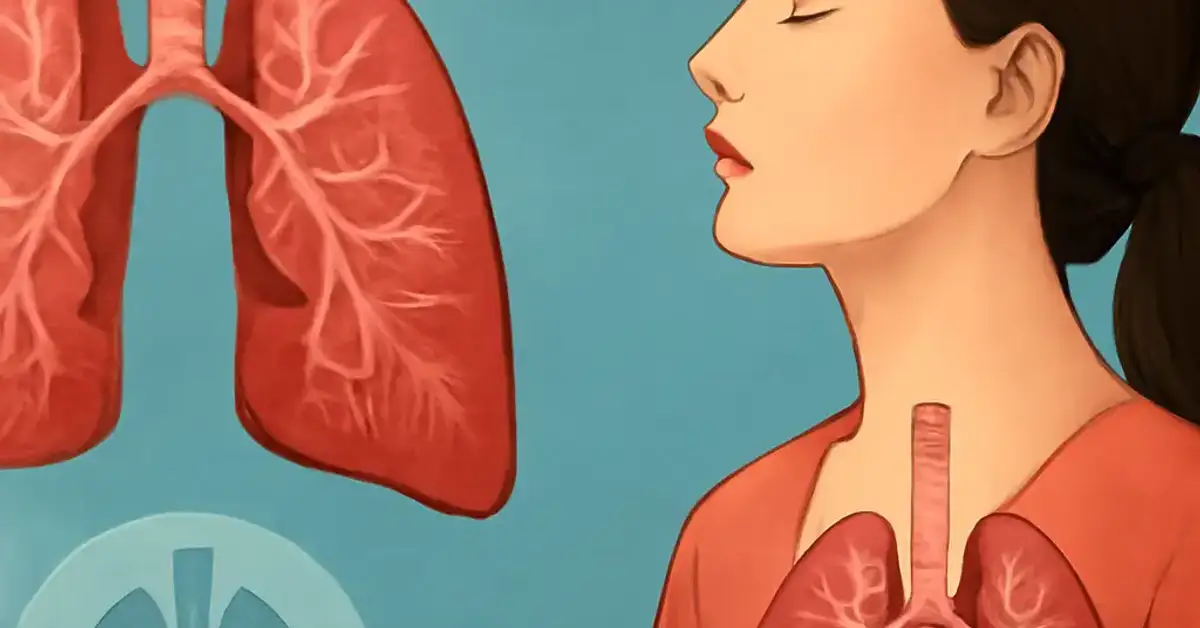
One of the most startling breathing facts is that your left and right lungs are not mirror images. The left lung is slightly smaller and has two lobes, making room for the heart. The right lung has three lobes and is wider. Beyond shape, each side plays a slightly different role in lung function. The right lung handles a larger share of oxygen intake, while the left lung helps regulate carbon dioxide removal more efficiently. This asymmetry is a prime example of how the pulmonary system prioritizes space and efficiency over symmetry.
2. The Alveoli: Microscopic Powerhouses of Oxygen Exchange
The alveoli function is nothing short of extraordinary. These tiny, grape-like clusters at the end of the bronchioles number around 300 million in an adult. If flattened out, their surface area would cover a tennis court. Each alveolus is wrapped in a network of capillaries, allowing rapid gas exchange—oxygen moves into the blood, and carbon dioxide moves out. This efficiency is so high that blood passing through the alveoli function becomes fully oxygenated in less than one second. Any damage to these structures directly impacts respiratory health and overall lung efficiency.
3. Your Brain Regulates Breathing Without You Thinking About It
Why do we breathe automatically? The answer lies in the brain stem, specifically the medulla oblongata and pons. These regions monitor carbon dioxide removal and blood pH, adjusting the rate and depth of breaths unconsciously. This is known as brain breathing control. However, you can override this system voluntarily—holding your breath or breathing faster on command. This dual control (automatic and voluntary) is rare among bodily functions and is a cornerstone of respiratory system design. It is also why techniques like diaphragm breathing and mindfulness meditation work: you can consciously train the automatic system.
4. The Surprising Connection Between Breathing and Emotional State
Stress breathing patterns are a direct reflection of your emotional state. When anxious, most people engage in shallow breathing effects—short, rapid inhales that use the upper chest rather than the diaphragm. This triggers the sympathetic nervous system, reinforcing the stress response. Conversely, slow, intentional deep breathing benefits activate the parasympathetic nervous system, lowering heart rate and promoting calm. This bidirectional link is one of the most practical surprising facts about breathing and lung function: you can change how you feel simply by changing how you breathe.
5. How Posture Affects Lung Expansion and Oxygen Intake
Posture breathing is an often overlooked factor in lung capacity. Slouching compresses the rib cage and restricts the diaphragm’s downward movement, reducing the volume of each breath. A slumped posture can cut lung efficiency by as much as 30 percent. On the other hand, an upright position with shoulders back allows the diaphragm to descend fully, maximizing oxygen exchange. This is why singers, public speakers, and athletes are taught to maintain good posture: it directly improves oxygen intake and vocal control.
6. Exhalation Is Just as Important as Inhalation
Most people focus on taking a deep breath in, but carbon dioxide removal during exhalation is equally vital. The body must maintain a precise carbon dioxide balance to keep blood pH within a narrow range (7.35–7.45). If you hold your breath or breathe too shallowly, carbon dioxide builds up, leading to acidosis. Exhaling fully ensures that stale air is expelled and fresh air can enter. This is why many breathing exercises emphasize a long, controlled exhale—it resets the gas exchange cycle and promotes lung efficiency.
7. Mucus and Cilia: Your Lungs’ Invisible Cleaning Crew
The respiratory protection system relies on mucus cilia lungs mechanics. Tiny hair-like structures called cilia line the airways, beating in a coordinated wave to move mucus upward toward the throat. Mucus traps airborne particles, pathogens, and pollutants. This continuous cleaning action is a critical part of lung function. Smoking and air pollution can paralyze or destroy cilia, leading to chronic infections and reduced lung efficiency. This is one of the most important breathing facts for understanding how the body defends itself. For a related guide, see 10 Important Facts About How Your Lungs Work.
8. Nasal Breathing Versus Mouth Breathing: A World of Difference
Nasal breathing is far superior for respiratory health. The nose filters, warms, and humidifies air before it reaches the lungs. It also produces nitric oxide, a molecule that helps dilate blood vessels and improve oxygen exchange. Mouth breathing bypasses these benefits, often leading to dry throat, increased allergen exposure, and poorer lung efficiency. Athletes and wellness bloggers often recommend nasal breathing during rest and light exercise to maximize oxygen intake and reduce shallow breathing effects. For a related guide, see 11 Ways Your Lungs Support Overall Health.
9. How Exercise Improves Lung Efficiency and Oxygen Delivery
Exercise lungs become stronger and more efficient with regular activity. Physical training increases lung capacity by strengthening the diaphragm and intercostal muscles. It also improves the density of capillaries around the alveoli function, enhancing gas exchange. Over time, the body becomes better at extracting oxygen from each breath, which translates to better endurance and faster recovery. This is why fitness enthusiasts monitor their breathing process during workouts—it is a direct measure of lung efficiency.
10. How Altitude Affects Breathing and Oxygen Availability
Altitude breathing presents a unique challenge to the respiratory system. At higher elevations, atmospheric pressure is lower, meaning each breath contains fewer oxygen molecules. The body compensates by increasing breathing rate and, over days to weeks, producing more red blood cells to improve oxygen exchange. This adaptation is a prime example of how the pulmonary system responds to environmental conditions. It also explains why athletes sometimes train at high altitudes to boost endurance—their lung efficiency improves as a result of the adaptation.
Shallow Breathing Effects on Energy and Focus
Shallow breathing effects extend far beyond momentary discomfort. When you consistently take small, chest-based breaths, you reduce oxygen intake and allow carbon dioxide to accumulate. This leads to fatigue, brain fog, and increased anxiety. Over time, shallow breathing effects can impair cognitive performance and reduce physical stamina. Recognizing this pattern is the first step to correcting it. Simple diaphragm breathing exercises can reverse these effects, restoring both energy and concentration.
How Hydration Influences Lung Function
Adequate hydration is essential for lung function. The thin, moist lining of the airways relies on water to keep mucus fluid and easy to move. Dehydration thickens mucus, impairing mucus cilia lungs clearance and increasing the risk of infection. Water also supports gas exchange by maintaining the fluid balance in the alveoli. This connection between hydration and respiratory health is a practical tip for anyone looking to improve their lung efficiency quickly.
Long-Term Effects of Smoking and Pollution on Lung Efficiency
The long-term damage from smoking and air pollution is cumulative. Toxins destroy alveoli function, paralyze cilia, and cause chronic inflammation. This leads to irreversible reductions in lung capacity and increased risk of diseases such as COPD and lung cancer. Even after quitting, recovery is slow because the respiratory protection system is damaged at the cellular level. These breathing facts underscore the importance of clean air and early intervention for preserving pulmonary system health.
How the Brain Regulates Breathing Patterns Without Conscious Effort
The brain breathing control system operates 24/7 without any conscious input. Chemoreceptors in the brain stem monitor blood pH, oxygen, and carbon dioxide levels. If carbon dioxide rises, the brain increases breath rate and depth. This feedback loop ensures that carbon dioxide balance and oxygen exchange remain stable even during sleep or intense concentration. Understanding this automatic regulation highlights why forced breathing exercises can retrain the system over time.
The Role of Carbon Dioxide Balance in Maintaining Blood pH
Carbon dioxide balance is critical for blood pH stability. When carbon dioxide dissolves in blood, it forms carbonic acid. The lungs adjust breathing to control how much carbon dioxide is retained or expelled. This precise regulation keeps the body’s pH within a healthy range. Disruptions to carbon dioxide balance, whether from hyperventilation or shallow breathing, can lead to alkalosis or acidosis, affecting everything from muscle function to mental clarity.
How Speech Depends on Controlled Airflow from Lungs
Speech production relies on a steady, controlled stream of air from the lungs. The diaphragm and chest muscles regulate airflow while the vocal cords and articulators shape sounds. Lung function directly affects voice quality, volume, and endurance. Singers and public speakers train their breathing process to improve control. This connection between the respiratory system and communication is a fascinating aspect of human biology often taken for granted.
Connection Between Breathing Rhythm and Heart Rate
Your breathing rhythm naturally influences heart rate through a phenomenon called respiratory sinus arrhythmia. During inhalation, heart rate increases slightly; during exhalation, it decreases. This variability is a sign of a healthy autonomic nervous system. Practicing slow, rhythmic diaphragm breathing can enhance this coupling, improving cardiovascular efficiency and reducing stress. This is one of the most actionable surprising facts about breathing and lung function for people seeking better heart health.
How Lungs Adapt to Different Environmental Conditions
The pulmonary system is remarkably adaptable. In hot, humid environments, the lungs increase mucus production to protect the airways. In cold, dry air, they warm and humidify incoming air more aggressively. At high altitudes, breathing rate increases and red blood cell production ramps up. These adaptations demonstrate the incredible flexibility of lung function and the body’s ability to maintain optimal oxygen exchange under diverse conditions. For a related guide, see Respiratory Disorders: Causes, Symptoms, and Treatment.
Useful Resources
American Lung Association: How Lungs Work — A trusted resource for understanding lung anatomy, function, and common diseases.
NCBI: Physiology of Respiration — An in-depth review of the physiological mechanisms behind breathing and gas exchange.
Frequently Asked Questions About Surprising Facts About Breathing and Lung Function
What are surprising facts about breathing?
Surprising facts include that lungs are not symmetrical, exhaling is as important as inhaling, and nasal breathing offers notable advantages over mouth breathing for respiratory health.
How do lungs actually work?
Lungs work by drawing air into the alveoli, where oxygen moves into the bloodstream and carbon dioxide is removed. The diaphragm and chest muscles drive this expansion and contraction.
Why do we breathe automatically?
The brain stem constantly monitors blood chemistry and adjusts breathing rate without conscious effort. This automatic regulation ensures stable oxygen and carbon dioxide levels.
What happens in the alveoli?
In the alveoli, oxygen diffuses into the blood and carbon dioxide moves out. This gas exchange is rapid and efficient, thanks to the thin walls and rich capillary network.
How does stress affect breathing?
Stress triggers rapid, shallow chest breathing, which can worsen anxiety and reduce oxygen intake. Deep diaphragm breathing counteracts this response.
Why is deep breathing important?
Deep breathing fully expands the lungs, improves gas exchange, lowers heart rate, and activates the body’s relaxation response. It also enhances lung capacity over time.
How does posture affect lungs?
Slouching compresses the rib cage and restricts diaphragm movement, reducing lung capacity by up to 30 percent. Upright posture optimizes space for full breaths.
What is the role of the diaphragm?
The diaphragm is the primary muscle for breathing. It contracts and flattens during inhalation, pulling air into the lungs, and relaxes during exhalation.
How do lungs filter air?
Lungs filter air using mucus that traps particles and cilia that sweep the mucus upward to be swallowed or coughed out, protecting the airways from pathogens and debris.
How does exercise improve breathing capacity?
Regular exercise strengthens the diaphragm, increases capillary density around alveoli, and improves oxygen extraction efficiency, leading to greater breathing capacity and endurance.
What is lung capacity ?
Lung capacity refers to the total amount of air the lungs can hold. It varies by age, sex, fitness level, and health status. Deep breathing and exercise can increase it.
How does carbon dioxide balance affect health?
Proper carbon dioxide balance maintains blood pH within a safe range. Imbalances can lead to acidosis or alkalosis, affecting cellular function and overall health.
Is mouth breathing harmful?
Chronic mouth breathing bypasses nasal filtration and humidification, increasing the risk of dry mouth, infections, and reduced oxygen exchange. Nasal breathing is preferred.
Can you train your breathing?
Yes, breathing exercises like diaphragmatic breathing and pursed-lip breathing can improve lung efficiency, reduce stress, and enhance athletic performance.
What is the best position to breathe better?
Sitting or standing upright with shoulders relaxed allows the diaphragm to move freely and maximizes lung expansion. Lying on your side can also help.
How does hydration affect lung function ?
Proper hydration keeps airway mucus thin and easy to clear, supports gas exchange, and prevents thickening of secretions that can block small airways.
What are the long-term effects of smoking on lungs?
Smoking destroys alveoli, paralyzes cilia, and causes chronic inflammation, leading to reduced lung capacity, COPD, and increased cancer risk. Damage is largely irreversible.
How does altitude affect breathing?
At high altitude, lower oxygen pressure triggers faster breathing and, over time, increased red blood cell production to improve oxygen delivery. This adaptation can enhance lung efficiency.
What are common signs of poor lung function ?
Shortness of breath, chronic cough, wheezing, chest tightness, and frequent respiratory infections are common indicators. A healthcare provider can perform lung function tests.
Can breathing exercises help with anxiety?
Yes, controlled deep breathing activates the parasympathetic nervous system, reducing heart rate and lowering cortisol levels, which can alleviate anxiety and improve mood.