
Signs Your Respiratory System Needs Attention Key Takeaways
Feeling winded after climbing one flight of stairs or while carrying groceries is a red flag.
- Signs your respiratory system needs attention range from a persistent cough and wheezing to chest tightness and changes in mucus color.
- Early detection of lung and airway conditions improves treatment outcomes and quality of life.
- Lifestyle factors, environmental triggers, and underlying inflammation all play a role in respiratory health .
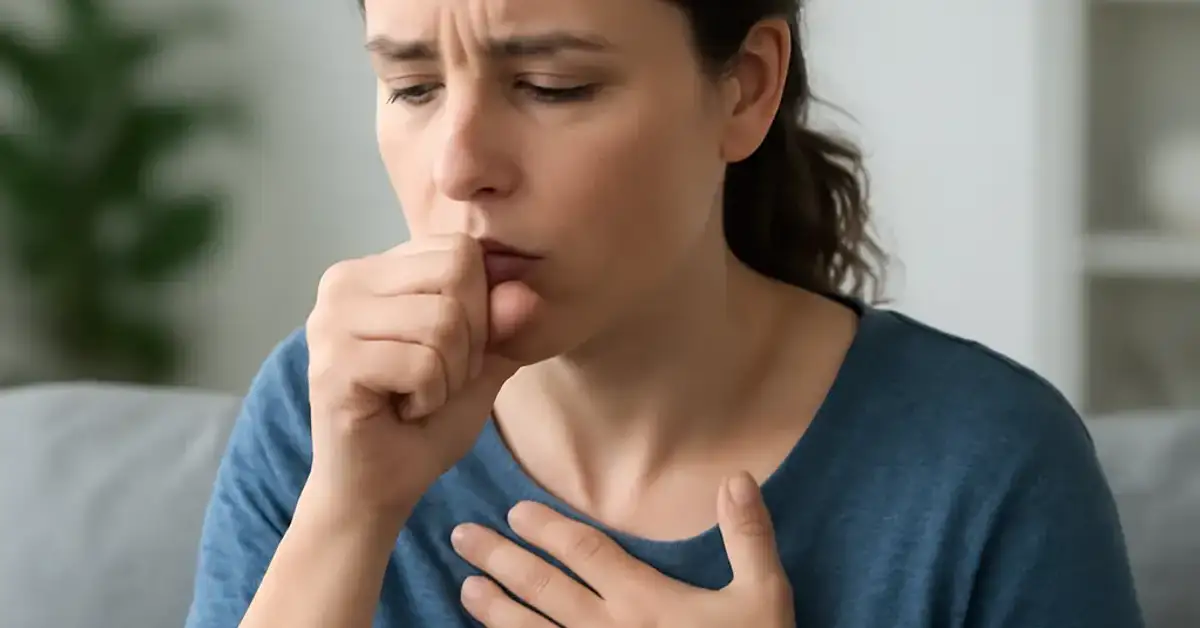
What Are the Early Warning Symptoms of Breathing and Lung Problems?
Your respiratory symptoms often develop gradually. You might brush off a mild cough or occasional shortness of breath as a sign of being out of shape. But these subtle lung health warning signs are exactly how serious conditions begin. Understanding them empowers you to act early. For a related guide, see 8 Warning Signs of Serious Throat Conditions.
The importance of monitoring breathing patterns cannot be overstated. A slight increase in your resting respiratory rate or a new feeling of breathing problems during daily tasks deserves attention. Below are the nine specific signals your body may be sending.
1. Persistent Cough as a Possible Indicator of Respiratory Issues
A cough that lingers for more than three weeks is not just a cold. Persistent cough as a possible indicator of respiratory issues is one of the most common health warning signs people ignore. It may point to airway inflammation, post-nasal drip, or early-stage lung disease symptoms.
If your cough is dry, whooping, or produces mucus, it changes the potential diagnosis. A chronic cough requires evaluation by a healthcare provider to rule out asthma, GERD, or infection.
2. Shortness of Breath During Normal Activities
Feeling winded after climbing one flight of stairs or while carrying groceries is a red flag. Shortness of breath during normal activities suggests your lungs are struggling to meet your body’s oxygen demands. This is a classic sign of declining lung function issues.
Many people with early COPD or asthma describe this symptom as “just getting older,” but it is not normal. It is a direct breathing problem that needs medical investigation.
3. Wheezing or Whistling Sounds When Breathing
Hearing a musical, high-pitched sound when you exhale — or sometimes inhale — indicates narrowed airways. Wheezing or whistling sounds when breathing are hallmark pulmonary symptoms of asthma, allergies, or bronchial obstruction.
The impact of asthma, bronchitis, and COPD symptoms often begins with wheezing after exercise or at night. Never ignore this audible clue.
4. Chest Tightness or Discomfort Linked to Lung Function
A feeling of pressure, squeezing, or fullness in your chest can be frightening. Chest tightness or discomfort linked to lung function often accompanies inflammation of the airways or lung tissue. It is frequently reported with asthma warning signs and COPD exacerbations.
Because chest tightness can also mimic heart conditions, it is critical to see a doctor for an accurate diagnosis. The connection between heart and lung health is strong; one condition can stress the other.
5. Frequent Respiratory Infections or Slow Recovery
If you catch every cold or flu that goes around, and each illness lingers for weeks, your immune and respiratory systems may be compromised. Frequent respiratory infections or slow recovery are respiratory infection signs that point to underlying vulnerability.
Repeated bouts of bronchitis or pneumonia can be lung infection signs of structural damage or immune deficiency. Monitoring this pattern is essential for early diagnosis lung disease.
6. Fatigue Caused by Reduced Oxygen Intake
Chronic tiredness that does not improve with rest may stem from low oxygen levels. Fatigue caused by reduced oxygen intake happens when your lungs fail to oxygenate your blood efficiently. This fatigue breathing issues combination is a quiet but powerful symptom.
People often blame stress or poor sleep, but the real cause might be oxygen levels dropping during daily activities. A simple pulse oximeter check can offer clues, but a full pulmonary evaluation is more reliable.
7. Changes in Mucus Color or Consistency Indicating Infection
Clear, thin mucus is normal. Thick, yellow, green, or brown mucus is not. Changes in mucus color or consistency indicating infection suggest your body is fighting airway inflammation or bacterial overgrowth.
Mucus changes are a key part of respiratory care self-monitoring. If the color shift persists beyond a few days or comes with fever, it is time to seek treatment. These are classic respiratory disorders signals.
8. Reduced Exercise Tolerance and Endurance
You used to run three miles without stopping; now you cannot finish one without gasping. Reduced exercise tolerance and endurance is a measurable decline in your body’s ability to sustain physical work. It directly correlates with lung function issues.
This symptom may be the first noticeable sign of COPD symptoms or interstitial lung disease. Tracking your performance over time is a practical way to spot breathing difficulties early.
9. Coughing Up Blood or Unusual Sputum as a Serious Warning Sign
Any amount of blood in your sputum — even a small streak — is a medical emergency. Coughing up blood or unusual sputum as a serious warning sign demands immediate evaluation. Possible causes include infection, pulmonary embolism, or lung cancer.
This is not a symptom to watch and wait. Call your doctor or visit urgent care the same day. It is the most urgent of all medical symptoms lungs can produce.
Why Early Detection of Lung and Airway Conditions Changes Outcomes
Importance of early detection of lung and airway conditions cannot be emphasized enough. Identifying respiratory symptoms at the earliest stage allows for interventions that slow disease progression. For example, catching asthma or COPD early means you can start medications, breathing exercises, and lifestyle changes before irreversible damage occurs. For a related guide, see 12 ENT Symptoms Parents Should Watch For.
The role of inflammation in respiratory health problems is central. Chronic inflammation thickens airway walls and narrows passages. Addressing triggers — such as exposure to pollution or smoking increasing respiratory risk — can dramatically reduce flare-ups.
Lifestyle factors affecting lung health also matter. Poor nutrition, dehydration and environmental triggers worsening symptoms, and a sedentary lifestyle all create a perfect storm for respiratory health decline.
When to Seek Medical Attention for Breathing Difficulties
Knowing when to seek medical attention for breathing difficulties can save your life. You should schedule an appointment with your primary care provider if you experience any of the nine signs, especially if they persist beyond two weeks.
Seek emergency care immediately if you have sudden, severe shortness of breath, chest pain, blue lips or fingernails, or confusion. These indicate dangerously low oxygen levels.
The importance of medical diagnosis for persistent symptoms includes pulmonary function tests, imaging, and blood work. Self-diagnosis is risky. Only a professional can differentiate between asthma, infection, and chronic respiratory disease.
Preventive Care for Respiratory Wellness
You can protect your lungs with consistent habits. Preventive care for respiratory wellness includes avoiding smoking, reducing exposure to indoor and outdoor pollutants, staying hydrated, exercising regularly, and getting vaccinated against influenza and pneumonia.
Monitoring your breathing patterns daily — for example, checking how you feel after walking up stairs — helps you notice changes early. Simple actions like using a HEPA filter at home and washing hands frequently also lower your risk.
Awareness of chronic respiratory disease signs empowers you and your family to act fast. Share this information with loved ones who might dismiss their own symptoms.
Useful Resources
For more in-depth information on respiratory symptoms and lung health, visit these authoritative sources:
Frequently Asked Questions About Signs Your Respiratory System Needs Attention
What are signs of respiratory problems?
Common signs include chronic cough, wheezing, shortness of breath, chest tightness, frequent infections, fatigue, changes in mucus, reduced exercise tolerance, and coughing up blood.
When should I worry about my breathing?
Worry if you experience sudden shortness of breath, chest pain, blue lips or nails, confusion, or if mild symptoms last more than two weeks without improvement.
Why am I always short of breath?
Possible causes include asthma, COPD, anxiety, obesity, anemia, or heart conditions. A medical evaluation is needed to identify the exact cause.
What causes chronic cough ?
Chronic cough can result from post-nasal drip, asthma, GERD, chronic bronchitis, medications like ACE inhibitors, or smoking.
How do I know if my lungs are unhealthy?
Watch for persistent cough, wheezing, trouble breathing during normal activities, chest discomfort, and a decline in your ability to exercise.
What are early signs of lung disease?
Early signs include mild but persistent cough, shortness of breath on exertion, fatigue, and recurrent respiratory infections.
Why do I wheeze when breathing?
Wheezing happens when airways are narrowed by inflammation, mucus, or muscle tightening. Common triggers are asthma, allergies, or infections.
What does chest tightness mean?
Chest tightness can indicate airway inflammation, asthma, COPD, or even a heart problem. It should always be evaluated by a healthcare professional.
When should I see a doctor for breathing issues?
See a doctor if symptoms last more than two weeks, worsen over time, or interfere with daily life. Seek emergency care for severe or sudden breathing trouble.
How do respiratory problems start?
They often begin with mild inflammation triggered by smoking, pollution, allergens, or infections. Over time, repeated irritation leads to chronic conditions.
Can anxiety cause breathing problems ?
Yes, anxiety can lead to rapid shallow breathing, chest tightness, and a feeling of breathlessness. However, it is important to rule out physical causes first.
Is coughing up mucus always a sign of infection?
Not always. It can also occur with asthma, allergies, or smoking. But if the mucus is yellow, green, brown, or bloody, infection is likely.
How does air pollution affect lung health?
Air pollution particles inflame the airways, trigger asthma attacks, and increase the risk of infections and chronic lung diseases.
What is the best way to monitor lung health at home?
Use a peak flow meter to track your breathing capacity, note any change in symptoms, and keep a log of cough frequency and mucus changes.
Can dehydration affect breathing?
Yes, dehydration can thicken mucus, making it harder to clear from your airways, which may worsen coughing and congestion.
What lifestyle changes help prevent respiratory problems?
Quit smoking, avoid secondhand smoke, exercise regularly, eat a balanced diet rich in antioxidants, stay hydrated, and reduce exposure to pollutants.
Are respiratory symptoms different in children?
Children may show faster breathing, nostril flaring, chest retractions, and feeding difficulties. Wheezing in children is commonly linked to asthma.
Can exercise improve lung function?
Regular aerobic exercise strengthens the respiratory muscles, improves oxygen efficiency, and can slow the decline of lung function in chronic conditions.
What does it mean when your oxygen level drops?
An oxygen saturation level below 92% indicates your lungs are not supplying enough oxygen to your blood and requires immediate medical attention.
How is COPD diagnosed?
COPD is diagnosed through spirometry, a breathing test that measures how much air you can exhale and how fast. Chest X-rays and blood tests may also be used.