
Important Facts About How Your Lungs Work Key Takeaways
Your lungs do far more than just fill with air—they are the central hub of your body’s oxygen delivery and waste removal system.
- The important facts about how your lungs work include oxygen entering the blood through microscopic air sacs called alveoli, which are critical for gas exchange.
- Your diaphragm is the primary muscle driving breathing, and its function directly affects how efficiently your body removes carbon dioxide.
- Lifestyle factors like smoking, pollution, and exercise have a profound impact on lung health—and your lungs can adapt to physical activity to improve lung capacity over time.
What Readers Should Know About Important Facts About How Your Lungs Work
If you have ever wondered how do the lungs work or why your breathing rate changes during a run, you are not alone. The respiratory system is a marvel of biological engineering. Every day, you take roughly 20,000 to 25,000 breaths, moving about 11,000 liters of air in and out. But the true magic happens at the cellular level, where oxygen exchange fuels every cell in your body. Let us break down the ten most important facts that reveal the full picture of how lungs work and why they are so vital to your overall health. For a related guide, see Respiratory Disorders: Causes, Symptoms, and Treatment.
Understanding Basic Lung Anatomy and Respiratory System Function
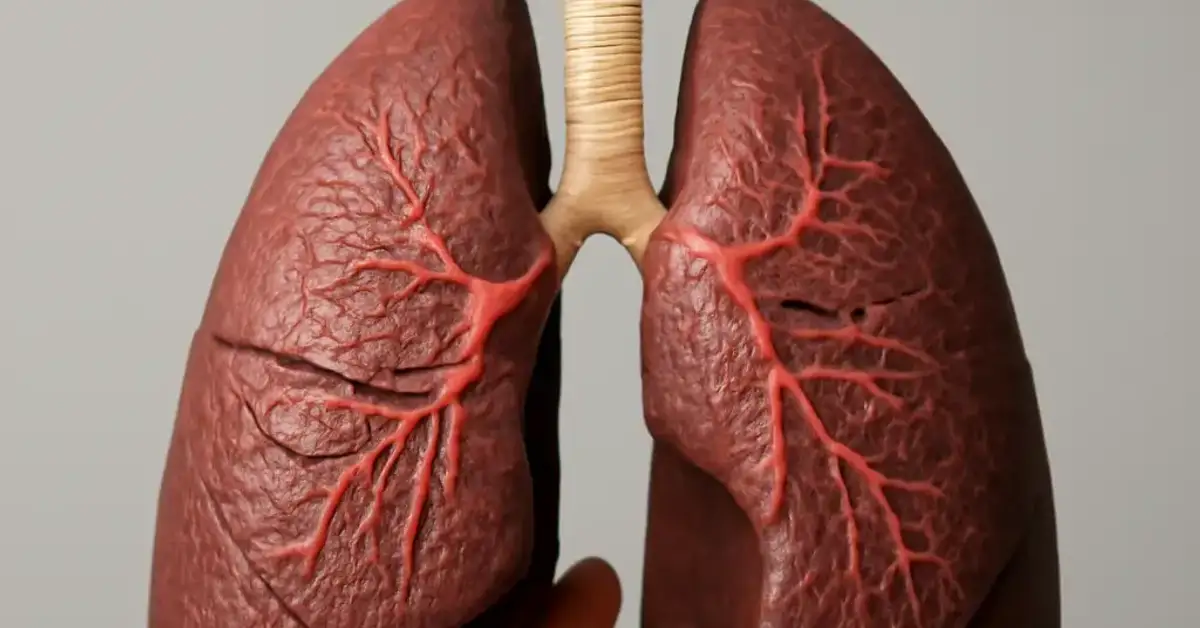
Before diving into the list, it helps to picture the basic structure. Your pulmonary system includes the trachea (windpipe), bronchi, bronchioles, and finally the tiny alveoli. The right lung has three lobes, and the left lung has two (to make room for the heart). The entire system works like an upside-down tree: air flows down the trunk (trachea), through branches (bronchi), and into tiny leaves (alveoli) where the real business of gas exchange happens. This is basic lung anatomy and respiratory system function—a foundation that helps you appreciate each fact that follows.
Fact 1: The Alveoli Are the Powerhouses of Oxygen Exchange
What is the function of alveoli? Simply put, they are the workhorses of your respiratory system. Your lungs contain about 300 million alveoli—tiny, grape-like clusters that provide a massive surface area (roughly 70–90 square meters) for gas exchange. When you inhale, oxygen moves across the thin alveolar wall into surrounding capillaries, while carbon dioxide moves in the opposite direction to be exhaled.
This role of alveoli in gas exchange is what makes how oxygen enters the bloodstream through the lungs possible. The walls of the alveoli are only one cell thick, so oxygen diffuses almost instantly into the blood. Without healthy alveoli, oxygen enters the blood inefficiently, leaving you feeling fatigued and short of breath.
Fact 2: The Diaphragm Drives Every Breath You Take
How does the diaphragm help breathing? The diaphragm is a dome-shaped muscle that sits below your lungs. When it contracts and flattens, it increases the volume of your chest cavity, creating negative pressure that pulls air into the lungs. This is how the diaphragm controls inhalation and exhalation. When you relax the diaphragm, the elastic recoil of the lungs pushes air out.
Your diaphragm function is so efficient that it handles most of your breathing without conscious effort. During exercise, your brain sends signals to speed up the rate and depth of contractions. Understanding this breathing process helps you see why core strength and posture can affect your lung function and overall energy levels.
Fact 3: Lungs Remove Carbon Dioxide with Every Exhalation
Your body produces carbon dioxide as a waste product of metabolism. If it accumulates, your blood becomes acidic, which is dangerous. So, how do lungs remove carbon dioxide? The answer: continuously. As blood circulates through the lungs, carbon dioxide diffuses from the blood into the alveoli and is expelled when you breathe out.
This process is the other half of how carbon dioxide is removed from the body through breathing. It is a perfect balance—your brain monitors CO2 levels and adjusts your breathing rate automatically. Too much CO2 triggers faster, deeper breaths. That is why holding your breath eventually becomes uncomfortable; it is your body’s safety system.
Fact 4: The Heart and Lungs Operate as a Single Circulatory Unit
The relationship between lungs and heart in oxygen circulation is inseparable. Deoxygenated blood from the body enters the right side of the heart, which pumps it to the lungs via the pulmonary arteries. In the lungs, the blood picks up oxygen and releases carbon dioxide. The freshly oxygenated blood returns to the left side of the heart, which then pumps it out to the rest of the body.
This oxygen circulation depends on both organs working in sync. If lung function declines (due to disease or damage), the heart must pump harder, which can lead to complications. That is why maintaining healthy lungs is essential for cardiovascular health.
Fact 5: Airways Are More Than Just Tubes—They Are Defense Systems
How airways filter and protect the respiratory system is often overlooked. Your airways are lined with mucus-producing cells and tiny hair-like structures called cilia. Mucus traps bacteria, viruses, dust, and pollutants. The cilia then sweep the mucus upward toward the throat, where it is swallowed or coughed out.
This immune defense role of the respiratory tract is your first line of protection against infection. The role of mucus in trapping harmful particles explains why smokers often develop a chronic cough: smoking paralyzes and destroys cilia, leaving mucus to accumulate. A healthy respiratory system keeps these defenses strong.
Fact 6: Your Lungs Adapt to Exercise and Physical Activity
Ever noticed that after regular training, you can run farther without gasping? That is how lungs adapt to physical activity and exercise. With consistent aerobic exercise, your lung capacity increases, and the number of capillaries around alveoli grows, allowing for more efficient oxygen exchange.
Exercise and lungs have a direct relationship: during a workout, your breathing rate may rise from 12–15 breaths per minute to 40–60. Over time, your breathing mechanics become more efficient, and your diaphragm gets stronger. This is one of the most empowering important facts about how your lungs work—you can actively improve their performance.
Fact 7: Your Brain Regulates Breathing Without You Thinking About It
How breathing rate is controlled by the brain involves a specialized region called the medulla oblongata. It detects changes in blood pH, oxygen, and carbon dioxide levels, then sends signals to the diaphragm and intercostal muscles to adjust your breathing rate.
This is why you automatically breathe faster at high altitudes, where oxygen is thinner. The brain’s control center ensures that oxygen enters the bloodstream at a pace that matches your body’s needs. For human biology students, this demonstrates how the brain integrates with the pulmonary system to maintain homeostasis.
Fact 8: Lifestyle Factors Can Dramatically Alter Lung Health
The impact of lifestyle factors like smoking and pollution on lung health cannot be overstated. Smoking is the leading cause of respiratory diseases such as COPD (chronic obstructive pulmonary disease) and lung cancer. It destroys alveoli, reduces lung capacity, and paralyses cilia.
How does smoking damage lungs? Each cigarette introduces thousands of chemicals that inflame and scar lung tissue. The differences between healthy and damaged lung tissue are stark: healthy lungs are pink and elastic, while damaged ones are blackened, stiff, and filled with mucus. Air pollution, including fine particulate matter (PM2.5), causes similar damage over time. That is why lung care includes avoiding smoking and wearing masks in polluted environments.
Fact 9: Lung Capacity Directly Impacts Your Energy and Endurance
The importance of lung capacity for overall health and endurance is about more than athletics. Your lungs support energy production in the body by supplying the oxygen needed to convert food into ATP (adenosine triphosphate), the molecule that powers every cell.
What affects lung capacity? Age, height, physical activity, smoking history, and certain respiratory diseases all play a role. A person with reduced lung efficiency may feel tired even after mild effort. Signs of reduced lung efficiency include chronic shortness of breath, wheezing, and a persistent cough. Deep breathing techniques and aerobic exercise can help maintain or improve capacity.
Fact 10: Hydration and Deep Breathing Are Key to Preventive Lung Care
The importance of hydration for lung function is simple: thin mucus moves more easily. When you are dehydrated, mucus thickens, trapping bacteria and making it harder for cilia to clear the airways. Aim for at least 8 cups of water daily to keep your airways healthy.
The importance of deep breathing techniques is another cornerstone of preventive care for maintaining strong lung function. Practices like diaphragmatic breathing and pursed-lip breathing help expand the lower lobes of the lungs, improve oxygen exchange, and reduce stress. The connection between respiratory health and overall wellness is clear: when your lungs work well, you sleep better, think clearer, and have more energy.
Useful Resources
For further reading on lung health and respiratory health, check out these credible sources:
- American Lung Association – How Lungs Work
- National Heart, Lung, and Blood Institute – Your Lungs and How They Work
Frequently Asked Questions About Important Facts About How Your Lungs Work
How do the lungs work?
The lungs work by drawing in air through the trachea, filtering it in the airways, and delivering oxygen to tiny air sacs (alveoli) where oxygen enters the blood and carbon dioxide is removed.
What is the function of alveoli?
Alveoli are microscopic air sacs that provide a large surface area for gas exchange—oxygen moves into the blood and carbon dioxide moves out of the blood.
How does oxygen enter the blood?
Oxygen enters the blood by diffusing across the thin walls of the alveoli into surrounding capillaries, where it binds to hemoglobin in red blood cells.
Why are lungs important?
Lungs are essential because they supply oxygen to every cell in the body and remove carbon dioxide, a waste product of metabolism, without which cells would die.
How does the diaphragm help breathing?
The diaphragm contracts and flattens to pull air into the lungs (inhalation) and relaxes to push air out (exhalation).
What happens when you inhale and exhale?
When you inhale, the diaphragm contracts, the chest expands, and air fills the lungs. When you exhale, the diaphragm relaxes, the chest shrinks, and air is pushed out.
How do lungs remove carbon dioxide?
Carbon dioxide diffuses from the blood into the alveoli and is expelled from the body when you breathe out.
What affects lung capacity?
Lung capacity is affected by age, genetics, physical fitness, smoking history, pollution exposure, and respiratory diseases.
How does smoking damage lungs?
Smoking destroys alveoli, paralyzes cilia, inflames airways, and causes permanent scarring, leading to COPD and lung cancer.
How can you improve lung health?
Improve lung health by quitting smoking, exercising regularly, practicing deep breathing, staying hydrated, and avoiding air pollution.
What is basic lung anatomy?
Basic lung anatomy includes the trachea, bronchi, bronchioles, and alveoli, with the right lung having three lobes and the left lung having two lobes.
How does the respiratory system function?
The respiratory system functions by conducting air from the environment to the alveoli, where oxygen enters the blood and carbon dioxide is removed, and by filtering the air.
What is the role of mucus in the lungs?
Mucus traps bacteria, dust, viruses, and pollutants, preventing them from reaching the alveoli and causing infection or damage.
How does altitude affect oxygen intake?
At higher altitudes, the air has lower oxygen pressure, so your lungs must breathe faster to deliver the same amount of oxygen to the blood.
What are signs of reduced lung efficiency ?
Signs include chronic shortness of breath, wheezing, a persistent cough, chest tightness, fatigue, and reduced exercise tolerance. For a related guide, see 8 Warning Signs of Poor Cardiovascular Health.
How do lungs support energy production?
Lungs supply oxygen that cells use in mitochondria to convert glucose into ATP (energy), and they remove carbon dioxide produced during that process.
What are common respiratory diseases?
Common respiratory diseases include asthma, chronic obstructive pulmonary disease (COPD), pneumonia, bronchitis, and lung cancer.
Why is hydration important for lung function?
Hydration keeps mucus thin so that cilia can sweep it out of the airways, reducing the risk of infection and maintaining clear breathing.
How do deep breathing techniques help lungs?
Deep breathing exercises increase lung expansion, strengthen the diaphragm, improve oxygen exchange, and help clear mucus from the airways.
What is the connection between respiratory health and overall wellness ?
Good respiratory health supports energy, mental clarity, sleep quality, and immune function, while poor lung function can lead to fatigue, infection, and chronic disease.