foods and drinks to recover from flu Key Takeaways
When the flu leaves you exhausted and achy, choosing the right foods and drinks to recover from flu can make a real difference in how quickly you bounce back.
- Hydrating foods and drinks to recover from flu — such as electrolyte-rich coconut water and herbal teas — help prevent dehydration and ease congestion.
- Zinc-rich foods like poultry and seeds, along with vitamin C-packed citrus, directly support immune cell function and may shorten symptom duration.
- Warm broths and soothing drinks reduce inflammation and provide easy-to-digest nutrition when your appetite is low.
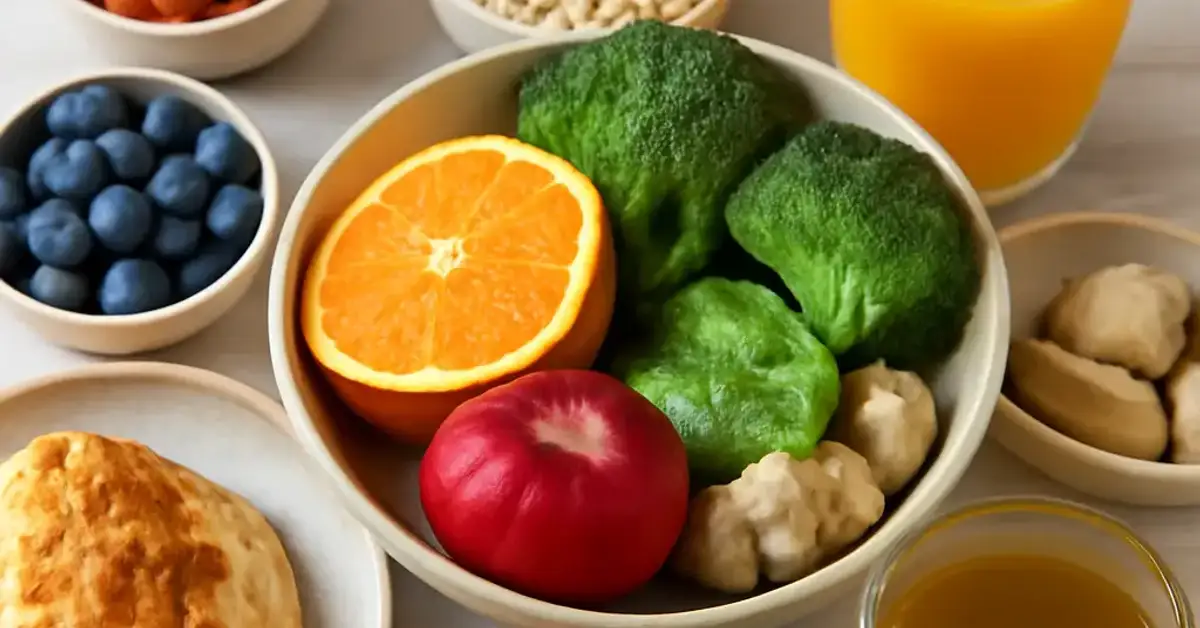
What to Eat and Drink When You Have the Flu
When influenza hits, your body redirects energy toward fighting the virus, often leaving you with little appetite and even less energy for meal prep. That’s why the foods and drinks to recover from flu you choose should be easy on the stomach, rich in immune-supporting nutrients, and hydrating. Research shows that certain vitamins, minerals, and bioactive compounds can help modulate inflammation, support mucosal barriers, and shorten the duration of illness. For a related guide, see 12 Proven Tips to Relieve Bloating and Stomach Pain.
The key is to focus on drinks to help recover from flu faster that replenish fluids and electrolytes, alongside solid foods that provide protein, zinc, vitamin C, and antioxidants without requiring heavy digestion. In the following list, each item includes a brief explanation of its benefits and practical tips for including it in your recovery plan.
Top 10 Foods and Drinks to Recover From the Flu
Below are ten research-backed choices organized by how they support your body during flu recovery. Each entry includes why it helps and a simple way to use it.
1. Bone Broth
Warm bone broth is a time-honored remedy for good reason. It provides amino acids like glycine and proline, which support the gut lining and reduce inflammation. The gelatin in bone broth also makes it easy to digest when your stomach is sensitive. Sipping a cup of bone broth throughout the day helps maintain hydration and delivers minerals such as calcium and magnesium. For best results, choose a low-sodium version or make your own by simmering chicken or beef bones with vegetables.
2. Ginger Tea
Fresh ginger root contains gingerol, a bioactive compound with strong anti-inflammatory and antioxidant properties. Drinking ginger tea can soothe a sore throat, calm nausea, and help reduce muscle pain associated with the flu. To make it, steep a few slices of fresh ginger in hot water for 10 minutes. Add a teaspoon of honey for additional antimicrobial benefits. Ginger tea is one of the most effective drinks to help recover from flu faster when you’re feeling queasy.
3. Citrus Fruits
Oranges, grapefruits, lemons, and limes are famous for their high vitamin C content. Vitamin C is a water-soluble antioxidant that supports immune cell function and may shorten the duration of cold and flu symptoms. Citrus fruits also provide hydration and flavonoids that reduce inflammation. A glass of fresh-squeezed orange juice or slices of grapefruit can be a refreshing way to meet your vitamin C needs. If fresh fruit is hard to keep down, try freezing citrus slices into ice cubes for a soothing popsicle.
4. Coconut Water
Coconut water is naturally rich in electrolytes — particularly potassium, sodium, and magnesium — which are crucial when fever and sweating cause fluid loss. Unlike sugary sports drinks, coconut water has minimal added sugar and is gentle on the stomach. Drinking small amounts throughout the day can help prevent dehydration. It is an excellent choice among drinks to help recover from flu faster because it rehydrates without overwhelming your digestive system.
5. Chicken Soup
Chicken soup is a classic for a reason: it combines hydration, protein, and anti-inflammatory compounds. The steam from hot soup can help clear nasal congestion, while the chicken provides zinc and B vitamins. Research suggests that chicken soup may inhibit the movement of neutrophils — white blood cells involved in inflammation — thereby reducing upper respiratory symptoms. Carrots, celery, and onions add antioxidants. Aim for a broth-based version with plenty of vegetables.
6. Oatmeal
Oatmeal is a soluble fiber that provides steady energy without taxing the digestive system. It contains beta-glucans, which have been shown to enhance immune activity by activating macrophages and natural killer cells. A warm bowl of oatmeal with a drizzle of honey and sliced banana offers a gentle source of carbohydrates, B vitamins, and potassium. Oatmeal is one of the easiest foods for flu recovery when you need something light but filling. For a related guide, see 16 Best Gut Health Drinks for Smooth Digestion.
7. Greek Yogurt
Greek yogurt is packed with protein, probiotics, and zinc. The probiotics in yogurt help maintain a healthy gut microbiome, which plays a central role in immune regulation. Zinc supports the production and function of immune cells. Choose plain Greek yogurt to avoid added sugars, and stir in a handful of berries for extra antioxidants. If dairy feels heavy, try a dairy-free coconut yogurt with live cultures.
8. Green Tea
Green tea contains catechins, particularly epigallocatechin gallate (EGCG), which has antiviral and anti-inflammatory properties. Drinking green tea may help inhibit influenza virus replication and reduce the severity of symptoms. It also provides L-theanine, an amino acid that promotes calm focus — helpful when you’re resting. A warm cup of green tea with a squeeze of lemon is a soothing addition to your list of drinks to help recover from flu faster. Limit caffeine to one or two cups if you’re sensitive.
9. Sweet Potatoes
Sweet potatoes are rich in beta-carotene, which the body converts to vitamin A. Vitamin A is essential for maintaining the integrity of mucous membranes — the first line of defense in your respiratory tract. They also provide vitamin C, potassium, and fiber. Mashed sweet potato is soft and easy to eat when you have little appetite. A baked sweet potato topped with a pat of butter and a pinch of cinnamon makes a comforting, nutrient-dense meal.
10. Honey
Honey has long been used as a natural remedy for coughs and sore throats. Its antibacterial and anti-inflammatory properties come from hydrogen peroxide and phenolic compounds. A spoonful of honey can soothe throat irritation and reduce coughing — especially when taken before bed. You can stir it into tea, drizzle it over oatmeal, or eat it straight. Always choose raw, unpasteurized honey if possible. Note: honey is not recommended for children under one year of age.
How Nutrition Supports Faster Flu Recovery
Beyond individual foods, the overall nutritional strategy matters. During the flu, your body is in a hypermetabolic state, burning more calories and requiring additional fluids. Adequate protein intake — from sources like poultry, eggs, and yogurt — provides the amino acids needed to repair tissues and produce antibodies. Zinc and vitamin C are the two micronutrients with the strongest evidence for reducing symptom duration. The foods and drinks to recover from flu described above deliver these nutrients in easy-to-digest forms. Staying hydrated is equally important: aim for at least eight 8-ounce glasses of fluid per day, including water, broth, and herbal teas. For a related guide, see 11 Proven Nutrients for Better Health and Recovery.
Practical Tips for Eating When You Feel Sick
Loss of appetite is common during the flu, but going without food can delay recovery. Start with small portions — a few spoonfuls of broth, half a bowl of oatmeal, or a few sips of ginger tea. Eat every two to three hours to maintain blood sugar and energy levels. Avoid very cold foods that can exacerbate congestion, and limit sugary and processed foods that may increase inflammation. Listen to your body: if a food feels heavy or irritating, try a different option from the list above.
| Food or Drink | Key Nutrients | Best Use During Flu |
|---|---|---|
| Bone Broth | Glycine, proline, electrolytes | Sip warm throughout the day |
| Ginger Tea | Gingerol, antioxidants | Drink with honey for sore throat |
| Citrus Fruits | Vitamin C, flavonoids | Fresh juice or frozen popsicles |
| Coconut Water | Potassium, sodium, magnesium | Rehydrate after fever |
| Chicken Soup | Zinc, B vitamins, anti-inflammatory compounds | Serve steaming for congestion relief |
| Oatmeal | Beta-glucans, B vitamins, fiber | Warm breakfast with honey |
| Greek Yogurt | Probiotics, zinc, protein | Plain with berries |
| Green Tea | Catechins (EGCG), L-theanine | Lemon optional, limit to 1-2 cups |
| Sweet Potatoes | Beta-carotene, vitamin C, potassium | Mashed or baked |
| Honey | Antimicrobial compounds | By the spoonful or in tea |
Useful Resources
For more detailed information on nutrition and immune health, the following sources are excellent references:
- Harvard T.H. Chan School of Public Health — Eating for Immune Health offers evidence-based guidance on dietary patterns that support immune function.
- Mayo Clinic — Cold and Flu Remedies: What Works provides a balanced overview of home remedies including nutrition and hydration strategies.
Frequently Asked Questions About foods and drinks to recover from flu
What is the best food to eat when you have the flu?
There is no single best food, but bone broth and chicken soup are excellent choices because they combine hydration, easy-to-digest protein, and anti-inflammatory compounds.
Can drinking orange juice help with flu recovery?
Orange juice is rich in vitamin C and fluids, which can support immunity and hydration. However, it also contains natural sugars, so drinking it in moderation — about half a cup per serving — is recommended during illness.
Is it okay to eat dairy products when you have the flu?
For most people, dairy is fine. Some individuals report increased mucus production, but scientific studies have not confirmed a connection. If you feel dairy thickens mucus, choose non-dairy alternatives like almond milk or coconut yogurt.
How much water should I drink with the flu?
Aim for at least eight 8-ounce glasses of total fluids per day, including water, herbal teas, broth, and electrolyte drinks. Increase intake if you have a fever or are sweating heavily.
Are there specific drinks to help recover from flu faster ?
Yes, drinks like warm ginger tea, green tea, coconut water, and bone broth are particularly effective. They provide hydration, electrolytes, and compounds that reduce inflammation and support the immune system.
Can I eat spicy foods while recovering from the flu?
Spicy foods can help clear nasal congestion temporarily, but they may also irritate a sore throat or upset a sensitive stomach. If your throat is raw or you have nausea, it is better to stick to milder options.
Does vitamin C actually shorten flu duration?
Research shows that regular vitamin C supplementation may slightly shorten the duration of colds and flu, but taking it after symptoms appear has less effect. Getting vitamin C from whole foods is a safe and helpful strategy during illness.
What foods should I avoid when I have the flu?
Avoid sugary snacks, processed foods, deep-fried items, and excessive caffeine. These can promote inflammation, dehydrate you, and tax the digestive system when your body needs rest.
Is bone broth better than chicken soup for flu recovery?
Both are excellent. Bone broth has a higher concentration of collagen and gelatin, while chicken soup usually contains more vegetables and spices. Choose whichever you prefer or alternate between them.
Can I drink coffee with the flu?
Small amounts of coffee are generally fine, but excessive caffeine can cause dehydration and interfere with rest. Limit to one cup per day and pair it with a glass of water.
What is the role of zinc in flu recovery?
Zinc supports the development and function of immune cells. Foods rich in zinc — such as poultry, yogurt, nuts, and seeds — may help reduce the duration of flu symptoms when consumed at the onset of illness.
Are electrolyte drinks necessary for flu recovery?
They can be helpful if you have a high fever or are sweating heavily. Natural options like coconut water or homemade electrolyte water (water + pinch of salt + pinch of sugar + lemon juice) are preferable to commercial sports drinks.
Is it safe to fast when you have the flu?
Fasting is generally not recommended during the flu because your body needs energy and nutrients to fight the infection. Light, frequent meals are safer than prolonged fasting.
Can honey be used for flu symptoms in children?
Honey can help soothe a sore throat and reduce cough in children over one year old. For children under one year, honey poses a risk of infant botulism and should not be given.
What are the best foods for flu recovery for vegetarians?
Vegetarian-friendly options include oatmeal with berries, sweet potatoes, lentil soup, Greek yogurt, smoothies with spinach and citrus, and herbal teas. Nuts and seeds also provide zinc and protein.
How often should I eat when I have the flu?
Aim to eat a small portion every two to three hours. This maintains blood sugar and provides a steady supply of nutrients without overwhelming your digestive system.
Can green tea interact with flu medications?
Green tea contains caffeine and vitamin K, which can interact with certain medications. If you are taking blood thinners or have a health condition, consult your doctor before consuming large amounts of green tea.
Is it safe to eat raw garlic when I have the flu?
Garlic contains allicin, a compound with antimicrobial properties. Eating a small amount of raw garlic — such as in a salad dressing or spread on toast — is safe for most adults, but it may cause digestive upset in some individuals.
What drinks help soothe a cough from the flu?
Warm honey and lemon water, ginger tea, and chamomile tea are all soothing for coughs. The warmth helps relax the throat muscles, and honey provides a protective coating.
When should I see a doctor for flu symptoms?
See a doctor if you experience difficulty breathing, persistent high fever for more than three days, chest pain, confusion, or if your symptoms start improving then suddenly worsen. Young children, pregnant women, and older adults should also seek medical advice early.