
protect yourself during cold and flu season Key Takeaways
Cold and flu viruses circulate heavily from fall through early spring, causing millions of infections each year.
- Use 12 evidence-based strategies to protect yourself during cold and flu season every day.
- Simple hygiene, nutrition, and lifestyle changes make a real difference in preventing illness.
- Knowing when to rest and when to seek medical care helps you recover safely and avoid complications.
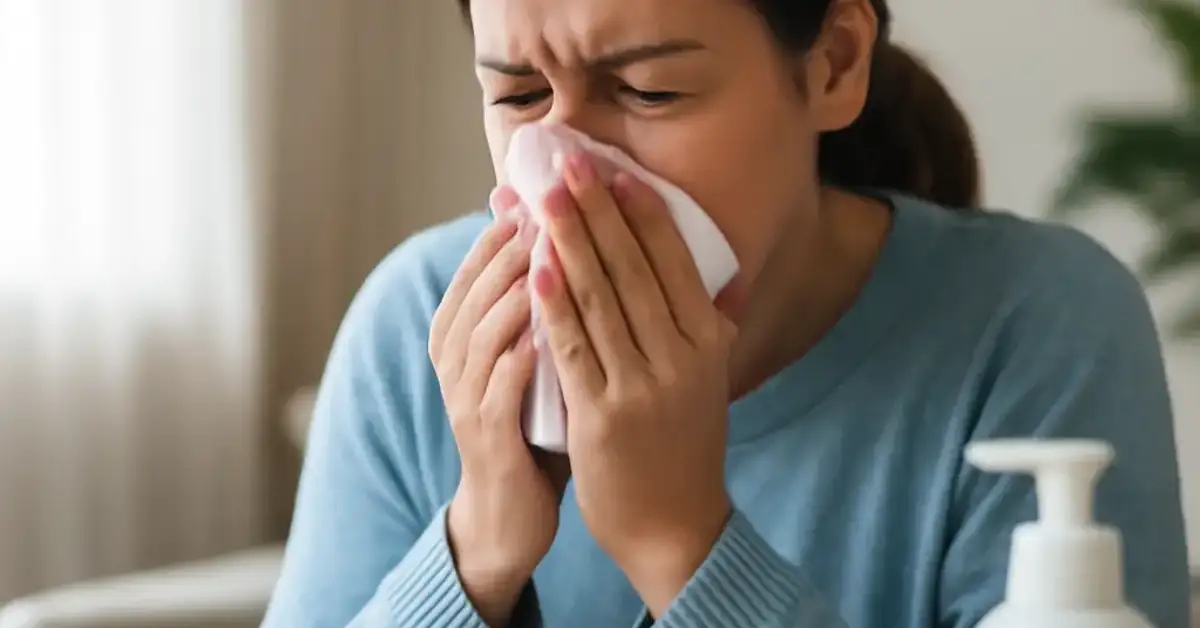
Why You Need to Protect Yourself During Cold and Flu Season Year After Year
Seasonal respiratory viruses thrive in cooler, drier air and when people spend more time indoors. The CDC estimates that the flu alone causes millions of medical visits and hundreds of thousands of hospitalizations each year. Cold viruses can cause significant lost work and school days. While no strategy is 100% effective, layering multiple proven methods dramatically lowers your odds of getting sick and helps your body fight off infections faster. For a related guide, see 10 Proven Foods and Drinks to Help You Recover From the Flu Faster.
12 Ways to Protect Yourself During Cold and Flu Season
Each of the following tips is backed by public health research and practical for daily life. Choose the ones that fit your routine and build from there.
1. Wash Your Hands Frequently and Correctly
Handwashing with soap and water for at least 20 seconds removes viruses before they can enter your body through your eyes, nose, or mouth. Hand sanitizer with at least 60% alcohol works well when soap is not available. Make it a habit after being in public places, touching shared surfaces, and before eating.
2. Get Your Annual Flu Vaccine
The seasonal flu vaccine is the most effective way to prevent influenza. It reduces your risk of infection, and if you do get flu, symptoms are typically milder and complications less likely. The CDC recommends everyone six months and older get vaccinated each fall.
3. Avoid Touching Your Face
Your hands pick up viruses from surfaces dozens of times a day. Touching your face — especially your eyes, nose, and mouth — transfers those germs directly into your mucous membranes. Be mindful of this habit; try keeping tissues handy to scratch an itch or rub your nose instead of using bare fingers.
4. Practice Respiratory Etiquette
Cough and sneeze into a tissue or the inside of your elbow, not into your hands. Dispose of used tissues immediately. This reduces the spray of droplets that can infect others and contaminate surfaces. Wearing a mask in crowded indoor settings during peak season adds another layer of protection.
5. Disinfect High-Touch Surfaces Regularly
Flu and cold viruses can survive on hard surfaces for up to 48 hours. Focus on light switches, door handles, phones, remote controls, countertops, and keyboards. Use EPA-approved disinfectants or a diluted bleach solution once a day during peak season.
6. Boost Your Immune System with Nutrient-Rich Foods
Eat plenty of fruits, vegetables, lean proteins, and whole grains to supply your body with the vitamins and minerals it needs to fight infection. Vitamin C, zinc, vitamin D, and probiotics have all been studied for their immune-supporting roles. Aim for colorful plates and consider a vitamin D supplement if you have low levels.
7. Stay Hydrated
Water supports every system in your body, including your immune system. It helps produce lymph, which carries white blood cells, and keeps mucous membranes moist so they can trap and expel germs. Drink water throughout the day, especially if you feel run down or are in dry indoor environments.
8. Prioritize Sleep and Rest
Sleep is when your body repairs and resets its immune defenses. Adults should aim for 7–9 hours per night. Chronic sleep deprivation reduces the production of protective cytokines and infection-fighting antibodies. If you feel tired, listen to your body and rest more.
9. Manage Stress Levels
Long-term stress raises cortisol, which suppresses immune function. Practice daily stress management through deep breathing, meditation, exercise, or hobbies. Even short breaks to step away from work or screens help lower your viral vulnerability.
10. Exercise Moderately and Consistently
Regular moderate exercise — like brisk walking, cycling, or yoga — improves immune surveillance and reduces inflammation. Aim for about 30 minutes most days. Avoid overtraining during peak illness season, as extreme exercise can temporarily weaken immunity.
11. Stay Home When You Are Sick
If you develop cold or flu symptoms, stay home to avoid spreading the virus to coworkers, friends, and family. The CDC recommends staying home for at least 24 hours after your fever resolves without the help of fever-reducing medications. Resting also gives your body the energy it needs to fight the infection.
12. Know When to Seek Medical Care
Most colds and mild flu cases resolve on their own with rest and home care. But certain symptoms warrant medical attention: difficulty breathing, persistent high fever, chest pain, confusion, severe headache, or worsening symptoms after initial improvement. Early antiviral treatment can reduce the severity and duration of the flu for high-risk individuals. For a related guide, see 12 Flu Symptoms You Must Not Ignore This Season.
Building a Daily Routine to Protect Yourself During Cold and Flu Season
You don’t have to do all twelve things at once. Start with the most impactful habits: handwashing, vaccination, and staying home when sick. Over the next few weeks, layer in better nutrition, sleep, and stress management. Consistency matters more than perfection. Small daily actions compound to create strong protection over the entire season.
Useful Resources
For more detailed guidance on seasonal illness prevention, visit these trusted sources:
- CDC Seasonal Flu Prevention — official prevention recommendations, including vaccine information and antiviral drugs.
- World Health Organization: Influenza Season FAQs — global perspective on flu transmission, prevention, and treatment.
Frequently Asked Questions About protect yourself during cold and flu season
Can I protect yourself during cold and flu season with supplements alone?
Supplements can support your immune system, but they are not a substitute for handwashing, vaccination, and healthy habits. Focus on a balanced diet first, and talk to your doctor before starting any new supplement.
How long after getting the flu vaccine am I protected?
It takes about two weeks for your body to develop full protection after the flu shot. That’s why it’s best to get vaccinated in early fall before the season peaks.
Does vitamin C really prevent colds?
Vitamin C does not prevent colds, but regular supplementation may shorten the duration and severity of symptoms in some people. Getting it from food sources is generally preferred.
Should I wear a mask during cold and flu season?
Wearing a high-quality mask (like N95 or KN95) in crowded indoor settings can reduce your exposure to respiratory viruses, especially if you are high-risk or during a surge.
What is the best way to disinfect my phone?
Use a 70% isopropyl alcohol wipe or a microfiber cloth lightly dampened with soapy water. Avoid submerging the device or using bleach. Check your manufacturer’s guidelines.
How often should I wash my hands during flu season?
Wash your hands every time you come home from a public place, before eating, after using the restroom, and after coughing, sneezing, or blowing your nose. Frequent handwashing is one of the most effective measures.
Can stress really make me more likely to get sick?
Yes. Chronic stress elevates cortisol, which suppresses immune function and increases your vulnerability to infections. Managing stress is a key part of prevention.
Is it safe to exercise with a mild cold?
If symptoms are above the neck — like a runny nose and mild sore throat — light to moderate exercise may be okay. If you have fever, body aches, or chest congestion, rest is better.
How long are cold and flu viruses contagious?
You are contagious with a cold 1–2 days before symptoms appear and up to 2 weeks after. With the flu, you are most contagious in the first 3–4 days after symptoms start. Stay home until fever-free for 24 hours without medication.
Can I get the flu from the flu shot?
No. The flu vaccine contains inactivated or weakened virus that cannot cause the flu. Some people experience mild side effects like soreness or low fever, which are signs your immune system is responding.
What foods help boost the immune system?
Citrus fruits, red bell peppers, broccoli, garlic, ginger, spinach, yogurt, almonds, turmeric, and green tea are all known for their immune-supporting properties.
How does sleep affect my ability to fight off viruses?
During sleep, your body produces infection-fighting cytokines and white blood cells. Poor sleep lowers your defenses and makes it harder to kill off viruses. Prioritize 7–9 quality hours each night.
Do air purifiers help prevent cold and flu?
HEPA air purifiers can reduce airborne virus particles in enclosed spaces, especially when combined with ventilation. They are a helpful addition but not a replacement for other preventive measures.
Can I use hand sanitizer instead of soap and water?
Hand sanitizer is a good alternative when soap and water are unavailable, but it does not remove all types of germs and is less effective on visibly dirty or greasy hands. Wash with soap when possible.
What is the best way to stay hydrated during a cold?
Water, herbal teas, clear broths, and electrolyte drinks are all excellent. Avoid excessive caffeine and alcohol, as they can dehydrate you. Aim for pale yellow urine as a hydration indicator.
Should I take zinc at the first sign of a cold?
Some studies suggest zinc lozenges or syrup taken within 24 hours of symptom onset can shorten a cold. Long-term daily zinc supplementation is not recommended without medical advice due to potential side effects.
How do I know if I have a cold, flu, or COVID-19?
All three cause respiratory symptoms, but flu and COVID-19 more commonly include fever, body aches, and fatigue. Loss of taste or smell is more specific to COVID-19. Testing is the only way to know for sure.
Can I go to work if I have a mild cold?
It is best to stay home, especially during the first few days when you are most contagious. If you must go, wear a mask, keep your distance, wash your hands frequently, and avoid shared spaces.
What should I do if my symptoms get worse instead of better?
If your fever returns after being gone, you develop chest pain, difficulty breathing, confusion, or a severe headache, seek medical attention promptly. These may be signs of secondary infection or complications.
How can I help my family protect themselves during cold and flu season ?
Encourage everyone to wash hands often, get vaccinated, cover coughs and sneezes, and stay home when sick. Keep disinfecting wipes near shared spaces and remind kids to avoid touching their faces.