
foods to avoid for better heart health Key Takeaways
Cholesterol is a waxy substance your body needs to build cells, but too much of the wrong type — especially LDL (low-density lipoprotein) — can clog arteries and lead to heart attack or stroke.
- The worst foods to avoid for better heart health include processed meats, sugary drinks, and trans-fat-laden baked goods.
- Replacing these with whole grains, unsaturated fats, and fresh produce can significantly improve your cholesterol profile.
- Small, consistent changes — like choosing air-popped popcorn over chips — add up to big heart health benefits.
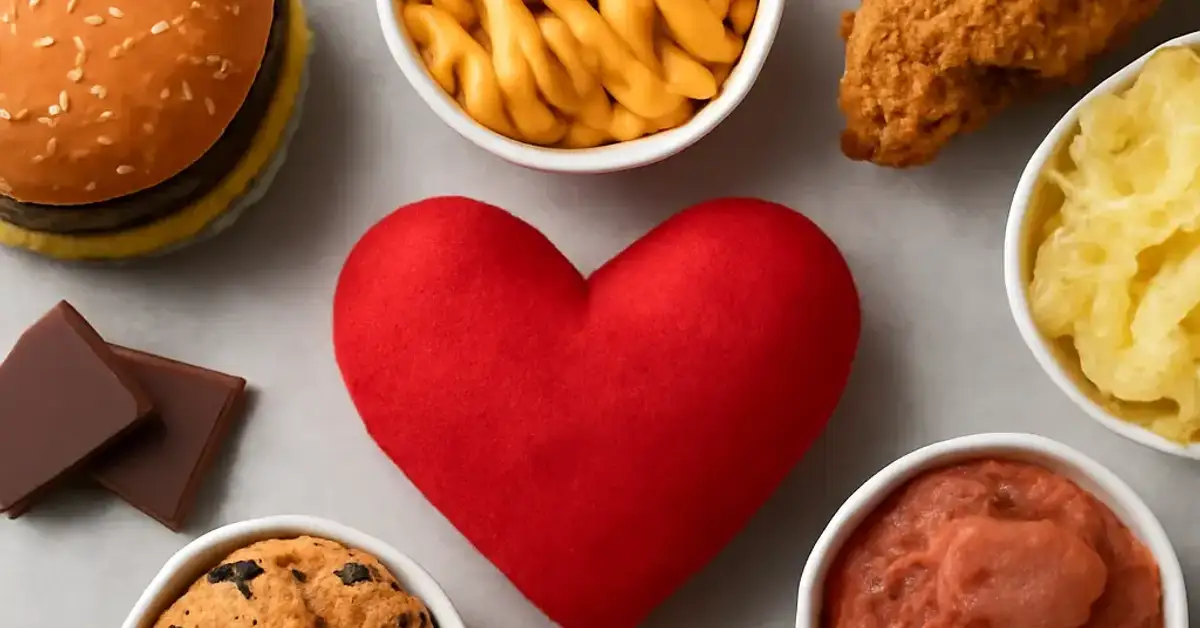
Why Your Diet Matters for Cholesterol and Heart Health
Cholesterol is a waxy substance your body needs to build cells, but too much of the wrong type — especially LDL (low-density lipoprotein) — can clog arteries and lead to heart attack or stroke. The food you eat plays a starring role in determining how much LDL cholesterol circulates in your blood. By identifying and replacing the worst offenders, you can lower your numbers without feeling deprived. For a related guide, see Proven Foods That Lower Blood Pressure and Boost Heart Health.
1. Processed Meats: Bacon, Sausages, and Deli Meats
Processed meats are loaded with saturated fat and sodium, both of which raise LDL cholesterol and blood pressure. They also contain preservatives like nitrates that may damage blood vessel walls over time.
Why They Are Harmful
A single serving of bacon can pack more than half your daily recommended saturated fat. Regular consumption of processed meats has been linked to a 42% higher risk of heart disease, according to large-scale studies.
Healthier Alternatives
Swap bacon for turkey bacon (lower in saturated fat), or try smoked salmon. For sandwiches, use sliced roasted chicken breast or hummus instead of salami or bologna.
2. Sugary Drinks: Soda, Sweet Tea, and Fruit Juices
Sugary beverages are the single largest source of added sugar in the average diet. They spike blood sugar and triglycerides, a type of blood fat closely linked to heart risk.
Why They Are Harmful
Fructose from added sugars is converted into triglycerides in the liver, raising both LDL and lowering HDL (good cholesterol). A daily sugary drink habit can increase heart disease risk by up to 30%.
Healthier Alternatives
Infuse water with lemon, cucumber, or berries. Unsweetened iced tea or sparkling water with a splash of fruit juice are also great options for a heart health diet.
3. Fried Foods: French Fries, Fried Chicken, and Doughnuts
Fried foods absorb large amounts of oil, much of which is partially hydrogenated (trans fats) or oxidized during high-heat cooking. Trans fats are the most dangerous fat for cholesterol.
Why They Are Harmful
Trans fats raise LDL cholesterol while simultaneously lowering HDL cholesterol. Even a 2% increase in calories from trans fats can increase heart disease risk by 23%.
Healthier Alternatives
Bake or air-fry your potatoes and chicken instead. Oven-roasted sweet potato wedges seasoned with paprika and garlic powder deliver the crunch without the damage.
4. Highly Processed Baked Goods: Cookies, Pastries, and Cakes
Most store-bought cookies, muffins, and pastries are made with shortening, butter, or palm oil — all high in saturated or trans fats. On top of that, they are packed with refined sugar and white flour.
Why They Are Harmful
The combination of refined carbs and saturated fat promotes small, dense LDL particles that are especially artery-clogging. Many commercial baked goods also contain added sodium for preservation.
Healthier Alternatives
Try oat-based cookies sweetened with banana or applesauce. For a satisfying dessert, have a square of dark chocolate (70% cocoa or higher) or a bowl of fresh berries.
5. Refined Grains: White Bread, White Rice, and Pasta
Refined grains have been stripped of fiber and nutrients, leaving a fast-digesting starch that spikes blood sugar and insulin. Over time, this promotes inflammation and higher triglycerides.
Why They Are Harmful
A low-fiber diet fails to trap cholesterol in the digestive tract, allowing more of it to be reabsorbed into the bloodstream. Studies show that replacing refined grains with whole grains can lower LDL by 5–10%.
Healthier Alternatives
Switch to 100% whole-wheat bread, brown rice, quinoa, or oats. These heart health foods provide soluble fiber that actively binds to cholesterol and helps excrete it.
6. Full-Fat Dairy: Butter, Whole Milk, and Cream
Full-fat dairy products are high in saturated fat. While some studies have softened the stance on dairy fat, the consensus still shows that replacing it with unsaturated options improves cholesterol levels.
Why They Are Harmful
A single tablespoon of butter contains 7 grams of saturated fat — more than one-third of the daily limit recommended by the American Heart Association. Regular consumption can push LDL above safe thresholds.
Healthier Alternatives
Use olive oil or avocado spread instead of butter. Choose unsweetened almond milk, oat milk, or low-fat Greek yogurt in place of whole milk and cream.
7. Tropical Oils (Palm and Coconut Oil)
Despite being plant-based, palm oil and coconut oil are extremely high in saturated fat — even more than butter. They are common in processed foods and many “healthy” snack bars.
Why They Are Harmful
Coconut oil is about 90% saturated fat, compared to butter’s 64%. Over-reliance on these oils can raise LDL cholesterol as much as animal fats do.
Healthier Alternatives
Use olive, avocado, or canola oil for cooking and baking. These oils are rich in monounsaturated and polyunsaturated fats, which help lower LDL and support a lower cholesterol diet.
Comparison Table: Worst Foods vs. Heart-Healthy Swaps
| Worst Food | Key Harmful Component | Heart-Healthy Swap |
|---|---|---|
| Processed meats | Saturated fat + sodium | Turkey breast, hummus, smoked salmon |
| Sugary drinks | Added fructose | Infused water, unsweetened tea |
| Fried foods | Trans fats | Baked or air-fried vegetables |
| Baked goods | Saturated fat + refined sugar | Oat-based treats, dark chocolate |
| Refined grains | Low fiber + high glycemic load | Whole-wheat bread, quinoa, oats |
| Full-fat dairy | Saturated fat | Low-fat yogurt, almond milk |
| Tropical oils | Extremely high saturated fat | Olive, avocado, canola oil |
Practical Tips to Start Your Lower Cholesterol Diet Today
Knowing the foods to avoid for better heart health is only half the battle. To make the shift stick, start with one swap per week. Week one: replace soda with sparkling water. Week two: switch from white bread to whole-grain. Week three: bake instead of fry. Small wins build momentum.
Another effective strategy is to fill half your plate with vegetables at lunch and dinner. This naturally crowds out the less healthy options and boosts your fiber intake — a proven way to lower LDL.
Useful Resources
For a deeper dive into how saturated fat affects cholesterol, visit the American Heart Association’s guide on saturated fats.
You can also review the latest dietary recommendations for heart disease prevention from the National Institutes of Health’s evidence-based review.
Conclusion: Start Small, Stay Consistent
Improving your heart health doesn’t require a complete food overhaul overnight. By learning which foods to avoid for better heart health and gradually replacing them with delicious alternatives, you can lower your cholesterol and protect your arteries. Begin with one swap this week — your heart will thank you for it.
If you are ready to take control of your heart health diet, start by cleaning out your pantry of the seven foods listed above. Your grocery list, your bloodwork, and your future self will all benefit.
Frequently Asked Questions About foods to avoid for better heart health
What is the single worst food for high cholesterol?
Fried foods and commercially baked goods containing trans fats are the worst because they both raise LDL and lower HDL cholesterol.
Can I ever eat red meat if I have high cholesterol?
Yes, but limit it to once a week and choose lean cuts like sirloin or loin. Avoid processed red meats like bacon and sausages.
Are eggs bad for cholesterol?
For most people, dietary cholesterol in eggs has a small effect on blood cholesterol. Limiting egg yolks to 3–4 per week is still wise if you have high LDL.
Is cheese a food to avoid for better heart health?
Full-fat cheese is high in saturated fat, but small amounts (like a sprinkle of Parmesan) can fit into a heart-healthy diet if overall saturated fat is controlled.
What about avocado — is it safe for cholesterol?
Yes. Avocados are rich in monounsaturated fats and fiber, both of which help lower LDL cholesterol. They are an excellent heart food.
Do I need to avoid all fats?
No. Replace saturated and trans fats with unsaturated fats from nuts, seeds, olive oil, and fish. Healthy fats improve your lipid profile.
How quickly can diet changes lower cholesterol?
Some people see a 5–10% reduction in LDL within 4–6 weeks after adopting a heart-healthy diet, especially if they cut trans fats and increase soluble fiber.
Are plant-based meats healthier for cholesterol?
Many plant-based meats are still high in saturated fat from coconut oil. Check labels and choose options with less than 2 grams of saturated fat per serving.
What is soluble fiber and why does it matter?
Soluble fiber dissolves in water to form a gel that traps cholesterol and helps remove it from your body. Oats, beans, apples, and psyllium are top sources.
Is dark chocolate okay for a lower cholesterol diet ?
Yes, in moderation. Dark chocolate with 70% or higher cocoa content contains flavonoids that may improve blood vessel function and lower LDL.
Can I eat potatoes if I want to lower cholesterol?
Yes, but avoid frying them. Baked, boiled, or roasted potatoes with the skin on provide fiber and potassium, which support heart health.
What drinks should I avoid besides soda?
Sweetened coffee drinks, energy drinks, and bottled fruit punches all contain high amounts of added sugar that raise triglycerides.
Are granola bars heart-healthy?
Not always. Many granola bars are loaded with added sugar and palm oil. Look for bars with fewer than 5 grams of sugar and no tropical oils.
Do I need to avoid all dairy?
No. Low-fat or fat-free dairy products like skim milk and non-fat Greek yogurt provide calcium and protein without excess saturated fat.
Can I eat shrimp if I have high cholesterol?
Shrimp is higher in dietary cholesterol but low in saturated fat. For most people, eating shrimp occasionally does not negatively impact blood cholesterol.
What is the Mediterranean diet’s role in cholesterol control?
The Mediterranean diet emphasizes olive oil, fish, whole grains, and vegetables and has been proven in clinical trials to lower LDL and reduce heart disease risk. For a related guide, see 7 Heart-Healthy Eating Habits That Proven Reduce Disease Risk.
Are nuts a good snack for lowering cholesterol?
Yes. Almonds, walnuts, and pistachios contain unsaturated fats and fiber that help reduce LDL. A handful per day is ideal.
Should I take supplements instead of changing my diet?
Supplements like plant sterols or psyllium can help, but they cannot replace the benefits of a whole-foods diet focused on heart health diet tips.
How do I know if my cholesterol levels are improving?
Get a blood lipid panel every 4–6 months. Focus on total cholesterol, LDL, HDL, and triglycerides — not just the total number.
Can stress affect cholesterol even if I eat well?
Yes. Chronic stress can raise cortisol levels, which increases LDL and triglycerides. Pair a healthy diet with stress management like exercise or meditation.