
heart healthy eating habits Key Takeaways
Adopting a heart-healthy diet is one of the most effective ways to reduce heart disease risk .
- Incorporating heart-healthy eating habits like increasing fiber and reducing sodium can lower blood pressure and cholesterol.
- Choosing unsaturated fats over saturated and trans fats supports better heart function and reduces inflammation.
- Building meals around whole grains, lean proteins, and colorful vegetables makes healthy eating sustainable and enjoyable.
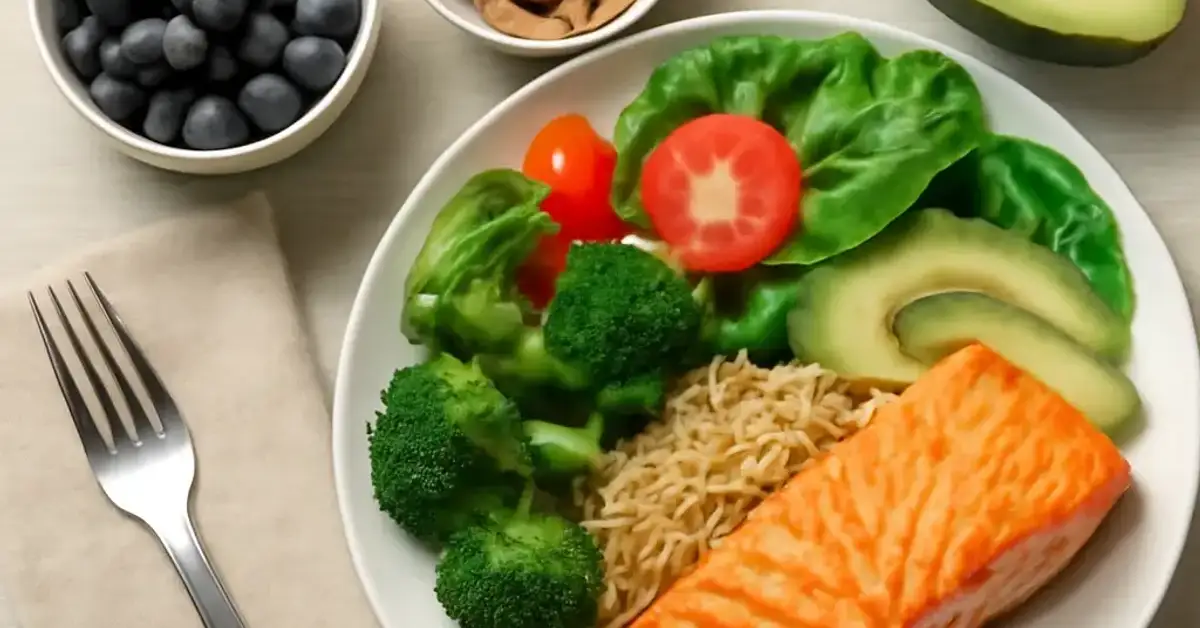
Why Strong Heart-Healthy Eating Habits Matter More Than You Think
Heart disease remains the leading cause of death worldwide, but the good news is that diet plays a starring role in prevention. Research consistently shows that people who follow a heart-healthy diet lower their risk of heart attack, stroke, and related conditions by a significant margin. Small, consistent changes to what you eat each day can add up to profound long-term benefits. For a related guide, see 7 Proven Benefits: How a Plant-Based Diet Can Improve Heart Health Naturally.
The key is not about perfection — it is about building sustainable habits. Instead of a restrictive fad diet, the approach here focuses on adding protective foods while gradually reducing harmful ones. Think of it as a long-term investment in your cardiovascular system.
7 Proven Heart-Healthy Eating Habits to Reduce Heart Disease Risk
1. Slash Your Sodium Intake Without Sacrificing Flavor
Excess sodium is a primary driver of high blood pressure, a major risk factor for heart disease. The American Heart Association recommends limiting sodium to no more than 2,300 milligrams per day, with an ideal limit of 1,500 mg for most adults. Most of the sodium we eat comes from processed and restaurant foods, not the salt shaker.
Practical tips: Cook more meals at home using herbs, spices, citrus, and vinegar instead of salt. When shopping, choose products labeled “no salt added” or “low sodium.” Rinse canned beans and vegetables to remove up to 40% of the sodium. Gradually reducing salt allows your taste buds to adjust over a few weeks.
2. Make Fiber Your Daily Companion
Dietary fiber, especially soluble fiber, helps lower LDL (“bad”) cholesterol levels by binding to cholesterol particles and removing them from your body. Fiber also improves blood sugar control and supports a healthy weight. Aim for 25 to 30 grams of fiber daily from whole foods. For a related guide, see 8 Best Whole Grains for a Heart-Healthy Diet: Essential Choices.
Simple ways to boost fiber: Start your day with oatmeal topped with berries and flaxseed. Choose whole-grain bread, brown rice, quinoa, or barley instead of refined grains. Snack on raw vegetables, nuts, and fruit. Add lentils or beans to soups, salads, and stews. Each small swap moves you closer to your fiber goal.
3. Choose Healthy Fats Over Harmful Ones
Not all fats are created equal. Unsaturated fats — found in olive oil, avocados, nuts, seeds, and fatty fish — support heart health by reducing inflammation and improving cholesterol profiles. In contrast, trans fats and excessive saturated fats increase heart disease risk.
Easy swaps: Use olive or avocado oil for cooking and salad dressings instead of butter or coconut oil. Eat fatty fish like salmon, mackerel, or sardines twice a week. Snack on a handful of almonds or walnuts instead of chips. Replace red meat with skinless poultry, fish, or plant-based proteins. Check ingredient labels to avoid partially hydrogenated oils.
4. Prioritize Potassium-Rich Foods to Counteract Sodium
Potassium helps relax blood vessel walls and excrete excess sodium, which can lower blood pressure. Many people do not get enough potassium from their diet. The recommended intake is about 4,700 mg per day for adults.
Potassium powerhouses: Bananas, sweet potatoes, spinach, avocados, white beans, tomatoes, oranges, and yogurt. Try adding a side of steamed spinach to dinner or blending a banana into your morning smoothie. If you have kidney issues, consult your healthcare provider before increasing potassium significantly.
5. Limit Added Sugars and Refined Carbohydrates
Diets high in added sugars and refined carbs are linked to obesity, inflammation, high triglycerides, and increased heart disease risk. The American Heart Association advises limiting added sugar to no more than 6 teaspoons (25 grams) per day for women and 9 teaspoons (36 grams) for men.
Practical steps: Drink water, sparkling water with lemon, or unsweetened tea instead of soda and sweetened beverages. Choose whole fruit over fruit juice. Read ingredient lists for hidden sugars like high-fructose corn syrup, cane sugar, and syrups. Satisfy sweet cravings with a small piece of dark chocolate or dates.
6. Eat the Rainbow: Vegetables and Fruits at Every Meal
A diet rich in colorful produce provides antioxidants, vitamins, minerals, and phytochemicals that protect your heart. Aim for at least 4 to 5 servings of vegetables and 2 to 3 servings of fruit each day. Different colors represent different protective compounds.
How to make it easy: Fill half your plate with non-starchy vegetables at lunch and dinner. Keep pre-cut veggies like bell peppers, carrots, and cucumber in the fridge for quick snacks. Add berries to cereal, salads, or yogurt. Try roasting a tray of mixed vegetables — the caramelized flavor makes them irresistible.
7. Practice Mindful Eating and Portion Control
Even healthy foods can contribute to weight gain if eaten in excess. Mindful eating helps you tune into hunger and fullness cues, prevents overeating, and improves digestion. Portion control ensures you get the benefits of nutrient-dense foods without going overboard on calories.
Tips to start: Use smaller plates and bowls. Eat without distractions like phones or TV. Chew slowly and savor each bite. Serve yourself reasonable portions, and wait 10 minutes before going back for seconds. Pay attention to serving sizes on nutrition labels, especially for calorie-dense foods like nuts and oils.
A Simple One-Day Sample Meal Plan
Putting these habits into action can be easier with a template. Here is a sample day that incorporates all seven habits:
| Meal | Food Choices | Habits Practiced |
|---|---|---|
| Breakfast | Oatmeal with blueberries, flaxseed, unsweetened almond milk | Fiber, no added sugar, potassium |
| Lunch | Spinach salad with grilled chicken, avocado, cherry tomatoes, olive oil and lemon dressing | Vegetables, healthy fats, potassium |
| Snack | Apple slices with a handful of walnuts | Fiber, healthy fats, portion control |
| Dinner | Baked salmon, quinoa, roasted broccoli and bell peppers with garlic and herbs | Healthy fats, whole grains, colorful produce, low sodium |
| Evening | Herbal tea or sparkling water with lime | No added sugar, hydration |
Common Mistakes to Avoid When Changing Your Diet
Even with good intentions, it is easy to stumble. One common mistake is trying to overhaul everything at once, which often leads to burnout. Instead, introduce one new habit each week. Another pitfall is relying on packaged “heart-healthy” labels, which can still be high in sodium or sugar. Always check the full nutrition panel.
Finally, do not fall for the idea that healthy eating has to be expensive. Frozen vegetables, canned beans (rinsed), and seasonal produce are budget-friendly and nutritious. Planning ahead and cooking in batches saves both money and time.
Useful Resources
Learn more about building a heart-healthy diet from these authoritative sources:
- American Heart Association Diet and Lifestyle Recommendations – Detailed guidelines for reducing cardiovascular risk through nutrition.
- National Heart, Lung, and Blood Institute: Healthy Eating Plan – Science-based advice on calories, portion sizes, and nutrient choices.
Frequently Asked Questions About heart healthy eating habits
What is the most important heart-healthy eating habit?
While all habits matter, reducing sodium intake and increasing fiber are two of the most impactful changes for lowering blood pressure and cholesterol. Starting with these two gives you the greatest return on effort.
Can I still eat red meat on a heart-healthy diet ?
Yes, but in limited amounts. Choose lean cuts like sirloin or tenderloin, keep portions to about 3 ounces (size of a deck of cards), and limit red meat to once or twice a week. Focus on plant-based proteins and fish for most meals.
What are the best snacks for heart health?
Nuts (walnuts, almonds), fresh fruit, raw vegetables with hummus, plain Greek yogurt, and air-popped popcorn are excellent choices. These provide fiber, healthy fats, and protein without added sugar or excessive salt.
How quickly can heart-healthy eating habits lower cholesterol?
Some people see improvements in LDL cholesterol within 4 to 6 weeks of consistent dietary changes. However, individual results vary based on genetics, starting levels, and overall lifestyle. Pair diet with regular exercise for faster benefits.
Is a Mediterranean diet the same as a heart-healthy diet ?
The Mediterranean diet is a well-studied example of a heart-healthy diet. It emphasizes vegetables, fruits, whole grains, olive oil, fish, and moderate wine. Many of the habits described here align closely with Mediterranean principles.
Do I need to count calories for heart health?
Not necessarily. Prioritizing nutrient-dense foods and practicing portion control often naturally leads to a healthy calorie intake. If your goal is weight loss, tracking calories for a short period can provide awareness, but it is not essential for everyone.
How much water should I drink to support heart health?
General guidelines suggest 8 to 10 cups of fluid per day for adults, but needs vary by activity level and climate. Water is best. Proper hydration helps maintain blood volume and supports kidney function in regulating blood pressure.
Can heart-healthy eating habits reverse existing heart disease?
While diet alone cannot reverse advanced heart disease, it can slow progression, reduce symptoms, and improve quality of life. In early stages, lifestyle changes including diet may help reduce plaque buildup. Always work with a healthcare provider.
What is the role of alcohol in a heart-healthy diet ?
Moderate alcohol intake (up to one drink per day for women, two for men) may have some heart benefits, but excessive drinking increases risk. If you do not drink, there is no need to start. Focus on other protective habits first.
Are eggs bad for heart health?
For most people, eggs in moderation (up to one per day) are not harmful. They are a good source of protein and nutrients. If you have diabetes or high cholesterol, limit egg yolks and focus on egg whites or plant-based alternatives.
How can I reduce sodium when eating out?
Ask for sauces and dressings on the side, choose grilled or steamed options instead of fried, request no added salt, and check menu labels if available. Opt for vegetable-based dishes and avoid breaded items.
What is the best cooking oil for heart health?
Extra-virgin olive oil is the most studied and recommended for heart health due to its high monounsaturated fat and antioxidant content. Avocado oil is another great option for high-heat cooking. Use them instead of butter or tropical oils.
Can supplements replace a heart-healthy diet ?
No. While certain supplements like omega-3s or plant sterols may help, they cannot replicate the synergistic effect of whole foods. Focus on getting nutrients from food first, and use supplements only under medical guidance for specific deficiencies.
How does stress affect heart-healthy eating habits?
Chronic stress can trigger cravings for high-sugar, high-fat foods and disrupt mindful eating. Managing stress through exercise, meditation, or adequate sleep helps maintain consistency with healthy food choices.
Is organic food necessary for a heart-healthy diet ?
No. The heart health benefits come from eating more vegetables, fruits, whole grains, and lean proteins regardless of organic status. Conventional produce is perfectly fine. The priority should be on overall dietary pattern, not labels.
What are the worst foods for heart health?
Foods high in trans fats (some baked goods, fried fast foods), ultra-processed snacks, sugary beverages, and foods with excessive sodium like processed meats and canned soups are among the most harmful. Limit these as much as possible.
Can I drink coffee on a heart-healthy diet ?
Yes, moderate coffee consumption (2 to 3 cups per day) is generally safe and may even offer some antioxidant benefits. Be mindful of what you add — skip sugar and heavy cream. Excessive caffeine can raise blood pressure in sensitive individuals.
How do I start a heart-healthy diet on a budget?
Buy frozen fruits and vegetables, which are just as nutritious as fresh. Use dried beans and lentils instead of canned for cost savings. Purchase whole grains in bulk. Plan meals around seasonal produce and sales. Cook from scratch to save money.
Are plant-based diets always heart-healthy?
Not automatically. A plant-based diet rich in whole foods is excellent, but one loaded with vegan processed snacks, refined grains, and added sugars can still be unhealthy. Focus on whole plant foods like vegetables, fruits, legumes, nuts, and seeds.
How long does it take for new eating habits to feel normal?
Research suggests it takes about 66 days on average for a new behavior to become automatic, but this varies. Starting with one small change at a time and being patient with yourself increases the likelihood of long-term success.