
DASH diet vs Mediterranean diet Key Takeaways
When it comes to protecting your heart, both the DASH diet vs Mediterranean diet rank among the most scientifically backed eating patterns available.
- The DASH diet vs Mediterranean diet both emphasize fruits, vegetables, whole grains, and lean protein, but differ on fat intake and sodium restrictions.
- DASH is more structured with specific daily servings; Mediterranean offers greater flexibility with an emphasis on olive oil, nuts, and fish.
- Your choice depends on your primary health goal — blood pressure control favors DASH; reducing inflammation and long-term heart disease risk favors the Mediterranean approach.
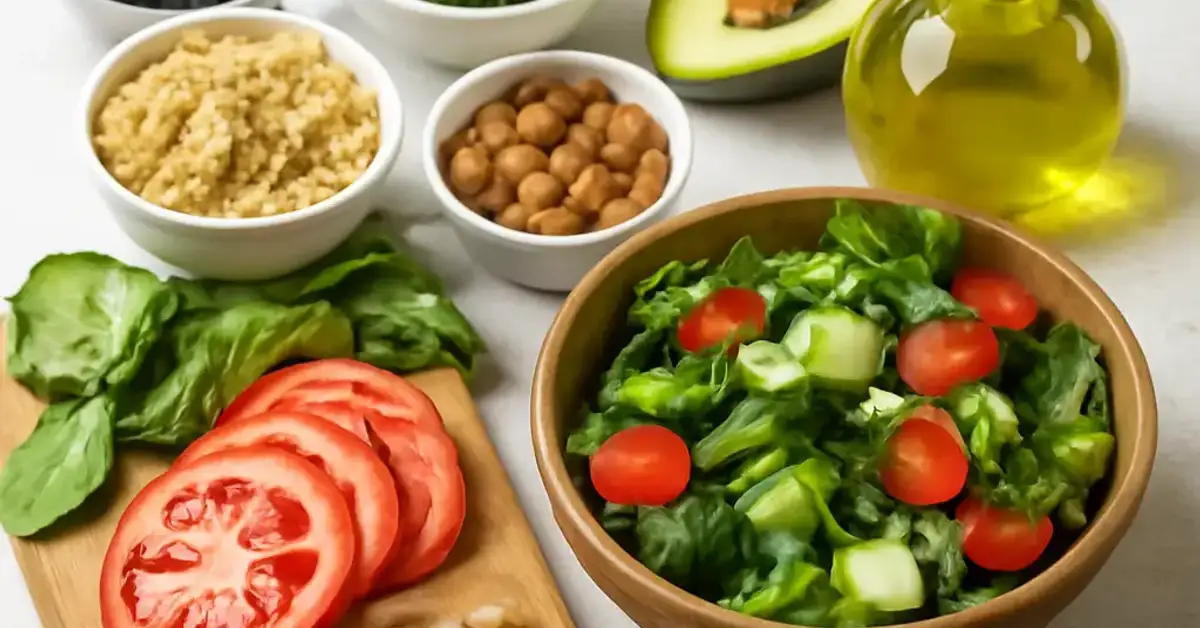
What Makes the DASH diet vs Mediterranean diet Different for Your Heart?
Heart disease remains the leading cause of death worldwide, and diet plays a starring role in prevention. Two eating plans — the Dietary Approaches to Stop Hypertension (DASH) diet and the Mediterranean diet — have earned top marks from the American Heart Association and countless clinical studies. But they work in slightly different ways.
Think of DASH as a precision tool for blood pressure. It was built by researchers at the National Institutes of Health specifically to lower hypertension. The Mediterranean diet is more of a lifestyle blueprint, inspired by the eating habits of Greece, Italy, and Spain, and linked to lower rates of heart attack and stroke. Both are excellent, but knowing which one fits your needs best could make the difference between sticking with it or falling off track. For a related guide, see Mediterranean Diet for Heart Health: 7 Proven Benefits and Easy Meals.
DASH diet heart health: How It Lowers Blood Pressure Naturally
The DASH diet focuses on reducing sodium and increasing nutrients like potassium, calcium, and magnesium. It recommends 4–5 servings of fruits and vegetables daily, along with whole grains, lean meats, and low-fat dairy. Processed foods, red meat, and sugary drinks are kept to a minimum.
The Sodium Factor
Standard DASH caps sodium at 2,300 mg per day — about one teaspoon of salt. A lower version goes to 1,500 mg. Studies show that even modest sodium reduction can drop systolic blood pressure by 5–10 points in people with hypertension.
What the Science Says
A landmark study published in the New England Journal of Medicine found that DASH reduced blood pressure more effectively than a typical American diet, even without weight loss. Follow-up research showed it also lowers LDL cholesterol. For a related guide, see 8 Best Whole Grains for a Heart-Healthy Diet: Essential Choices.
For a deeper look, the NIH’s official DASH eating plan provides detailed serving guidelines and sample menus.
Mediterranean diet heart health: The Anti-Inflammatory Powerhouse
The Mediterranean diet doesn’t count servings as strictly. Instead, it emphasizes olive oil as the primary fat, plenty of vegetables and legumes, moderate fish and poultry, and red wine in moderation. It limits red meat and sweets.
Healthy Fats Make the Difference
Monounsaturated and polyunsaturated fats from olive oil, nuts, and fatty fish improve cholesterol profiles and reduce inflammation. Omega-3 fatty acids from fish have been shown to lower triglycerides and decrease the risk of arrhythmias.
Clinical Evidence
The PREDIMED trial — a massive Spanish study — found that a Mediterranean diet supplemented with extra-virgin olive oil or nuts reduced the risk of major cardiovascular events by about 30% compared to a low-fat diet.
The American Heart Association’s Mediterranean diet guide offers practical tips for adopting this pattern.
DASH vs Mediterranean comparison: Side-by-Side for Practical Choices
Let’s put them head-to-head so you can see where each excels.
| Feature | DASH Diet | Mediterranean Diet |
|---|---|---|
| Primary focus | Lower blood pressure | Reduce overall heart disease risk |
| Sodium restriction | Strict (1,500–2,300 mg/day) | Moderate (avoid processed foods) |
| Fat intake | Low total fat, emphasis on lean | Moderate to high healthy fats |
| Dairy | Low-fat or nonfat, 2–3 servings | Limited, mostly yogurt and cheese |
| Alcohol | Not emphasized, may include | Red wine in moderation routine |
| Flexibility | Structured portions | Flexible, more adaptable to cuisines |
| Weight loss | Works if calorie-controlled | Moderate, supported by satiety |
Both diets outperform a standard Western diet for heart health. The key difference is that DASH relies on a more prescriptive framework, while the Mediterranean diet offers cultural and culinary variety.
Which Is the best diet for heart health — For You?
If you have diagnosed hypertension or prehypertension, DASH is likely your strongest starting point. Its direct impact on blood pressure is unmatched in clinical research. If you want a sustainable lifestyle change that reduces inflammation, protects your arteries, and can be adapted to almost any cuisine, the Mediterranean diet may feel more natural.
Scenarios for DASH
- You need to lower blood pressure quickly.
- You prefer clear guidelines and a structured meal plan.
- You have kidney issues and need careful electrolyte management (talk to your doctor).
Scenarios for Mediterranean
- You want a heart-healthy pattern that doesn’t feel restrictive.
- You enjoy cooking with olive oil, fish, and vegetables.
- You’re focused on long-term disease prevention and overall wellness.
Practical Steps to Get Started Today
Whichever path you choose, the switch doesn’t have to be dramatic.
1. Swap Refined Grains for Whole
Replace white bread with whole-wheat, white rice with quinoa or brown rice. Both diets agree on this step.
2. Increase Vegetable Volume
Aim for half your plate at lunch and dinner to be vegetables. DASH loves this; Mediterranean dresses them with olive oil.
3. Watch Salt — But Don’t Obsess
Even if you choose Mediterranean, avoiding processed foods naturally lowers sodium. DASH enthusiasts should read labels carefully.
4. Add Healthy Fats
DASH keeps fat low, but includes nuts and seeds. Mediterranean goes all-in on olive oil. Pick whichever feels sustainable.
Useful Resources
For meal plans and deeper science, these reliable sources are excellent next steps:
- NIH DASH Eating Plan — official guidelines and sample menus.
- American Heart Association Mediterranean Diet — practical tips and research summaries.
Frequently Asked Questions About DASH diet vs Mediterranean diet
Which diet is better for lowering blood pressure — DASH or Mediterranean?
DASH has more rigorous clinical evidence for directly lowering blood pressure, largely due to its strict sodium restriction and emphasis on potassium-rich foods.
Can I combine DASH and Mediterranean diet principles?
Yes, many people adopt a hybrid approach — using DASH’s sodium guidelines while incorporating olive oil and fish from the Mediterranean pattern.
Which diet is easier to follow long-term?
Most people find the Mediterranean diet more sustainable because it’s less restrictive and allows more food variety, especially healthy fats.
Does the Mediterranean diet reduce blood pressure too?
Modestly yes, primarily due to weight loss and reduced inflammation, but not as powerfully as DASH in the short term.
Is DASH a low-carb diet?
No, DASH includes plenty of whole grains, fruits, and vegetables, so it’s moderate in carbohydrates.
Can I lose weight on the Mediterranean diet?
Yes, if you maintain a calorie deficit. The Mediterranean diet’s high fiber and fat content can help you feel full with fewer calories.
Are either diet safe for people with diabetes?
Both are heart-healthy and diabetes-friendly, but DASH’s lower carb load can help with blood sugar control more directly.
Which diet is more anti-inflammatory?
The Mediterranean diet is generally more anti-inflammatory due to its higher intake of omega-3s, polyphenols, and antioxidants.
Can I eat pasta on DASH?
Yes, whole-grain pasta in moderate amounts fits within DASH guidelines. Avoid high-sodium sauces.
Is red wine allowed on DASH?
DASH does not emphasize alcohol, but a small glass occasionally is not prohibited. Mediterranean diet includes red wine in moderation.
How many servings of fruits per day on DASH?
4 to 5 servings per day of fruits and vegetables combined, with more vegetables than fruit.
What fats are allowed on DASH?
Unsaturated fats like olive oil, nuts, seeds, and avocados in limited amounts. Saturated fat is kept low.
Can I follow Mediterranean if I don’t eat fish?
Yes, you can rely on nuts, olive oil, and legumes for healthy fats. The diet is plant-based adaptable.
Which diet is better for cholesterol?
Both improve cholesterol, but Mediterranean diet tends to raise HDL (“good”) cholesterol more and lower triglycerides due to its fatty acid profile.
Are dairy products allowed on DASH?
Yes, 2–3 servings of low-fat or nonfat dairy are recommended to boost calcium and protein.
Do I need to count calories on DASH?
Not necessarily for heart health, but if weight loss is a goal, caloric intake matters regardless of diet pattern.
Is the Mediterranean diet good for gut health?
Excellent — its high fiber from vegetables, legumes, and whole grains promotes a healthy microbiome.
Can I eat eggs on both diets?
Yes, in moderation. DASH allows up to 2 egg yolks per week; Mediterranean diet includes eggs as part of a balanced meal.
Which diet has better scientific backing?
Both have extensive research, but DASH has more randomized controlled trials for blood pressure; Mediterranean has stronger long-term cardiovascular outcome studies.
Can I use cheese on DASH?
Low-fat or reduced-fat cheese in small amounts, but watch sodium content.