
heart healthy meal prep tips Key Takeaways
Smart meal prep is one of the most effective ways to support cardiovascular health without spending hours in the kitchen every day.
- Use heart-healthy meal prep tips to prioritize whole grains, lean proteins, and unsaturated fats while cutting back on sodium and added sugars.
- Batch-cook staples like quinoa, grilled chicken, and roasted vegetables to mix and match into balanced meals all week.
- Proper storage and reheating methods preserve both flavor and nutrients, so your efforts don’t go to waste.
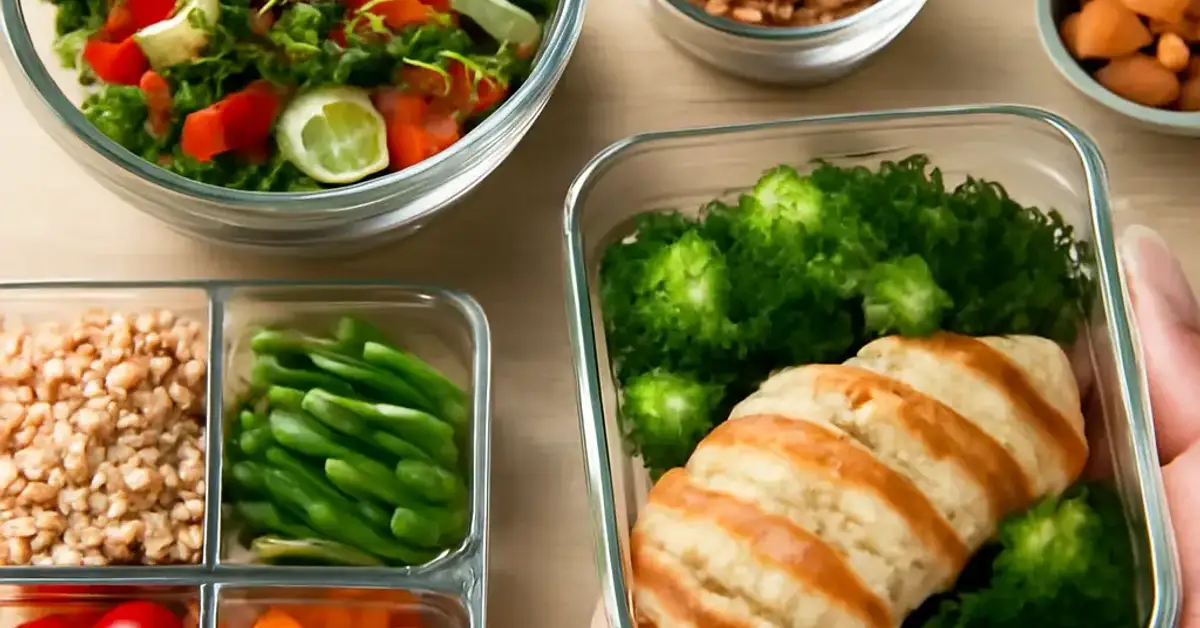
Why Heart-Healthy Meal Prep Matters More Than You Think
Heart disease remains the leading cause of death globally, but the good news is that diet plays a powerful role in prevention. When you prepare meals ahead of time, you remove the guesswork and impulse decisions that often lead to less healthy choices. Heart-healthy meal prep tips help you build a routine around foods that nourish your cardiovascular system — foods rich in fiber, omega-3s, antioxidants, and potassium. For a related guide, see Low-Sodium Heart-Healthy Diet: 7 Mistakes to Avoid.
Meal prep also saves time and reduces stress. A 2021 study published in the American Journal of Lifestyle Medicine found that people who planned their meals reported higher diet quality and lower daily calorie intake. That’s a win for your heart and your schedule.
7 Smart Heart-Healthy Meal Prep Tips for a Healthier Lifestyle
1. Start with a Weekly Menu Based on Heart-Boosting Foods
Before you chop a single vegetable, map out your week. Build your menu around the Mediterranean diet pattern — consistently ranked as the best for heart health. Focus on vegetables, fruits, legumes, whole grains, nuts, seeds, and oily fish. Write down breakfasts, lunches, dinners, and snacks that fit this framework.
For example, a day might include oatmeal with berries for breakfast, a lentil salad for lunch, and baked salmon with broccoli and quinoa for dinner. Having a plan ensures your grocery list stays on track and you avoid last-minute takeout.
2. Choose Whole Grains Over Refined Carbs
Whole grains like brown rice, oats, farro, and barley are rich in soluble fiber, which helps lower LDL cholesterol. When you batch-cook grains at the start of the week, you have a ready base for bowls, salads, and side dishes. Store cooked grains in the fridge for up to five days.
Pro tip: Cook grains in low-sodium broth or add herbs like rosemary and thyme for flavor without extra salt.
3. Pick Lean Proteins and Plant-Based Options
Protein is essential, but sources matter for heart health. Skinless poultry, fish (especially salmon, mackerel, and sardines), legumes, and tofu are excellent choices. Limit red meat and avoid processed meats like bacon and sausage, which are high in saturated fat and sodium.
Prep multiple proteins at once: grill chicken breasts, hard-boil eggs, and cook a batch of lentils. That way you can assemble salads, wraps, or grain bowls in minutes.
4. Embrace Healthy Fats — But Watch Portions
Unsaturated fats from olive oil, avocados, nuts, and seeds support healthy cholesterol levels. Use them in dressings, as toppings, or in cooking. But remember: fats are calorie-dense, so measure portions. A tablespoon of olive oil or a quarter of an avocado goes a long way.
Make a simple vinaigrette with olive oil, lemon juice, and Dijon mustard to keep on hand for salads and roasted veggies.
5. Load Up on Colorful Vegetables
Vegetables are packed with vitamins, minerals, and phytochemicals that reduce inflammation and support blood pressure. Aim for at least five servings a day, and vary colors to maximize nutrient diversity. Roast a big tray of bell peppers, zucchini, eggplant, and cherry tomatoes on Sunday — they’ll keep for days and can be added to eggs, pasta, rice bowls, or wraps.
Frozen vegetables work too. They’re flash-frozen at peak ripeness, so they retain more nutrients than fresh produce that sits in transit.
6. Control Sodium with Homemade Seasoning Blends
Most sodium in the American diet comes from packaged and restaurant foods. When you prep at home, you control the salt shaker. Experiment with sodium-free seasonings: garlic powder, onion powder, smoked paprika, cumin, coriander, turmeric, and black pepper. Create a custom blend and store it in a jar for easy use.
For reference, the American Heart Association recommends no more than 1,500 mg of sodium per day. One teaspoon of table salt contains about 2,300 mg, so using salt-free seasonings helps you stay within that limit.
7. Store Meals in Portion-Containers for Easy Grab-and-Go
Invest in a set of glass or BPA-free plastic containers with tight lids. Divide your prepped foods into single-serving portions as soon as they’ve cooled. Label each container with the day and contents. This simple step prevents overeating and makes it effortless to grab a balanced meal when hunger strikes.
Store soups, stews, and sauces in the freezer for up to three months. Cooked vegetables and grains keep for three to five days in the fridge.
Sample Heart-Healthy Meal Prep Plan (One Day)
| Meal | Foods | Prep Notes |
|---|---|---|
| Breakfast | Overnight oats with chia seeds, walnuts, and mixed berries | Combine oats, chia, almond milk, and berries in a jar the night before |
| Lunch | Quinoa bowl with grilled chicken, roasted bell peppers, cucumber, and lemon-tahini dressing | Cook quinoa and chicken on Sunday; roast vegetables in a big batch |
| Snack | Apple slices with 1 tablespoon almond butter | Pre-slice apples and portion almond butter into small containers |
| Dinner | Baked salmon with steamed broccoli and farro | Season salmon with dill and lemon; cook farro in advance; steam broccoli just before serving |
Storage and Reheating Tips for Maximum Freshness
Cool Foods Quickly Before Refrigerating
Bacteria grow rapidly between 40°F and 140°F. After cooking, let food cool on the counter for no more than two hours before refrigerating. To speed cooling, divide large batches into shallow containers.
Reheat Gently to Preserve Texture and Nutrients
Microwaves work fast but can make vegetables mushy and meats dry. When possible, reheat grains and vegetables on the stovetop with a splash of water or broth. For fish and chicken, the oven at 350°F for 10 minutes works beautifully. Soups and stews reheat well in a saucepan over medium-low heat.
Know When to Toss Leftovers
Cooked poultry and fish keep for three to four days in the fridge. Cooked vegetables and grains last three to five days. Anything left beyond that should be frozen or discarded. When in doubt, trust your nose and eyes — if it smells off or shows mold, compost it.
How to Stay Motivated and Make Meal Prep a Habit
Meal prep doesn’t have to be a chore. Start small: prep just lunches for two days this week. Once you feel the time savings and taste the results, you’ll likely expand on your own. Put on a podcast or music you love while you cook. Invite a friend or family member to prep together. Celebrate your wins — each healthy meal is a step toward a stronger heart.
Remember, consistency beats perfection. If you miss a week, just start again. Your heart will thank you.
Useful Resources
- American Heart Association: Meal Prepping for Heart Health — Official guidelines on heart-smart meal planning and portion control.
- Mayo Clinic: Heart-Healthy Diet Strategies — Evidence-based dietary recommendations and sample meal ideas from a leading medical center.
Frequently Asked Questions About heart healthy meal prep tips
What are the best foods for heart-healthy meal prep ?
Leafy greens, berries, fatty fish (salmon, mackerel), whole grains (oats, quinoa), legumes, nuts, seeds, and olive oil are top choices. These foods are rich in fiber, omega-3s, and antioxidants that support cardiovascular health. For a related guide, see Heart-healthy Foods Rich In Omega-3 Fatty Acids: 7 Essential Omega-3 Foods for a Heart-Healthy Diet.
How long can I store prepped heart-healthy meals?
Most cooked meals last three to four days in the refrigerator. Freeze portions you won’t eat within that window. Properly frozen meals stay safe for two to three months.
Can I meal prep if I have high blood pressure?
Absolutely. In fact, prepping at home lets you precisely control sodium. Use salt-free seasoning blends, avoid processed ingredients, and focus on potassium-rich foods like sweet potatoes, spinach, and bananas.
Is it okay to meal prep on a budget?
Yes. Buy seasonal produce, use frozen vegetables, choose affordable proteins like lentils and eggs, and buy grains in bulk. Planning ahead also reduces food waste, saving money over time.
Do I need special containers for meal prep?
Not necessarily. Glass containers with tight lids are ideal because they’re durable, non-toxic, and microwave-safe. BPA-free plastic containers also work. Airtight containers keep food fresh longer.
How often should I meal prep for heart health ?
Most people prep once a week, on a Sunday or a free day. If that feels like too much, start with prepping just lunches or dinners for three days. Consistency is more important than frequency.
Can I meal prep breakfast as well?
Definitely. Overnight oats, egg muffins with vegetables, chia puddings, and whole-grain breakfast burritos are all make-ahead options. Reheat breakfast muffins in the microwave for 30 seconds.
What are the best oils for heart-healthy cooking?
Extra-virgin olive oil is excellent for dressings and low-heat cooking. Avocado oil has a higher smoke point, making it great for roasting and sautéing. Both are rich in monounsaturated fats that benefit heart health.
Should I avoid all salt in heart-healthy meal prep ?
No. Your body needs some sodium for nerve and muscle function. The key is moderation. Use small amounts of kosher or sea salt in cooking, but avoid adding salt at the table. Rely on herbs and spices for flavor.
How many meals should I prep at once?
For beginners, prep two to four servings of lunch and two servings of dinner. You can scale up as you build confidence and learn your weekly rhythm. Over-prepping can lead to waste if you don’t eat it in time.
Can heart-healthy meal prep help me lose weight?
Yes. Portion control and nutrient-dense foods naturally support weight management. When you prep balanced meals, you’re less likely to reach for high-calorie, low-nutrient options.
Is fish necessary for a heart-healthy diet?
No, but it’s highly recommended. Fatty fish provide omega-3 fatty acids, which reduce inflammation and triglycerides. If you don’t eat fish, include other omega-3 sources like flaxseeds, chia seeds, and walnuts.
What if I don’t like vegetables?
Try roasting them with olive oil and spices — roasting brings out natural sweetness and transforms texture. Start with milder vegetables like zucchini, bell peppers, and carrots. Add them to dishes where flavors blend, like soups and sauces.
Can I prep desserts that are heart-healthy?
Yes. Dark chocolate (70% cocoa or higher), fruit with yogurt, and chia seed pudding sweetened with a touch of maple syrup are good options. Keep portions small and limit added sugars.
Should I avoid all carbs for heart health?
No. Complex carbohydrates from whole grains, legumes, and vegetables provide essential fiber and energy. It’s refined carbs (white bread, pastries, sugary drinks) that should be limited.
How do I prevent my prepped vegetables from getting soggy?
Store wet vegetables separately from dry ingredients. For salads, keep dressing in a separate container and add just before eating. Roasted vegetables can be reheated in the oven to restore crispness.
Can I use canned beans in heart-healthy prep?
Yes, but rinse them thoroughly under cold water to remove up to 40% of the sodium. Better yet, cook dried beans in bulk and freeze them in portions. They’re cheaper and have no added salt.
What’s the simplest heart-healthy meal prep for beginners?
Start with a sheet pan dinner: toss chopped chicken breast, broccoli, and sweet potato with olive oil and herbs, then roast at 400°F for 25 minutes. Portion into containers with a side of quinoa.
How do I know if my meal prep is actually heart-healthy?
Check the balance: half the plate should be vegetables, a quarter lean protein, and a quarter whole grains. Limit saturated fat to less than 7% of total daily calories and keep sodium under 1,500 mg per day.
Can I still eat out while using heart-healthy meal prep tips?
Absolutely. Use meal prep to cover most meals, then enjoy a restaurant meal or social gathering without guilt. When dining out, look for grilled, steamed, or roasted dishes and ask for dressings on the side.