
Signs Your Heart May Need Medical Attention Key Takeaways
The 12 Signs Your Heart May Need Medical Attention explain the most common warning symptoms of cardiovascular issues, from chest pain and shortness of breath to fatigue and leg swelling.
- Early detection of heart disease starts with understanding key heart warning signs such as chest pressure, irregular heartbeat, and dizziness.
- Symptoms like shortness of breath heart issue and swelling in legs causes often point to underlying conditions that require a heart health checkup .
- Medical emergency signs like radiating arm or jaw pain demand immediate action — never wait to seek help.
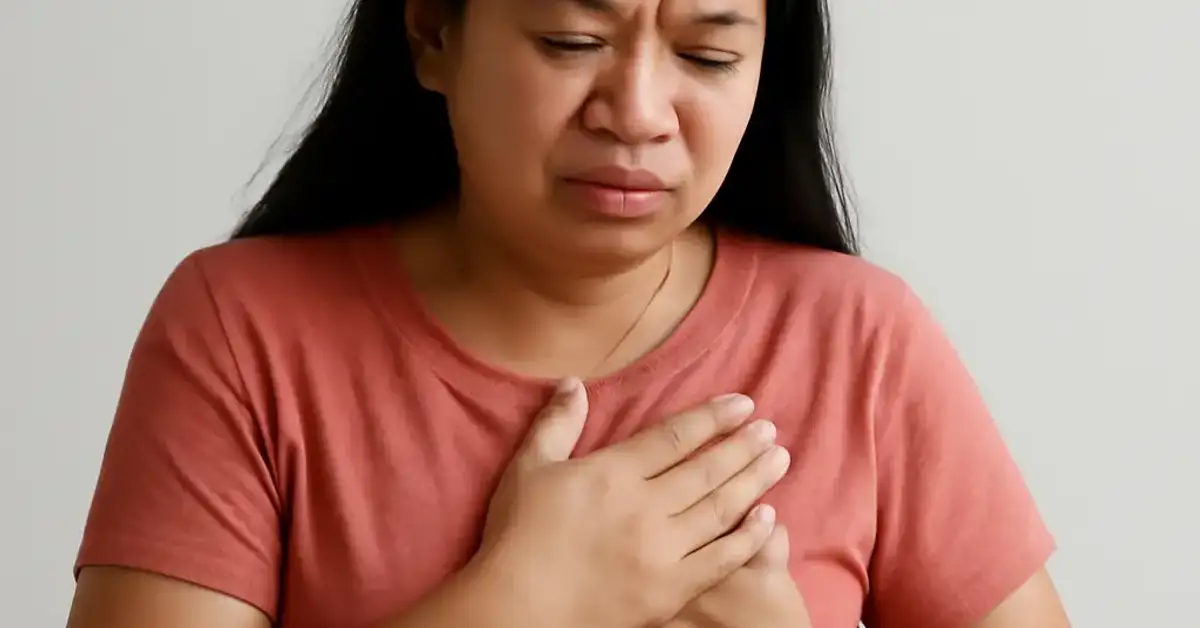
What Readers Should Know About 12 Signs Your Heart May Need Medical Attention
Heart disease remains the leading cause of death worldwide, and many cases develop silently over years. The 12 Signs Your Heart May Need Medical Attention serve as a crucial checklist for anyone who wants to protect their cardiovascular health. Whether you are a young professional, a senior managing hypertension, or a caregiver for a family member, knowing these symptoms of heart disease can make the difference between a timely intervention and a medical emergency. For a related guide, see 10 Important Facts Everyone Should Know About Heart Health.
Filipino adults face unique challenges — high rates of salt-rich diets, stress from long working hours, and limited access to regular screening. This guide is written specifically for you. It breaks down each warning sign, explains what might be happening inside your body, and tells you when to see a doctor. Use this information to start a conversation with your healthcare provider and schedule a heart health checkup if any symptom applies to you.
Understanding Heart Warning Signs: Why Early Detection Matters
Your heart sends signals long before a major event occurs. Many people dismiss subtle symptoms as aging, stress, or indigestion. Yet early detection heart disease is possible when you pay attention to patterns. The cardiovascular warning symptoms listed below are not meant to scare you — they are meant to empower you. If you experience one or more of these signs, especially when they appear suddenly, worsen over time, or occur with other symptoms, seek professional evaluation immediately.
Below are the 12 critical heart warning signs that every adult should know.
1. Chest Pain or Pressure
The most recognized symptom of heart disease is chest discomfort. This can feel like tightness, squeezing, fullness, or a burning sensation. Many people describe it as having an elephant sitting on their chest. Chest pain causes vary, but when the discomfort occurs during physical activity, emotional stress, or at rest and lasts more than a few minutes, it may signal reduced blood flow to the heart muscle (angina) or a heart attack. Women often experience this as sharp or stabbing pain rather than pressure. Do not ignore it — call emergency services if the pain is severe, crushing, or accompanied by nausea or sweating.
2. Shortness of Breath
If you find yourself gasping for air after climbing a single flight of stairs or while lying flat in bed, this is a red flag. Shortness of breath heart issue occurs when your heart cannot pump enough oxygen-rich blood to meet your body’s demands. This symptom is common in heart failure, coronary artery disease, and arrhythmias. It often appears before chest pain in women and older adults. If your breathing difficulty is sudden, severe, or occurs with chest discomfort, seek emergency care.
3. Irregular Heartbeat
Feeling your heart flutter, skip beats, race, or pound in your chest can be alarming. Irregular heartbeat symptoms (arrhythmias) range from harmless palpitations to dangerous conditions like atrial fibrillation, which increases stroke risk. A heart that beats too fast, too slow, or erratically can reduce blood flow to the brain and body. Track any episodes — note how long they last, whether you feel dizzy or faint, and share this with your doctor. A simple electrocardiogram (ECG) can identify the problem.
4. Unexplained Fatigue
Extreme tiredness that does not improve with rest is a commonly overlooked symptom of heart disease. Fatigue and heart health are directly linked because a weakened heart must work harder, leaving you exhausted for everyday tasks. Women report this sign more than men, often months before a heart attack. If you suddenly cannot complete your usual routine without feeling drained, discuss it with your physician.
5. Dizziness or Lightheadedness
Feeling faint, dizzy, or like you might pass out can indicate a drop in blood flow to the brain. Dizziness heart problems frequently result from arrhythmias, low blood pressure, or narrowed heart valves. This is especially concerning if dizziness occurs with chest pain, shortness of breath, or a racing heartbeat. Do not brush it off as dehydration — let a doctor perform a full cardiovascular assessment.
6. Swelling in the Legs, Ankles, or Feet
Fluid buildup (edema) makes your lower extremities feel heavy, tight, or puffy. Swelling in legs causes include heart failure, where the heart cannot pump blood efficiently, causing fluid to pool. Other causes are kidney disease, liver problems, and venous insufficiency, but when paired with other cardiovascular disease symptoms, it points to heart trouble. Press your finger into the swollen area — if an indentation remains, mention it to your doctor.
7. Pain Radiating to the Arm, Jaw, Back, or Neck
Heart pain does not always stay in the chest. Heart attack symptoms often radiate to the left arm (or both arms), the jaw, the neck, the upper back, or even the stomach area. This pain can come and go, be dull or burning, and is frequently mistaken for muscle strain or indigestion. If you experience spreading discomfort combined with other cardiac warning symptoms, treat it as an emergency.
8. Nausea, Indigestion, or Stomach Pain
Many people, especially women, report feeling sick to their stomach, bloated, or having heartburn before a heart attack. Cardiovascular warning symptoms in the upper abdomen are easy to confuse with gastritis. However, if this feeling coincides with pressure in the chest, cold sweat, or fatigue, do not assume it is just a stomach bug. Trust your instincts and get evaluated.
9. Cold Sweat or Clammy Skin
Breaking out into a cold sweat without a fever or physical exertion is a classic medical emergency sign. Your body responds to reduced blood flow by activating the sympathetic nervous system, causing pale, clammy skin. This symptom often accompanies other heart risk indicators like chest pain and shortness of breath. Sweating during rest is never normal — call for help.
10. Persistent Cough or Wheezing
A cough that produces white or pink-tinged mucus, especially when lying down, can indicate fluid accumulation in the lungs (heart failure). This is a more subtle symptom of heart disease that is often misattributed to allergies, colds, or smoking. If the cough persists beyond a week or worsens when you recline, ask your doctor to check your heart.
11. Rapid Weight Gain
Gaining 2–3 kilograms (or more) in a day or two is a sign of fluid retention rather than fat. Cardiovascular disease symptoms like rapid weight gain happen when the heart’s pumping ability declines. Weigh yourself daily if you have known risk factors — sudden changes demand a call to your healthcare provider.
12. Snoring or Sleep Apnea
Loud, disruptive snoring and pauses in breathing during sleep are linked to an increased risk of hypertension, atrial fibrillation, and heart disease. While not a direct warning symptom like chest pain, untreated sleep apnea strains the heart over time. Heart risk indicators include daytime sleepiness, morning headaches, and witnessed breath pauses. A sleep study can confirm the diagnosis and protect your heart.
When Should You See a Doctor? Recognizing Medical Emergency Signs
Some situations require immediate medical attention. Do not wait for a scheduled appointment if you experience:
- Chest pain that lasts more than five minutes or comes and goes
- Sudden shortness of breath
- Fainting or near-fainting episodes
- Severe pain radiating to the arm, jaw, or back
- Rapid or irregular heartbeat with dizziness
These are medical emergency signs that warrant a call to emergency services (dial 911 or your local emergency number). For less urgent but persistent symptoms, schedule a heart health checkup within the same week. Early consultation prevents irreversible damage.
Lifestyle Factors That Increase Heart Risk
Understanding the signs is only half the battle. Lifestyle choices significantly influence your heart risk indicators. The following factors raise your odds of developing cardiovascular disease symptoms:
Diet and Nutrition
High sodium intake, processed foods, sugary drinks, and trans fats increase blood pressure and cholesterol. A heart-healthy diet rich in vegetables, fruits, whole grains, lean protein, and healthy fats (like those in fish and olive oil) lowers your risk.
Physical Inactivity
Sitting for long hours, lack of regular exercise, and a sedentary lifestyle weaken the heart muscle. Aim for at least 150 minutes of moderate aerobic activity each week — brisk walking, cycling, or swimming work well for Filipino adults in urban settings.
Smoking and Alcohol
Smoking damages blood vessels and reduces oxygen in the blood. Excessive alcohol consumption raises blood pressure and contributes to heart failure. Quitting smoking and limiting alcohol to moderate levels (one drink per day for women, two for men) are among the best steps you can take.
Stress and Sleep
Chronic stress keeps cortisol levels high, raising blood pressure and heart rate. Poor sleep quality or insufficient sleep (less than six hours per night) is a known heart risk indicator. Practice stress management techniques like meditation, deep breathing, and ensure consistent sleep schedules.
Useful Resources
For more detailed information on symptoms of heart disease and early detection heart disease, refer to these reputable sources:
- Harvard Health — Heart Disease Warning Signs
- American Heart Association — Warning Signs of a Heart Attack
Conclusion: Take Action for Your Heart Health
Your heart works tirelessly every second of every day. Learning the 12 Signs Your Heart May Need Medical Attention is one of the most valuable investments you can make in your health. These heart warning signs are your body’s early alarm system — listen to it. If any symptom sounds familiar, do not wait. Schedule a heart health checkup today, talk to your doctor about your family history, and begin making small lifestyle changes that add up to big protection.
For Filipino adults juggling work, family, and financial pressures, heart disease may seem like a distant concern. But the truth is that early detection of heart disease saves lives and reduces healthcare costs. Start now. Your heart — and your loved ones — will thank you.
Frequently Asked Questions About 12 Signs Your Heart May Need Medical Attention
What are the warning signs of heart problems?
Warning signs include chest pain or pressure, shortness of breath, irregular heartbeat, dizziness, unexplained fatigue, swelling in the legs, and pain radiating to the arm or jaw. These heart warning signs should never be ignored, especially when they appear suddenly.
When should I see a doctor for chest pain?
See a doctor immediately if chest pain lasts more than a few minutes, occurs during rest, or spreads to your arm, jaw, or back. Less severe but recurrent episodes also require medical evaluation to rule out chest pain causes like angina.
Can shortness of breath indicate heart disease?
Yes, shortness of breath heart issue is a classic sign of heart failure, coronary artery disease, or arrhythmia. If you become breathless with minimal exertion or while lying down, schedule a heart health checkup.
What does an irregular heartbeat mean?
An irregular heartbeat (arrhythmia) means your heart is beating too fast, too slow, or erratically. While occasional palpitations are common, persistent irregular heartbeat symptoms may indicate atrial fibrillation or other conditions requiring treatment.
Is fatigue a sign of heart issues?
Fatigue and heart health are closely connected. Extreme tiredness that interferes with daily activities can signal a weakened heart. It is one of the most underreported symptoms of heart disease, especially in women.
Why do my legs swell sometimes?
Swelling in legs causes range from prolonged standing or salt intake to more serious conditions like heart failure, kidney disease, or venous insufficiency. If swelling is persistent or accompanied by shortness of breath, consult a doctor.
What are early symptoms of a heart attack?
Early heart attack symptoms include chest discomfort, shortness of breath, nausea, cold sweat, fatigue, and pain radiating to the arm or jaw. Symptoms can start slowly with only mild pain or discomfort. Prompt medical care saves lives.
How can I tell if my heart is unhealthy?
You may notice reduced stamina, chest pressure during activity, swelling, palpitations, or frequent dizziness. A thorough heart health checkup that includes blood pressure measurement, cholesterol panels, and an ECG can assess your heart function accurately.
Are dizziness and heart problems connected?
Yes, dizziness heart problems arise when the brain does not receive enough blood due to arrhythmias, valve disease, or low cardiac output. If you feel faint regularly, especially with other symptoms, get evaluated.
What causes pain in the left arm or jaw?
Pain in the left arm or jaw can be referred pain from the heart during a heart attack. This happens because nerves from the heart and these areas converge in the spinal cord. It is a serious medical emergency sign.
Can heart problems develop without symptoms?
Yes, many people have silent heart disease, including high blood pressure, high cholesterol, and even early-stage heart failure without noticeable symptoms. Regular screening ensures early detection of heart disease even before warning signs appear.
How urgent are heart warning signs ?
Heart warning signs are always urgent. Symptoms like chest pain, sudden shortness of breath, or passing out require immediate emergency attention. Less acute but persistent symptoms should be evaluated within days, not weeks. For a related guide, see 10 Symptoms of Airway Problems You Should Never Ignore: Expert Warning Signs.
What lifestyle factors increase heart risk?
Key factors include smoking, poor diet high in salt and fat, lack of exercise, chronic stress, excessive alcohol, and insufficient sleep. Addressing these reduces your heart risk indicators and improves overall cardiovascular health.
When is chest discomfort an emergency?
Chest discomfort becomes an emergency when it is severe, comes on suddenly, lasts longer than five minutes, or is accompanied by shortness of breath, nausea, sweating, or radiating pain. Call emergency services immediately in this scenario.
How do I know if I need medical attention for my heart?
You need medical attention if you experience any of the 12 Signs Your Heart May Need Medical Attention, especially when symptoms are new, severe, or progressive. Trust your intuition — if something feels wrong, see a doctor.
Can stress alone cause heart symptoms?
Chronic stress can trigger chest pain, palpitations, and high blood pressure, which mimic cardiovascular disease symptoms. However, stress-induced symptoms still require medical evaluation to rule out underlying heart problems.
Are heart disease symptoms different for women?
Yes, women often experience atypical symptoms like nausea, jaw pain, extreme fatigue, and shortness of breath rather than classic chest pressure. Knowing these differences helps with early detection of heart disease in women.
How often should I get a heart health checkup ?
Adults over 40 should have a heart health checkup annually, including blood pressure, cholesterol, and blood sugar tests. Those with risk factors like obesity, diabetes, or family history of heart disease may need more frequent monitoring.
Can heart warning signs go away on their own?
Some symptoms may come and go, but that does not mean the problem has resolved. Intermittent heart warning signs still indicate underlying issues. Do not dismiss them — evaluation is necessary.
What should I do if I suspect a heart attack in someone else?
Call emergency services immediately. Have the person sit or lie down, keep them calm, and give aspirin (if not allergic) while waiting for help. Recognizing medical emergency signs quickly can save a life.