
fermented foods improve gut health Key Takeaways
Fermentation is one of the oldest food preservation techniques, and it offers powerful benefits for your digestive system.
- Fermented foods improve gut health by delivering live probiotics that replenish good bacteria.
- Regular consumption of fermented foods can boost immunity, reduce inflammation, and enhance nutrient absorption.
- From tangy sauerkraut to creamy kefir, there’s a fermented option for every palate and lifestyle.
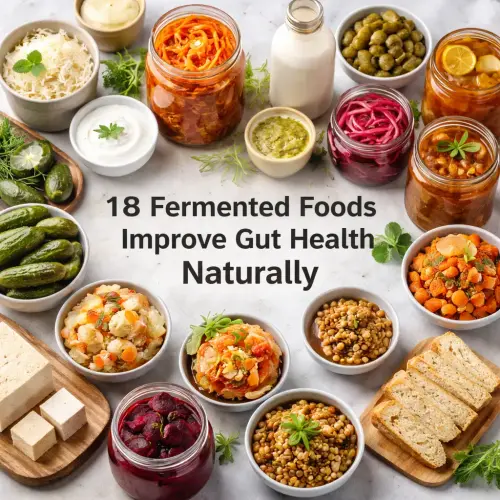
Why Fermented Foods Improve Gut Health and Overall Wellness
The human gut is home to trillions of microorganisms that play a crucial role in digestion, immune function, and even mood regulation. When this balance is disrupted by poor diet, stress, or antibiotics, digestive issues and inflammation can arise. Fermented foods help restore equilibrium by introducing live, beneficial bacteria—often called natural probiotics—that compete with harmful microbes and strengthen the gut lining. For a related guide, see Immunity Foods: Top Picks for Better Defense.
Beyond probiotics, fermentation also makes nutrients more bioavailable. For example, fermenting cabbage increases the vitamin C content and produces enzymes that aid digestion. Many fermented foods also contain organic acids that can inhibit pathogens and improve bowel regularity.
The 18 Best Fermented Foods to Add to Your Diet
Below is a curated list of fermented foods that research suggests can meaningfully improve gut health. Each entry highlights why it deserves a spot in your kitchen.
1. Kimchi
Kimchi is a Korean staple made from fermented vegetables—usually napa cabbage and radishes—seasoned with chili, garlic, ginger, and fish sauce. It is rich in lactobacillus bacteria, which help break down food and support a healthy gut environment. Studies also link kimchi consumption with lower cholesterol and improved immune markers.
2. Sauerkraut
Finely shredded cabbage fermented with salt, sauerkraut is one of the simplest and most accessible fermented foods. Packed with vitamin C and beneficial bacteria, it also contains fiber that feeds good gut microbes. Look for unpasteurized sauerkraut in the refrigerated section to ensure live cultures remain intact.
3. Kefir
A tangy, drinkable fermented milk product, kefir contains a more diverse array of bacteria and yeasts than yogurt. The kefir grains—a symbiotic culture of microbes—produce a thick beverage that has been shown to reduce lactose intolerance symptoms and improve digestion in clinical studies.
4. Yogurt
Yogurt is perhaps the most well-known fermented food. Made by fermenting milk with lactic acid bacteria, it offers a reliable source of probiotics, especially if you choose plain, unsweetened varieties with live active cultures. In fact, many people first encounter fermented foods improve gut health through yogurt. For a related guide, see 21 Best Gut Health Foods: Essential for Better Digestion.
5. Kombucha
Kombucha is a fizzy, fermented tea created using a symbiotic colony of bacteria and yeast (SCOBY). It contains acetic acid, B vitamins, and a range of probiotic strains. While commercial versions can be high in sugar, home-brewed or low-sugar options deliver gut-health benefits without the sweetener overload.
6. Miso
Miso is a fermented soybean paste widely used in Japanese cuisine. Fermentation with koji mold, along with salt and sometimes barley or rice, produces a salty, umami-rich paste packed with probiotics. Miso soup is a simple way to incorporate living microbes into your daily routine, but avoid boiling the paste to preserve the active cultures.
7. Tempeh
Tempeh is a fermented soybean cake with a nutty flavor and firm texture. Unlike many probiotic foods, tempeh is also a complete protein, making it a superb choice for plant-based eaters. The fermentation process reduces phytic acid, making the minerals in soy more absorbable.
8. Natto
Natto is a traditional Japanese dish made from soybeans fermented with Bacillus subtilis. It is one of the few foods that contains a potent fibrinolytic enzyme called nattokinase, which supports cardiovascular health. Its strong smell and sticky texture can be an acquired taste, but its probiotic profile is exceptional.
9. Pickles (Lacto-fermented)
Not all pickles are created equal. Lacto-fermented pickles—those made in a salt brine without vinegar—are rich in live bacteria. Look for naturally fermented cucumbers in the refrigerated section; shelf-stable varieties are typically pasteurized and lack active probiotics.
10. Kvass
Kvass is a low-alcohol, slightly sour beverage traditionally made from rye bread. It is a popular fermented drink in Eastern Europe that delivers lactic acid bacteria and yeast. Beet kvass, a red-hued variant, adds antioxidants and earthy sweetness to the probiotic mix.
11. Sourdough Bread
Sourdough bread is made through a long fermentation using a starter of wild yeast and lactobacilli. While baking kills the live cultures, the fermentation process breaks down gluten and phytic acid, making nutrients more accessible. For some people, sourdough is easier to digest than conventional bread.
12. Fermented Cottage Cheese
Traditional cottage cheese is often cultured with live bacteria. Check the label for “live active cultures” to ensure probiotic benefits. It is a high-protein, low-fat option that pairs well with fruit or savory toppings.
13. Lassi
Lassi is a yogurt-based drink from India, often blended with water or milk and sometimes fruit or spices. A traditional savory version (chaas) is particularly rich in probiotics and can soothe an upset stomach. Lassi is an excellent way to rehydrate and boost gut health in hot weather.
14. Fermented Vegetables (Mixed)
Beyond cabbage, almost any vegetable can be lacto-fermented—carrots, beets, green beans, cauliflower, and more. Mixed fermented vegetable packs often deliver a wider variety of prebiotic fibers and bacterial strains compared to single-veg ferments.
15. Fish Sauce
Fish sauce is a pungent, umami condiment made by fermenting fish with salt over months or years. While it is not typically consumed in large quantities, it contributes beneficial enzymes and amino acids to dishes. Look for traditionally fermented brands without additives.
16. Fermented Cheese
Cheeses like cheddar, gouda, Swiss, and provolone are aged and can contain live probiotics when unpasteurized or made from raw milk. Aged cheeses also provide vitamin K2, which works synergistically with calcium to support bone health.
17. Kimchi Jjigae
Kimchi jjigae is a Korean stew made with aged kimchi, pork, tofu, and vegetables. Cooking kimchi reduces the live bacteria, but the heat does not destroy all the beneficial compounds: the fiber, vitamins, and organic acids remain, and the prebiotic fiber feeds probiotics from other foods you eat alongside it.
18. Fermented Bean Paste (Doenjang)
Doenjang is a Korean fermented soybean paste similar to miso but with a stronger, earthier flavor. It is rich in isoflavones and probiotics. A bowl of doenjang-jjigae (soybean paste stew) is a comforting way to incorporate fermented foods into your diet.
How to Incorporate Fermented Foods Into Your Daily Routine
If you are new to fermented foods, start small. A spoonful of sauerkraut alongside a meal or a half-cup of kefir as a snack can be enough to notice positive changes in digestion. Over time, you can increase the variety and quantity as your gut adjusts.
For best results, select unpasteurized (raw) fermented products when possible, and keep them refrigerated to preserve the live cultures. Mixing different types—such as yogurt with berries and a side of kimchi—gives your microbiome a more diverse range of beneficial bacteria to work with.
Potential Side Effects and Considerations
While fermented foods improve gut health for most people, they can cause temporary bloating or gas when introduced too quickly. That’s normal as the gut microbiota shifts. Individuals with histamine intolerance or compromised immune systems should consult a healthcare professional before significantly increasing their intake of fermented foods.
Useful Resources
For a deeper dive into the science behind fermentation and gut health, explore these authoritative sources:
- National Institutes of Health: Probiotics and Gut Health — A comprehensive review of how fermented foods influence the gut microbiome.
- Harvard Health: How to Get More Fermented Foods Into Your Diet — Practical tips and health benefits from a leading medical institution.
Adding even a few of these fermented foods to your diet can lead to noticeable improvements in digestion, energy, and overall wellbeing. The key is variety and consistency—your gut thrives on a diverse community of beneficial microbes. Fermented foods improve gut health in a natural, time-tested way that fits seamlessly into a balanced lifestyle. For a related guide, see Immune Support: Best Vitamins for Strength.
Frequently Asked Questions About fermented foods improve gut health
What is the difference between probiotics and fermented foods ?
Probiotics are specific live microorganisms that provide health benefits when consumed in adequate amounts. Fermented foods are foods that have undergone fermentation, which often—but not always—produces live probiotics as a byproduct.
How long does it take for fermented foods to improve digestion?
Some people notice improvements in bloating and regularity within a few days, while for others it can take several weeks. Consistency is more important than quantity.
Can I eat too many fermented foods ?
Yes, especially if you are not used to them. Overconsumption can lead to gas, bloating, and diarrhoea. Start with small servings and gradually increase over two to three weeks.
Are store-bought fermented foods as good as homemade?
High-quality store-bought options that are unpasteurized and refrigerated are excellent. Avoid shelf-stable products, as they are often heat-treated and lack live cultures.
Do fermented foods help with irritable bowel syndrome?
Some people with IBS find relief with fermented foods, while others may experience increased symptoms. It is best to introduce them slowly and track your reactions.
What is the best time of day to eat fermented foods ?
There is no single best time. Many people prefer taking them with a meal to buffer stomach acid and improve survival of the probiotics. Evening consumption may also help with overnight digestion.
Are all pickles fermented?
No. Most commercial pickles are made with vinegar and are not fermented. True fermented pickles are made with salt brine and contain live bacteria.
Is kombucha safe during pregnancy?
Moderate consumption of pasteurized kombucha is generally considered safe, but homemade or unpasteurized versions carry a small risk of contamination. Pregnant women should consult their doctor first.
Does heat destroy probiotics in fermented foods ?
Yes, temperatures above about 115°F (46°C) kill most live probiotics. To preserve the cultures, add fermented foods to dishes after cooking or choose raw, unpasteurized varieties.
Can I combine multiple fermented foods in one meal?
Absolutely. Mixing different fermented foods can increase the diversity of bacteria your gut receives. Just be mindful of salt and sugar content if you are watching your intake.
Are vegan fermented foods effective?
Yes, many fermented foods such as tempeh, miso, kimchi, sauerkraut, and kombucha are fully plant-based and supply abundant probiotics and beneficial compounds.
How should I store homemade fermented vegetables?
After the initial fermentation at room temperature, transfer them to the refrigerator in a sealed glass container. They can last for several months if kept cold.
Do I need to take a probiotic supplement if I eat fermented foods ?
For most people, a diet rich in diverse fermented foods is sufficient to support a healthy microbiome. Supplements can be helpful for specific conditions, but they are not a replacement for whole foods.
What does lacto-fermentation mean?
Lacto-fermentation uses lactic acid bacteria to break down sugars in food. It is the same type of fermentation that creates sauerkraut, pickles, and kimchi, and it produces tangy flavors and preserves the food.
Are there any fermented foods I should avoid when taking certain medications?
Fermented foods high in vitamin K (like natto and sauerkraut) can interfere with blood thinners such as warfarin. Discuss dietary changes with your doctor if you are on medication.
Can fermented foods help with skin conditions like eczema?
By improving gut health and reducing systemic inflammation, fermented foods may benefit some people with eczema. However, evidence is preliminary and individual results vary.
Do fermented foods contain alcohol?
Some fermented beverages like kombucha and kvass contain trace amounts of alcohol (usually less than 0.5% ABV), but levels are generally too low to have any noticeable effect.
Can children eat fermented foods ?
Yes, but introduce them gradually and choose mild options like yogurt or small amounts of sauerkraut. Consult a paediatrician for children under one year of age.
How can I tell if a fermented food has gone bad?
Spoiled fermented foods may develop off smells (like rot or ammonia), mold on the surface, or a slimy texture. Good fermented foods should smell tangy, sour, or yeasty—never foul.
Is sourdough bread actually good for gut health?
While baking kills the live bacteria, sourdough is easier to digest than many breads because the fermentation breaks down gluten and phytic acid. It also contains prebiotic fibers that feed gut bacteria.