
gut-friendly breakfast ideas Key Takeaways
Starting your day with a gut-friendly breakfast can improve digestion, reduce bloating, and support your overall microbiome.
- Focus on gut-friendly breakfast ideas that include fermented foods like yogurt, kefir, or sauerkraut for live probiotics.
- Incorporate high-fiber ingredients such as oats, chia seeds, and berries to feed beneficial gut bacteria.
- Hydrating breakfasts with water-rich fruits and herbal teas help maintain a healthy gut lining.
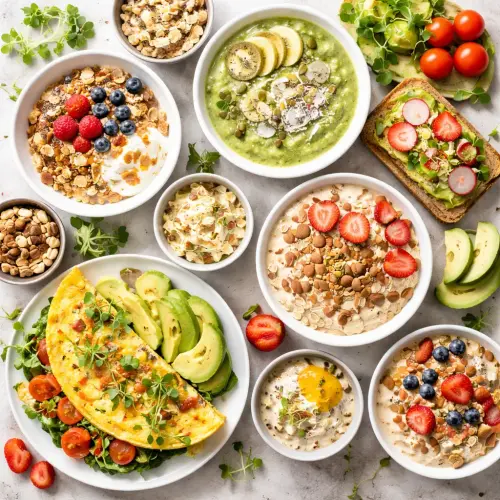
Why Gut-Friendly Breakfast Ideas Matter for Your Digestive Health
Your gut microbiome thrives on consistency and variety. A morning meal packed with prebiotics, probiotics, and soluble fiber can help regulate bowel movements, reduce inflammation, and even boost your mood. Many breakfast ideas for digestion are surprisingly simple to whip up with everyday ingredients.
20 Gut-Friendly Breakfast Ideas to Try This Week
Each idea below includes a short description and a note on how it benefits your digestive system. Feel free to mix and match based on what you have in your kitchen.
1. Overnight Oats with Chia Seeds and Berries
Combine rolled oats, chia seeds, almond milk, and a handful of mixed berries. Let it sit overnight. Chia seeds are a top source of soluble fiber, which forms a gel-like consistency in your gut and helps slow digestion for better nutrient absorption.
2. Greek Yogurt with Sliced Banana and Walnuts
Plain Greek yogurt provides live probiotics, while banana offers prebiotic fiber to feed those good bacteria. Walnuts add a dose of omega-3s that support a healthy gut lining. For a related guide, see 7 Key Differences Between Probiotics and Prebiotics: Avoid These Common Confusions.
3. Scrambled Eggs with Spinach and Avocado
Eggs are easy to digest and provide high-quality protein. Spinach brings magnesium and fiber, and avocado supplies healthy fats that help reduce gut inflammation.
4. Kefir Smoothie with Mango and Ginger
Blend plain kefir, frozen mango chunks, and a thumb-sized piece of fresh ginger. Kefir is a fermented dairy drink loaded with diverse probiotic strains. Ginger adds anti-inflammatory warmth.
5. Oatmeal with Sautéed Apples and Cinnamon
Cook rolled oats with water or milk, then top with apples cooked in a bit of coconut oil and cinnamon. Apples contain pectin, a prebiotic fiber that encourages healthy gut bacteria growth.
6. Sweet Potato and Black Bean Breakfast Bowl
Roast diced sweet potatoes and black beans with cumin and smoked paprika. Serve with a dollop of Greek yogurt. Sweet potatoes are rich in resistant starch, which acts as a prebiotic when cooled slightly.
7. Cottage Cheese with Pineapple and Flaxseed
Top cottage cheese with fresh pineapple chunks and a tablespoon of ground flaxseed. Pineapple contains bromelain, an enzyme that aids protein digestion, while flax provides both soluble and insoluble fiber.
8. Buckwheat Pancakes with Blueberry Compote
Make pancakes with buckwheat flour (a gluten-free grain) and serve with a quick blueberry compote. Buckwheat is rich in fiber and flavonoids that support gut microbial diversity.
9. Avocado Toast on Sourdough with Hemp Seeds
Use real sourdough bread (naturally fermented) for easier digestion. Mash avocado on top and sprinkle with hemp seeds for a fiber and omega-3 boost.
10. Matcha Latte with Collagen and Coconut Milk
Whisk ceremonial-grade matcha with warm coconut milk and a scoop of collagen peptides. Matcha provides antioxidants that reduce gut inflammation, and collagen supports the intestinal lining.
11. Chickpea Flour Omelet (Vegan)
Whisk chickpea flour with water, turmeric, and chopped veggies, then pan-fry like an omelet. Chickpea flour is high in fiber and protein, and turmeric acts as a gentle anti-inflammatory for the gut.
12. Rice Cake with Almond Butter and Sliced Pear
Spread brown rice cakes with almond butter and top with thin pear slices. Pear provides soluble fiber called pectin, while almond butter supplies healthy fats and vitamin E.
13. Bone Broth with Poached Egg and Greens
Warm a cup of bone broth and gently poach an egg in it. Stir in a handful of baby spinach. Bone broth is rich in collagen and amino acids that may help repair the gut lining.
14. Probiotic Overnight Quinoa Bowl
Cook quinoa and let it cool, then top with kefir, chopped kiwi, and pumpkin seeds. Quinoa is a complete protein and contains all nine essential amino acids, plus fiber for a full gut feeding.
15. Smoked Salmon and Avocado Lettuce Wraps
Wrap smoked salmon and avocado slices in butter lettuce leaves. Smoked salmon offers omega-3 fatty acids that reduce gut inflammation, and lettuce provides hydration and crunch.
16. Chia Pudding with Coconut Milk and Passion Fruit
Mix chia seeds with coconut milk and a touch of maple syrup, then chill overnight. Top with passion fruit pulp. The seeds expand in your stomach, promoting regularity and fullness.
17. Lentil and Veggie Breakfast Stew
Simmer red lentils with carrots, celery, and a pinch of asafoetida (hing) for easy digestion. Lentils deliver a hefty dose of fiber and plant-based iron for steady morning energy.
18. Rice and Fermented Vegetable Bowl
Reheat leftover cooked brown rice and serve with a generous spoonful of kimchi or sauerkraut. Fermented vegetables are packed with live probiotics that can improve gut flora diversity.
19. Banana and Peanut Butter Ice Cream (Nice Cream)
Freeze ripe bananas, then blend with a tablespoon of peanut butter until creamy. Bananas provide prebiotic fiber, and peanut butter adds healthy fats and protein — a fun, light breakfast option.
20. Herbal Tea with Honey and Lemon
Sip a warm mug of peppermint or ginger tea with a teaspoon of raw honey and a squeeze of lemon. Both teas soothe the digestive tract, and raw honey acts as a natural prebiotic.
How to Build Your Own Gut-Friendly Breakfast Routine
Start small: choose two or three recipes from the list above and rotate them throughout the week. Keep a batch of overnight oats or chia pudding in the fridge for busy mornings. Add one new fermented food each week, like kefir or sauerkraut, to gradually increase your probiotic intake.
Key Ingredients to Stock
Oats, chia seeds, plain yogurt, kefir, bananas, berries, avocados, spinach, ginger, and lemons. These core items let you create dozens of digestive health recipes without a lot of fuss.
Frequently Asked Questions About Gut-Friendly Breakfast Ideas
Useful Resources
For more on the science behind gut-friendly eating, check out these credible sources:
- Harvard Health: The Gut Microbiome and Its Role in Health
- Mayo Clinic: Probiotics and Prebiotics – What You Need to Know
Start your morning with these gut-friendly breakfast ideas and give your digestive system the love it deserves. A small change in your first meal can lead to better energy, less bloating, and a happier gut all day long.
Frequently Asked Questions About gut-friendly breakfast ideas
What makes a breakfast gut-friendly?
A gut-friendly breakfast includes fiber-rich whole foods, live probiotics from fermented ingredients, and prebiotics that feed good bacteria. It avoids processed sugars and excessive refined grains. For a related guide, see 18 Fermented Foods to Improve Gut Health Naturally.
Can I prep these breakfasts ahead of time?
Absolutely. Overnight oats, chia pudding, and smoothie packs can be made the night before. Many bowls and stews also reheat well for a busy morning.
Are all yogurts good for gut health?
No. Look for plain yogurt with live active cultures and no added sugar. Greek yogurt and skyr are excellent choices. Avoid heavily flavored or fruit-on-the-bottom varieties that often contain excess sweeteners.
How much fiber should a gut-healthy breakfast contain?
Aim for at least 8-10 grams of fiber at breakfast. Combining oats, chia seeds, and berries easily hits that target. Increase fiber gradually to avoid bloating.
Can I eat these breakfasts if I have IBS?
Many of these ideas are low in common triggers like lactose, gluten, or high-FODMAP ingredients. Choose options like oats, eggs, and bone broth, and avoid high-fructose fruits if you’re sensitive.
Do I need to eat probiotics every morning?
Not necessarily. Rotating probiotic foods a few times a week is sufficient for most people. Fiber and prebiotics are just as important for feeding the bacteria you already have.
Is oatmeal good for digestion every day?
Yes, oatmeal is one of the best choices for daily consumption because of its soluble beta-glucan fiber, which helps regulate blood sugar and supports regular bowel movements.
Can I drink coffee with a gut-friendly breakfast?
Moderate black coffee is fine for most people. If it upsets your stomach, try a low-acid coffee or switch to a matcha latte. Avoid adding heavy cream or artificial sweeteners.
What sweeteners are best for gut health?
Raw honey, pure maple syrup, or a small amount of stevia are gentler on the gut than refined sugar or artificial sweeteners. Dates and ripe bananas also add natural sweetness with fiber.
Are smoothies good for digestion?
Smoothies can be excellent if they contain whole fruits, greens, yogurt or kefir, and healthy fats. Avoid adding fruit juice or sweeteners, and don’t sip them too quickly.
How long does it take to see gut health improvements?
You may notice less bloating and more regular digestion within a week or two of consistently eating fiber- and probiotic-rich breakfasts. Full microbiome changes can take a month or more.
Can I use frozen fruit in these recipes?
Yes, frozen berries, mango, and peaches are frozen at peak ripeness and retain their fiber and antioxidants. They work perfectly in smoothies, overnight oats, and compotes.
What if I’m lactose intolerant?
Choose lactose-free yogurt, kefir made from coconut or oat milk, or fermented options like kimchi and sauerkraut. Many gut healthy breakfast recipes on this list are dairy-free. For a related guide, see 21 Best Gut Health Foods: Essential for Better Digestion.
Is it okay to eat the same gut-friendly breakfast every day?
Variety is important for a diverse microbiome, but a single well-balanced breakfast can still be beneficial. Rotate your toppings and add different fruits or seeds each week.
Are these breakfasts suitable for children?
Most of them are, but you may need to adjust textures and portion sizes. Overnight oats, yogurt bowls, and chia pudding are often big hits with kids.
Do I need to include fermented foods every morning?
No. Including fermented foods 2-3 times a week is enough to support gut diversity. The rest of the time, focus on fiber-rich plant foods.
What is the best time to eat breakfast for gut health?
Eating within a 1-2 hour window after waking helps align your digestion with your circadian rhythm. A consistent morning meal time also supports regular bowel habits.
Can I use these recipes for meal prep?
Yes. Overnight oats, chia pudding, and lentil stew keep well in the fridge for 3-5 days. Store wet and dry components separately to maintain texture.
Are gluten-free grains better for gut health?
Not necessarily. Many people digest whole wheat and sourdough fine. If you have celiac disease or gluten sensitivity, choose oats labeled gluten-free, quinoa, or buckwheat.
How can I increase fiber without feeling bloated?
Increase fiber slowly over two weeks, drink plenty of water throughout the day, and chew your food thoroughly. Cooking high-fiber grains and legumes can also make them easier to digest.